
Understanding Pips in Forex Trading for Nigerian Traders
📊Master pips in forex: the tiniest price moves that shape your ₦ trading results. Learn to calculate profits, manage risks, and trade smarter in Nigeria today.
Edited By
Jessica Adams
Forex trading, simply put, involves buying and selling different currencies on the global market. Nigerian investors often see it as a way to make profits by capitalising on exchange rate movements between currencies like the US dollar, euro, or British pound against the naira. However, the forex market is highly dynamic and volatile, so understanding its core function is key to trading successfully.
The forex market operates 24 hours a day across major financial centres, allowing traders to buy or sell currencies anytime. For example, when the London market closes, the New York market is just opening. This continuous trading provides liquidity but also means prices can swing quickly depending on global events, news, or economic data.
For Nigerian investors, practical engagement in forex trading means using reliable platforms—often through brokers regulated either internationally or locally. Platforms like MetaTrader or those offered by local brokers enable direct access to the market with real-time price updates. Since naira’s value can fluctuate sharply, it’s wise to start small, test strategies, and track the impact of external factors like Central Bank of Nigeria (CBN) policies or oil price shifts.
Learning the basic currency pairs such as USD/NGN, EUR/USD, GBP/USD, and how their rates move.
Understanding leverage and margin, which can amplify profits but also increase risks.
Setting realistic goals rather than chasing quick wins, as rapid losses are common.
Successful forex trading demands discipline, solid research, and a clear plan to manage risk effectively.
This article will explore not just the mechanics of forex trading but also practical steps Nigerian investors can take—from choosing a trustworthy broker to applying risk management techniques. Knowing these basics helps avoid pitfalls and lays the groundwork for steady growth in your forex trading journey.
Understanding the basics of forex trading is essential for any Nigerian investor aiming to participate effectively in the global currency market. This foundation prepares you to grasp how currencies move, why prices change, and how to apply this knowledge to make informed investment decisions. In Nigeria’s unique financial landscape, knowing these basics helps you navigate challenges like naira volatility and regulatory constraints while taking advantage of opportunities.
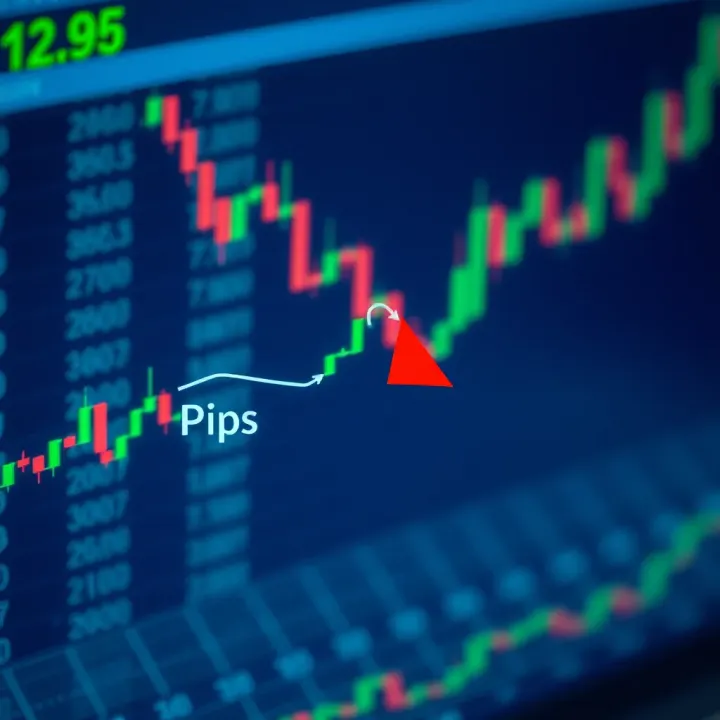
Forex trading is the act of buying one currency and selling another simultaneously in the global market. This market is the largest financial market worldwide, with daily trading volumes exceeding $6 trillion. Terms such as "pips" (the smallest price movement) and "lots" (standardised units of currency) are common in forex. Understanding these helps you quantify gains and losses. For example, trading a standard lot (100,000 units) of USD/NGN can yield significant profits or losses with just small fluctuations.
Trades occur in currency pairs like USD/NGN or EUR/USD. Each pair shows how much of the second currency you need to buy one unit of the first. The first currency is called the base currency, the second the quote currency. The price quoted is how much the quote currency costs for one unit of the base. For instance, if USD/NGN is quoted at 460.50, it means ₦460.50 buys 1 US dollar. Knowing this allows Nigerian investors to judge when to enter or exit trades based on exchange rates, especially with naira’s known volatility.
The forex market operates 24 hours a day, 5 days a week, spanning major financial centres from London to New York, Tokyo, and Sydney. This continuous operation means Nigerian traders can participate at convenient times, adjusting trading sessions to suit their schedule. Market participants range from central banks, commercial banks, hedge funds, to retail traders in Nigeria, each influencing price movements differently.
Forex brokers act as intermediaries between traders and the interbank forex market. They provide trading platforms like MetaTrader 4 or proprietary apps where you place orders and monitor trades. For Nigerian investors, choosing a broker that supports local payment methods—like bank transfers or USSD payment channels—and complies with regulatory standards is critical. Brokers with transparent fees, good execution speed, and reliable customer service help reduce risks associated with trading in an environment where infrastructure challenges can affect online activities.
A solid grasp of forex basics and market operations equips Nigerian investors to trade smartly, understand price signals, and wisely select brokers tailored to local realities.
Starting forex trading in Nigeria requires more than just interest; it demands a clear understanding of the local trading landscape, regulatory environment, and practical steps to establish a trading presence. Many Nigerian investors find themselves stuck at this initial stage due to the complexities of choosing the right broker and setting up accounts compatible with local payment systems. This section focuses on helping you navigate these early hurdles effectively, ensuring you start forex trading on a solid footing.
Nigerian traders must prioritise brokers regulated by reputable agencies like the Financial Conduct Authority (FCA) or the Cyprus Securities and Exchange Commission (CySEC). Although the Central Bank of Nigeria (CBN) does not regulate forex brokers directly, reputable brokers often comply with international standards, providing a layer of safety for your funds. Using unlicensed brokers in Nigeria has led many to lose hard-earned money due to scams and poor service quality, so regulatory compliance should be your first checkpoint.
There are two main broker types to consider: dealing desk (market makers) and non-dealing desk brokers. Market makers often provide fixed spreads and may fill your orders internally, possibly leading to conflicts of interest in volatile markets. Non-dealing desk brokers connect traders directly to the interbank market, offering tighter spreads and generally faster execution. For example, if you trade via a Nigerian-friendly broker like FXTM or HotForex, you might find non-dealing desk options providing better transparency and execution, which matter when you’re aiming to manage risks smartly.
Forex brokers offer various account types tailored to different investor needs, including demo, standard, and VIP accounts. Demo accounts let you practise without risking real money, useful for gauging platform usability. Standard accounts typically require a minimum deposit ranging from $50 to $500 (₦25,000 to ₦250,000), depending on the broker. This makes forex trading accessible even if you start with modest funds. VIP accounts offer better spreads and personalised services but demand larger deposits, which might not suit beginners.
When it comes to funding, Nigerian traders benefit enormously from brokers supporting local payment methods. Using Nigerian banks for deposits and withdrawals reduces costs and delays. Platforms that integrate with local options like Paystack, Quickteller, or direct bank transfers from GTBank, Access Bank and Zenith speed up transactions. For instance, instead of struggling with international wire transfers that can attract hefty fees and take days to clear, many brokers allow fast loading of accounts in ₦, preserving capital and maximising trade opportunities.
Choosing brokers who accept local payments and offer clear, transparent account terms can save you time and protect your naira investment from unnecessary charges and delays.
Getting these early stages right sets the tone for your forex journey and boosts confidence as you progress to more advanced trading strategies.
Building effective strategies is the backbone of success in forex trading. Without a clear plan, even the most seasoned traders can find themselves in losses. For Nigerian investors, who face a unique set of market dynamics—including frequent naira volatility and varying global events—a tailored approach is necessary. The right strategies help manage risks, spot opportunities early, and make trading decisions based on solid analysis rather than guesswork.
Economic indicators tell you how a country’s economy is performing and signal potential trends in its currency's value. Indicators such as Nigeria’s inflation rate, interest rates set by the Central Bank of Nigeria (CBN), and GDP growth figures can influence forex prices directly. For instance, a rising inflation often weakens a currency, as it reduces purchasing power. Knowing when the CBN announces its monetary policy can help traders anticipate naira movements against the dollar or euro.
Impact of geopolitical events can cause sharp, unexpected swings in forex markets. Political instability, elections, or global trade tensions—like tariffs between major economies—affect how currencies behave. Nigerian traders should watch local elections closely, as uncertainty can trigger naira volatility. Also, international crises, such as conflicts affecting oil prices, can ripple through forex markets, given Nigeria’s oil dependency.
Charts and patterns provide a visual way to understand market sentiment and price trends. Common patterns like 'head and shoulders', 'double tops', or 'triangles' often indicate possible market reversals or continuations. Traders in Nigeria use platforms like MetaTrader or TradingView to spot these patterns and decide when to buy or sell. For example, spotting a 'bull flag' pattern might suggest a strong uptrend is continuing.
Popular indicators such as moving averages, Relative Strength Index (RSI), and MACD help confirm price movements and momentum. Moving averages smooth out price data, helping traders identify the prevailing trend. RSI indicates if a currency is overbought or oversold, which can signal potential price corrections. Knowing how and when to apply these indicators is vital for timing trades effectively.
Scalping involves making quick trades to capture small profits within minutes. It demands high concentration and fast execution. Nigerian traders might find scalping useful during busy market hours when liquidity is high, such as the London or New York sessions. This style works best with low spreads and reliable internet connections, given the need to react swiftly.
Day trading means opening and closing positions within the same trading day. It suits traders who can monitor the markets for several hours but prefer to avoid overnight risks. For example, a trader might buy dollars against naira in the morning and sell before the close, riding short-term trends and economic news releases.
Swing trading holds positions for days or weeks to profit from expected market moves. It requires patience and a solid grasp of both fundamental and technical analysis. Nigerian traders might use swing trading to benefit from trends during periods of economic shifts, such as currency responses to policy changes by CBN or global oil market adjustments.
Successful forex trading in Nigeria depends on matching your strategy to your knowledge, risk tolerance, and the specific market conditions you face. Trial and error combined with consistent analysis can sharpen your edge over time.
Managing risks in forex trading is the backbone of sustaining profits and protecting your investment. In Nigeria’s volatile economic landscape, where the naira often swings unpredictably, understanding risk management helps you avoid devastating losses and trade with confidence. Without solid risk controls, even promising trades can wipe out your capital, especially when using leverage.
Leverage allows you to control a larger trade size with a smaller amount of capital, called margin. For instance, with a 1:100 leverage, you can open a trade worth ₦100,000 with just ₦1,000. This magnifies potential gains but also amplifies losses. If the market moves against you by just 1%, your ₦1,000 margin could be wiped out.
For Nigerian traders, leverage is enticing but risky—especially given local currency fluctuations and broker regulations. It’s critical to choose leverage levels that match your trading experience and risk appetite. Going overboard can quickly drain funds, turning what started as a small bet into a steep loss.
Stop-loss orders are pre-set limits that automatically close your position when the price hits a certain loss threshold. This tool protects your capital by capping potential losses. For example, if you buy a currency pair at ₦450 and set a stop-loss at ₦440, your loss stops at ₦10 per unit.
Conversely, take-profit orders lock in gains once the price reaches your target. If you expect a rise to ₦470, you set a take-profit order to exit automatically and secure your profit without watching the market constantly.
Using stop-loss and take-profit ensures disciplined trading. It avoids emotional decisions like holding losing trades hoping they’ll recover or prematurely closing winning trades.
Volatility refers to how much a currency’s price moves during a period. Global events, such as changes in US interest rates, oil prices, or geopolitical tensions, sharply affect forex volatility. Nigeria’s naira often feels this as well, reacting to Central Bank policies or political developments.
These price swings can be a double-edged sword. While volatility creates profitable opportunities, it also means rapid losses if trades aren’t carefully managed. For example, during “ember months,” when market uncertainty rises, sudden naira depreciation can hit open positions hard.
To handle volatility, Nigerian traders should diversify trades and avoid risking too much of their capital in a single trade. A common recommendation is risking only 1-2% of your trading capital per position.
Using trailing stop-losses can help protect profits by adjusting stop levels as the market moves in your favour. Also, regularly reviewing economic calendars keeps you aware of events likely to spike volatility.
Effective risk management doesn't eliminate losses but limits their impact — it's the difference between surviving to trade another day and wiping out your account.
In summary, understanding how leverage works, setting stop-loss and take-profit properly, and adapting to volatility with solid risk management strategies make forex trading less like gambling and more like calculated investing. Nigerian traders who master these can navigate the forex market’s swings while protecting their hard-earned naira.
Navigating forex trading as a Nigerian investor comes with specific hurdles and realities. These challenges stem from Nigeria's unique economic conditions, regulatory landscape, and infrastructure issues. Understanding these factors is essential to managing risks and making informed decisions in the forex market.
The naira’s value often fluctuates sharply against major currencies like the US dollar or euro, influenced by factors such as oil prices, government policies, and foreign reserves. These swings can directly affect your trading positions, especially if you trade currency pairs involving the naira or if you repatriate profits. For example, if you buy dollars when the naira is strong but the currency weakens, converting profits back into naira could lead to losses despite gains in the forex market.
To reduce exposure from naira volatility, traders typically use strategies such as hedging or diversifying their portfolio across stable currencies like the dollar or euro. Additionally, monitoring CBN interventions and exchange rate policies helps traders anticipate movements. Nigerian investors can also consider managing funds in foreign currency accounts, but they must weigh costs and legal restrictions tied to currency controls.
The Central Bank of Nigeria (CBN) sets rules that impact forex transactions, including restrictions on local currency conversion and cross-border fund transfers. It’s important to choose brokers regulated by recognised bodies, ideally those compliant with CBN oversight and international standards. By sticking to licensed platforms, traders can avoid legal complications and those nasty surprises when trying to withdraw funds.
Forex scams have caught many unsuspecting Nigerians, with fraudulent schemes promising unrealistic returns or operating without proper licences. Always verify broker credentials through regulatory authorities like the Securities and Exchange Commission (SEC) Nigeria. Avoid platforms with poor transparency, aggressive promises, or unclear fee structures. If something sounds too good to be true, it probably is.
Staying alert and informed about regulatory updates helps protect your capital and builds trust in your trading activities.
Reliable internet access is the backbone of effective forex trading. Unfortunately, Nigeria’s internet service can be patchy, especially outside major cities. Interrupted connections risk missed trades or delayed order execution, which can quickly turn profits into losses. Using data bundles from providers like MTN or Glo, as well as backup solutions such as offline order placement features, can help minimise downtime.
Frequent power outages remain a big headache for Nigerian traders. Without steady electricity, charging devices or running computers to monitor the market becomes hard. Many traders rely on generators or uninterruptible power supplies (UPS) to stay connected during outages. Planning trades during stable power periods and using mobile apps that consume less power can also ease some of this burden.
These challenges should not scare away determined traders but rather prepare them to approach the forex market with resilience and a practical mindset. Understanding and managing these considerations helps Nigerian investors thrive despite local obstacles.
📊Master pips in forex: the tiniest price moves that shape your ₦ trading results. Learn to calculate profits, manage risks, and trade smarter in Nigeria today.
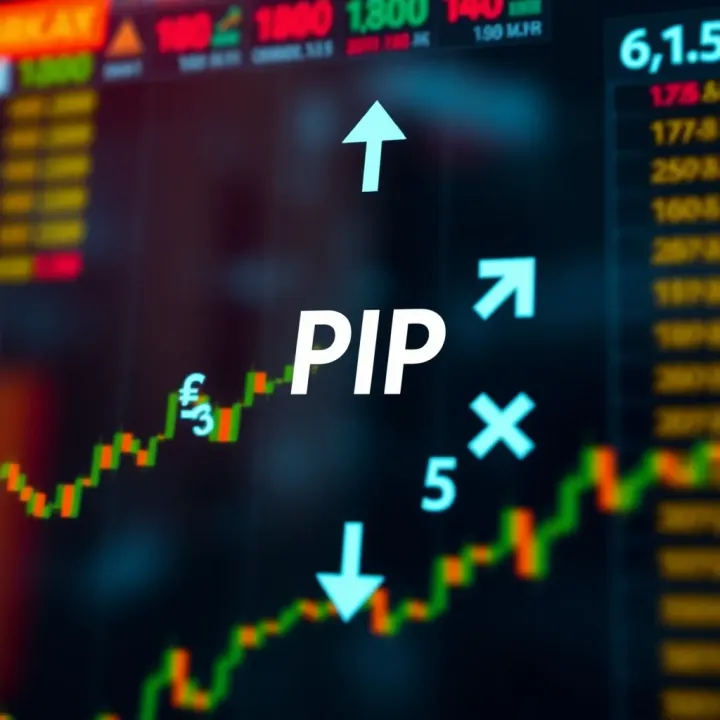
Learn how pip affects your forex trades in Nigeria 🇳🇬, calculate its value accurately, and manage risks to protect your ₦ investments wisely in the currency market 💱.
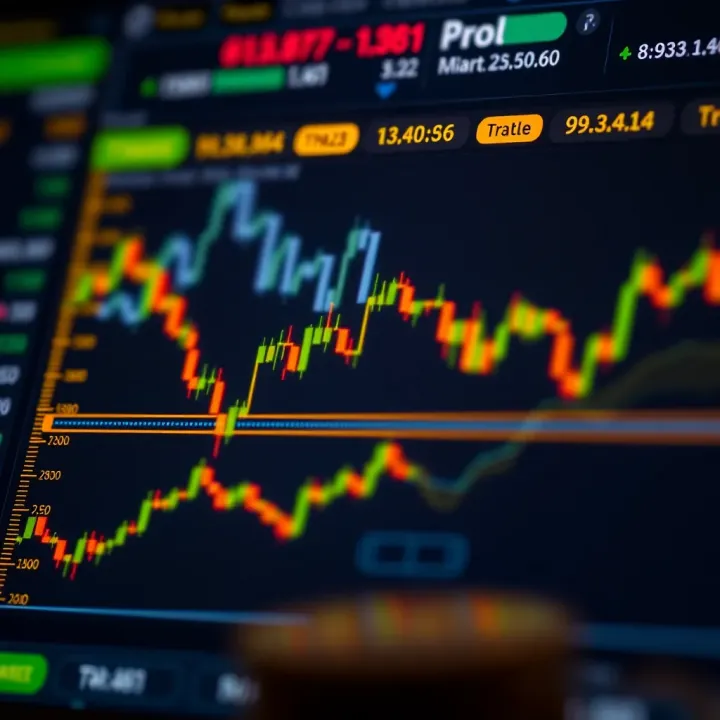
📈 Explore forex trading basics in Nigeria: currency pairs, market players, strategies, risks, and tips for beginners aiming to trade confidently with ₦. Learn how this market works now!
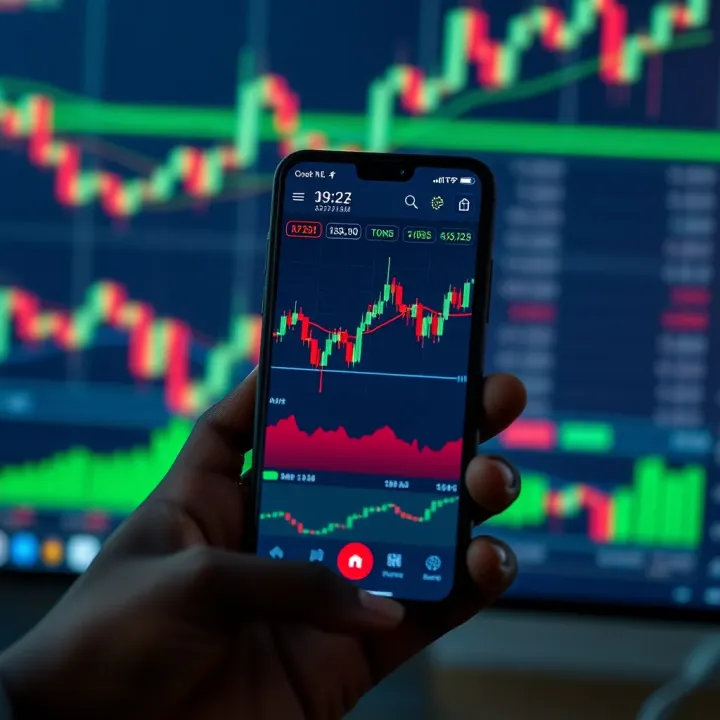
Find the best forex trading app for Nigerians 🇳🇬 with key tips on features, security, and how to boost your mobile trading game for better ₦ gains.
Based on 11 reviews