
Beginner's Guide to Forex Trading in Nigeria
🌍 Discover forex trading basics in Nigeria! Learn market terms, pick the right broker, manage risks, and avoid common beginner mistakes today.
Edited By
Emily Watson
Forex trading offers an opportunity to tap into global currency markets right from Nigeria. It involves buying and selling currency pairs, such as the US dollar against the Nigerian naira (USD/NGN), aiming to profit from fluctuations in exchange rates. But before you jump in, it’s vital to understand how the forex market operates and what factors influence currency values.
The forex market is the largest and most liquid financial market worldwide, with trillions of dollars traded daily. Unlike the Nigerian stock market, forex trading runs 24 hours a day during weekdays because currency markets follow business hours across different time zones.
Understanding forex basics helps you avoid costly mistakes and build steady confidence. Just like navigating Lagos traffic, knowing the road helps you get to your destination faster and safer.
Currency Pairs: Currencies are traded in pairs (e.g., EUR/USD, GBP/USD). The first currency is the base, and the second is the quote. The price shows how much of the quote currency you need to buy one unit of the base currency.
Leverage: Nigerian brokers often offer leverage, meaning you can control a large position with a small amount of capital. This can boost profits, but also magnify losses.
Spread: This is the difference between the buying (ask) and selling (bid) price. Brokers earn through spreads, so a tight spread is preferable.
Volatility: Forex markets can see quick price swings due to economic news, political events, or central bank decisions, including those by the Central Bank of Nigeria (CBN).
Educate Yourself: Begin with understanding essential terms like pips (smallest price changes), lots (trade sizes), and margins (collateral for trades).
Choose a Reliable Broker: Look for brokers regulated by NSE or reputable international bodies. Local experience and payment options like bank transfers or Paystack can be advantages.
Open a Demo Account: Practice trading with virtual money. This builds skill without risking your ₦.
Start Small: Trade with manageable amounts. Even ₦10,000 can be a starting capital.
Develop a Trading Plan: Set clear goals, risk limits, and entry/exit rules.
Monitor Markets: Stay updated on events affecting currencies, including CBN policies, Nigerian inflation reports, or petrol subsidy news.
By starting carefully and understanding these fundamentals, Nigerian beginners can position themselves to trade forex wisely rather than chasing quick profits blindly. The journey requires patience and consistent learning, but the rewards can be quite real.
Grasping the basics of forex trading is essential for anyone aiming to navigate this market confidently. For Nigerian traders, understanding how forex works provides a foundation to make informed decisions rather than relying on guesswork or hearsay. This clarity reduces costly mistakes and helps you identify real opportunities amid the market noise.
Forex trading involves buying one currency while simultaneously selling another. It's a global marketplace where participants—from commercial banks to individual traders—exchange currencies. Its primary purpose is to facilitate international trade and investment but also offers a platform for profit through currency value fluctuations. For instance, a Nigerian trader may buy the US dollar against the naira if expecting the dollar to strengthen, potentially earning from the price movement.
Currencies traded in forex are grouped into major, minor, and exotic pairs. Globally, currencies like the US dollar (USD), euro (EUR), British pound (GBP), and Japanese yen (JPY) dominate. Locally, the Nigerian naira (NGN) often pairs with the USD because of Nigeria's significant trade and remittance links with the United States. Knowing which currencies are traded helps you focus on pairs with good liquidity and lower spreads, a must for beginners aiming to enter trades efficiently.
Forex differs from other investments such as stocks or real estate mainly by its liquidity and 24-hour nature. Unlike shares on the Nigerian Stock Exchange (NGX), forex markets operate continuously during global business hours, allowing Nigerian traders to participate beyond local market times. Also, forex trading does not involve owning physical assets; instead, it’s speculation on currency movements, making it faster to enter and exit positions compared to more traditional investments.
Forex trading happens during specific sessions aligned with different financial centres: London, New York, Tokyo, and Sydney. Because Nigeria shares some overlap with London market hours, the early afternoon period can be particularly active, offering greater volatility and trading opportunities. Understanding these sessions guides when to trade, especially for siblings who may be juggling day jobs and trading in the evenings.
Currency pairs are at the heart of forex trading. A pair like USD/NGN represents how much naira it costs to buy one US dollar. Quotes come in two prices: the bid (price at which you can sell) and the ask (price at which you can buy).
Moreover, the difference between the bid and ask price is the spread, which acts like a cost to enter the trade. Spreads can be narrow, like with major pairs (e.g., EUR/USD), or wider with exotic ones such as USD/NGN because of less liquidity. As a trader, recognising how bid, ask, and spread affect your potential profits is vital. For example, paying a wide spread on a quick trade may eat up your gains, so timing and pair choice matter.
Understanding these underlying mechanics empowers you to trade smarter and to avoid common pitfalls, especially those tied to costs and session timing.
By mastering basic concepts—from what forex is to how exactly the market functions—you lay down a solid groundwork. That foundation enables you to build strategies and skills fit for Nigeria’s specific forex trading environment.
Mastering key forex terms is vital for beginners looking to trade confidently and effectively in Nigeria's dynamic market. Knowing the language of forex helps you understand broker platforms, follow market analysis, and execute trades with clearer judgement. Without this foundation, you risk confusion or costly mistakes.
Pip, lot size, leverage, margin are among the core terms every trader should grasp. A pip, short for "percentage in point," measures the smallest move in currency price—usually the fourth decimal place. For example, if USD/NGN moves from 410.5000 to 410.5100, that's a one-pip increase. Understanding pips helps you calculate profits or losses.
Lot size refers to the amount you trade. A standard lot is 100,000 units of the base currency, but mini and micro lots let you start smaller, ideal for Nigerian traders low on capital. Then there is leverage — this lets you control bigger trades with less money, say 1:100 means ₦10,000 controls ₦1,000,000 worth of forex. However, leverage can amplify losses.
Margin is the collateral you must hold with your broker to open a position. Say you want to trade ₦1 million with 1% margin; you only need ₦10,000 on hand. Still, margin calls can happen if trades go against you, so it’s crucial to manage it carefully.
Long and short positions are simple yet powerful concepts. Going long means you buy a currency pair expecting the base currency to rise in value. For instance, if you think USD will strengthen against NGN, you buy USD/NGN. Profit comes when the exchange rate increases. On the other hand, short means you sell first, aiming to buy back at a lower price, betting the currency will weaken. This flexibility lets you profit in both rising and falling markets.
Stop loss and take profit orders protect your capital and lock gains without needing to watch trades constantly. A stop loss automatically closes your position if the price moves unfavourably to a set level, limiting your loss.
For example, if you buy EUR/USD at 1.2000, you might set a stop loss at 1.1950 to cap your loss at 50 pips. A take profit order closes the trade once your target price—say 1.2100—is hit, ensuring profits before the market reverses.
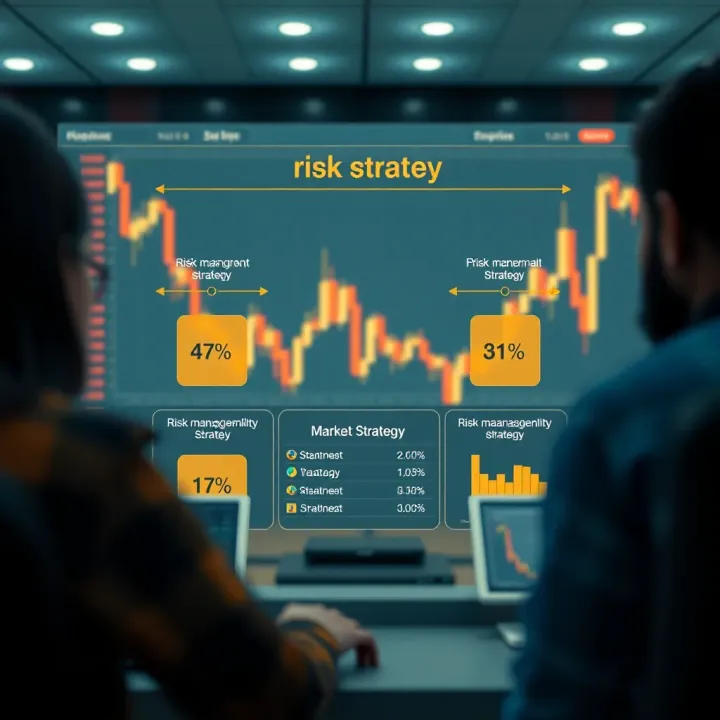
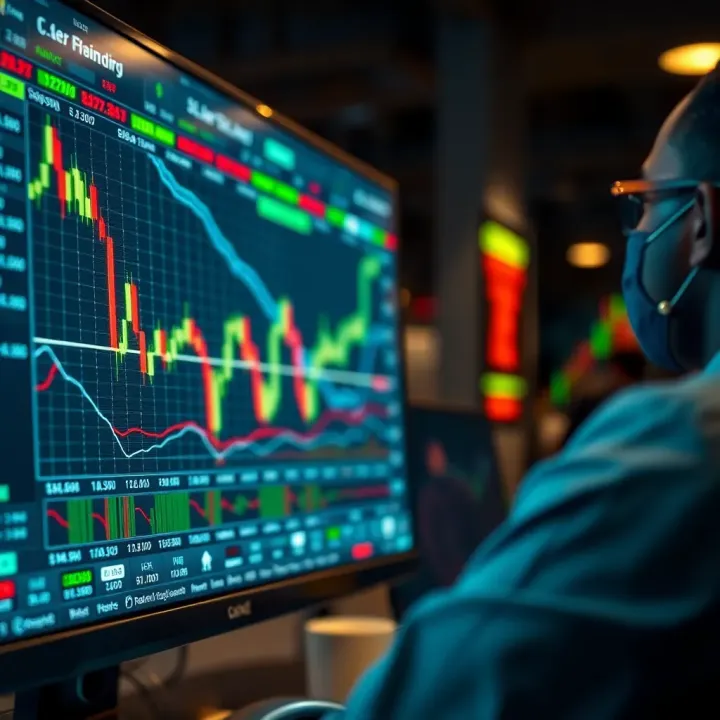
You cannot trade properly without reading charts, the visual record of price action. Candlestick patterns help you spot market sentiment at a glance. Each candle shows open, close, high, and low in a time frame. Recognising patterns like "doji" or "hammer" can signal market indecision or reversals, a handy edge for smart Nigerian traders.
Popular technical indicators in Nigeria include the Moving Average (MA), Relative Strength Index (RSI), and Bollinger Bands. These tools analyse price trends and volatility. For example, RSI tells you if a currency pair is overbought or oversold, guiding entry or exit decisions.
Interpreting price trends and signals means combining chart patterns with indicators to decide trade direction and timing. If MA lines cross upwards and RSI is below 70, it may suggest a buy opportunity. Such signals reduce guesswork and improve consistency.
Understanding these terms and chart basics not only boosts your confidence but also helps you avoid common pitfalls in Nigerian forex trading, where the market can be as unpredictable as Lagos traffic.
Having this vocabulary at your fingertips ensures you’re no longer just watching prices go up and down—you’re reading the market like a pro, ready to make calculated, profitable decisions.
Starting forex trading in Nigeria requires a clear understanding of specific steps that ensure safety, efficiency, and profitability. This section guides you through practical actions needed to set up your trading journey right. From picking the right broker to handling your account, these steps are the foundation of successful trading within the local Nigerian context.
Selecting a trustworthy forex broker is the first step. Given the rise of scams in the Nigerian market, it's important to pick a broker registered with the Securities and Exchange Commission (SEC) Nigeria or regulated internationally by bodies like the Financial Conduct Authority (FCA). Brokers like FXTM, HotForex, and OctaFX provide transparent fee structures, local customer support, and smooth naira (₦) transactions.
A good broker should offer competitive spreads, swift execution speeds, and clear terms. For instance, some Nigerian traders prefer brokers who allow bank transfers directly from Nigerian banks such as GTBank or Access Bank, ensuring easier funding and withdrawal. Avoid brokers promising guaranteed profits or unrealistic returns — these are usually red flags.
After choosing a broker, you need to register by providing basic personal details and verifying your identity. This step helps prevent fraud and complies with Know Your Customer (KYC) regulations essential in global finance. Brokers typically request government-issued ID like your National Identification Number (NIN) card or valid international passport, alongside proof of address such as recent utility bills.
This verification might seem tedious, but it protects your funds and ensures your account is secured against unauthorised access. Some brokers use this to monitor suspicious activities, which safeguards you from scams that are rampant in the forex space.
Funding your forex account with Nigerian Naira should be secure and straightforward. The best brokers offer multiple payment methods, including bank transfers, debit cards, and local payment apps like OPay or Flutterwave. Avoid using unfamiliar or untraceable payment channels.
For example, if you fund with ₦50,000 through GTBank transfer, the process should reflect in your trading account within minutes or hours at most. Monitor for fees attached to deposits and withdrawals, as high costs can cut into your earnings over time. Always confirm that your broker supports naira transactions to avoid unnecessary currency conversion losses.
MetaTrader 4 and 5 are the most popular platforms for forex trading worldwide, including Nigeria. They provide user-friendly interfaces, real-time price charts, technical indicators, and various order types. Nigerian traders benefit from their compatibility with mobile and desktop devices.
You can easily customise charts and set alerts for currency pairs like USD/NGN or EUR/USD. Knowing how to switch timeframes, apply trend lines, or use indicators like RSI or Moving Averages helps you spot trade opportunities relevant to the Nigerian naira market.
Trading platforms allow you to place different types of orders—market orders (buy or sell immediately) and pending orders (set to execute when price hits a certain level). Managing these orders involves adjusting stop-loss and take-profit levels to control your risk and lock in profits.
For instance, if you buy the USD/NGN pair at ₦460, you might set a stop loss at ₦455 to limit potential loss and a take profit at ₦470 to secure gains. Being familiar with these functions ensures you don't unintentionally leave trades open to large losses.
Most brokers offer demo accounts that let beginners trade with virtual money. This is especially useful to understand platform navigation, test strategies, and gauge market movements without risking real naira.
Using a demo account several times after registration builds confidence. For example, you could simulate trading during volatile periods like after CBN policy announcements. Once comfortable, transitioning to live trading becomes smoother and less costly.
Starting your forex trading journey the right way saves you from costly mistakes. Reliable brokers, proper account setup, and mastering platforms through demo accounts are critical steps that protect your investments and improve your chances of success.
In forex trading, managing risks is what separates a savvy trader from one who consistently loses money. The Nigerian forex market, with its unique challenges like currency volatility and sometimes unpredictable economic policies, demands a cautious approach. Understanding risk management and spotting common pitfalls can shield you from heavy losses and scams that often target beginners.
Setting appropriate stop losses is one of the smartest moves you can make. This tool lets you cap your losses on any trade by automatically closing your position once the price hits a certain level. Say you buy the USD/NGN pair at ₦450 and set a stop loss at ₦440; if the price falls to that point, your trade exits, preventing further loss. Without stop losses, emotional decisions often take over, leading you to hold losing trades for too long—something many Nigerian traders fall victim to during the volatile embers months.
Diversifying your trades helps reduce risk by spreading your investment across different currency pairs or trading strategies. Relying on just USD/NGN might expose you to risks from naira fluctuations or strict CBN policies. Adding pairs like EUR/USD or GBP/USD can balance this out because their movements often don't correlate directly with the naira. This approach is similar to how investors diversify by including stocks from various sectors; it cushions your portfolio against shocks in any single market.
Limiting leverage exposure is critical in forex trading, especially in Nigeria where high leverage might seem tempting for quick profits. Leverage lets you control large amounts of currency with little capital, but it also magnifies losses. Beginners often fall into the trap of using the maximum leverage offered by brokers, risking their entire capital in a few trades. Practically, sticking to modest leverage ratios like 1:10 or 1:20 helps you manage loss potential without wiping out your account overnight.
Unregulated brokers and fake signals frequently entrap new traders. Many brokers advertise from overseas or use flashy ads promising easy profits, but lack proper regulation by Nigerian authorities like the Securities and Exchange Commission (SEC). Using unregulated brokers means you might never recover your funds if the broker disappears or manipulates the platform. Fake signal providers sell alerts to buy or sell currency pairs without any reliable basis, often leading you to take losses. Always verify broker licences and avoid signals from unknown sources.
Promises of guaranteed profits should raise immediate red flags. Forex trading involves real risk; no legitimate trader or organisation can promise 100% wins or fixed returns, unlike some dubious online schemes that sprout here and there. If someone offers you a “secret” strategy that guarantees ₦100,000 monthly income with ₦50,000 investment, it's most likely a scam. Learning and consistent effort remain the only reliable path to profitability.
Protecting yourself against fraud requires vigilance and education. Avoid sharing sensitive information like your bank details or account passwords to anyone. Use platforms that incorporate two-factor authentication to secure your trading accounts. Nigerian traders should also be wary of unsolicited calls or messages pushing forex investments or crypto schemes. Always research, ask for reviews, and consult reputable forums or communities before making financial decisions.
Managing risks is not just about protecting money—it’s about building confidence and discipline that will serve you well throughout your forex journey.
Trading forex without a clear risk management plan is like crossing busy Lagos roads blindfolded; you might get lucky, but chances are you’ll end up regretting it. Take risk management seriously to keep your trading sustainable.
Building a solid forex trading strategy helps you navigate the market with focus and discipline. It guides when to enter and exit trades, how much risk to take, and which style suits your personality and schedule. Without a clear plan, many traders in Nigeria fall prey to impulse decisions or scams promising quick profits.
Day trading involves buying and selling currencies within the same day, often closing all positions before the market closes. It requires constant attention and quick decision-making. This style suits people who can dedicate several hours daily and thrive under fast-paced conditions, like traders in busy Lagos commercial districts who can monitor charts between meetings.
Swing trading, on the other hand, holds positions from several days to weeks. It fits those who can’t watch the screen all day but want to benefit from medium-term price movements. For example, a worker in Abuja trading after office hours might prefer swing trading to avoid stress and gain more flexibility.
Scalping means making dozens or hundreds of trades daily to grab small profits from minor price changes. It demands lightning-fast execution and tight risk controls to avoid big losses. Scalpers rely on platforms with low latency and low spreads. While scalping can be profitable, Nigerian traders should consider the cost of internet data and power outages which sometimes disrupt timely trades.
This style involves holding trades for weeks or months to capitalise on major trends, such as shifts in naira-dollar rates influenced by monetary policy changes from the Central Bank of Nigeria (CBN). Position traders spend less time monitoring charts daily but need patience and strong analysis skills to ride out market swings without panic. It suits investors with a strategic vision rather than day-to-day trading excitement.
To sharpen your skills, enroll in practical forex courses that explain chart reading, risk management, and Nigerian market peculiarities. Reputable platforms like Babypips offer free beginner-friendly lessons. Locally, some forex educators tailor content considering Nigerian regulations, brokers, and forex tax implications to round out your understanding.
Joining active Nigerian forex groups on social media or forums helps you exchange ideas, spot scams early, and keep motivated. Make sure to engage with communities focused on real trading experiences, such as those moderated by established forex educators or traders linked to Financial Literacy NGOs. These groups become valuable for sharing market insights related to the naira, CBN policies, and local broker reviews.
Currency markets react strongly to events like CBN rate changes, naira devaluation, or Nigeria’s import policies. Regularly check updates from credible Nigerian financial news sources and economic reports. This knowledge helps you anticipate market moves rather than react late, giving you a sharper trading edge.
A consistent strategy backed by solid learning and local market knowledge increases your chances of long-term forex success over chasing quick wins or unreliable tips.
🌍 Discover forex trading basics in Nigeria! Learn market terms, pick the right broker, manage risks, and avoid common beginner mistakes today.

Ready to start forex trading in Nigeria? 🌍 Learn key basics, strategies, and risk tips to trade currencies confidently in the 24/7 global market. 💹
Learn how to start forex trading in Nigeria safely 🇳🇬. Understand currency factors, pick the right brokers, manage risks, and navigate local regulations. 💹
Explore the best forex trading options in Nigeria 🇳🇬! Learn how to pick brokers, understand regulations, manage risks, and create winning strategies.
Based on 13 reviews