
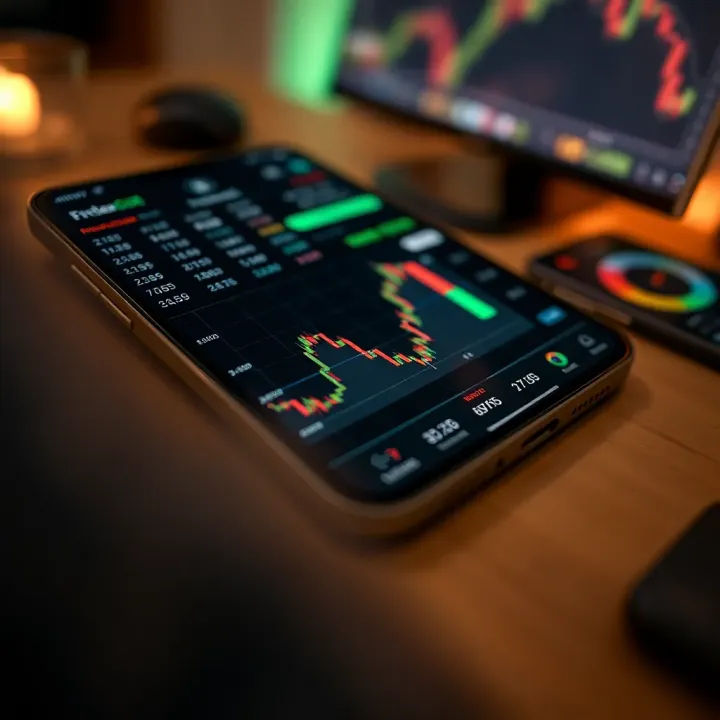
Best Forex Trading Apps for Nigerian Traders
Discover how Nigerian traders can pick the perfect Forex app ✅ Explore features, security, costs & get tips to trade smarter in Nigeria 🇳🇬📈
Edited By
Isla Robinson
Forex trading in Nigeria presents both exciting opportunities and serious challenges. While the market offers chances to grow your ₦, success doesn't just come from guesswork or following random tips. Traders who perform well stick to some practical strategies tailored to our financial environment.
Unlike other investment options, forex requires understanding how currency pairs behave, especially amid Nigeria's unique economic signals like naira fluctuations, Central Bank of Nigeria (CBN) policies, and local demand for forex.

Successful Nigerian traders pay close attention to these factors:
Market timing: Knowing when to buy or sell based on global events and Nigeria’s economic calendars can save you from losses.
Risk management: Using stop-loss orders and ensuring you never put too much of your capital at risk on one trade guards you against sudden market swings.
Adaptation to local realities: Electricity costs, internet reliability, and even access to reliable brokers influence how you plan your trades.
Real profits come from discipline, understanding market cues, and managing emotions as much as from spotting trends.
This article unpacks essential secrets like reading price action within our context, safe ways to leverage your trading, and how to avoid common pitfalls Nigerian traders fall into. Whether you rely on platforms like Oanda Nigeria or local fintech integrations for your forex dealings, the right approach makes all the difference.
Knowing the background of forex market dynamics in Nigeria helps you craft your strategy—not just copy others’ ideas. From anticipating naira volatility during ember months to staying alert when CBN adjusts the monetary policy rate, awareness builds your edge.
In the chapters ahead, you will find tools and real-life examples that will help you trade confidently and protect your investments from the common traps. Get ready to arm yourself with insider knowledge that seasoned professionals use to move ahead in forex trading.
Understanding the basics of forex trading is a must-have foundation for anyone looking to succeed in Nigeria’s forex market. Without solid grasp, new traders often find themselves lost in jargon and making costly mistakes. Getting to know core concepts like currency pairs, market operations, and key terms can prevent unnecessary losses and boost trading confidence.
Forex trading, simply put, involves buying one currency while simultaneously selling another. These come in pairs, such as USD/NGN or EUR/USD. Each pair reflects how much one currency is worth compared to the other. For instance, the USD/NGN pair tells you how many naira one US dollar can buy at that moment. This is important because fluctuations in this rate present trading opportunities.
The forex market operates on a global scale, running 24 hours from Monday to Friday across different time zones. From the opening bell in Sydney, through London, to New York, traders constantly react to economic events and news. In Nigeria, markets respond keenly to developments such as CBN policy shifts or crude oil price changes, which influence the naira’s value.
Major currencies like the US dollar, euro, British pound, and Japanese yen dominate global forex trading. The Nigerian naira also plays a unique role, especially in localised trading platforms. Its volatility combined with Nigeria’s economic factors creates both risks and chances. Knowing the interplay between global majors and the naira helps traders anticipate price swings more effectively.
Several terms recur often in forex discussions, and appreciating their meaning sharpens trading decisions. Pips, for example, represent the smallest unit change in a currency pair’s exchange rate, usually four decimal places. Lots define the size of a trade – a standard lot equals 100,000 units of the base currency, though mini and micro lots make trading accessible with less capital. Leverage lets you control a larger position with a smaller deposit, but it also magnifies potential losses, making margin management critical.
Forex trading involves different markets, primarily the spot and futures markets. The spot market involves immediate exchange at current prices, which most retail traders prefer. Futures contracts, by contrast, lock in prices for trading at a future date. For Nigerian traders mainly focused on quick transactions, the spot market is simpler and more straightforward.
The bid-ask spread is the difference between the price at which you can sell (bid) and buy (ask) a currency pair. This spread is essentially the broker’s commission and liquidity indicator. A tighter spread means lower costs and easier entry or exit from trades. Given Nigeria’s sometimes limited market liquidity for certain currency pairs, understanding the spread helps manage trading expenses properly.
Grasping these basics equips you with practical knowledge to navigate Nigeria’s forex market effectively, avoiding common pitfalls and sharpening your trading edge.
Remember: Always monitor naira rates alongside global currencies for best trading decisions.
Use leverage with caution to prevent sudden losses in volatile periods.
Prioritise spot market trading if new to forex, due to its simplicity and immediacy.
This foundational understanding will set you on the right path to making informed and strategic trades for your financial goals.
Grasping forex charts is a must for any Nigerian trader aiming to navigate the market effectively. These charts visually represent currency price movements over time, helping you spot opportunities and risks. Without knowing how to interpret them, trading becomes more like guessing than a calculated venture.
Line charts offer a simple view by connecting closing prices. For beginners, this can clarify overall direction without getting swamped in details. However, they might miss finer price movements important for short-term decisions.
Bar charts display opening, high, low, and closing prices, giving a fuller picture of each time period's price action. This makes them very useful for tracking volatility. Imagine tracking ₦/US$ fluctuations during volatile periods like before CBN policy changes—bar charts can reveal the day’s price range clearly.
Candlestick charts combine simplicity and detail. They use colour blocks to show whether prices closed higher or lower than they opened, often revealing patterns that hint at upcoming market moves. Traders especially in Nigeria’s volatile currency environment prefer these charts for spotting reversal or continuation signals.
Choosing the right time frame for your trading style is key. Day traders who try to profit from short bursts might prefer 5-minute or 15-minute charts to time entries and exits precisely. On the other hand, swing traders who hold positions for several days benefit from daily or 4-hour charts to understand broader trends. For example, an investor reacting to an oil price report affecting the naira might watch daily charts to spot emerging trends rather than getting lost in minute-by-minute noise.
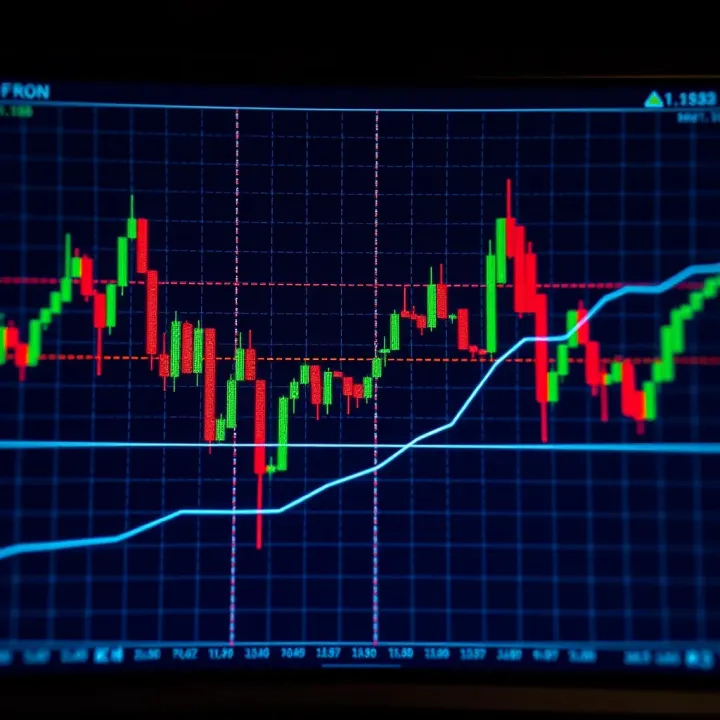
Support and resistance levels are the price points where currency pairs typically stop falling or rising. Think of support as the floor and resistance as the ceiling of price movement. Recognising these helps you set entry and exit points. In the Nigerian market, where naira fluctuations can be sudden, spotting these levels helps prevent getting caught off-guard.
Common chart patterns such as head and shoulders, double tops, or triangles carry implications about market direction. For instance, a double top might signal a coming drop in a currency pair, which traders can use to adjust positions or lock in profits. Knowing these patterns sharpens your ability to predict what market behaviour might come next.
Moving averages smooth out price data, filtering noise and indicating trends. The Relative Strength Index (RSI) shows if a currency is overbought or oversold, which helps decide when to buy or sell. Imagine using RSI to check if the GBP/NGN rate has been pushed too high or low during political events to choose your trade timing.
MACD (Moving Average Convergence Divergence) signals trend changes and strength, while Bollinger Bands measure price volatility. Both can highlight moments when price is likely to break out or reverse, useful in Nigeria's often unpredictable forex market.
However, avoid indicator overload. Relying on too many signals can cause confusion rather than clarity, leading to hesitation or wrong calls. Focus on a few well-understood indicators that suit your trading style rather than chasing every new tool.
Mastering forex charts is like understanding the road signs on a busy Lagos expressway: knowing where to slow down, watch out, or speed up can save you from costly mistakes.
Reading charts effectively blends understanding different chart types, picking suitable time frames, spotting trends and patterns, and applying indicators wisely. With practice, this skill becomes your foundation for better trading decisions in the Nigerian forex scene.
Trading forex in Nigeria requires strategies that take into account the country's unique economic and political environment. Practical forex trading strategies help Nigerian traders manage risks, understand local market influences, and develop a consistent approach tailored to their goals. These strategies improve decision-making and increase chances of profit even amid naira volatility and shifting government policies.
Setting stop-loss and take-profit levels is fundamental for protecting your capital. Stop-loss limits the maximum loss by automatically closing a trade at a set price, preventing emotional decisions during market swings. For instance, if you buy the USD/NGN pair at ₦610 and place a stop-loss at ₦600, your loss caps at ₦10 per dollar even if the market turns unfavourable. Similarly, take-profit locks in gains once the price hits your target, ensuring profits are realised rather than lost to reversal.
Managing leverage responsibly is critical given how leverage can amplify both profits and losses. While brokers may offer high leverage, such as 1:100 or more, using excessive leverage can quickly wipe out your investment if the market moves against you. Nigerian traders should stick to moderate leverage levels that fit their risk appetite, ensuring they don’t overexpose themselves, especially given naira’s frequent volatility.
Position sizing for sustainable trading means adjusting the trade size based on your account size and risk tolerance. Traders typically risk only 1–2% of their capital per trade; for instance, if your trading account holds ₦100,000, risking ₦1,000–₂,000 per position is wise. This approach helps preserve capital against bad trades and allows you to stay in the market long-term.
Impact of CBN policies and interest rates cannot be overstated. The Central Bank of Nigeria’s decisions on monetary policy affect naira liquidity and investor confidence, influencing forex rates. For example, a hike in the CBN’s Monetary Policy Rate (MPR) often strengthens the naira as it attracts foreign portfolio flows, while a cut might weaken it.
Oil prices and naira volatility are closely linked since Nigeria’s economy is oil-dependent. When crude oil prices fall, the naira typically weakens due to reduced forex inflows from oil exports. Conversely, rising prices can boost the naira’s strength. Traders must watch global oil markets closely as it directly affects naira exchange rates.
Political events and market sentiment shape investor confidence. Elections, policy changes, or unrest often trigger market swings. For instance, during Nigeria’s recent elections, the naira faced pressure amid uncertainty. Understanding these events enables traders to anticipate shifts and position their trades accordingly.
Choosing between day trading and swing trading depends on your available time and risk tolerance. Day trading requires active monitoring and quick decisions, suited to those with flexible schedules. Swing trading, holding positions for days or weeks, fits those who prefer analysing longer trends without constant screen time.
Incorporating news and economic data keeps your strategies relevant. Using Nigerian economic releases such as inflation reports, trade balances, and CBN announcements alongside global data helps you understand market movements better. Reacting promptly to such information can enhance trade timing.
Keeping a trading journal for improvement is often overlooked but vital. Recording the details of each trade—entry, exit, rationale, and outcome—helps identify patterns in your performance. This self-review promotes discipline, reveals mistakes to avoid, and sharpens your trading edge over time.
Practical and disciplined approaches, matched with an understanding of Nigeria’s economic context, greatly improve forex trading success in our markets.
Many Nigerian forex traders jump into the market with high hopes but fail to realise that certain common mistakes can seriously dent their chances of success. Avoiding these pitfalls isn’t just about staying afloat—it’s about sustaining growth over time in a volatile market like forex. From emotional decision-making to falling victim to scams, recognising and steering clear of these errors will sharpen your strategy and protect your capital.
Emotional trading traps often catch Nigerian traders unaware. For instance, when naira suddenly weakens due to a CBN policy shift or oil price drops, it is tempting to respond impulsively with more trades, hoping to recoup losses fast. This reaction is usually steeped in fear or greed, which clouds judgment and leads to poor timing and bigger losses.
Discipline and patience form the backbone of successful trading. Instead of chasing every market move, setting clear trading rules—such as not exceeding a certain number of trades per day or sticking to preset stop-loss orders—helps contain risk. Experienced traders know that waiting for the right setup beats frantic trading. Keeping emotions in check means focusing on strategy, not the rollercoaster of daily market noise.
Verifying a broker’s credentials before committing funds is essential for Nigerian traders. Always check if the broker is licensed by credible bodies like the Securities and Exchange Commission (SEC) Nigeria or internationally recognised regulators. This due diligence protects you against fraud and ensures your money is safer.
Red flags in online forex offers are unfortunately common. Promises of guaranteed profits, high leverage with little risk, or unsolicited invitations through social media may signal scam operations. Also, if a broker's platform is consistently inaccessible or experiences unexplained outages, it may be a warning sign. Remember, legitimate brokers operate transparently, with clear terms and good customer support.
Practice accounts and demo trading are vital tools that many new traders neglect. These platforms allow you to understand market mechanics and test strategies without risking real money. For example, using the MT4 or MT5 demo on brokers like FXTM or HotForex helps build confidence before actual trading.
Keeping up with both global economic trends and local developments is key, especially for Nigerian traders. Events like CBN interest rate changes, FX policy updates, or political elections can influence currency movements. Following reliable news sources and economic calendars ensures you’re not blindsided. Continuous education, through courses or mentorship, sharpens your edge and adapts your approach to evolving markets.
Avoiding these typical errors requires commitment but offers great rewards. It builds a solid foundation for any Nigerian trader serious about making consistent profits in forex trading.
Having the right tools and resources is essential for any trader aiming to succeed in Nigeria’s forex market. These resources offer not just convenience but also crucial insights and support to make smarter decisions. With the volatility of the naira and the unique economic factors affecting Nigeria, the proper use of trading platforms, market news, and mentorship can really sharpen your trading edge.
MetaTrader 4 (MT4) and MetaTrader 5 (MT5) remain the most popular platforms among Nigerian traders due to their reliability and wide range of features. MT4 is favoured for spot forex trading because it offers powerful charting tools and a large portfolio of automated trading options. MT5, on the other hand, supports more advanced order types and a broader asset range, including stocks and commodities, which could suit traders wanting to diversify.
Other platforms like cTrader and TradingView have gained traction for easy navigation and intuitive interfaces. While MT4 and MT5 are standard, experimenting with alternatives can help you find a platform that fits your trading style better.
Owing to the nature of the Nigerian market, where power outages and busy lifestyles are common, mobile trading apps are crucial. Apps from big names like MT4 and MT5 are accessible on Android and iOS, allowing Nigerians to trade on the go, monitor price changes, and execute trades anytime.
Local fintech platforms such as OPay and PalmPay also offer integrated forex services, combining ease of fund transfers with forex trading capabilities. These apps often use less data and load faster, which meets the practical needs of many Nigerian traders.
The Central Bank of Nigeria (CBN) regularly releases policy updates affecting interest rates, liquidity, and the naira’s value. Keeping an eye on CBN releases helps traders anticipate currency movements and adjust strategies accordingly. Nigerian market reports from financial news outlets offer ground-level perspectives on oil prices, political events, and local economic forecasts vital to forex trading.
Since forex is a 24-hour market, following global news from providers like Bloomberg, Reuters, and Forex Factory is advisable. These sources cover major events in the US, Europe, and Asia, which influence currency pairs involving the naira indirectly.
Pay special attention to the London and New York sessions, when liquidity peaks and major moves occur. Aligning your trading windows with these periods can increase your chances of spotting profitable opportunities.
Community support offers a practical way to exchange ideas and stay updated. Nigerian trading groups on platforms like Telegram and WhatsApp facilitate discussions on current market trends, share trading signals, and warn against shady brokers. Being part of these groups can provide real-time insights often missed in formal reports.
Finding a willing mentor with a strong track record can shorten your learning curve significantly. Experienced traders understand the local market quirks, including how events like fuel subsidy removals or election cycles affect currency movement. Learning directly from their successes and mistakes – whether through webinars, workshops, or personal coaching – prepares you better than solo trial and error.
Consistently using the right platforms, staying informed with reliable news, and engaging in a strong trading community will equip you with the edge Nigerian forex traders need to thrive.
Maintaining a curated set of tools and resources tailored for the Nigerian environment will boost your confidence and sharpen your decision-making, helping you avoid common pitfalls and seize real trading opportunities.
Discover how Nigerian traders can pick the perfect Forex app ✅ Explore features, security, costs & get tips to trade smarter in Nigeria 🇳🇬📈
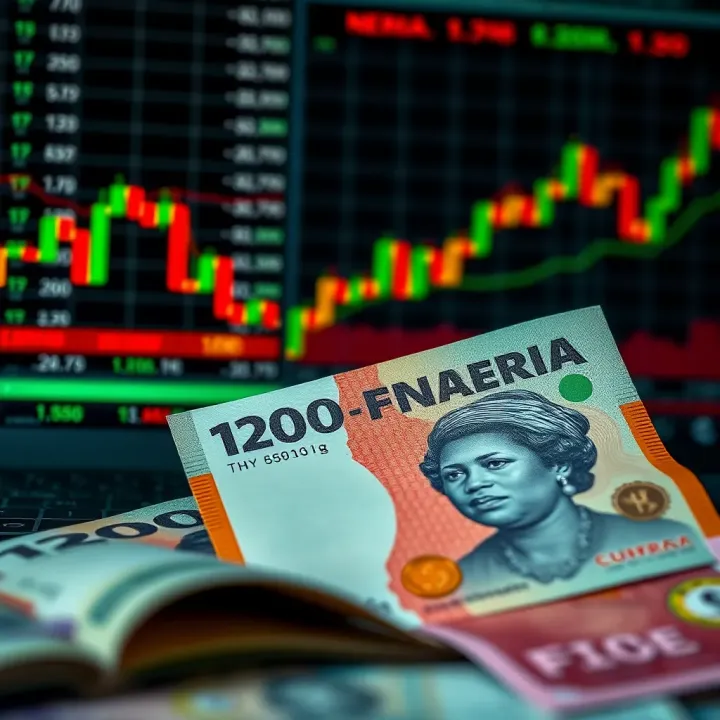
📈 Discover key forex trading tips for Nigerian traders! Learn how to pick reliable brokers, manage risks, and navigate Nigeria's forex regulations safely.
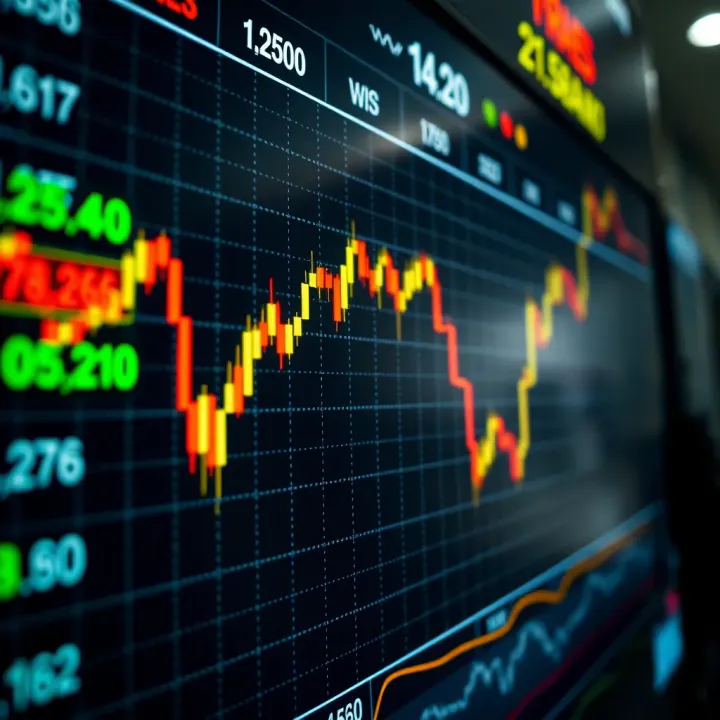
Explore the key advantages of forex trading for Nigerian traders, from flexible hours ⏰ and high liquidity 💧 to diverse currency options 💱 and smart risk management 🛡️.

📗 Discover top forex trading books tailored for Nigerian traders. Learn how to choose wisely and access local and digital resources to grow your trading skills confidently.
Based on 10 reviews