
Benefits of Forex Trading for Nigerian Traders
Explore the key advantages of forex trading for Nigerian traders, from flexible hours ⏰ and high liquidity 💧 to diverse currency options 💱 and smart risk management 🛡️.
Edited By
James Thornton
Forex trading has gained significant popularity among Nigerians, opening up opportunities for individuals seeking to grow their investments beyond traditional markets. However, the success of any trader largely depends on the tools they use, starting with the Forex trading app. With an overwhelming number of apps available, choosing the right one can feel like finding a needle in a haystack.
This article sets out to simplify that choice by highlighting the essential factors Nigerian traders should keep in mind when selecting a Forex trading app. From evaluating security measures and cost implications to understanding user experience and regulatory compliance in Nigeria, we cover everything needed to make an informed decision.
Understanding how these elements impact your trading can mean the difference between steady profits and costly mistakes. Whether you're a beginner or an experienced trader, finding an app that fits your trading style and offers reliable support is key. Let's break down the core features and considerations that will help Nigerian traders trade smarter and safer in the Forex market.
In a market flooded with options, clarity on what really matters in a Forex app is your best shortcut to success. This guide is crafted to point you directly to those must-have details.
Understanding how Forex trading apps work is a must for Nigerian traders diving into the currency market. These apps aren’t just gadgets; they’re the real deal tools that put the power of the global forex market right in your pocket. When you grasp the idea behind these apps, you’ll be better prepared to pick one that suits your trading style and helps you stay ahead.
A solid Forex app needs to cover your basic trading essentials without fuss. That means being able to execute buy and sell orders smoothly, showing your account balance and trade history clearly, and letting you track multiple currency pairs easily. Think about MetaTrader 4 or 5: they don’t just let you trade but also let you customize charts and indicators on the fly. These fundamentals make sure traders can watch the market and act fast without juggling different tools.
Forex moves fast – blink and you miss it. That’s why real-time data feeds and quick execution speeds are golden here. Imagine you’re trading USD/NGN and the rate shifts suddenly; if your app lags, you could end up buying at a worse price or missing a profitable sell point. Many Nigerian traders appreciate platforms like IG or FXTM because their apps grab price updates within milliseconds, keeping trades in sync with actual market moves. Fast data and execution mean fewer nasty surprises and better control.
Nobody wants to wrestle with complicated menus when the market’s buzzing. A clear, straightforward user interface makes all the difference. You want simple tabs for trading, charts, account info, and news. These should be easy to find and adapt to your phone’s screen. Apps like Pepperstone’s mobile platform score well because they keep menus intuitive and avoid clutter, helping you place trades quickly and confidently. If your trading app looks like a maze, you’re more likely to second guess yourself – not good when every second counts.
One big win for mobile Forex apps is obvious: you can trade anywhere, anytime. No need to be glued to your laptop or office desk. For Nigerian traders juggling busy schedules or moving around crowded cities, this freedom is priceless. You can keep an eye on the USD/EUR or GBP/USD pair during a lunch break or while commuting. Plus, alerts and notifications let you react to market news the moment it breaks, without waiting to open your desktop.
That said, mobile apps aren’t perfect copies of desktop platforms. Some advanced features or custom indicators might be missing or harder to use on a smaller screen. For example, in-depth technical analysis with multi-chart layouts is smoother on larger monitors. Also, prolonged use on mobile can drain battery and data quickly. Nigerian traders should weigh if they want an app mainly for on-the-go checks or if they’ll need a powerful desktop setup for serious strategy work.
Effective Forex apps also play nice with other financial tools like bank accounts, payment apps, or portfolio trackers. For instance, apps like AvaTrade allow easy linking to local payment options such as Paystack or Flutterwave, streamlining deposits and withdrawals in Naira. This integration means traders spend less time moving funds around and more time watching the market. Some apps even connect with tax software or budgeting apps, helping traders manage profits and losses without headaches.
Choosing the right Forex trading app is about understanding these essentials and matching them with your trading habits and needs. It’s less about flashy bells and whistles and more about practical reliability.
Choosing a forex trading app isn't just about flashy graphics or user-friendliness; what really matters is the core functionality and security features the app offers. For Nigerian traders, where market conditions and internet access can be a bit unpredictable, having the right tools under your fingertips can mean the difference between winning a trade and losing your shirt. This section digs into those essential features every solid forex app should have, focusing on security, trading tools, and solid user support.
Security is the backbone of any online trading platform, especially when you're dealing with actual money and sensitive information. First up, let's talk about encryption standards. Most reputable trading apps use 256-bit SSL encryption, the same security level that banks use. This means your data is turned into an unreadable code during transmission, making it near-impossible for hackers to snoop. Without this basic security, you’re basically leaving your account door wide open.
Then there’s two-factor authentication (2FA). This extra step isn't just a fad; it’s a lifesaver. It means even if someone cracks your password, they’d still need another verification step, like a code sent to your phone, before getting in. Apps like MetaTrader 4 and FXTM provide this feature, which drastically reduces unauthorized access risks.
Lastly, regulatory compliance is crucial. Nigerian traders should look for apps regulated by bodies like the Securities and Exchange Commission (SEC) Nigeria or international regulators like the FCA or CySEC. Regulatory oversight ensures the broker follows rules that protect clients, such as segregating client funds and regular audits. Going with unregulated platforms is like jumping off a cliff without a parachute.
Remember, a flashy platform without strong security is a trap for your money and peace of mind.
Forex trading is a fast game, and your app needs to keep up. Strong charting and technical analysis features are a must. Apps should offer multiple chart types—like candlestick, line, and bar charts—and indicators such as RSI, MACD, and Bollinger Bands. For example, the MetaTrader platform allows customizable charts that help traders spot trends and make informed decisions quickly.
Access to news and market insights can’t be overlooked either. Markets react to world events in a heartbeat, and having real-time news feeds within your app gives you a heads-up on economic releases or political developments. Apps like ThinkMarkets integrate live news streams, so traders don’t have to jump around different platforms just to stay informed.
Then there’s automated trading capabilities. For Nigerians who can’t stare at their screens all day, bots and expert advisors (EAs) that execute trades automatically are lifesavers. This feature is especially useful when you have a predefined strategy; it keeps you disciplined, following through on stops and limits without emotion getting in the way.
Money management with your broker should be painless. Ease of deposits and withdrawals means supporting popular Nigerian payment channels like Paystack, Flutterwave, or even direct bank transfers in Naira. If the app forces you to jump through hoops just to put in or take out money, that’s a red flag.
Support responsiveness matters more than you think. Imagine trying to fix a withdrawal issue or get guidance on a margin call, only to be stuck waiting for days. The best apps offer round-the-clock customer support via chat, phone, or email. FXPro and IG have support teams that Nigerians often praise for quick and clear help.
Lastly, look for generous educational resources. A good trading app isn’t just a tool; it’s your tutor. Tutorials, webinars, and trading guides help you learn and adapt, especially if you’re new to forex. Apps like AvaTrade provide step-by-step lessons that can boost your confidence and skillset, which is vital before you dive deeper into live trading.
Selecting the right forex trading app boils down to blending solid security, powerful tools, and dependable support that fits the daily realities of Nigerian traders. Skimp on any of these, and you might find yourself paying more than you bargained for on the trading floor.
When picking a Forex trading app, understanding the costs and fees you’ll encounter isn’t just important—it’s essential. These expenses directly impact your profit margins, so overlooking them can seriously hurt your trading outcomes. For Nigerian traders especially, where trading capital might be tighter and foreign exchange fees tend to add up, knowing exactly what you’re paying for makes a huge difference.
Costs go beyond just the surface-level charges. The spread, commissions, and even hidden fees can add sneaky layers of expense. By evaluating these thoroughly, traders can avoid surprises, better manage risk, and choose apps that truly align with their budgets and trading styles.
The spread is basically the difference between the buy (ask) and sell (bid) price of a currency pair. Think of it like a dealer’s markup—the tighter the spread, the cheaper it is to open and close trades. For example, if EUR/USD has a 1.2 pip spread, you'll pay a tiny bit more compared to a broker offering 0.5 pips. Over many trades, those extra pips can eat into profits.
For Nigerian traders, picking apps with competitive spreads is key, especially given the FX market's volatility. When spreads widen during off-peak hours or geopolitical events, costs can skyrocket unexpectedly, so checking how apps handle spread fluctuations is smart.
Some Forex apps charge a commission per trade instead of or in addition to spreads. Usually, this comes as a fixed fee or a percentage of the trade volume, especially with platforms offering ECN (Electronic Communication Network) accounts.
For instance, an app might charge $7 per lot traded, but offer razor-thin spreads. This could be better for active traders making large volume trades. On the flip side, occasional traders might prefer apps that bundle costs into wider spreads without separate commissions.
Understanding the commission model helps Nigerian traders decide what matches their trading frequency and style, avoiding overspending on unnecessary fees.
Some Forex apps sneak in withdrawal fees that can eat into your cash when you want to pull profits or move funds. These fees can be fixed per transaction or a percentage of the amount withdrawn.
For example, an app might charge ₦1000 per withdrawal regardless of size, which could hurt small withdrawals more. Others might waive fees above a certain amount, encouraging you to withdraw less often but in bigger chunks.
Knowing the withdrawal policies upfront helps Nigerian traders plan better and keep more of their earnings.
If you’re not trading regularly, some platforms slap on inactivity fees—monthly charges after a set period of no account activity. These can range anywhere from a few dollars to more substantial amounts.
This is especially relevant for part-time traders or those experimenting with different apps. Imagine signing up, testing an app for a month, then leaving it dormant, only to find a surprise inactivity fee months later.
Always check the terms for inactivity to avoid unexpected deductions from your trading account.
Remember: Transparency around fees isn't just a nice-to-have; it’s a must. Keeping tabs on all these costs ensures you’re not throwing good money after bad just because you didn’t read the fine print.
By carefully assessing spreads, commissions, hidden charges, and account minimums, Nigerian traders can make informed choices that save money and maximize trading efficiency.
Choosing the right Forex trading app makes a world of difference, especially for Nigerian traders who face unique market conditions and local financial system nuances. Understanding which apps are popular and why they resonate with Nigerian users is key to making a choice that fits practical needs, whether it’s ease of funding, currency support, or reliability.
When we talk about the top Forex trading apps in Nigeria, MetaTrader 4 and 5, IG, and FXTM come to the forefront. Each app has strengths tailored for Nigerian traders. For example, MetaTrader offers a robust community and broad broker support, FXTM shines with localized customer service, and IG provides a smooth user experience with in-depth market insights.
These apps enable traders to execute trades quickly with real-time pricing. What makes them stand out isn’t just feature-packed platforms but also how they address the local trader’s needs, such as calibration for lower bandwidths or availability in off-peak hours.
A major headache often overlooked is funding your trading account. The best Forex apps support Nigeria’s common payment methods like Quickteller, Paystack, and even direct USSD banking. This flexibility means no awkward conversions or slow bank wire delays.
Apps such as FXTM and Alpari allow quick deposits via local banks and sometimes even mobile money options, which saves time and avoids hefty transfer fees. Choosing a platform that plays nice with Nigerian payment gateways dramatically smoothens the deposit and withdrawal processes.
Not all Forex apps make it easy to work directly with the Nigerian Naira (NGN). Platforms like IG and FXTM provide direct Naira account options or at least allow seamless currency conversion, which drops currency exchange worries when depositing or withdrawing.
Furthermore, these apps sometimes support local market instruments like Nigerian equities or commodities, giving traders the option to diversify without juggling multiple platforms. For traders looking beyond pure Forex, this is a practical advantage.
Real feedback from Nigerians offers genuine insight. Common praise highlights apps with intuitive layouts and reliable uptime—MetaTrader 5, for instance, is often lauded for its balance of complexity and ease for all levels.
On the flip side, some traders mention occasional slow customer responses or glitches during high-volatility periods, a reminder that no app is perfect but some handle stress better. Checking app store ratings like Google Play or Apple Store reviews alongside trading forums can reveal patterns about reliability.
What Nigerian traders often applaud include quick trade execution, thorough educational content, and responsive support teams reachable via WhatsApp or live chat. For example, FXTM scores well for educational webinars tailored to African markets.
Complaints mostly revolve around hidden withdrawal fees or slow processing times, highlighting the need to read the fine print. Some users get frustrated with complex verification steps or limited features on the mobile version compared to desktop clients. These gripes underline why testing the app before going all-in is a wise move.
When picking a Forex app, it’s not just about flashy features – it’s how well the app fits within your everyday trading routine here in Nigeria.
By assessing app features, payment compatibility, and community feedback, Nigerian traders can find platforms that blend convenience with reliability. Such blends make trading less stressful and more about spotting opportunities than wrestling with tech glitches.
Understanding the regulatory environment is absolutely key for any Nigerian trader looking to choose the right Forex trading app. The landscape isn't just about rules on paper — it shapes how secure your trades are, what kind of protections you have, and how reliable your trading experience will be. In Nigeria, where scams can be rampant and some brokers operate in gray areas, knowing which authorities oversee Forex trading and what laws apply can save you a whole lot of headaches.
Central to Forex regulation in Nigeria is the Securities and Exchange Commission (SEC) and the Central Bank of Nigeria (CBN). The SEC primarily oversees the capital markets, ensuring brokers and platforms comply with market conduct regulations. The CBN, on the other hand, handles currency controls and financial stability issues. For example, CBN rules restrict currency transfers outside Nigeria to avoid capital flight, which can influence how Forex brokers manage local deposits and withdrawals.
When selecting a Forex trading app, it’s smart to check if the broker or app is licensed or recognized by SEC or CBN. Lack of such licensing should be a red flag because these authorities enforce minimum standards, protect traders from fraud, and provide legal recourse in disputes.
Trading Forex through apps introduces specific legal considerations. Nigerian law requires that any financial service provider must register and comply with local regulations, which include thorough verification of their operations and safeguarding client funds separately from company assets.
Additionally, apps that handle customer data must adhere to Nigeria’s Data Protection Regulation (NDPR), ensuring users' personal and financial data is protected. Failure to comply can mean apps are vulnerable to hacking or misuse of information, exposing you and your funds to risks.
Since Forex trading can expose you to financial loss, legal protections and clear terms of service in your chosen app are essential. Make sure your app discloses its regulatory status clearly.
Using unregulated Forex apps in Nigeria is like walking on thin ice. There have been numerous reports where traders lost their deposits because the platform disappeared or refused withdrawals. Without regulatory oversight, there’s no guarantee your money is safe or that the app follows industry best practices.
For instance, unregulated platforms often lack segregated accounts for client funds, meaning if the company goes bust, your funds might vanish along with it. Also, unregulated apps are less likely to offer dispute resolution channels, leaving traders stranded if things go south.
Apps regulated by Nigerian authorities or internationally recognized bodies like the Financial Conduct Authority (FCA) in the UK bring peace of mind. Regulatory oversight ensures that brokers meet capital requirements, follow ethical trading practices, and provide transparent pricing.
A regulated app often undergoes regular audits and stress tests to verify financial health and compliance, which means your trading experience is safeguarded against fraud or unfair practices. Additionally, regulated platforms tend to have clear policies on deposits, withdrawals, and account handling, making your trading activity smoother and more reliable.
In summary, prioritizing Forex trading apps with proper regulatory oversight isn’t just a technicality — it’s a critical step to protect your investment and ensure a trustworthy trading environment.
Maximizing the potential of a Forex trading app can seriously boost your chances of success in the Nigerian market. It's not just about having the app installed—it’s about setting it up right, managing your risks properly, and staying sharp with continuous learning. Small tweaks and smart habits often separate the casual traders from those consistently making gains. Let’s break down some practical tips and tricks you can apply today.
Using alerts and notifications wisely is like having a personal assistant keeping an eye on the market when you're busy. Setting price alerts for specific currency pairs ensures you never miss a good entry or exit point. For example, if you're monitoring the USD/NGN rate and set an alert for when it hits 460, the app will notify you instantly, enabling you to act swiftly. However, don’t go overboard; too many notifications can become noise and cause important alerts to get lost in the shuffle.
Setting up watchlists and favourites helps you streamline your focus. Rather than flipping through every pair available, tailor your watchlist to the Forex pairs you trade most or want to track. A Nigerian trader might add USD/NGN, EUR/USD, and GBP/USD as favourites, so they can quickly spot trends without wasting time. This setup reduces the risk of missing key moves and lets you allocate your attention where it counts.
Using stop-loss and take-profit orders is fundamental to preserving your hard-earned capital. Essentially, stop-loss limits your loss by automatically closing a trade when prices hit a certain level, while take-profit locks in profits when the market moves in your favour. For instance, if you buy EUR/USD at 1.1000, you might set a stop-loss at 1.0950 to cap a loss at 50 pips, and a take-profit at 1.1100 for a 100-pip gain. These orders help in preventing emotional decisions during volatile swings.
Tracking your performance consistently is something many neglect, but it’s key for improvement. Use your app’s reporting tools or export your trade history monthly to analyze win rates, average profit/loss, and common mistakes. This data shines a light on your patterns – maybe you’re great at scalping but weak in swing trades. Reflecting on this helps refine your strategy rather than trading blindly week after week.
Following market news within the app keeps you connected to real-world events impacting Forex rates. For a Nigerian trader, news about the Central Bank of Nigeria or global oil prices can instantly influence the Naira’s value. Many apps like MetaTrader and FXTM include integrated news feeds and economic calendars. Staying updated means you’re not caught off guard by sudden market shifts driven by announcements.
Participating in app-based trading communities offers a chance to share knowledge and get fresh ideas. Platforms like eToro or TradeStation have built-in social features where traders discuss strategies, latest market trends, and sometimes even local regulations. Joining these communities helps prevent feeling isolated and gives access to collective wisdom, which can be a huge advantage when navigating the sometimes unpredictable Forex market.
Smart trading isn’t just about knowing when to buy or sell—it hinges on how you organize your tools, manage your risks, and keep learning. Get these right, and your Forex app becomes more than a platform; it’s your trading partner on the go.
By applying these practical tips to your Forex trading app, Nigerian traders can turn everyday tools into powerful allies. Customization, risk control, and staying informed are no-brainers that can make a real difference in your trading journey.
Explore the key advantages of forex trading for Nigerian traders, from flexible hours ⏰ and high liquidity 💧 to diverse currency options 💱 and smart risk management 🛡️.
📈 Discover key forex trading tips for Nigerian traders! Learn how to pick reliable brokers, manage risks, and navigate Nigeria's forex regulations safely.
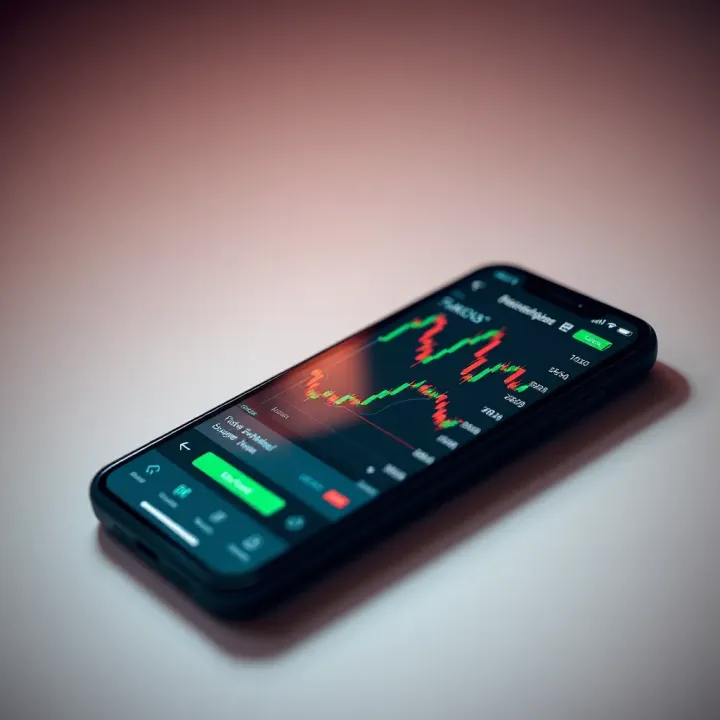
📱 Discover top forex trading apps for Nigerian traders! Get tips on choosing the right app, security, features, and boosting your mobile trading success.
📱 New to forex trading in Nigeria? Discover how to choose the best app with insights on features, security, costs, and tips to start confidently. 💹
Based on 10 reviews