

How to Trade Forex in Nigeria: A Practical Guide
Learn how to trade forex in Nigeria with practical steps on platform choice, strategies, risk management, and tips to grow your ₦ safely 📈💡
Edited By
William Foster
A demo forex trading account offers a risk-free space to practise trading currencies. Unlike live accounts, demo platforms use virtual funds, allowing traders in Nigeria to experiment without the fear of losing real naira. This makes it a vital tool for both beginners and experienced traders who want to test strategies or get familiar with the market.
Opening a demo account is straightforward. Most brokers operating in Nigeria, such as FXTM, OctaFX, and FBS, provide free demo access after a quick sign-up. You’ll typically get ₦10,000 or more in virtual money to start trading pairs like USD/NGN, EUR/USD, or GBP/USD.
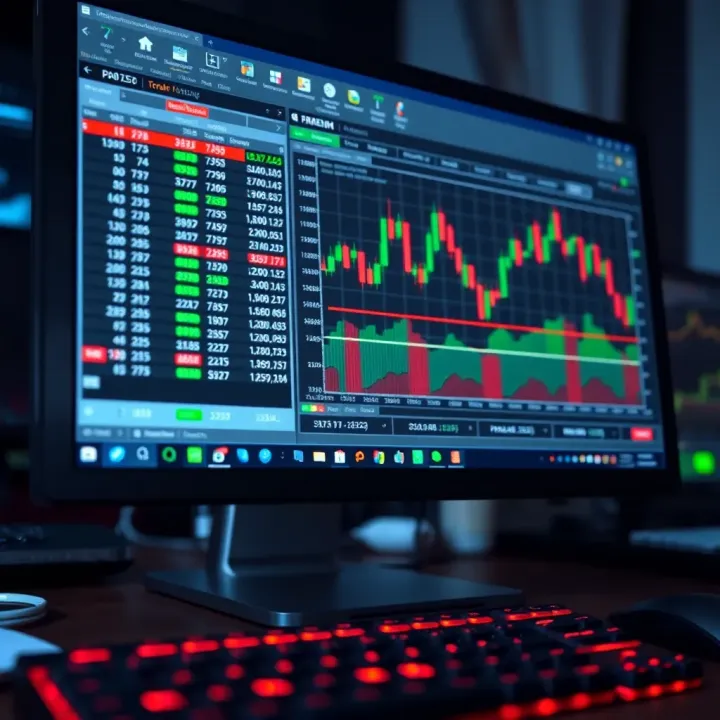
Demo accounts replicate live market conditions closely, with real-time price feeds and typical trading tools. Still, some features like slippage or emotional pressure might not come into play while trading virtually. That said, using a demo account lets you explore core functionalities, such as:
Placing and closing buy or sell orders
Setting stop-loss and take-profit levels
Using leverage wisely
Monitoring market charts and technical indicators
Starting on a demo account makes you familiar with the trading platform and market dynamics before you commit real funds.
However, relying only on demo trading has limits. It cannot replicate the emotional rollercoaster linked to real money, which often influences decision-making. Also, demo environments might be more forgiving regarding execution speed and order fill rates.
To benefit fully from a demo forex trading account, treat it like real trading: set goals, follow trading plans, and review your performance critically. This builds your skills and boosts your confidence for when you finally move to a live account.
In summary, a demo account is essential for practising forex trading safely. It prepares you to navigate live markets better, reducing costly mistakes and helping develop your trading discipline.
Before diving into live forex trading, understanding demo forex accounts is essential. These accounts offer a risk-free environment where traders can practise currency trading without using real money. For Nigerians eager to learn the ropes, a demo account acts as a training ground—much like learning to ride an okada in an empty space before navigating Lagos traffic.
A demo forex account is essentially a practice trading account provided by brokers. It simulates real forex market conditions but uses virtual funds. For example, you might start with ₦1,000,000 in virtual money, allowing you to buy and sell major currency pairs like EUR/USD or USD/NGN without risking your actual savings. This setup helps traders familiarise themselves with market behaviour and trading platforms without financial consequences.
Demo accounts run on the broker’s trading platform just like live accounts. You get access to real-time price quotes, charts, and order execution features. The difference is that the money you use is virtual and profits or losses do not reflect real cash. For instance, if you place a buy order and the price rises, your virtual balance increases accordingly. These platforms replicate order execution but may sometimes run on slightly delayed data or simplified algorithms compared to live accounts.
While demo accounts mimic live trading closely, several key differences affect trading experience. Firstly, emotional factors are absent—trading with play money does not carry the same stress or fear as risking your hard-earned naira. Secondly, execution speed can differ; live accounts may experience delays or slippage during volatile periods, which demo platforms rarely simulate accurately. Thirdly, demo accounts won’t expose you fully to real-world challenges like sudden market news impact or liquidity shortages.
Remember, success in a demo account doesn’t guarantee profits in live trading because emotional discipline and market dynamics change with real money at stake.
Understanding these aspects helps Nigerian traders use demo accounts effectively to hone skills, test strategies, and build confidence before entering the real forex market. It’s the smart way to refine your approach without risking your capital.
Opening a demo forex account in Nigeria is the first practical step to learning how to trade currencies without risking your hard-earned money. It gives you a safe space to understand market movements, practise strategies, and familiarize yourself with trading platforms before venturing into live trading for real profits. The process is straightforward but requires attention to detail to pick a broker that suits your needs and ensures a smooth learning curve.
Choosing a reliable forex broker is critical. Not all brokers operate fairly or provide quality demo accounts. Look out for brokers licensed by established regulators or those with a solid track record serving Nigerian traders. Popular brokers like XM, FXTM, and HotForex offer demo accounts tailored for Nigerian users. Consider factors such as low spreads in demo mode, responsive customer support, and the availability of the trading platforms you prefer, like MetaTrader 4 or 5. A bad choice here can waste your learning time or expose you to misleading data.
Registering for a demo account in Nigeria usually requires just a few minutes. Most brokers ask for basic details like your email, phone number, and full name. In some cases, they may request proof of identity, even for demo accounts, to keep things secure and get you familiar with real account protocols early on. Nigerian users should have their National Identification Number (NIN) or a valid government-issued ID ready, as brokers sometimes require these during registration. Always provide accurate details to avoid issues when transitioning to live trading.
Once registered, you’ll receive login credentials to access the broker’s trading platform. Many brokers support web-based versions, desktop apps for Windows or Mac, and mobile apps that you can use on the go across Lagos traffic or anywhere in Nigeria. Download or launch your platform and use the demo account login to start practising immediately. Explore features such as charting tools, order types, and market news feeds to get the full experience. Practising on the actual trading platform prepares you for the real market environment.
Remember, the key advantage of a demo account is the ability to learn without pressure. Taking time to navigate registration and platform access properly will save you headaches later.
By following these steps carefully, Nigerian traders can open a demo forex account confidently and make the most out of their trial trading experience before risking real capital in the fast-paced currency markets.
Using a demo forex trading account offers valuable advantages, especially for beginners and even seasoned traders trying new methods. It acts as a risk-free environment where you can sharpen skills without spending a kobo. This section breaks down primary benefits, detailing how you can make the most of your demo trading experience.
One major relief with demo accounts is the chance to practise trading without risking your hard-earned money. In Nigeria, where the naira can fluctuate and economic unpredictability is real, risking your capital early might be alarming. A demo account provides virtual funds, letting you buy and sell currencies like USD/NGN or EUR/USD under real market conditions but without actual financial consequences.
For example, when the Nigerian Stock Exchange (NGX) has volatile sessions, or when new CBN policies hit the market, you can try out trades in the demo platform. If a trade goes south, you simply lose virtual cash, not real ₦. This cushion builds your confidence to better manage live trading.
Demo accounts allow traders to test various strategies before committing money. You might want to try scalping during Nigeria’s busy morning hours or test swing trading over weekends. With virtual capital, you can experiment with stop-loss settings, take-profit points, and different order types such as limit or market orders.
Also, many platforms supply analytical tools like moving averages or Fibonacci retracement lines. Before applying these tools in a live setting, demo trading lets you observe their effectiveness. For instance, trying out how MT4 or MT5 indicators respond to market trends can save you from costly mistakes in real trading.
Forex trading platforms can feel overwhelming at first, especially if you’re new in Lagos or Abuja’s active trading communities. Demo accounts give you the freedom to explore platform features like charting tools, news feeds, and position management without pressure.
Additionally, the forex market moves 24/5, and being comfortable with placing orders during different times matters. Without risking money, you learn how economic data releases, such as inflation rates or GDP figures from the CBN or National Bureau of Statistics (NBS), impact currency prices. This understanding improves your timing and decision-making when you transition to live trading.
Remember, a demo account isn’t just for beginners. Even experienced traders find them handy when exploring new brokers or testing unfamiliar currency pairs like GBP/NGN.
Using a demo forex account wisely helps you develop technical skills and market insight. It offers a solid foundation before dealing with the real risks and rewards of the forex market.
Using a demo forex trading account goes beyond just clicking buttons and watching numbers change. To truly benefit, you need to treat it like real trading — this means setting clear goals, tracking your moves, and preparing to switch to live trading carefully. These steps help you build discipline and experience without risking your hard-earned naira.
The first step in making the most of your demo account is setting goals that mirror real-world trading expectations. For instance, instead of aiming to double your demo balance in a day, target consistent small profits or focus on mastering particular trading strategies like scalping or swing trading. Realistic goals prevent frustration and help you measure progress clearly. Imagine you're learning to ride okada: you don't start with highways, but quiet roads first. Similarly, aim to understand basic market movements and platform features before chasing big profits.
A trading journal is your best friend when practising with a demo account. Record every trade you place—why you entered, your exit points, profit or loss, and the emotions you felt. This habit gives you insights into patterns and mistakes you might miss otherwise. For example, if you notice that you consistently lose trades after ignoring stop-loss rules, the journal highlights this so you can adjust. Many Nigerian traders who keep journals find their discipline sharpens, making them more prepared for the pressure of live markets.
Jumping straight from demo to live trading exposes you to emotional and financial risks that demo accounts can’t simulate. Start by placing small real trades first while continuing to practise with your demo. This gradual approach helps you handle the stress of actual money on the line. For instance, if you feel confident managing ₦10,000 trades on demo, try a few live trades at ₦2,000 or ₦5,000 to build confidence. This stepwise transition allows you to adjust your strategies and psychology in real market conditions, reducing the chance of severe losses once you go fully live.
Treat your demo account as a training ground, not a playground. Discipline, reflection, and gradual exposure to real trading conditions are key to success.
By focusing on these practices, your time with a demo forex trading account becomes truly valuable, setting you up to face live forex markets with better strategy, discipline, and confidence.
While demo forex accounts provide a valuable platform for beginners and experienced traders to practise, it’s essential to recognise their limitations. These accounts simulate trading without risking real money, but certain factors differ significantly from live trading conditions. Understanding these differences can prevent unrealistic expectations and help you transition more smoothly to real market engagements.
Trading with a demo account removes the pressure and emotions tied to risking real funds. In real trading, feelings like fear, greed, and anxiety often influence decisions. For example, a trader might hesitate to close a losing position or become overly aggressive when chasing profits. These emotions rarely surface with demo accounts since there is no actual money at stake. Recognising this gap helps you prepare mentally before starting live trading, possibly by practising stress management techniques or starting with smaller real trades.
Demo accounts operate under simulated market conditions that can differ from live trading in several ways. Execution speed in live markets depends on factors like internet connectivity, broker server load, and market volatility. In contrast, demo platforms often provide instant order execution without any slippage or requotes. This can create a misleading impression of smooth trading. For instance, during high-volatility periods—such as major economic releases—the price you see on a demo might not reflect the actual entry price in live trading. Being aware of these execution disparities helps temper expectations and sharpens your trading strategy for real market responses.
It’s common for traders to perform excellently on demo accounts yet struggle when switching to live trading. Overreliance on demo success can lead to complacency. Demo trading lacks the real financial stakes that influence how traders manage risk and execute trades. For example, a trader might take excessive risks on demo platforms, knowing losses are only virtual. However, in live trading, such risk could wipe out sizeable capital. To avoid this pitfall, treat demo trading as a learning tool, not a guarantee of future profits. Gradually test your strategies with small real-money trades and adjust based on actual market experience.
Remember, demo accounts are training grounds; they build skills but don’t fully prepare you for the realities of real money trading.
By keeping these limitations in mind, you can use demo forex accounts effectively as stepping stones towards profitable and disciplined live trading.
Learn how to trade forex in Nigeria with practical steps on platform choice, strategies, risk management, and tips to grow your ₦ safely 📈💡
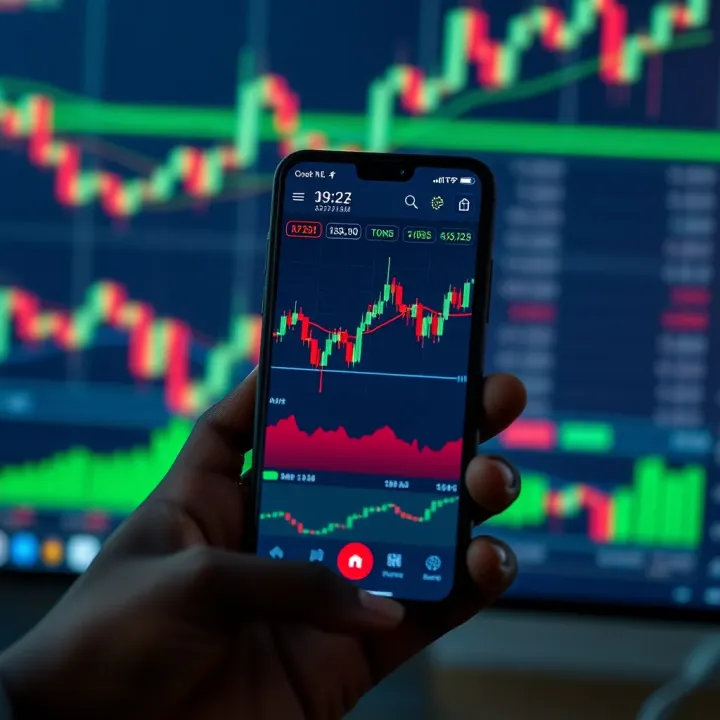
Find the best forex trading app for Nigerians 🇳🇬 with key tips on features, security, and how to boost your mobile trading game for better ₦ gains.

Learn how to start forex trading in Nigeria safely 🇳🇬. Understand currency factors, pick the right brokers, manage risks, and navigate local regulations. 💹
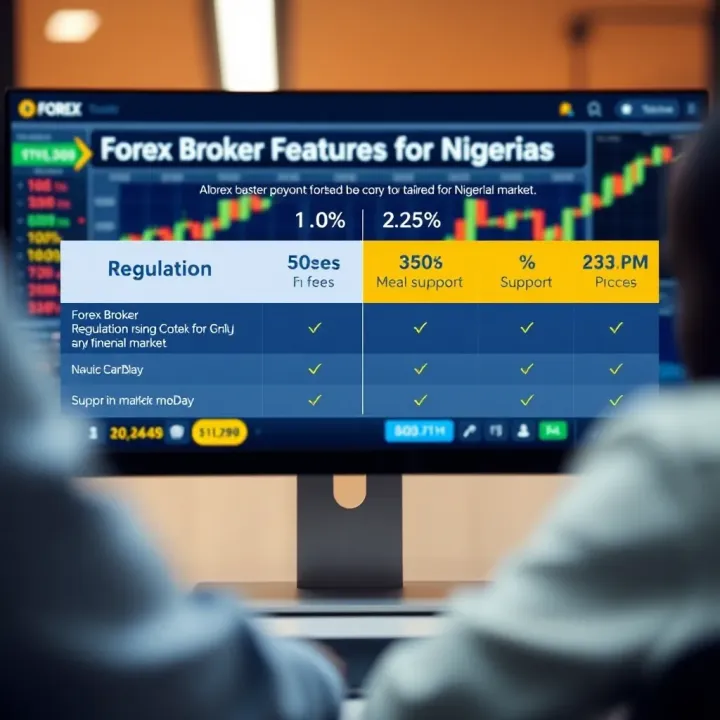
Find out how to pick the best forex broker in Nigeria 🇳🇬 by checking regulation, fees, trading conditions, and support. Avoid costly mistakes and trade smart today!
Based on 12 reviews