

Best Time for Forex Trading in Nigeria
🕒 Discover the best time for forex trading in Nigeria! Learn about global sessions, overlaps, and top tips to boost your trading success effectively.
Edited By
Sophie Turner
Forex trading in Nigeria has become increasingly popular as a way to grow income amid economic challenges and naira fluctuations. By exchanging currencies on the global market, you can tap into daily opportunities to profit. However, making money from forex requires more than just luck — it demands practical steps, understanding, and discipline.
Many Nigerians start forex trading attracted by stories of quick cash, but success depends on choosing reliable brokers, mastering strategies, and managing risks carefully. The forex market operates 24 hours, offering flexibility for traders to act around their schedules. Still, this convenience also calls for solid knowledge to avoid costly errors.
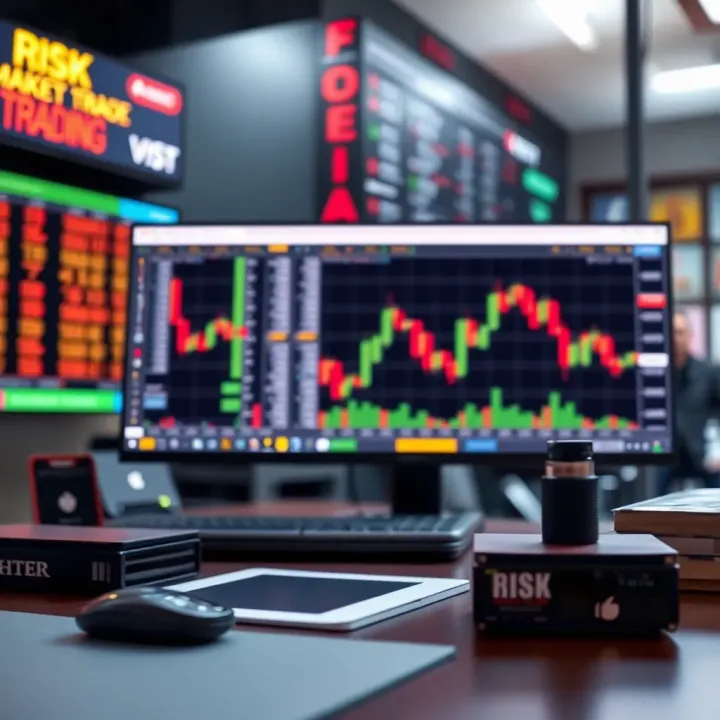
Before trading, you need to register with a trustworthy forex broker authorised by international regulators or recognised by the Nigerian authorities, like the Securities and Exchange Commission (SEC). Some brokers even provide local support and accept deposits via Nigerian platforms like Paystack or bank transfer, making fund management easier.
The key to consistent profits lies in a well-defined trading plan. This includes:
Setting realistic goals for returns
Choosing suitable currency pairs, such as USD/NGN or EUR/USD
Learning how to analyse charts and economic news that influence currency values
Applying sound risk management techniques like stop-loss orders to protect your capital
Many new traders overlook risk control, which often leads to losses. Remember, protecting your ₦ investment is as important as making profits.
Tools like trading platforms MetaTrader 4 or 5, Nigerian forex forums, and economic calendars can help you stay informed and execute trades efficiently. Also, be wary of scams promising guaranteed returns — legitimate forex trading involves risks and no shortcut to riches.
In the following sections, you will find detailed guidance on picking the right brokers, useful trading strategies, risk control, and legal considerations specific to Nigeria’s forex market. Equipped with this knowledge, you can approach forex trading with confidence and clarity to make informed decisions that safeguard and grow your finances.
Understanding what forex trading involves and why it has gained ground in Nigeria is fundamental for anyone aiming to profit from this market. Forex trading isn’t just about swapping one currency for another; it’s a financial activity with practical benefits and risks, influenced by both global markets and local economic conditions.
Forex trading centres on buying and selling currencies to make a profit. Imagine you buy the US dollar at ₦460 and sell it later at ₦465; the difference is your profit. Traders often speculate on currency movements influenced by economic events, interest rates, or political developments.
In Nigeria, currency exchange has long extended beyond banks to street sellers and forex bureaux, but online forex trading formalises this activity allowing investors to participate from their smartphones. It’s important to grasp that forex markets operate 24 hours a day, reflecting continuous demand and supply across time zones.
Globally, major currencies like the US dollar, euro, Japanese yen, and pound sterling dominate trading. These markets are highly liquid and regulated in developed countries. Nigerian traders typically access these global markets through brokers, using internet-enabled platforms.
However, Nigerian forex trading also faces local peculiarities. The naira’s value often fluctuates due to oil price shocks, government policies, and foreign exchange controls by the Central Bank of Nigeria (CBN). These factors make timing and choice of currency pairs critical while trading from Nigeria.
Nowadays, mobile apps like MetaTrader 4 and 5 let Nigerians participate in forex trading anywhere – in Lagos traffic, at a barbeque, or even in a barbing salon. The ease of setting up accounts and real-time market access means that forex is no longer a preserve of bankers or finance professionals.
Local fintech innovations also support deposits and withdrawals in naira through banks and popular platforms like OPay or Paystack, making forex trading accessible across Nigeria’s wide geography without a bank branch.
Forex trading allows starting with relatively low amounts — some brokers accept as little as ₦20,000 to ₦50,000. This lower entry point suits many Nigerians aiming to create extra income without risking large sums upfront.
Leverage tools let traders control bigger positions with a small deposit, though this amplifies risk as well. For example, with 1:100 leverage, a ₦50,000 deposit controls ₦5 million worth of currency, but losses can add up quickly.
The naira faces irregular devaluations and controls, alongside inflation and economic uncertainty. These challenges push Nigerians to look for alternative ways to preserve and grow funds.
Forex trading offers a way to capitalise on currency movements caused by these factors. For instance, if you predict the naira will weaken against the dollar, buying USD pairs could yield profit. Still, it’s critical to understand this volatility can also cause significant losses if markets move against you.
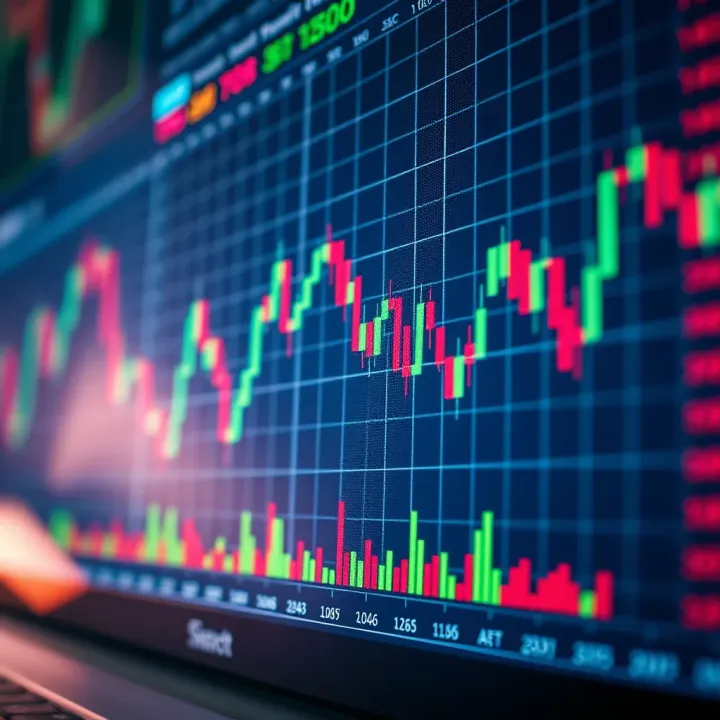
Before starting, you must thoroughly understand the global forex mechanism and local factors influencing currency prices in Nigeria. This knowledge will shape your trading decisions and improve chances of success.
Through grasping these basics, Nigerian traders can better navigate forex markets and make informed choices tailored to local contexts and personal financial goals.
Picking the right forex broker is a vital step for any Nigerian trader aiming to make consistent profits. With many brokers on offer, both local and international, choosing poorly could lead to lost funds, bad trade execution, or even scams. A good broker not only provides reliable access to the market but also supports you with the right tools, fair fees, and solid customer service.
Regulation is the safety net that protects your investment. A regulated broker has to comply with financial laws and standards set by authorities. While Nigeria’s local brokers might be regulated by the Securities and Exchange Commission (SEC) Nigeria, many traders prefer brokers regulated by established international bodies like the Financial Conduct Authority (FCA) in the UK or the Cyprus Securities and Exchange Commission (CySEC). This reduces the risk of fraud and ensures that disputes can be settled fairly. For example, if a Nigerian trader picks a broker licensed only in some obscure jurisdiction, withdrawing funds can become a nightmare.
A broker's platform is where you spend most of your time trading—so it should be smooth and responsive, whether on desktop or phone. MetaTrader 4 (MT4) and MetaTrader 5 (MT5) remain the favourites among Nigerian traders for their ease of use and wide range of tools. Brokers that offer robust mobile apps allow traders to react fast to market changes, which is vital given how volatile forex can be. For instance, your ability to enter or exit positions instantly during market swings depends heavily on how well the app runs on your smartphone.
Different traders have different needs and budgets. Brokers usually offer accounts with varying minimum deposits—some start as low as ₦5,000 while others require much more. Nigerian beginners often prefer micro or mini accounts to test waters without risking big sums. Meanwhile, seasoned traders might opt for standard accounts that provide better spreads and leverage. It's essential to pick a broker whose account types align with your trading style and capital.
Good customer service can save you headaches if problems arise. Nigerian traders should look for brokers with accessible support—via phone, chat, or email—preferably with Nigerian or African-friendly hours. Beyond problem-solving, brokers offering quality educational resources like webinars, tutorials, or market analysis give you a better chance of improving your skills. For example, a broker that provides step-by-step video lessons on technical analysis can help a beginner move faster.
Local brokers offer the comfort of familiar regulation, easier payment options with local banks, and sometimes Nigerian customer support. However, international brokers often provide superior platforms, broader asset classes, and stricter regulation. A trader might choose a Nigerian broker like FXTM for local ease but switch to an international broker like IG Markets for access to better tools and liquidity.
Checking user feedback helps reveal the actual experience of traders. While no broker is perfect, consistent complaints about withdrawal delays or poor trade execution are red flags. Websites hosting reviews and forex forums can give firsthand insight from Nigerian traders who have tested different brokers. Weighing such reputations carefully can steer you away from unstable or dishonest brokers.
Efficient funding and withdrawal methods matter greatly. Leading brokers support Nigerian-friendly options like bank transfers (via GTBank, Zenith Bank), debit cards, USSD codes, and fintech solutions such as OPay and Flutterwave. This reduces currency conversion hassles and avoids excessive fees. For instance, a trader funding their account through a seamless bank transfer or USSD code can start trading faster than one stuck with international wire transfers.
Choosing a trusted, well-supported broker tailored to Nigerian traders' needs paves the way for consistent and safer forex trading success.
Setting up your forex trading account is the first real step towards making money in forex trading in Nigeria. Getting this right sets the tone for your entire trading journey, helping you avoid unnecessary delays or complications that could cost you money or time. When done properly, it ensures you access to the best brokers, smooth transactions in Nigerian Naira, and reliable trading platforms tailored to your needs.
Providing necessary identification and documents is a key requirement when you register for a forex trading account. Nigerian brokers usually require a valid means of identification such as your National Identity Number (NIN), International Passport, or Driver’s Licence. In addition, proof of address, like a recent utility bill, is necessary. This ensures brokers comply with Nigerian regulations and international anti-money laundering laws. For example, without submitting these documents, your account may remain inactive or unable to execute withdrawals.
Understanding Know Your Customer (KYC) procedures is critical for all Nigerian traders. KYC is a process where brokers verify your identity and financial background to reduce fraud risks. This means you might be asked to upload scanned copies of your documents, sometimes even a selfie for facial verification. Completing KYC expedites funding your account and withdrawal process, reducing the chances of your funds being frozen due to compliance issues.
Funding your forex account needs to be easy and cost-effective. Nigerian traders commonly use bank transfers, USSD codes, and fintech apps like Paystack, Flutterwave, and OPay to fund their accounts. These methods allow direct, real-time payments in ₦. For example, some brokers integrate with popular fintech wallets, enabling instant deposits via your phone without visiting a bank. This is convenient especially given frequent long queues and power outages in physical banking branches.
Handling currency conversion and fees is another practical aspect. Many international brokers trade in USD or EURO, so your ₦ deposit often converts to foreign currency. This conversion attracts fees and sometimes a less favourable exchange rate. To manage costs, choosing brokers that offer local Nigerian bank accounts for deposits or use third-party payment processors with competitive rates helps. Being aware of these fees upfront prevents surprises when you fund your account or make withdrawals.
Among popular trading platforms, MetaTrader 4 (MT4) and MetaTrader 5 (MT5) stand out for Nigerian traders. These platforms offer comprehensive tools like advanced charting, custom indicators, and automated trading options. MT5, being newer, supports more asset classes and faster order execution, but MT4 remains popular for its simplicity and widespread broker support. Both platforms provide traders with the flexibility to switch between desktop, web, or mobile versions.
Considering mobile app usage and interface is especially important in Nigeria, where many rely mainly on smartphones. Trading via mobile apps allows you to monitor and execute trades anytime, anywhere—even during Lagos traffic jams or while waiting at mama put spots. Choose a broker whose trading app is responsive, easy to navigate, and regularly updated to avoid glitches that can cost you trading opportunities.
Getting your account set up properly and starting with user-friendly platforms paves the way for confident, effective forex trading in Nigeria. Pay attention to document uploads, convenient funding in Nigerian Naira, and seamless mobile access right from the start.
Effective forex trading strategies are vital for Nigerian traders aiming to succeed in the volatile currency market. Without clear strategies, losses can accumulate quickly, especially given the unpredictability of the naira and economic shifts. A strong grasp of both technical and fundamental analysis equips traders to make informed decisions rather than relying on gut feelings.
Reading charts and indicators forms the backbone of technical analysis. Traders in Nigeria frequently use candlestick charts to interpret price movements over different timeframes, spotting trends and reversals. For instance, the Relative Strength Index (RSI) helps identify overbought or oversold currencies, crucial for timing entries and exits. Practical use of moving averages also smoothes out price data, assisting traders to confirm trends before committing funds.
Beyond charts, monitoring economic news and its impact is essential in fundamental analysis. News such as the Central Bank of Nigeria’s (CBN) monetary policy changes, inflation rates, or global events like oil price fluctuations can have immediate effects on currency values. For example, a sudden hike in the Monetary Policy Rate (MPR) by the CBN often strengthens the naira briefly, as traders anticipate higher yields. Staying updated allows Nigerian traders to anticipate market sentiment shifts rather than react late.
Day trading and scalping are approaches suited for traders who want quick profits by exploiting small price movements within the day. Day traders might open and close multiple positions as market volatility peaks, often during London and New York sessions. Scalpers take this further with trades lasting seconds to minutes. This method needs quick decision-making and constant monitoring, which may suit those with flexible time but demands a sharp eye.
On the other hand, swing trading and position trading offer a slower pace by taking advantage of medium to long-term trends. Swing traders typically hold positions for several days to weeks, capturing larger market moves without the stress of intraday fluctuations. Position traders might hold for months, focusing on broad economic trends, such as Nigeria's inflation trends or global commodity prices influencing the naira. These methods fit well for those balancing forex with other commitments.
Using demo accounts to practise strategies is a risk-free way Nigerian traders can build confidence and refine techniques before deploying real money. Demo accounts replicate live market conditions but use virtual funds, enabling traders to test day trading, swing trading, or indicator setups without financial loss. Consistent practice on demo platforms like MetaTrader 4 or 5 helps avoid costly mistakes when they trade live.
Developing clear, tested strategies and combining technical insight with fundamental awareness is the best way for Nigerian traders to grow profits steadily and protect their capital in the forex market.
By integrating these methods thoughtfully, you can increase your chances of turning forex trading into a sustainable source of income rather than a gamble.
Forex trading in Nigeria holds real opportunities, but the risk side can't be overlooked. Many traders plunge in without proper controls, and sometimes lose their capital fast. Handling risks well isn't just good practice — it's what keeps you in the game longer. Avoiding common pitfalls such as scams or emotional decisions can save you from costly mistakes, especially in the Nigerian market where regulation can be patchy and volatility high.
Stop-loss and take-profit orders are crucial tools that help you control losses and lock in gains without needing to monitor the market every minute. For example, setting a stop-loss automatically closes your trade if the price moves unfavourably by a certain amount, protecting you from larger losses. Similarly, a take-profit order locks in your earnings once the market hits your target. Using these tools prevents the trap of holding onto losing trades or missing a good exit point when greed kicks in.
Position sizing means allocating only a small portion of your total capital to each trade based on your risk tolerance. Suppose you have ₦100,000 for trading; risking 2% per trade means you never lose more than ₦2,000 on any single trade. This approach helps prevent devastating losses and keeps your account stable over time, allowing you to survive several unsuccessful trades without wiping out your funds.
Many fraudulent brokers target Nigerian traders with promises of huge returns and low fees. Key signs include absence of proper licensing, pressure to invest quickly, and websites that look unprofessional or lack transparency about the company. Also, beware of brokers who don't allow withdrawals or ask for unexpected fees. The market is littered with such scams, so it's necessary to do your homework.
To protect your money, always verify if a broker is regulated by reputable bodies like the Securities and Exchange Commission (SEC) Nigeria or the Financial Conduct Authority (FCA) internationally. Use brokers recommended by known Nigerian trading forums or fintech influencers with proven track records. Never share your account password or send funds to unknown parties outside official payment channels.
Emotions such as greed and fear can cloud your judgement in forex trading. For instance, chasing losses by doubling your stake often leads to bigger failure. Learning to stick to your pre-planned strategy despite tempting signals is key. You must accept that losses are part of trading but manageable with discipline.
Keeping a trading journal enables you to record why you made a trade, the outcome, and lessons learned. Over time, this log helps identify your strengths and repeated mistakes, improving your decision-making. A trader who reviews their past trades regularly will understand patterns and emotions that affected their results, making the next trades smarter.
Managing risks effectively and avoiding scams are not optional steps — they determine whether your forex trading journey in Nigeria ends in profit or loss. Staying calm and clear-headed protects your capital and builds long-term success.
By using risk management tools, choosing brokers carefully, and keeping your emotions in check, you stand a better chance of growing your forex earnings steadily — even in Nigeria’s challenging economic environment.
🕒 Discover the best time for forex trading in Nigeria! Learn about global sessions, overlaps, and top tips to boost your trading success effectively.
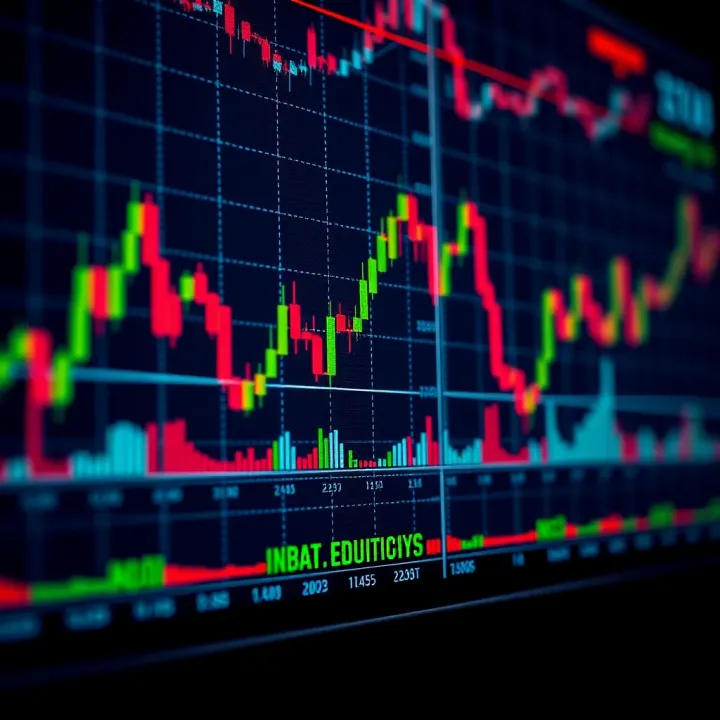
Master forex trading in Nigeria with practical strategies 🏦. Learn risk management, market analysis, solid trading plans, and stay disciplined for better results 📈.
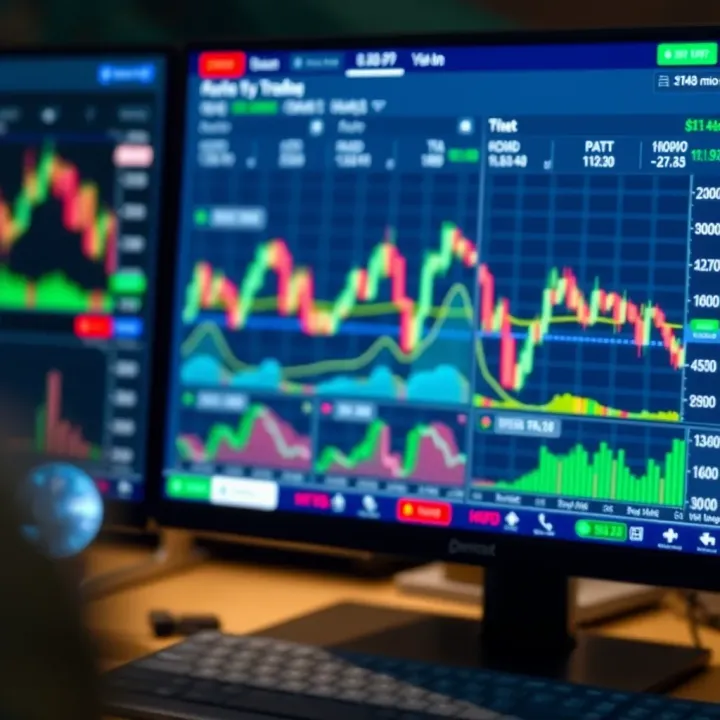
Discover how to pick the best forex trading platform in Nigeria 🏦. Learn about features, costs, security, and tips to trade confidently in forex markets.
Discover smart forex trading tips for Nigerian traders 🇳🇬. Learn about risk management, local market effects, trusted platforms, and broker advice to trade wisely.
Based on 11 reviews