
Best Forex Trading Tips for Nigerians
Explore the best forex trading options in Nigeria 🇳🇬! Learn how to pick brokers, understand regulations, manage risks, and create winning strategies.
Edited By
William Foster
Forex trading, or foreign exchange trading, involves buying and selling currencies to make a profit from their changing values. For Nigerian traders, the forex market offers an accessible way to grow capital despite naira volatility and economic uncertainties. However, trading forex is not a guaranteed path to quick riches; it requires knowledge, discipline, and smart decision-making.
Unlike the Nigerian stock market, forex operates 24 hours a day, five days a week, allowing you to trade at your convenience. The market’s liquidity means transactions can happen fast, but that can also lead to swift losses if not managed well. It’s important to understand that forex trading is a high-risk venture, especially with the leverage available through brokers.
Starting forex trading in Nigeria means you need to focus on reliable platforms regulated locally or internationally. Some popular choices include FXTM, IG Markets, and local-focused platforms like InstaForex Nigeria. These platforms offer access to major currency pairs such as USD/NGN, EUR/USD, and GBP/USD, which are actively traded and provide good liquidity.
Before you place your first trade, get familiar with basic concepts: currency pairs, pips (the smallest price move), leverage, and margin. For example, if you trade the USD/NGN pair, you’re speculating on how many naira one US dollar is worth. Knowing these helps you understand how profits and losses work.
Success in forex trading comes down to preparation, understanding the market, and managing risks wisely. Never rush into trading without a plan.
Key things to keep in mind as a Nigerian trader:
Choose brokers that comply with regulatory bodies like the Securities and Exchange Commission (SEC) Nigeria.
Start with a demo account to practice without risking real money.
Beware of scams promising guaranteed profits — forex is not a get-rich-quick scheme.
Understand naira fluctuations and how the Central Bank of Nigeria policies impact currency movements.
Having a solid foundation saves you from making costly mistakes. With the right approach, forex trading can become a useful addition to your investment portfolio here in Nigeria.
Many Nigerians are drawn to forex trading because it offers unique opportunities beyond the local market. Understanding what forex trading involves and why it attracts Nigerian traders is key to making informed decisions that fit your goals.
The forex market is the world's largest financial market, where currencies are bought and sold around the clock. It's a decentralised market made up of banks, brokers, traders, and institutions operating globally. For Nigerian traders, this means access to a liquid market with plenty of opportunities to enter and exit trades quickly, unlike the sometimes sluggish local stock exchanges.
Forex trading typically revolves around currency pairs. The base currency is traded against a quote currency, and prices fluctuate based on factors such as economic data or geopolitical events. This dynamic environment rewards traders who carefully analyse trends and react swiftly.
Among currency pairs, major pairs like USD/NGN, EUR/USD, and GBP/USD enjoy the most trading volume and tend to have tighter spreads, meaning lower transaction costs. Exotic pairs, on the other hand, involve currencies from emerging or smaller economies, combined with major ones, such as USD/TRY or USD/ZAR. While exotic pairs often offer bigger swings, they come with higher risks and less liquidity, which can translate to wider spreads and more significant price jumps.
One key attraction for Nigerian traders is the potential to earn in stable foreign currencies rather than the naira, which often faces devaluation and volatility. Forex trading allows the conversion of ₦ into dollars or euros, potentially safeguarding capital or creating profitable opportunities when local prices spike. For example, a trader converting profits back to naira during a favourable exchange rate can significantly improve returns.
The accessibility of forex trading has also improved thanks to mobile platforms. Apps like MetaTrader and local fintech solutions provide Nigerians with the ability to trade from anywhere—whether in Lagos traffic or while relaxing near a mama put. These platforms offer user-friendly interfaces, real-time market data, and convenient funding options directly from Nigerian banks, making forex accessible even to those without formal trading backgrounds.
However, the naira's volatility poses challenges. Sudden currency devaluations or policy changes by the Central Bank of Nigeria can affect traders’ positions unexpectedly. Additionally, issues like limited foreign exchange availability may complicate fund withdrawals or deposits. Hence, Nigerian traders need to keep an eye on local economic developments and adjust their strategies accordingly to protect their investments.
Understanding the forex market’s structure and local realities equips Nigerian traders with the insight to navigate opportunities and risks effectively. This foundation paves the way for smarter decision-making and long-term trading success.
Getting started right lays the foundation for long-term success in forex trading. For Nigerian traders, this means choosing the right broker, setting up a funded account, and familiarising themselves with the tools before committing real money. These steps reduce costly mistakes and improve your confidence.
Licensed brokers hold a licence from recognised authorities such as the Nigerian Securities and Exchange Commission (SEC) or international regulators like the Financial Conduct Authority (FCA). Trading with licensed brokers safeguards your funds and ensures transparency. For example, when a broker is registered with the SEC Nigeria, you can trust that they comply with local laws, including anti-money laundering rules.
Equally important are brokers who support local payment options like USSD codes and bank transfers. Nigerian banks such as Zenith, GTBank, and Access Bank are widely used for forex deposits and withdrawals. Brokers offering these options make funding your account easier without incurring foreign exchange hassles or high transfer fees common with international banks.
To start trading, you need valid identification documents such as your National Identification Number (NIN) and Bank Verification Number (BVN). These documents verify your identity and are often mandatory due to local regulations. Without submitting them, brokers usually won't allow you to trade or withdraw funds.
Many brokers offer welcome bonuses to attract new traders, which can boost your starting capital. However, always check the terms and conditions, especially deposit limits and withdrawal requirements. Some bonuses might tie you to trading minimum volumes before withdrawal.
Funding your account in Nigeria typically involves options like bank transfers, USSD payments, and local payment apps. Using familiar funding methods helps avoid delays and extra charges. For example, funding your account through Instant Payment (USSD) codes connected to your bank ensures quick credit without visiting a bank branch or dealing with international transfer delays.
Demo accounts let you practise trades using virtual money, allowing you to explore strategies without any financial risk. This is particularly helpful if you are new or testing how a particular broker’s platform works. You can get a feel for price movements and trade execution without losing your hard-earned ₦.
Using demo accounts also helps you understand the interface, chart features, and order placement on the trading platform. Some brokers replicate live market conditions closely, giving you a practical experience before using real funds. Get comfortable with these tools before moving to live trading to avoid costly beginner errors.
Starting well reduces frustration and builds skills steadily. Secure a licensed broker, fund safely, and lean on demo accounts to understand the ropes before trading real money in Nigeria’s forex market.
To grow steadily in forex trading, Nigerian traders must understand and apply several core strategies. These strategies provide a strong foundation not just for spotting opportunities but for protecting capital in a volatile market. A focused grasp of fundamental and technical analysis alongside sound risk management can transform uncertain guesses into informed decisions.
Interest rates often drive currency value changes significantly. When Nigeria's Central Bank (CBN) adjusts its monetary policy rate, it influences the naira's strength. For instance, a hike in interest rates can attract foreign capital because investors seek better returns, causing the naira to strengthen against other currencies. Conversely, rate cuts might weaken the naira but encourage borrowing and spending, potentially boosting economic activity.
As a trader, monitoring interest rate trends helps you predict likely currency movements. If, for example, the U.S. Federal Reserve hikes rates while CBN maintains or lowers theirs, the dollar often gains against the naira. Understanding this interplay equips you to anticipate price changes rather than react late.
The CBN issues various economic data and policy updates that impact forex markets. Releases on inflation, foreign reserves, or trade balances can shift trader sentiment quickly. For Nigerian traders, keeping an eye on these announcements daily can signal when it’s wise to enter or exit trades.
Suppose inflation rises sharply in Nigeria; this often leads the CBN to increase rates to stabilise the naira. This move could cause short-term volatility. Traders who catch this early can position correctly. Likewise, reports on foreign reserve levels affect forex liquidity—the higher the reserve, the more confidence traders have in the naira's stability.
Most successful forex traders rely on charts to identify market trends and potential reversal points. A trend could be upward, downward, or sideways. For example, spotting an uptrend in the USD/NGN pair by observing consistent higher highs and higher lows helps you decide when to buy.
Reading charts involves recognising candlestick patterns, price movement behaviours, and support and resistance levels. Nigerian traders using platforms like MetaTrader 4 or 5 benefit from visual tools that simplify this process, especially when practising on demo accounts.
Moving averages help smooth out price data and reveal trend directions, whether short or long term. The 50-day and 200-day moving averages are common indicators. When a short-term average crosses above a long-term average, it often signals a potential buy.
The Relative Strength Index (RSI) measures overbought or oversold conditions, guiding traders on potential reversal points. For instance, an RSI above 70 may indicate an overbought currency pair primed for a drop, while an RSI below 30 suggests overselling and a possible bounce. Combining these tools sharpens entry and exit decisions.
Stop-loss and take-profit orders keep emotions out of trading and protect your capital. A stop-loss automatically closes your position when the price hits a certain level, capping potential loss. For example, if you buy EUR/USD at 1.3000, setting a stop-loss at 1.2950 limits your loss to 50 pips.
Take-profit orders lock in gains by closing trades at predetermined targets. By preplanning these points, traders avoid greed-induced mistakes or premature exits. For Nigerian traders dealing with fast-moving forex pairs affected by local events or CBN announcements, these orders are essential safety nets.
Risk management also means never risking too much of your trading capital on a single trade. A common rule is risking only 1–2% of your account per trade. For example, with a ₦100,000 trading account, you shouldn't risk more than ₦1,000–₦2,000 on any trade.
This approach prevents one bad decision from wiping out significant capital. Gradual growth through many small wins reduces pressure and builds confidence, which is particularly valuable for new Nigerian traders facing volatile markets and occasional power or internet disruptions.
Effective forex trading demands combining knowledge of economic fundamentals, chart reading, and strong risk control. Nigerian traders who master these strategies enhance their chances of consistent profit and long-term success.
Forex trading offers a real opportunity to earn outside traditional Nigerian markets, but it also comes with traps that can quickly drain your funds. Recognising common pitfalls and learning how to dodge them separates successful traders from those who lose their hard-earned money. By addressing scams, emotional trading, and infrastructural challenges upfront, you set yourself up for steadier growth.
Nigeria’s forex scene is crowded with brokers claiming to offer top-notch services. However, many operate without valid licences or regulatory oversight, putting your money at risk. Always check for brokers registered with recognised bodies like the Nigerian SEC or international ones such as the FCA or CySEC. If a broker promises guaranteed returns or pressures you to deposit large sums quickly, proceed with caution. Offers that seem too good to be true—such as unusually high leverage or 0% spreads—are often red flags.
Even if a broker looks legitimate, platform scams remain a threat. Fake trading platforms can manipulate prices or block withdrawals. To avoid this, stick to well-reviewed platforms with a track record among Nigerian traders, like MetaTrader 4 or 5, which reputable brokers offer. Always verify withdrawal policies and test small amounts before investing heavily. Using secure payment methods like bank transfers or trusted fintech apps increases safety, while anonymous payment options may expose you to fraud.
Many traders fall into the trap of making trades without a solid plan, leading to losses from impulsive decisions. A clear trading plan outlines when to enter or exit trades, risk limits, and profit targets. This discipline helps you stick to strategies even when the market fluctuates wildly. For instance, setting a maximum daily loss cap can safeguard your account from devastating wipeouts.
Fear and greed are traders’ worst enemies. After a loss, you might be tempted to chase trades recklessly; after a win, overconfidence can push you into risky positions. Developing emotional control means recognising these impulses and sticking to your plan. Techniques like journaling your trades and reviewing mistakes help to build maturity, reducing knee-jerk reactions during market swings.
Consistent internet access is critical for forex trading success in Nigeria. Traders relying on unstable connections risk missing entry or exit points. Using mobile data from networks like MTN or Airtel with 4G coverage offers flexibility, but fixed broadband often provides better stability. Many traders combine both to avoid downtime, especially during peak trading hours.
Frequent power outages remain a challenge in many parts of Nigeria. Losing power mid-trade can mean missed opportunities or unintended losses. Investing in an uninterrupted power supply (UPS) or a small generator secures connectivity during outages. For quick recovery, keeping devices fully charged and using power banks can be helpful, especially for those trading on laptops or smartphones.
Staying alert to scams, managing your emotions, and preparing well for Nigeria’s infrastructural realities are vital steps to thrive in forex trading. Practical measures in these areas protect your capital and sharpen your trading edge.
Improving your forex trading skills takes more than just theory; practical steps help you adapt to real market conditions. In Nigeria’s dynamic economic environment, staying updated and refining your approach ensures you make smarter decisions and protect your capital from unnecessary losses.
Following the Central Bank of Nigeria (CBN) announcements and the Nigerian Exchange Group (NGX) trends keeps you in the loop about factors affecting the naira and major currency pairs. For example, when CBN adjusts its monetary policy rate or intervenes in the foreign exchange market, these moves directly impact the volatility and direction of currency prices. Paying attention to such announcements helps you anticipate market reactions and tailor your trades accordingly.
Joining local forex communities and forums offers valuable insights from experienced traders who understand the Nigerian context. Platforms like Nairaland forex forums or WhatsApp groups organised by local trading educators allow you to share ideas, ask questions, and learn from others’ mistakes and successes. Being part of these circles expands your knowledge and exposes you to strategies that work specifically under Nigerian market conditions.
Using micro trading accounts or starting with low initial capital is essential when entering forex trading. For example, several brokers now offer micro-lots that let you trade at a fraction of a standard lot, reducing your exposure. This approach minimises risk, giving you space to learn the ropes without risking ₦10,000 or more at once, which matters in an economy where disposable income can be tight.
Consistently tracking your trading progress allows you to identify what strategies are working and where adjustments are necessary. Keeping a simple journal to log trades, reasons for entering or exiting, and outcomes helps build discipline. Over time, this record acts as a feedback tool; if a particular strategy loses money repeatedly, it’s wise to tweak or drop it before scaling up your investment.
Setting alerts and automated tools helps you monitor the forex market without sitting in front of the screen all day. Many trading platforms and apps allow you to set price alerts on currency pairs or automate trades with rules you define, such as stop-loss or take-profit levels. This automation safeguards your investments by cutting losses early and locking in profits when the market moves as predicted.
Leveraging Nigerian fintech apps like OPay, PalmPay, or Kuda to fund and withdraw your trading account simplifies transactions. These platforms support transfers with local banks sometimes via USSD codes or instant bank transfers, enabling faster access to your funds without waiting days. Smooth transactions reduce downtime, especially during volatile market periods when timing matters.
Growing your forex trading skills is a steady process. Focus on steady learning, start with manageable stakes, and make technology your ally to increase chances of success in Nigeria’s vibrant trading scene.
Explore the best forex trading options in Nigeria 🇳🇬! Learn how to pick brokers, understand regulations, manage risks, and create winning strategies.
Explore forex trading in Nigeria 🇳🇬 with our detailed guide. Learn key strategies, platform tips, benefits, risks, and Nigeria-specific insights to trade smart.
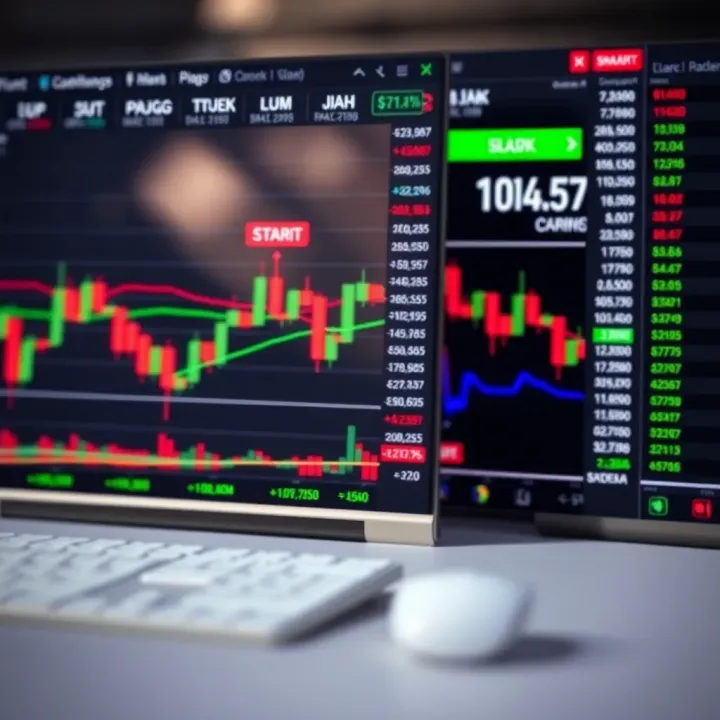
Master forex trading in Nigeria 🇳🇬 with practical tips on strategies, broker selection, risk control, and understanding local regulations for safer investing 💹.
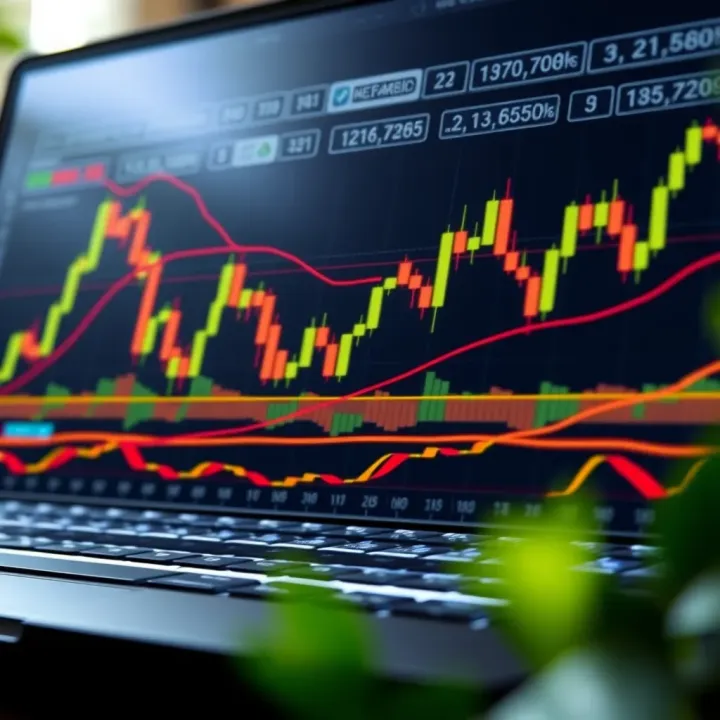
📈 Learn key forex chart patterns and boost your trading skills with easy-to-use PDF guides. Perfect for Nigerian traders aiming to predict market moves accurately.
Based on 6 reviews