
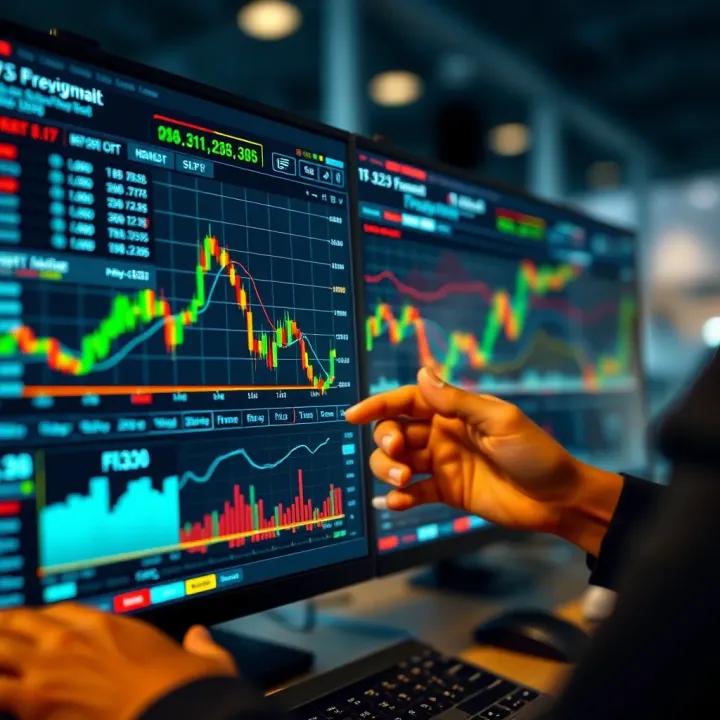
Best Forex Trading Platforms for Nigerians
Explore top forex trading platforms in Nigeria 🇳🇬, learn about features, security 🔐, tools 📊 & support to find the perfect fit for your trading style.
Edited By
Olivia Bennett
Forex trading in Nigeria has grown sharply over the past decade, partly driven by increased internet access and mobile penetration. Traders now have access to a variety of platforms offering forex trading services, but picking the right one can be tricky given the plethora of options and the unique challenges in Nigeria's market.
Choosing a reliable forex trading platform affects your ability to execute trades efficiently, manage risks, and protect your funds. Platforms differ in features such as ease of use, trading instruments, fees, and customer support. For Nigerian traders, considerations like local deposit and withdrawal options, regulatory compliance, and naira availability are critical.
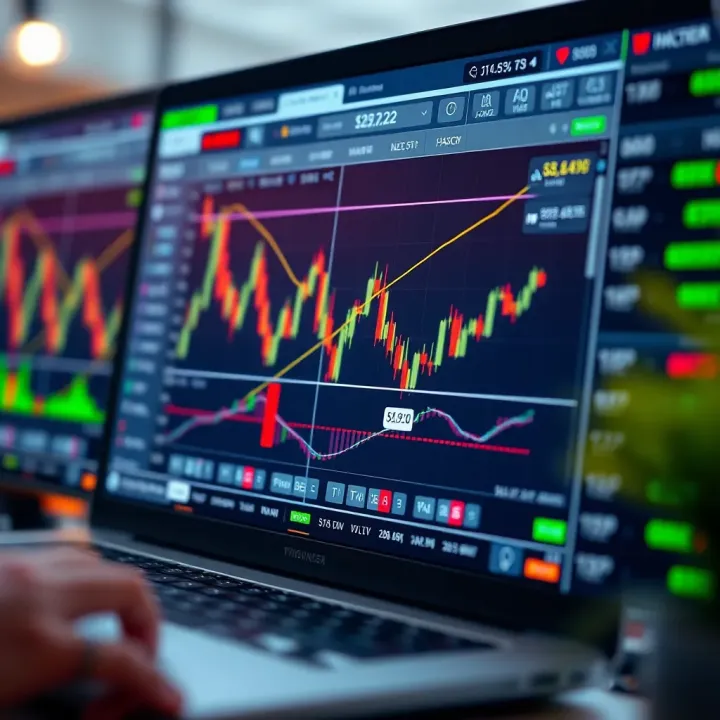
Always prioritise platforms that offer straightforward Nigerian Naira (₦) funding methods such as local bank transfers or recognised Nigerian fintech partners. This reduces the hassles of currency conversion and delays often experienced with international payment systems.
When assessing a platform, check for:
Regulation and credibility: Some platforms operate under global licences from agencies like the Financial Conduct Authority (FCA) in the UK or Cyprus Securities and Exchange Commission (CySEC). While Nigerian regulators do not currently regulate forex trading comprehensively, using platforms with international oversight provides extra confidence.
Trading instruments and tools: Look for platforms offering a range of currency pairs, plus commodities or indices if you want diversification. Tools like charting, technical indicators, and risk management features matter.
User interface: Given the widespread use of mobile phones, platforms that support mobile apps with smooth, light software help trading on the go, especially in Nigeria's often-unpredictable power and internet landscape.
Customer support: Opt for platforms providing responsive support through channels like live chat or WhatsApp, with at least partial local presence or understanding of Nigerian trader issues.
Costs and fees: Compare spreads, commissions, and overnight swap rates. Nigerian traders should mind hidden costs that can inflate trading expenses quickly.
In this guide, we will explore top forex platforms accessible to Nigerian traders and how they align with our market's realities, helping you pinpoint services that offer trustworthy, cost-effective, and feature-rich trading experiences.
Understanding forex trading platforms is essential for anyone looking to venture into currency trading, especially within Nigeria's unique economic landscape. These platforms act as the bridge between traders and the financial markets, offering tools, data, and execution capabilities. Choosing the right platform can improve your trading efficiency, reduce costs, and help you manage risks better. For example, while some platforms allow direct deposit and withdrawal in Nigerian Naira, others require currency conversion, impacting your profit margins due to the naira's frequent fluctuations.
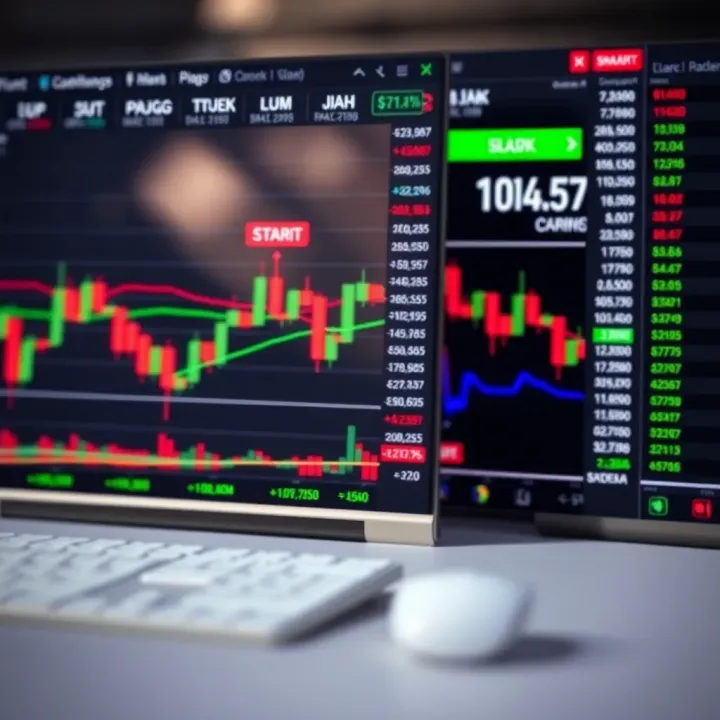
A forex trading platform is software that enables users to buy and sell foreign currencies online. Think of it like the shopfront where you trade currencies such as the US dollar, euro, or British pound against the Nigerian Naira. It provides real-time price charts, order placement features, and analytical tools which help traders make decisions. Platforms like MetaTrader 4 (MT4) and MetaTrader 5 (MT5) are popular worldwide and also widely used by Nigerian traders. Many platforms also offer mobile apps, making it easy to trade even when you're away from your computer.
In Nigeria, forex trading operates similarly to global standards but comes with local nuances. Traders need a stable internet connection and usually open accounts with brokers registered by regulatory bodies like the Securities and Exchange Commission (SEC) for legal compliance. Most Nigerian traders deposit funds in Naira, which gets converted into major currencies through the platform’s brokerage. For instance, if you deposit ₦50,000, it is converted into dollars or euros internally before you start trading. The goal is to buy currencies when the exchange rate is low and sell when it rises, earning profits from the differences.
The Central Bank of Nigeria's foreign exchange policies and occasional restrictions can affect currency availability, so platforms that support multiple funding and withdrawal options in Naira are highly preferred. Plus, local traders sometimes use platforms that integrate with Nigerian payment methods such as bank transfers, USSD codes, or fintech wallets to simplify transactions.
Knowing how forex platforms work and their specific features in the Nigerian context puts you ahead. It ensures you pick the platform that fits your trading style, financial goals, and local market conditions.
This understanding lays the foundation for making smarter choices about which platform to trust and how to navigate forex markets effectively.
The choice of a forex trading platform significantly shapes a trader’s experience, especially in Nigeria where market conditions and payment options vary widely. Nigerian investors often weigh their options between local platforms designed around the specific needs of domestic traders and global platforms with broader reach and tools. Understanding popular platforms helps traders select the right one for their goals and avoid common pitfalls.
Local forex platforms prioritise accessibility for Nigerian traders by offering local currency (₦) accounts and payment methods compatible with Nigerian banks and fintech solutions like Paystack, Flutterwave, and OPay. For instance, platforms such as NairaFX and FXTM Nigeria provide straightforward naira deposit and withdrawal, reducing the hassle of currency conversion and high fees.
These platforms often comply with Nigerian regulations, helping users avoid scams, which unfortunately still plague parts of the market. They tend to focus on easy-to-use interfaces and customer support attuned to local languages and market issues. A notable advantage is their better understanding of Nigeria’s banking system and internet reliability challenges, often offering USSD payment options for accessibility beyond major cities.
That said, some local platforms might lack the advanced trading tools present on global platforms, which could limit day traders or analysts seeking detailed charting and algorithmic trading.

Global forex platforms like MetaTrader 4 (MT4), MetaTrader 5 (MT5), IG Group, and eToro remain popular among Nigerian investors due to their reliable technology, extensive asset range, and sophisticated trading tools. They offer tight spreads and various order types suitable for both beginners and professional traders.
Though deposits and withdrawals with naira can be limited on these platforms, many Nigerians use intermediary services or authorized local brokers to facilitate fund transfers. These platforms also provide educational resources and community forums that help traders learn new strategies and stay updated on global financial news, which is valuable for informed decision-making.
Nigerian traders must evaluate global platforms carefully, especially checking whether brokers are regulated by reputable authorities such as the Financial Conduct Authority (FCA) or the Cyprus Securities and Exchange Commission (CySEC), and if they offer Nigerian-friendly payment options.
In summary: Local platforms excel in convenience and regulatory alignment for Nigerian traders, especially casual or beginner investors. Global platforms offer superior technology and market access but might pose challenges in naira handling and regulatory clarity. The ideal choice depends on individual trading style, risk appetite, and access to local banking infrastructure.
Check if the platform supports naira deposits directly to sidestep currency conversion costs.
Confirm the platform’s licensing with Nigerian regulators like the Securities and Exchange Commission (SEC).
Try demo accounts to familiarise yourself with the platform ahead of real trading.
Selecting from popular platforms lays the groundwork for a secure, efficient trading experience that matches Nigeria’s unique forex market dynamics.
Selecting the right forex trading platform is vital for success in Nigeria’s forex market. A good platform not only makes trading convenient but also safeguards your investments and enhances decision-making. Understanding key features such as user interface, payment options, and cost structure helps you pick a service that fits your trading style and local needs.
The user interface (UI) determines how easily you access market data, execute trades, and analyse opportunities. Platforms with intuitive dashboards, clear charts, and quick access to essential functions save you time and reduce costly errors. For instance, MetaTrader 4 (MT4) offers comprehensive charting tools with indicators that can be customised, helping traders spot trends quickly. Meanwhile, locally tailored platforms may integrate features such as mobile optimisation to accommodate Nigerians who mostly use smartphones for trading. Efficient trading tools like real-time quotes, automated alerts, and one-click trade options are invaluable for active traders aiming to react swiftly to market moves.
Since Nigerian traders prefer operating in naira to avoid exchange rate losses, a platform’s ability to handle deposits and withdrawals directly in ₦ is key. This reduces hassle and saves on conversion fees that can eat into profits. Platforms like Flutterwave and Paystack allow seamless naira payments via bank transfers, card payments, or even USSD codes, making funding straightforward. Look for platforms that process withdrawals quickly—delays can disrupt your ability to manage cash flow or capitalise on market opportunities. Also, check for minimum deposit amounts to ensure they align with your trading budget.
Leverage amplifies potential profits but also heightens risks, so comprehend the leverage limits your platform offers and whether they align with your risk tolerance. For example, some global platforms let you trade with leverage as high as 1:500, which is risky if not well managed. Spreads— the difference between buying and selling prices—impact your cost of trading directly. Tight spreads save you money, especially if you trade frequently. Some platforms offer fixed spreads, others variable, which might widen during volatile times. Regarding commissions, transparent fee structures are preferable; some platforms charge per trade, others combine spreads and commissions. Hidden fees reduce your net returns, so always read terms carefully before committing.
Choosing a platform with a balanced combination of user-friendly features, convenient naira transactions, and fair pricing structures positions you well for consistent trading success in Nigeria’s forex market.
In sum, focus on platforms that offer clear interfaces with effective tools, support local currency payments, and maintain competitive cost structures. This approach lets you trade confidently, without unexpected surprises or operational headaches.
Security and regulatory compliance form the backbone of safe forex trading in Nigeria. Traders often focus on profit margins and platform features, but overlooking these aspects can lead to financial losses or legal troubles. Ensuring a platform follows Nigerian laws and has strong security measures gives you peace of mind and protects your investment.
Nigeria's forex market operates under the oversight of key bodies such as the Central Bank of Nigeria (CBN) and the Securities and Exchange Commission (SEC). While the CBN regulates currency policies to maintain financial stability, the SEC supervises capital market activities, including some brokerage operations. However, forex trading platforms are not all licensed in Nigeria, so verifying whether a platform complies with either CBN or SEC guidelines is crucial.
Additionally, platforms that register with international regulators like the UK’s Financial Conduct Authority (FCA) or Cyprus Securities and Exchange Commission (CySEC) often provide extra assurance. For example, a platform like IG Group holds FCA regulation, offering Nigerian traders confidence through stringent oversight and investor protection rules.
Nigerian traders should ask for proof of regulation certificates before committing funds to any forex platform.
Reliable forex trading platforms prioritise the safety of your money and data. This begins with secure encryption protocols such as SSL (Secure Sockets Layer) that protect your personal details during transactions. Also, segregated accounts are essential — they keep client funds separate from the company’s operating capital, so your money isn’t used for the platform’s liabilities.
On top of that, look out for platforms offering two-factor authentication (2FA). This adds a second security layer by requiring a code via your phone or email, making unauthorised access difficult. Platforms like ForexTime (FXTM) and HotForex include 2FA as standard for Nigerian users.
Fund insurance or compensation schemes are rarer but valuable. For instance, some well-regulated brokers participate in investor protection funds that reimburse clients if the platform collapses.
Lastly, review the platform’s history carefully. Frequent complaints about withdrawals or unexplained losses often point to risky or fraudulent operations. Nigerian forums and review sites like Nairaland provide community insights into platform reputations.
In summary, taking time to verify regulatory status and assessing safety protocols helps avoid scams and safeguard your funds. Nigerian forex traders stand to gain much by prioritising security and compliance before trading actively.
Success in forex trading depends not only on choosing the right platform but also on how you use it. Practical tips help traders navigate volatile currency markets and avoid common pitfalls, especially within Nigeria's unique economic environment. From managing risk to exploiting platform tools, these pointers can build a solid foundation for consistent gains.
Demo accounts let you practise trading without risking real money. Think of it like test-driving an okada before picking your daily rider. Most forex platforms offer these accounts to simulate real market conditions. For example, if you’re new to MetaTrader 4 or OANDA’s platform, trading with virtual funds helps you get comfortable with buying and selling currency pairs, understanding charts, and timing entries and exits.
Starting on a demo account provides room to experiment with different strategies and tools without fear. As many Nigerian traders discover, jumping straight into live trading can be costly without this practice. When you’re confident, gradually move to live accounts with modest investments before scaling up.
Forex trading involves risks, especially with high leverage often offered by platforms. Protect your capital by setting stop-loss orders to limit potential losses. For instance, if you buy USD/NGN at a particular rate, a stop-loss can automatically sell your position once it drops to a specific price, preventing bigger losses.
Scams are prevalent due to the increasing popularity of forex in Nigeria. Always verify a platform's regulatory status; look for licences from bodies like the Securities and Exchange Commission (SEC) Nigeria or international regulators. Be wary of platforms promising guaranteed returns or high leverage without proper background checks. Pay attention to user reviews, customer service quality, and transparency on fees.
Modern platforms come with tools that can sharpen your trading game. Use charting tools and technical indicators like Moving Averages, RSI (Relative Strength Index), and Bollinger Bands to make informed decisions.
Automated trading options, such as Expert Advisors (EAs) on MetaTrader, enable you to trade according to predefined rules without constant monitoring — handy when juggling other commitments or during peak ember months spending.
Also, explore integrated news feeds for forex-relevant updates, including CBN interest rate changes or geopolitical events affecting currencies like naira and dollar. Fast execution speeds and local payment gateways for easy deposits and withdrawals can save you time and prevent frustration.
Practising patience, verifying platform reputation, and using available tools thoughtfully can significantly improve your forex trading outcomes in Nigeria.
With these tips, Nigerian traders can handle the ups and downs of forex trading with more confidence and skill, steadily turning opportunities into profits.
Explore top forex trading platforms in Nigeria 🇳🇬, learn about features, security 🔐, tools 📊 & support to find the perfect fit for your trading style.
Explore the best forex trading options in Nigeria 🇳🇬! Learn how to pick brokers, understand regulations, manage risks, and create winning strategies.
Explore forex trading in Nigeria 🇳🇬 with our detailed guide. Learn key strategies, platform tips, benefits, risks, and Nigeria-specific insights to trade smart.
Master forex trading in Nigeria 🇳🇬 with practical tips on strategies, broker selection, risk control, and understanding local regulations for safer investing 💹.
Based on 15 reviews