
Choosing the Best Forex Trading Book in Nigeria
📚 Discover how to pick top forex trading books in Nigeria! Tailored for beginners & pros, this guide helps improve your trading skills effectively.
Edited By
Isla Robinson
Forex trading in Nigeria has attracted many keen investors looking to multiply their earnings amidst the country’s economic ups and downs. However, the key to success begins with choosing the right forex trading broker. Picking a broker without thorough checks can lead to lost funds, poor trade execution, or unexpected fees that gnaw at your profits.
You’ll find brokers offering a range of services, fee structures, and trading platforms. But not all of them are suited for Nigerian traders. Some focus on global clients without attention to local payment methods or regulatory requirements. Others may be unregulated, increasing the risk of fraud or unfair trading practices.
When selecting a broker, start by confirming their regulatory status. Reliable brokers in Nigeria often have licences from international agencies like the Financial Conduct Authority (FCA) or the Cyprus Securities and Exchange Commission (CySEC). While Nigeria lacks a strict local forex regulator, a broker regulated in trusted jurisdictions offers better protection for your funds and trading activities.
Also, consider how the broker handles deposits and withdrawals in naira. A broker that supports local bank transfers or popular Nigerian fintech wallets such as OPay or PalmPay will ease your trading experience. Avoid brokers requiring only international wire transfers or obscure cryptocurrency deposits, as these can delay your access to funds.
Trading conditions matter too. Look for brokers with tight spreads and low commissions, especially if you plan on scalping or frequent trading. Some brokers offer fixed spreads, while others provide variable spreads depending on market volatility. Understanding these details helps you manage trading costs better.
Moreover, customer support tailored for Nigerian traders adds value. Having a support team familiar with local banking challenges or market conditions means faster resolution when issues arise. Check if they offer support during Nigerian business hours and through channels like phone, WhatsApp, or email.
A savvy trader knows that selecting the right broker is as important as mastering trading strategies. Taking time to vet brokers helps you avoid costly mistakes and trade with confidence.
In the following sections, we will explore broker types, regulatory considerations, fees, and other factors you must weigh carefully to find a forex broker that fits your trading needs in Nigeria.
Knowing how forex brokers operate is essential before you start trading. Brokers connect you to the global currency market, acting as your gateway to buy and sell foreign currencies. Without understanding what brokers do and how they differ, you risk choosing one unsuited for your trading style or, worse, one with hidden costs or poor service.
A forex broker facilitates the actual trading of currencies between buyers and sellers. They provide you with the trading platform, access to market prices, and execution of your trades. For example, when a Nigerian trader wants to buy US dollars with naira, the broker’s system matches this demand against available sellers. The broker also handles payment processing and ensures regulations are followed. Essentially, they act like a bridge between you and the much larger forex market.
Understanding broker types helps you pick one aligned with your needs.
Market Maker Brokers take the opposite side of your trades. They usually offer fixed spreads but can create a conflict of interest since they profit if you lose. An example would be if you buy EUR/USD, the broker sells that currency pair to you from their own inventory.
ECN (Electronic Communication Network) Brokers connect you directly to other market participants without interference. They typically offer tighter spreads and charge commissions instead. For Nigerians trading large volumes or scalping, an ECN broker like FXTM or XM often suits better due to lower costs and greater transparency.
STP (Straight Through Processing) Brokers also send orders directly to liquidity providers but may combine aspects of both market makers and ECN. They are a middle ground providing faster execution without dealing desk intervention.
Each type affects trading costs, execution speed, and overall experience — so knowing the difference is key to selecting the right broker.
Choosing the right broker impacts your trading success and financial safety. Nigerian traders face specific challenges like currency restrictions, payment method availability, and variable internet quality. A broker with strong local presence and support helps address these issues. For instance, brokers offering local bank transfers or integration with platforms like Paystack simplify deposits and withdrawals.
Moreover, regulation matters. Working with brokers regulated by reputable authorities—be it the Securities and Exchange Commission (SEC) Nigeria or international bodies like the FCA or CySEC—helps safeguard your funds.
Lastly, forex trading involves risks amplified by volatility in Nigeria’s economy and naira exchange rate fluctuations. A reliable broker provides clear terms, transparent fees, and practical tools to manage risk.
In sum, understanding what brokers do, their types, and relevance to Nigerian traders lays the groundwork for smarter, safer trading decisions. It helps avoid scams and choose a partner tailored to your trading style and local needs.
Choosing the right forex broker is one of the most important steps Nigerian traders must take to protect their investments and maximise profit potential. A broker acts as the bridge between you and the forex market, so getting it wrong can mean facing hidden costs, poor execution, or outright scams. In Nigeria's vibrant but sometimes unpredictable financial scene, understanding what to look for in regulation, trading platforms, account options, and leverage will give you a solid footing.
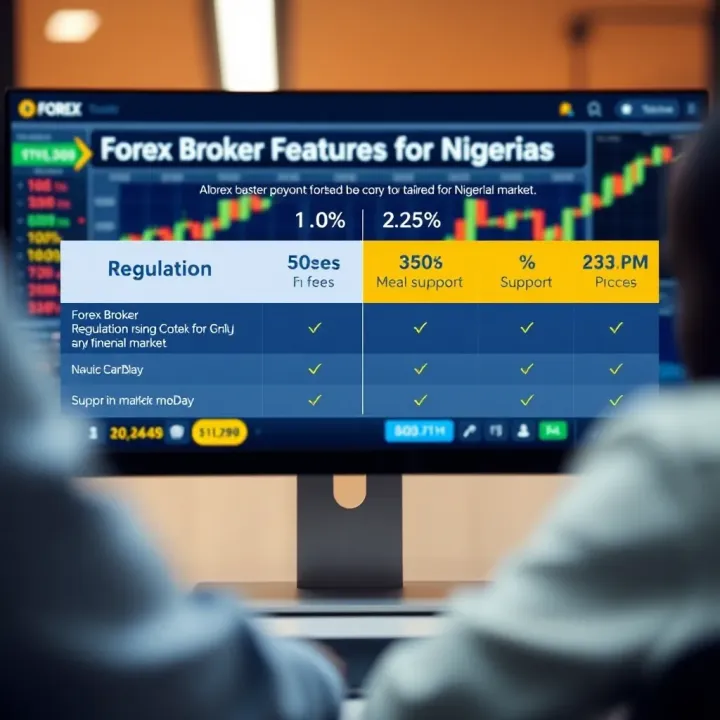
Regulation is the first line of defence against fraud and malpractice in forex trading. Nigerian traders should prioritise brokers regulated by bodies recognised internationally, such as the UK's Financial Conduct Authority (FCA) or Australia’s ASIC. More importantly, brokers authorised by the Nigerian Securities and Exchange Commission (SEC) provide an extra layer of local oversight suited to Nigeria’s market conditions. For example, a broker that complies with SEC rules ensures better for Nigerian users regarding fund protection and dispute resolution.
Unregulated brokers, even if offering attractive bonuses, often carry significant risk. Nigerian traders have reported losing money to brokers without proper licensing. Always check a broker's regulatory credentials on their website or official regulator listings before opening an account.
Your choice of trading platform directly affects how smoothly you can execute trades. Platforms such as MetaTrader 4 (MT4) and MetaTrader 5 (MT5) remain widely popular in Nigeria because of their stability, speed, and variety of tools. Some brokers offer proprietary platforms designed for ease of use, which might appeal to beginners or mobile traders on networks that are sometimes unstable.
Check if the platform supports local payment methods like bank transfers, Naira cards, or USSD payments to avoid bottlenecks during deposits or withdrawals. In Lagos or Abuja, traders who rely on smartphones need apps with low data consumption and fast loading times. Usability matters because no matter how reliable a broker may be, hard-to-use platforms or slow execution can cost your trades dearly.
Different traders require different account structures. Many brokers offer a variety of accounts tailored to beginners and professionals. For Nigerian traders with limited capital, brokers offering minimum deposits as low as ₦10,000 make forex trading accessible without breaking the bank. Meanwhile, more experienced traders might prefer accounts that allow higher leverage or tighter spreads.
Leverage amplifies both gains and losses. Nigerian forex brokers often provide leverage up to 1:200 or 1:400, but pushing for very high leverage can escalate risk unnecessarily. A cautious approach is to start with moderate leverage, say 1:50 or 1:100, and increase as you gain experience.
Understanding these key factors is not only practical but necessary for making smart choices on which forex broker to trust with your hard-earned naira. Spend time comparing each aspect before signing up.
In summary, verifying the broker’s regulation, testing the trading platform for your comfort and access needs, and picking the right account with appropriate deposit and leverage settings will help Nigerian traders navigate the forex market with confidence and reduced risk.
Understanding costs and fees is essential for Nigerian traders aiming to preserve profits in forex trading. These charges directly reduce a trader's earnings, so grasping their nature helps in choosing the most cost-efficient broker. Given the naira's volatility and the extra expenses Nigerian traders face, such as transfer fees and limited payment options, paying attention to these costs is particularly relevant.
Spreads represent the difference between the buying and selling prices of a currency pair. Brokers typically earn from spreads, so a narrow spread generally means lower trading costs. For example, a popular broker might charge a spread of 1.2 pips on EUR/USD, whereas others offer as low as 0.5 pips but may compensate with higher commissions.
Commissions are fees charged per trade, usually calculated as a fixed amount per lot or as a percentage of the trade volume. ECN (Electronic Communication Network) brokers often charge commissions but provide tighter spreads. Nigerian traders should weigh whether paying a commission leads to overall lower costs.
Overnight fees, also called swap or rollover fees, apply when a position is held past the trading day. These charges or credits depend on interest rate differentials between currencies. For instance, holding a long position in USD/NGN beyond the trading day may result in an overnight fee based on prevailing rates. Traders should monitor these fees closely, especially if they prefer long-term positions.
Brokers' fee structures vary widely; studying spreads, commissions, and overnight charges ensures you don’t get caught with unexpected costs.
Costs from deposits and withdrawals can eat into your capital silently. Some brokers offer free deposits but charge withdrawal fees, or vice versa. For Nigerian traders reliant on local banks or payment platforms like Paystack, Flutterwave, or OPay, the availability and cost of these options matter.
A broker that supports local payment methods with low or zero fees provides clear advantages. For example, a broker might allow direct naira bank transfers or USSD transfers without extra charges, saving traders the trouble of expensive cross-border fees or currency conversion costs.
Timing also plays a role; some brokers process withdrawals within 24 hours, while others take several business days, potentially affecting cash flow in an environment where access to funds is critical.
When evaluating brokers, Nigerian traders should:
Check the full breakdown of deposit and withdrawal fees
Confirm supported local payment methods compatible with their banks
Consider the speed and reliability of fund transfers
Choosing a broker with transparent, affordable payment options ensures you keep your funds moving without unnecessary deductions.
Costs and fees combine to impact your trading profit considerably. Being vigilant about these factors will help safeguard your capital while trading forex in Nigeria’s dynamic market.
Access to strong customer support and solid educational resources is vital when picking a forex broker, especially for Nigerian traders who may face unique challenges like intermittent power supply and fluctuating internet quality. These services ensure you can resolve issues quickly and improve your trading knowledge, which contributes to smarter decisions and reduced losses.
Good customer service means more than just having a phone number listed on a website. Nigerian traders should look for brokers who offer localised support, such as a Nigerian phone number or WhatsApp contact that works well even with limited bandwidth. Availability during Nigerian market hours is crucial because timely assistance in case of technical glitches or account questions can make the difference between catching a good trade or missing out.
For example, some brokers provide 24/7 live chat that handles questions from deposit issues to platform navigation. Others might not have this level of responsiveness, which could leave you stranded during critical moments. Also, language matters—support in clear, straightforward Nigerian English helps avoid confusion and miscommunication.
Prompt and accessible customer service reduces downtime and protects your funds when unexpected problems arise.
Quality educational materials provide Nigerian traders with the edge they need to understand the complexities of forex trading. Look for brokers who offer:
Video tutorials that explain basic strategies and platform use
Webinars hosted by experienced traders that cater to both beginners and advanced users
Downloadable guides with local market insights and economic event calendars
Regular market analysis reports highlighting trends in currency pairs that impact the naira or global markets
For instance, a broker that supplies weekly analysis emphasising how CBN policies affect USD/NGN rates offers practical value. Using brokers with demo accounts and tutorial platforms helps you practise without risking real money.
Education is also about continuous learning. Brokers like XM and Pepperstone often offer free courses tailored for African clients, helping traders keep pace with global developments while addressing regional conditions.
In summary, before making a choice, assess how well the broker supports you with both service and learning tools. This preparedness can protect your investment and sharpen your trading skills amid Nigeria's specific challenges.
Nigerian traders benefit greatly from choosing brokers with a solid presence in the local market, both to ease transactions and navigate regulatory nuances. Popular brokers often provide tailored services that cater to the specific needs of Nigerian traders, including convenient deposit and withdrawal methods, local customer support, and competitive pricing structures. These brokers can also boast reliability based on years of servicing the Nigerian forex community, reducing risks associated with scams or unreliable platforms.
Several forex brokers are popular among Nigerian traders due to their extended operations and focus on the Nigerian market. For example, FXTM (ForexTime) offers a variety of account types with low minimum deposits, making it accessible to beginners and professionals alike. It supports local currencies and payment methods like Quickteller and bank transfers, which reduces costs and processing times.
HotForex is another reputable international broker embraced by Nigerians. It has strong educational resources, easy access to MT4 and MT5 platforms, and provides Naira-denominated accounts, making the trading experience smoother. On the local side, brokers such as Pacifix and CedarFX have built trust by ensuring swift deposits and withdrawals within Nigeria, plus localised customer service that understands the challenges Nigerian traders face.
These brokers often understand the importance of addressing local concerns such as naira unit price fluctuations, generator and internet connectivity issues, and other market realities. Thus, they tend to offer Nigerian traders a more stable and supportive trading environment.
A key factor that separates these brokers is their adaptability to local needs. Popular brokers commonly waive or minimise withdrawal fees using local payment systems, vastly reducing costs compared to international wire transfers. For instance, platforms integrating with Paystack or Flutterwave help Nigerian traders fund and withdraw funds quickly without exorbitant charges.
Service-wise, brokers with local Nigerian support teams often ensure response in Nigerian working hours and sometimes provide support in English with common Nigerian expressions for clearer communication. This level of service is crucial in resolving urgent technical or trading issues.
Additionally, competitive spreads and flexible leverage options stand out for Nigerian traders who usually trade with smaller capital by global standards but seek to maximise potential returns. Popular brokers strike a balance between offering attractive leverage (often up to 1:100) and maintaining regulatory compliance to guard clients against excessive risk.
Choosing brokers who understand Nigeria’s unique market conditions can save traders time, money, and stress, making these providers a practical choice over less tailored international options.
In summary, Nigerian traders should prioritise brokers with credible local connections, transparent costing, and proven service quality. Trusted names like FXTM, HotForex, Pacifix, and CedarFX have proven their worth among Nigerian forex traders through reliable service, cost-efficiency, and meaningful local engagement.
📚 Discover how to pick top forex trading books in Nigeria! Tailored for beginners & pros, this guide helps improve your trading skills effectively.
🤖 Find the best forex trading robot for Nigerian traders! Learn to pick reliable bots, manage risks, and avoid common mistakes for smarter trading results.
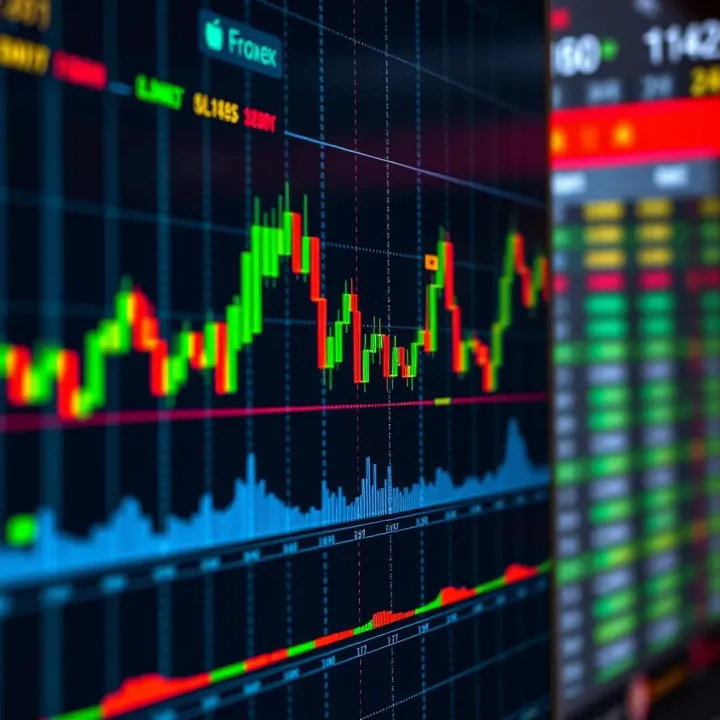
Find out how to pick the best Forex trading indicators in Nigeria 🇳🇬. Learn about popular tools, combining strategies, and tips tailored for beginners 📈.

Discover how to pick the best binary option broker in Nigeria 🇳🇬. Learn about key features, regulations, tools, and avoid common trading pitfalls.
Based on 7 reviews