
Forex Trading Basics for Nigerian Beginners
📈 Learn forex trading basics in Nigeria with this clear guide! Understand market terms, risk tips, broker choices, and how to create a trading plan.
Edited By
Jessica Adams
Forex trading involves buying and selling currencies in a global market open 24 hours daily, except on weekends. For Nigerians keen on investing or earning side income, it offers an accessible way to tap into global financial flows without leaving the comfort of home.
What makes forex appealing here is the low entry barrier. Unlike investing in commercial real estate or stocks on the Nigerian Exchange (NGX), you can start forex trading with as little as ₦10,000 using online platforms. This affordability enables many young traders to participate despite economic challenges like naira volatility and inflation.
However, forex trading is not about quick wins or guesswork. Understanding market basics is essential before risking real money. The foreign exchange market primarily moves on geopolitical events, economic indicators, and central bank policies worldwide—including decisions by the Central Bank of Nigeria (CBN).
For example, a sudden change in Nigeria’s monetary policy rate often affects the naira-dollar exchange rate, creating opportunity for traders who monitor such shifts closely. Equally, global factors like US interest rate changes or crude oil price swings also ripple through the forex market.
Starting with solid basics and prudent risk management helps avoid common traps, such as overtrading or falling for scams—issues prevalent inside and outside Nigeria’s trading space.
To trade effectively, Nigerian traders should:
Choose licensed and trustworthy platforms, often those regulated internationally but locally accessible (e.g., brokers registered with the Securities and Exchange Commission Nigeria)
Learn fundamental and technical analysis to predict price movements rather than relying on tips or hearsay
Use demo accounts initially to practice without financial risk
Understand how leverage works; while it can multiply gains, it can also amplify losses quickly
Keep abreast of Nigerian economic news alongside global economic indicators
This guide will break down the process of starting forex trading in Nigeria, explain trading techniques, highlight regulatory aspects, and suggest reliable platforms to help aspiring traders navigate the forex world confidently and safely.
Grasping how the forex market functions is essential for anyone serious about trading currencies in Nigeria. It lays the groundwork that helps you make informed decisions and avoid costly mistakes. For instance, knowing why certain currency pairs move together or how global events affect the market can stop you from blindly following trends or rumours.
Forex trading is simply the buying and selling of currencies. Unlike stock trading, forex operates 24 hours a day, giving you flexibility to trade outside traditional work hours. For Nigerian traders, this means you can catch market movements even late at night or early morning, adapting to your schedule.
At its core, forex trading involves exchanging one currency for another. The goal is to profit from changes in exchange rates between those currencies — which fluctuate based on economic and political factors.
Currencies are always traded in pairs because when you buy one, you sell another. For example, the USD/NGN pair shows how many Nigerian Naira one US dollar can buy. If the rate moves from ₦450 to ₦460, the dollar has strengthened against the naira, meaning it costs more naira to buy one dollar.
This concept is crucial because profit or loss depends on these currency movements. If you expect the naira to weaken against the dollar, buying USD/NGN could be profitable. Conversely, if you believe the naira will strengthen, selling USD/NGN makes sense.
Majors are currency pairs with the most trading volume globally, typically involving the US dollar like EUR/USD, GBP/USD, or USD/JPY. These pairs have tighter spreads and higher liquidity, making them ideal for beginners.
Minors, on the other hand, exclude the US dollar but pair other currencies, such as EUR/GBP or AUD/NZD. These tend to have wider spreads and less predictable moves, which can be riskier and costlier to trade.
The forex market runs 24 hours on weekdays, split into sessions aligned with global financial centres: London, New York, Tokyo, and Sydney. Because these centres open at different times, there’s always a market active somewhere.
For Nigerian traders, the London and New York sessions overlap with daytime and early evening hours, making these the most liquid and active times to trade. Trading during these hours helps you get better price execution and more reliable market moves.
Banks, brokers, and individual traders all play distinct roles. Banks provide the bulk of liquidity, moving large sums that can shift currency prices. Brokers connect you to the market and offer trading platforms. Meanwhile, retail traders like you supply market activity and can influence smaller price fluctuations.
Regarding trade types, spot trading is the straightforward exchange of currencies at current rates. Futures and options are more complex contracts that let you buy or sell currencies on specific terms in the future. For beginners, spot trading is generally the most accessible and practical way to start.
Understanding these foundational aspects gives Nigerian traders a solid base to develop practical strategies and manage risks effectively in the forex market.
Getting started with forex trading in Nigeria involves more than just knowledge of currency pairs and market movements. Setting up properly lays the groundwork for your trading activities and can protect you from unnecessary losses or scams. This stage covers selecting a reliable broker, opening and funding your account—all tailored to fit the Nigerian context where regulatory frameworks, payment methods, and naira fluctuations add unique challenges.
Forex brokers operating in Nigeria should be registered with the Securities and Exchange Commission (SEC) Nigeria, which regulates capital markets to ensure transparency and protect investors. A broker with SEC approval or those regulated by credible international bodies like the Financial Conduct Authority (FCA) or Cyprus Securities and Exchange Commission (CySEC) brings more trust and reduces the risk of fraud. Unregulated brokers often promise unrealistic returns and disappear with traders’ funds, so confirming licensing is a must.
When selecting a broker, consider spreads, which are the difference between the buying and selling price of currency pairs. Low spreads reduce your cost of trading. Also, watch out for hidden fees such as withdrawal charges or inactivity penalties. Platform usability matters since you’ll need an interface that's intuitive and reliable, like MetaTrader 4 or proprietary platforms. Nigerian traders benefit from brokers offering mobile-friendly apps because unstable power and internet sometimes force switching on the go.
Some brokers trusted by Nigerian traders include FXTM, HotForex, and IG Markets. These brokers support local payment methods and offer localised customer service, which eases access to funds and troubleshooting. They also provide straightforward onboarding consistent with Nigerian documentation requirements.
To meet Nigerian regulatory requirements and reduce fraud risk, brokers require the Bank Verification Number (BVN) and National Identification Number (NIN) during registration. These IDs verify your identity and bank information. Providing these details helps ensure your trading account is secure and linked to your legal identity, protecting you from identity theft or unauthorised transactions.
Funding your trading account is easiest when the broker accepts popular Nigerian payment options like bank transfers, USSD codes (such as *737# from GTBank or *329 from Access Bank), and e-wallets including OPay or PalmPay. These methods handle naira deposits smoothly without needing complicated forex conversions. Also, seamless withdrawals allow you to access profits quickly, which is vital in a market affected by delays in fund transfers.
Since forex trading typically occurs in major currencies like the US dollar or euro, Nigerian traders face currency conversion risks due to naira’s volatility. For instance, a sudden naira depreciation against the dollar can impact your capital and profits when transferring funds in or out. It’s advisable to use brokers offering real-time currency conversion rates and to keep track of the Central Bank of Nigeria (CBN)’s exchange rate policies. Planning trades around naira fluctuations can help protect your portfolio from unexpected losses.
Setting up correctly is the first step towards trading forex confidently in Nigeria. Choosing the right broker, understanding documentation needs, funding your account wisely, and accounting for the naira’s volatility give you a solid foundation to build from.
Knowing solid trading strategies is a must for anyone diving into forex, especially beginners in Nigeria. Forex can be quite volatile with naira’s own fluctuations, so having clear strategies helps control risk and improve chances of profit. These strategies combine technical skills and understanding of economic factors, plus a disciplined plan to guide trading decisions.
Reading price charts is the starting point for many traders. Charts show how currency prices have moved over time, using lines or bars, helping traders spot patterns. For example, a Nigerian trader might watch the USD/NGN chart to notice sudden spikes or dips caused by political news or CBN policy changes. This visual guide assists in anticipating future moves based on past behaviour, though it’s not guaranteed.
Common indicators and tools such as moving averages, Relative Strength Index (RSI), and Bollinger Bands help add objectivity to chart reading. A moving average smooths out price action, showing the general trend without noise. An RSI can signal if a currency pair is overbought or oversold, which could hint at a price reversal. Nigerian traders often use these tools on platforms like MetaTrader 4 to make informed decisions rather than relying on gut feel.
Understanding trends and support/resistance levels is vital. A trend could be upward (bullish) or downward (bearish), showing the general market direction. Support is a price level where a currency tends to stop falling, while resistance is where it may stop rising. For instance, if the EUR/USD has found support around 1.0500 several times in a month, a trader might see this as a good entry point. Recognising these levels can help you decide when to buy or sell.
Economic news and announcements affect forex prices fast. Reports like Nigeria’s inflation rate, CBN’s monetary policy decisions, or US nonfarm payroll figures can shift forex pairs instantly. For instance, an unexpected rise in Nigerian inflation might weaken the naira, impacting USD/NGN rates. Staying updated with such news lets traders prepare or adjust their positions timely.
Interest rates and inflation impact currency value through purchasing power and investment flow. Higher interest rates often attract foreign investors, strengthening a country’s currency. If the CBN raises its policy rate, naira may gain against other currencies, assuming inflation remains stable. Inflation eats into value, so rising inflation without interest rate adjustments can weaken a currency. Such fundamentals shape medium to long-term forex trends.
Following Nigerian and global events is another layer. Political stability in Nigeria, global commodity prices (especially oil), and economic summaries from other large economies affect forex markets. For example, a drop in crude oil prices may pressure naira since Nigeria’s economy depends on oil revenues. Traders who track these factors alongside technical signals tend to have better insight.
Setting realistic goals keeps you grounded. Instead of expecting to double your capital in a month, aim for steady, manageable gains. For beginner traders, a goal like earning a few percent profit monthly while preserving capital is more practical. Unrealistic targets often lead to reckless trades and losses.
Defining entry and exit points means deciding beforehand at what prices you will buy or sell. This tactic helps prevent emotional decisions. For example, you might decide to enter a trade buying USD/NGN at ₦460 and take profits if it hits ₦470, while setting a stop-loss at ₦455 to limit loss. Clear exit rules reduce the risk of holding losing positions too long.
Using demo accounts to practice is one of the smartest moves for trading beginners. Most brokers offer free demo accounts where you can trade with virtual money in live market conditions. This way, Nigerian traders can learn technical analysis, try strategies, and understand order types without risking real naira. Practice builds skill and confidence before committing real funds.
Mastering these basic strategies will help beginners avoid common Forex pitfalls and build a disciplined approach to trading Nigerian naira pairs and others on a global scale.
Managing risks is essential for anyone serious about making money in forex trading. The market can be volatile, especially for Nigerian traders dealing with naira fluctuations and unpredictable global events. Without solid risk management strategies, even experienced traders can face heavy losses. This section looks at practical ways to protect your capital and avoid common pitfalls many beginners fall into.
Setting stop-loss and take-profit orders is one of the simplest yet most effective tools to manage risk. A stop-loss limits your loss by automatically closing a position when the price reaches a specified level, while a take-profit locks in gains by selling once a target price is hit. For example, if you buy EUR/USD at 1.2000, you might set a stop-loss at 1.1950 to cap losses at 50 pips and a take-profit at 1.2100 to secure profits. This approach prevents emotional decisions during market swings and ensures you stick to your trading plan.
Limiting leverage use is crucial, especially given the temptation to multiply potential profits. Nigerian traders often get lured into high leverage options offered by some brokers, sometimes as high as 1:500. However, excessive leverage can wipe out your account quickly if the trade goes against you. It's safer to use moderate leverage – say 1:10 or 1:20 – so you only risk a manageable portion of your capital. This way, one or two bad trades won’t drain your entire account, helping you stay longer in the game.
Position sizing based on capital means adjusting the size of your trades according to how much money you have. If your account balance is ₦50,000, risking 2% per trade would limit your loss to ₦1,000 on any single trade. Proper position sizing helps balance your risk and reward, preventing you from over-exposing yourself. Many newbie traders jump into large positions too quickly, which leads to heavy losses. Starting small and increasing your trade size slowly as you gain experience helps build a solid foundation.
Overtrading and emotional decisions are a widespread problem among beginners. After a losing trade, many feel the urge to immediately recover losses by making numerous trades or increasing their stake. This emotional reaction often leads to careless decisions and compounding losses. For instance, a trader might open multiple positions without proper analysis simply to ‘make back the money,’ leading to burnout and bigger financial damage.
Chasing quick profits is another trap. Forex markets do offer the chance for fast gains, but trying to earn ₦100,000 overnight without a solid strategy is unrealistic and risky. Many Nigerian traders get tempted by online adverts promising fast wealth, only to lose their capital. Consistent gains come from patience, discipline, and well-planned trades, not chasing every sharp price movement.
Neglecting continuous learning holds many back from long-term success. The forex market constantly evolves, influenced by Nigeria’s economic changes and global shifts. Traders who stop learning new skills, tools, or market developments tend to repeat mistakes. Using demo accounts, attending local webinars, and following market news are practical ways to stay updated. Continuous learning helps you adapt and improve your trading approach over time.
Successful forex trading in Nigeria is not about luck but consistent risk management and learning from mistakes. Protect your capital, stick to your plan, and grow steadily.
By applying these practical risk management techniques and avoiding common errors, Nigerian traders can improve their chances of sustained profits and avoid the heartbreak of wiped accounts.
Access to reliable tools and resources can make a world of difference when trading forex in Nigeria. These help you not only execute trades effectively but also make informed decisions, manage risks, and stay updated with market developments. Given the unique challenges Nigerian traders face—like currency fluctuations and limited payment options—having the right platforms and educational sources is essential.
MetaTrader 4 and 5 are among the most trusted platforms worldwide, favoured by Nigerian traders because of their user-friendly interface and advanced charting tools. MT4, in particular, offers a wide range of indicators and automated trading options, while MT5 adds features like more timeframes and economic calendars. Many brokers supporting Nigerian clients integrate these platforms, making it easy to run your trades with precision.
Choosing a broker that supports local payment methods is critical. Brokers that accept payments via bank transfers, USSD codes, or popular Nigerian e-wallets like OPay and PalmPay provide smoother transaction experiences. This reduces delays and high charges from currency conversion, especially given the naira’s volatility. It’s wise to pick brokers enabling easy deposit and withdrawal in naira to safeguard your funds.
With the rise of smartphones, mobile trading apps popular in Nigeria have become indispensable. Apps provided by brokers or third-party developers (including MetaTrader’s own mobile versions) let you trade wherever you go, monitor the market in real time, or receive instant notifications of price changes. This flexibility suits Nigerian traders who often juggle busy schedules or face power and internet outages.
Local forex courses and webinars offer practical knowledge tailored to Nigerian market conditions. Several fintech firms, training centres, and even brokers host sessions that cover everything from basic concepts to advanced strategies. Attending these can demystify challenges like using leverage wisely or interpreting economic news affecting the naira.
Engaging with online communities and forums connects you with other Nigerian forex enthusiasts and experienced traders. Platforms such as Nairaland’s forex section or dedicated WhatsApp groups are active places for sharing tips, warning against scams, and discussing broker reliability. Interacting here can sharpen your skills and keep you informed about market trends.
Finally, regular consultation of useful websites and regulatory bodies is advisable. The Central Bank of Nigeria (CBN) provides updates on policies impacting forex trading, while the Securities and Exchange Commission (SEC) oversees market integrity. Following these ensures you stay compliant and aware of any regulatory changes. Additionally, websites that track forex news and economic data globally and locally help you prepare for market-moving events.
Having the right tools and resources tailored to the Nigerian environment is half the battle won in forex trading.
With these platforms and learning avenues in hand, you’re better equipped to approach the forex market with confidence, minimizing risks and making smarter trading choices.
📈 Learn forex trading basics in Nigeria with this clear guide! Understand market terms, risk tips, broker choices, and how to create a trading plan.
📈 Get a clear and detailed guide to forex trading basics for beginners. Learn key concepts, tools, strategies, and avoid common mistakes with confidence.
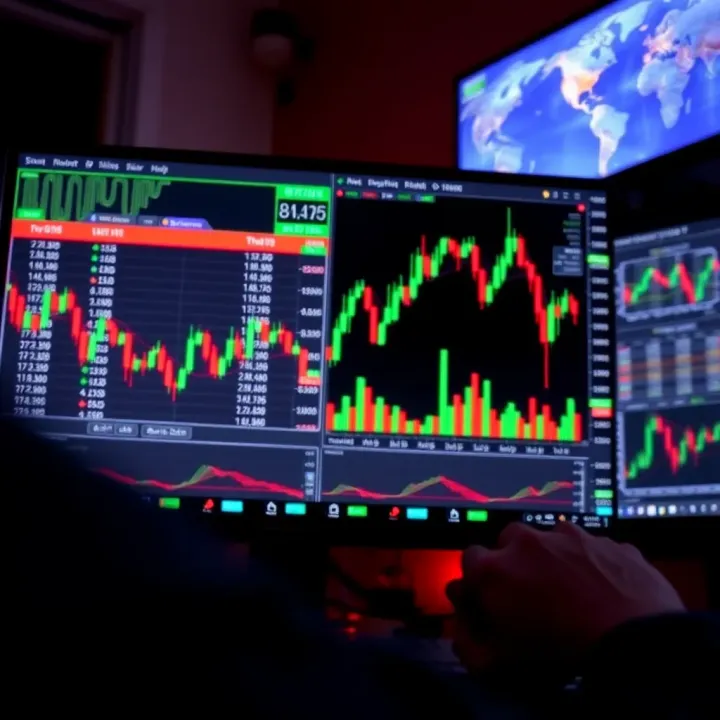
Start your forex journey in Nigeria with steps on choosing trusted brokers, mastering trading platforms, managing risks, plus tips to trade profitably 💹💰
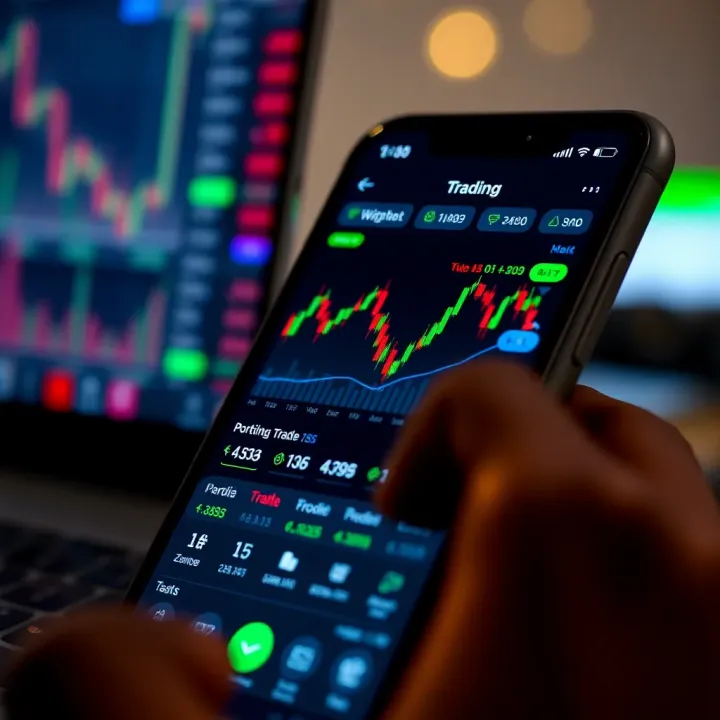
📈 Discover how beginners in Nigeria can pick the best stock trading app with tips on features, security, costs, and easy steps to start investing today! 🇳🇬
Based on 7 reviews