
Choosing the Best Forex Trading Platform for Beginners in Nigeria
📈 New to forex trading in Nigeria? Discover how to choose a user-friendly, secure, and cost-effective platform with helpful support to start trading smartly!
Edited By
Amelia Clarke
Starting forex trading in Nigeria can seem daunting at first, but with the right information and approach, you can navigate this market confidently. Forex trading involves buying and selling currencies in the global foreign exchange market. Nigerians often turn to forex to supplement income or as a full-time venture, especially given the volatility in local investment options and inflationary pressures.
Before putting your ₦ on the line, understand these key points:
Market Hours: The forex market runs 24 hours from Monday to Friday. Knowing when major markets like London, New York, and Tokyo open and close helps you spot high volatility periods to trade.
Currency Pairs: Most Nigerian traders focus on major pairs like USD/NGN, EUR/USD, or GBP/USD, but exotic pairs also offer opportunities. Keep an eye on pairs with tight spreads to reduce transaction costs.
Leverage and Margin: Brokers often offer leverage, sometimes as high as 1:500, allowing you to control larger positions with smaller capital. However, too much leverage can wipe out your investment quickly. Start small and increase leverage cautiously.
Choosing a broker is crucial. Look for brokers regulated by reputable bodies such as the Financial Conduct Authority (FCA) or the Securities and Exchange Commission (SEC) Nigeria. Reliable brokers provide secure trading platforms, transparent fees, and responsive customer service.
Trading platforms like MetaTrader 4 or 5 are popular because they offer technical analysis tools and automated trading options. You should spend time mastering these platforms, focusing on functions like charting, indicators, and order types.
Managing risk cannot be overstated. Use stop losses to limit your losses and avoid emotional decisions. Never risk more than 1-2% of your trading capital on a single trade. Also, diversify by trading different currency pairs rather than putting all eggs in one basket.
Trading forex requires discipline and continuous learning. Successful traders in Nigeria combine market knowledge with careful money management.
In the next sections, we'll walk through selecting the right broker, understanding trading strategies, and practical tips tailored for the Nigerian market. Forex trading isn't a quick rich scheme; it demands preparation and patience to see consistent returns.
Getting a solid grip on forex trading basics sets the foundation for any beginner serious about this market. Without understanding key concepts, it's easy to get lost in terms or make costly mistakes. Knowing how forex works practically makes your entry smoother and trading decisions smarter.
Forex trading involves buying and selling currencies against each other with the aim of making a profit. Unlike stock markets, forex operates 24 hours a day, allowing traders in Lagos or Abuja to jump in anytime. For example, you might buy the USD/NGN pair hoping the dollar strengthens against the naira, then sell it later at a better rate.
Forex trading always involves two currencies, called a currency pair, such as USD/NGN or EUR/USD. The first currency is the base, and the second is the quote currency. The price shows how much of the quote currency you need to buy one unit of the base currency. If USD/NGN is 460, it means ₦460 buys 1 US dollar. Understanding this helps you know exactly what you’re buying or selling.
'Pip' stands for "percentage in point" and is the smallest price movement in a currency pair, often the fourth decimal place. For USD/NGN, if the price moves from 460.0000 to 460.0100, it has moved one pip. 'Lots' refer to the amount of currency you trade. One standard lot equals 100,000 units of the base currency. Beginners often start with mini or micro lots, allowing less risk while learning.
Leverage lets you control a larger position than your deposited funds. For instance, 50:1 leverage means ₦1 can control ₦50 in the market. While this can multiply profits, it can also increase losses quickly. Margin is the money you must put down to open a trade using leverage. Understanding this is essential to avoid blowing your account during volatile market moves.
In Nigeria, forex trading typically happens through brokers authorised by the Securities and Exchange Commission (SEC). You open an account with these brokers, fund it in naira or dollars, then trade currency pairs using online platforms like MetaTrader 4 or brokers’ proprietary apps. Because of naira's volatility and Central Bank of Nigeria policies, prices can fluctuate sharply — awareness of local economic news, foreign exchange regulations, and CBN interventions is key for successful trading.
Grasping basic forex concepts gives you the headstart needed to navigate the market confidently and avoid being overwhelmed by jargon or high risks.
Picking the right forex broker is a must for any beginner in Nigeria. Since you entrust your funds and trading activities to the broker, a reliable one safeguards your money, provides fair trading conditions, and offers efficient support. Considering Nigeria's growing forex market, the rise of fraudulent brokers means you must pay attention to regulation, platform features, and payment options before you commit.
The Securities and Exchange Commission (SEC) Nigeria plays a vital role in regulating forex brokers within the country. When a broker is SEC-licensed, it means they've met certain standards designed to protect investors. This includes capital requirements, proper record-keeping, and transparency in their operations. For you as a trader, choosing an SEC-registered broker reduces the chance of falling victim to scams or shady practices.
Moreover, SEC Nigeria periodically audits licensed brokers to ensure compliance. If a dispute arises, you have a regulatory body to turn to for resolution. Conversely, unregulated brokers often operate without oversight, leaving you exposed to potential losses.
Legitimate brokers usually provide clear information about their regulation status on their website, along with valid licence numbers you can verify with SEC Nigeria. They also avoid promising guaranteed profits or extremely high returns, a common red flag. Besides the SEC, some brokers may also be regulated by reputable international bodies such as the FCA (UK) or CySEC (Cyprus), but an SEC licence is crucial for Nigerian traders.
Before registering, do a thorough check: read reviews, confirm their regulatory details, and test their customer service. Genuine brokers are transparent and willing to answer your questions honestly.
The trading platform is where you spend most of your time, so it must be user-friendly and reliable. Popular platforms like MetaTrader 4 or MetaTrader 5 are widely supported and come with useful tools like real-time charts, technical indicators, and automated trading options. Some brokers also offer proprietary platforms tailored for beginners.
A platform that works smoothly on your phone and computer helps you stay on top of your trades. Demo accounts to practice before risking real money are another important feature to look out for.
Costs matter a lot in forex trading because they directly impact your profits. Brokers charge fees through spreads—the difference between buy and sell prices—and sometimes through commissions on trades. Lower spreads mean you pay less per trade, which benefits frequent traders.
Check if the broker charges hidden fees for deposits, withdrawals, or inactivity. For example, while some might offer zero commissions but wider spreads, others balance both. Understanding this helps you pick a broker whose fees align with your trading style.
Convenience for funding your account cannot be overstated. Nigerian brokers or international brokers supporting Nigerian clients often allow deposits and withdrawals directly in naira. Common methods include bank transfers from Nigerian banks, USSD codes like *737#, or mobile wallets such as OPay and PalmPay.
Using local currency reduces the hassle and cost of currency conversion fees. Plus, quick withdrawals mean you can access your profits without unnecessary delay, which is important especially as generator and fuel costs make external expenses unpredictable.
A solid broker combines good regulation, practical platforms, competitive fees, and easy naira payment options. These factors together protect your funds and smooth your trading journey.
Opening a forex trading account is where your journey into forex truly begins. This step is vital because it links you to the market and your broker’s platform, enabling you to buy or sell currencies. Besides establishing your presence, it's where you’ll provide important information to confirm your identity and secure your funds, ensuring safety and compliance within Nigeria's financial environment.
To register and verify your forex trading account, you must provide certain key documents. These include your National Identification Number (NIN), Bank Verification Number (BVN), and a valid photo identification such as an international passport or driver’s licence. These documents serve to confirm your identity and comply with anti-money laundering (AML) rules, which brokers in Nigeria strictly enforce. For example, when registering with leading brokers, you’ll see a prompt for uploading scanned copies or photos of these requirements to get your account verified within a few days.
Account types vary, and beginners usually start with a standard or micro account. A micro account allows trading with smaller amounts, sometimes as low as ₦10,000, which reduces the financial risk while you learn. Standard accounts often require higher minimum deposits and offer better leverage and spreads. Selecting an account type suited to your budget and trading goals is essential. For instance, a beginner might prefer a micro account on platforms like Pepperstone or FXTM Nigeria to get hands-on experience without risking too much.
Funding your forex trading account in Nigeria is typically straightforward, with banks, USSD codes, and mobile wallets playing key roles. Bank transfers remain the most popular method, thanks to their security and traceability. Many brokers accept Nigerian bank transfers via GTBank, Zenith, or Access Bank, making deposits quick and easy. USSD payments, especially with codes like *945#, allow you to fund your account using your mobile phone without internet access. Mobile wallets like OPay and PalmPay also offer convenient funding channels in real-time.
Currency conversion can eat into your trading capital if not managed well. Since forex trading platforms commonly operate in USD or EUR, funding your account with ₦ involves conversion fees. Look for brokers offering ₦-denominated accounts or transparent exchange rates to limit these costs. Also, monitor rates with naira volatility; depositing when the exchange rate is favourable can add value. Always double-check transaction fees on both your bank and the broker’s side to avoid surprises.
A trading platform is your workspace and tool for executing trades, analysing charts, and tracking market news. Basic features include price charts, order entry panels, watchlists, and account balance displays. Popular forex platforms such as MetaTrader 4 (MT4) and MetaTrader 5 (MT5) are widely used in Nigeria for their user-friendly interfaces and rich features. Understanding how to place market or pending orders, set stop-loss and take-profit levels, and read real-time price quotes is essential for practical trading.
Before trading with real money, practice on demo accounts offered by most brokers. Demo accounts simulate live market conditions without risking your funds, allowing you to get familiar with platform features, test strategies, and build confidence. For example, you can try out different order types or examine market behaviour during volatile periods on a demo account. This preparation helps reduce beginner mistakes and improves decision-making when trading live.
Starting with a verified account, using trusted payment methods, and mastering the trading platform will give you a strong footing in forex trading. Approach each step with care, and you’ll be better set to navigate the dynamic forex markets from Nigeria.
Starting forex trading without clear strategies and risk management is like driving a danfo without a brake—you're bound to run into trouble. For beginners in Nigeria, grasping simple, effective trading strategies and controlling risks safeguards your capital and improves chances of making consistent gains. This section breaks down approachable methods tailored for newcomers and shows why managing losses is as crucial as chasing profits.
The trend following strategy rides on the idea that currency prices tend to move in one direction—upwards or downwards—for some time. Beginners watch the price charts to identify when a currency is in a clear upward or downward trend, and they enter trades aligned with that direction. For instance, if the naira-dollar (NGN/USD) pair is steadily climbing after CBN's policy shift, a trader buys into the uptrend instead of betting against it.
Following trends helps avoid unnecessary guesswork and fits the mantra "the trend is your friend". However, trends can reverse sharply, so timing entry and exit points is key. This method suits beginners because it relies less on speculation and more on market momentum.
Support and resistance refer to price points where a currency pair tends to stop falling or rising, respectively. Imagine NGN/USD repeatedly dropping to ₦450 and bouncing back up—that level is called support. The opposite, say ₦460, where price struggles to break higher, is resistance.
Trading around these levels lets you anticipate possible market moves. Beginners can plan to buy near support and sell near resistance, reducing shock from sudden crashes. These levels often emerge from previous highs and lows, making them practical markers to watch.
Stop-loss orders automatically close positions to limit losses when the market moves against you. For example, if you buy NGN/USD at ₦455, you can set a stop-loss at ₦450 to prevent losing more than ₦5 per unit. Take-profit orders do the opposite by locking in gains when the price reaches your target.
These tools prevent emotional decision-making, which is common among new traders. They also protect your capital during volatile times, such as sudden naira devaluation following a policy announcement.
Leverage lets traders control larger positions with smaller funds. While brokers might offer up to 1:500 leverage, using high leverage can wipe out your account quickly—especially if you’re trading volatile pairs like NGN/USD.
Beginners should start with low leverage or none at all. For instance, using 1:10 leverage means a ₦10,000 deposit controls ₦100,000 worth of trade. This reduces risk exposure and helps maintain steady progress rather than chasing big profits fast and facing big losses.
Overtrading happens when you jump into too many trades or trade too frequently chasing every price move. This behaviour often leads to higher transaction costs and poor decisions.
Stick to your strategy and trade only when setups meet your criteria. Quality over quantity applies—waiting patiently for the right moment often yields better results than frenzied activity.
Forex trading triggers strong feelings—fear of losing and greed for more. Emotions can distort judgement, prompting rash trades or holding losers too long.
Being aware of these triggers helps you stay disciplined. For example, after losing a trade, avoid immediately trying to "recover" by increasing trade size. Taking breaks, journaling trades, and reviewing outcomes calmly strengthens emotional control.
A clear trading plan outlines when to enter and exit trades, risk limits, and strategy rules. Sticking to it avoids decisions based on hunches or market noise.
Traders who ignore plans often make inconsistent moves, reducing profit chances. For beginners in Nigeria, making a plan and committing to it helps navigate challenges like naira volatility or sudden policy shifts without panic.
Consistency and control form the backbone of successful forex trading. Combining simple strategies with disciplined risk management keeps your trading journey steady and sustainable in the Nigerian market.
Success in forex trading in Nigeria doesn’t just come from understanding the basics. It requires practical knowledge tailored to local market realities. By focusing on effective monitoring of the naira exchange rate, staying updated on Central Bank of Nigeria (CBN) policies, using trustworthy educational resources, and avoiding common pitfalls and scams, beginners can navigate the forex market with more confidence and better results.
The naira exchange rate is a critical factor for Nigerian forex traders. Since the naira often faces volatility due to economic pressures and foreign exchange scarcity, traders need to watch rate fluctuations closely. For instance, sudden moves in the naira’s value against the dollar or euro can affect currency pair prices, creating trading opportunities or risks. Regularly checking official rates from the CBN or market rates on platforms like the Bureau De Change helps traders make more informed decisions.
Keeping an eye on trends in the parallel and official exchange rates also matters. Sometimes, the official naira rate doesn’t reflect what's happening on the street. Understanding these differences can prevent surprises and help set realistic profit targets when trading forex pairs involving the naira or related currencies.
CBN’s monetary and foreign exchange policies have a direct bearing on forex trading conditions. When the CBN introduces or removes restrictions on currency repatriation or adjusts the monetary policy rate (MPR), market liquidity and forex prices can shift sharply.
Take the recent CBN dollar sales bans or limits on forex access for importers. Such policies tighten supply and can push the naira’s value in unexpected ways, which, in turn, impact forex pairs involving the naira. Being aware of these moves lets traders anticipate market swings and plan entries or exits more strategically.
Learning from qualified Nigerian trainers and joining local trading communities can accelerate beginner success. Providers like FXTM Nigeria or local chapters of global forex academies offer context-focused courses that explain how to trade within Nigeria’s unique market constraints. These programmes often address issues like funding accounts with naira, understanding local regulations, and managing transfer charges.
Community groups on Telegram, WhatsApp, or Facebook also provide platforms for sharing tips, trade ideas, and warnings about scams. Interacting with experienced Nigerian traders here offers practical insights not found in generic online courses.
Practice remains crucial in forex trading. Many platforms such as MetaTrader 4/5, available through Nigerian brokers, allow demo accounts where beginners can trade virtual funds in real-market conditions. This hands-on approach helps users learn order placement, understand spread costs, and test strategies without risking real money.
Additionally, reputable online tutorials focusing on forex fundamentals, technical analysis, and trading psychology are widely available. Nigerians can take advantage of these free or affordable resources to deepen their knowledge before committing capital.
Scams remain a major threat in Nigerian forex trading. Red flags include brokers promising guaranteed returns, pushing large leverage with little explanation, or pressuring for urgent deposits. False trading apps or brokers without SEC (Securities and Exchange Commission) Nigeria regulation pose significant risks.
Traders should verify broker licences, check reviews on legitimate forums, and never share passwords or secret codes. If an offer sounds too good to be true, it probably is.
Safe fund management is critical. Use brokers that offer secure deposit and withdrawal options in naira via reliable banks or payment channels like USSD payments or mobile wallets. Avoid sending large sums upfront without confirming the broker’s credentials.
Set up two-factor authentication for accounts and never trade with funds you cannot afford to lose. Regularly update passwords and keep records of transactions to monitor for irregularities.
Practical local knowledge and vigilance are the bedrock of profitable and safe forex trading in Nigeria. Following these tips helps you stay a step ahead in a market full of opportunities and challenges.
📈 New to forex trading in Nigeria? Discover how to choose a user-friendly, secure, and cost-effective platform with helpful support to start trading smartly!
📱 New to forex trading in Nigeria? Discover how to choose the best app with insights on features, security, costs, and tips to start confidently. 💹
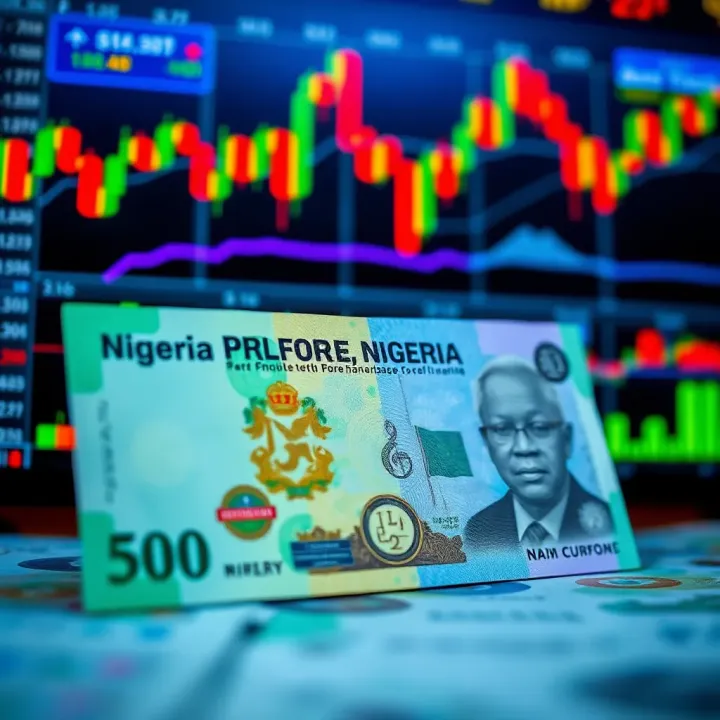
🌍 Discover forex trading basics in Nigeria! Learn market terms, pick the right broker, manage risks, and avoid common beginner mistakes today.

Ready to start forex trading in Nigeria? 🌍 Learn key basics, strategies, and risk tips to trade currencies confidently in the 24/7 global market. 💹
Based on 6 reviews