
Understanding Risk Management for Nigerian Businesses
Learn practical risk management strategies to protect Nigerian businesses from threats like market shifts, power issues, and currency fluctuations. 📉🔍
Edited By
Andrew Collins
Risk management is the backbone of business sustainability, especially in the fast-paced Nigerian market. For traders, investors, brokers, analysts, and entrepreneurs, understanding how to identify, evaluate, and control risks can mean the difference between profit and loss. Risk management is not just about avoiding danger, but also about making informed decisions that help your enterprise grow safely.
At its core, risk management involves recognising potential threats — from currency fluctuations and policy changes to supply chain disruptions and security challenges — and putting in place practical strategies to reduce their impact. For example, a Lagos-based export company might face risks from volatile forex rates and delays at port customs. Effective risk management would involve hedging against currency losses and diversifying shipping routes.

In Nigeria, using risk management PDFs is common among businesses because they offer ready-made templates and checklists that simplify the process. These documents give you a framework to systematically assess threats, assign responsibilities, and monitor risk controls. For instance, a trader can use a risk assessment matrix PDF to categorise risks by likelihood and severity, helping prioritise responses efficiently.
A practical risk management plan helps avoid costly surprises, enhancing confidence for investors and stakeholders.
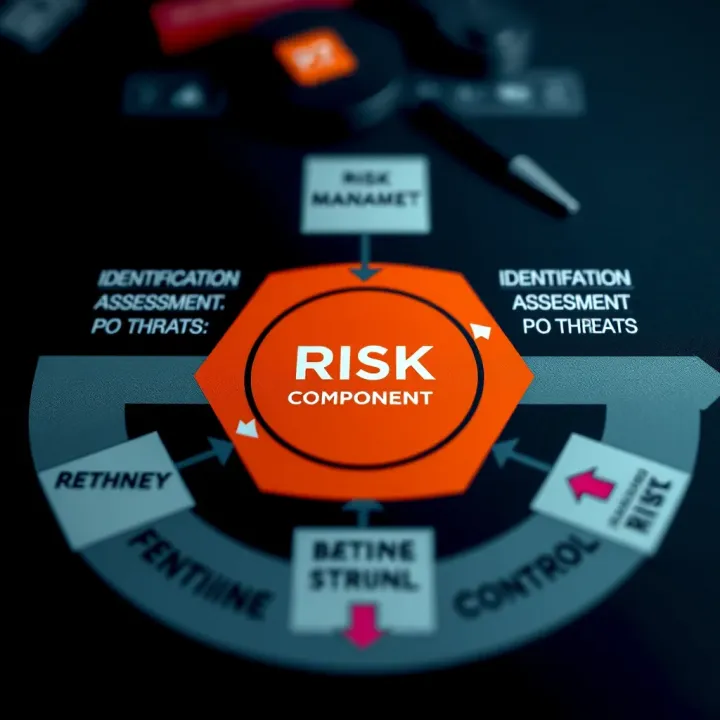
Risk Identification: Spotting potential issues that could affect your business operations. For example, a fintech start-up must consider cybersecurity threats and regulatory compliance.
Risk Analysis: Measuring the likelihood and impact of identified risks. This might involve forecasting how a 10% drop in the naira’s value could affect import costs.
Risk Mitigation: Actions taken to reduce risks, like diversifying suppliers or obtaining insurance.
Monitoring and Review: Tracking the effectiveness of risk controls and adjusting as new challenges emerge.
These steps are best documented in structured PDFs, which help maintain consistency and facilitate communication across teams. Nigerian SMEs often find these tools handy during ember months, when business activities intensify alongside risks.
Using practical PDFs tailored for Nigerian businesses brings clarity and efficiency, turning what seems like an overwhelming task into manageable, actionable steps. Whether you are a broker managing client portfolios or an entrepreneur launching a new product, having accessible risk guides keeps you prepared for the unexpected.
Understanding risk management is more than theory; it’s about applying clear, practical methods that protect your bottom line without slowing down your ambitions.
Risk management is the process through which Nigerian businesses identify, assess, and prioritise risks that could hamper operations or growth. It’s a practical necessity in Nigeria’s complex economic environment where uncertainties—from inflation spikes to security concerns—occur frequently. For traders, investors, and entrepreneurs, effective risk management directly influences decision-making, controls costs, and helps protect capital.
Risk in business refers to any potential event or condition that can negatively affect an organisation’s objectives. It might be financial loss from currency fluctuations, operational disruption caused by power outages, or reputational damage after a compliance failure. In Nigeria, businesses face an array of risks due to local conditions—so understanding these threats is fundamental. For example, a textile trader reliant on tokunbo fabric imports must consider foreign exchange rate volatility and port delays.
Nigerian businesses encounter risks ranging from economic to environmental and political. Currency devaluation and inflation impact purchasing power and cost structures. Security risks such as kidnapping or vandalism affect supply chains, especially in the North East and the Niger Delta. Regulatory risks abound due to evolving tax policies from FIRS or changing CBN guidelines. Even weather patterns affect agric-based businesses, as flood or drought can destroy crops and livestock.
Risk management preserves business assets—physical, financial, and human. Take a manufacturing firm running diesel generators amid frequent power outages; delaying maintenance risks costly breakdowns and downtime. With a clear risk plan, the firm can schedule timely upkeep and budget for fuel costs, reducing unplanned expenses. Similarly, investors protecting portfolios against the naira’s volatility use hedging to safeguard returns.
Managing risk keeps business operations smooth and supports growth plans. Without mitigation strategies, disruptions can cascade, affecting supply chains and customer trust. Consider a Lagos-based startup with limited cash flow; sudden regulatory changes could shut down operations unless alternative compliance measures or reserves exist. Through proactive risk assessment, organisations can prioritise threats, allocate resources intelligently, and seize growth opportunities even amid uncertainty.
Effective risk management is not a luxury but a survival tool for Nigerian enterprises, shielding resources and enabling resilient expansion.
Risk management is not a one-off task; it unfolds through well-defined steps that help businesses spot threats early, set clear plans, and adjust as situations change. For Nigerian traders, investors, brokers, and entrepreneurs, understanding these steps can mean the difference between surviving market swings and thriving despite them.
Before you can handle risks, you need to identify them. Practical tools like checklists, SWOT analysis (Strengths, Weaknesses, Opportunities, Threats), and simple brainstorming sessions can help flag potential pitfalls. For instance, a Lagos-based retail chain might use sales data and customer feedback to detect risks such as stock shortages during ember months or supply delays caused by traffic gridlocks.
Evaluating each risk’s impact and likelihood is key to prioritising which ones deserve urgent attention. This usually involves assigning scores or labels like ‘high’, ‘medium’, or ‘low’ to both the chance of occurrence and the potential damage. For example, a fintech startup might rate cyber-attacks as high impact and medium likelihood, encouraging sizeable investment in cybersecurity measures.
Developing solid risk mitigation strategies means designing steps to either reduce the chance of a risk happening or lessen its effects. Nigerian companies can adopt measures such as diversifying suppliers to lessen reliance on tokunbo parts or creating backup power sources to battle frequent DISCO outages.
Assigning responsibilities ensures that specific team members know what to do and when. Without clear ownership, even the best plans fail to materialise. A Lagos export firm might designate its procurement manager to monitor currency fluctuations, while the finance team handles foreign exchange risk.

Tracking risk management effectiveness keeps organisations alert to whether controls are working as expected. Regular reviews help catch gaps early. A construction company might set weekly progress checks and incident reports to monitor safety risks on site.
Updating plans based on new information is an ongoing process. Markets, regulations, and local conditions shift, so risk strategies must evolve. For example, the introduction of new CBN currency policies would prompt an investor to reassess foreign exchange exposure regularly.
Robust risk management cycles blend clear identification, smart planning, and timely adjustments — essential for Nigeria’s dynamic business settings.
This step-by-step approach will help you move from guessing what might go wrong to confidently steering your enterprise through uncertainty with practical measures and clear accountability.
Effective risk management demands clear, consistent documentation. Using PDFs for risk management helps Nigerian businesses keep their processes organised while making critical information easy to access and share. Whether you are an investor assessing company risks or a broker advising clients, having standardised risk documents ready boosts decision-making speed.
PDFs offer compatibility across devices and platforms without layout distortion. This means whether you’re viewing on a laptop in Lagos or a mobile device in Kano, the risk management documents appear the same. For example, a risk register saved as a PDF can be emailed to stakeholders, shared through WhatsApp groups, or printed for meetings without formatting issues. This accessibility ensures that teams across different locations can collaborate effectively without confusion.
PDFs provide a fixed format that prevents accidental edits, helping maintain the integrity of risk documents. Companies can stamp approved copies of risk assessments or control plans, giving regulatory bodies and auditors a reliable record of past risk decisions. In the Nigerian context, where compliance with institutions like the Corporate Affairs Commission (CAC) and sector regulators matters, such standardisation in documents reduces disputes over version control or unauthorised changes.
These are core to any risk management practice. A risk register lists identified risks alongside their severity and probability ratings, often arranged in a matrix for clarity. For example, a manufacturing firm may use these PDFs to monitor supply chain risks or power interruptions, scoring them to decide which require immediate mitigation. Having these tools in PDF form enables quick reference and updates during review meetings.
Action plans outline the specific steps to tackle identified risks, assigning responsibilities and deadlines. Control frameworks describe broader policies that support ongoing risk management. A trading firm dealing with fluctuating exchange rates may keep a PDF control framework that sets out forex exposure limits and hedging protocols. This ensures everyone follows the agreed risk appetite.
Several Nigerian organisations provide downloadable risk management guides suitable for local use. The Nigerian Stock Exchange (NGX) offers templates and example documents tailored to Nigerian market conditions. Industry associations like the Manufacturers Association of Nigeria (MAN) or the Nigerian Employers’ Consultative Association (NECA) also develop practical risk management materials. These resources often reflect regulatory nuances and local business realities, which generic global templates miss.
International organisations such as the International Finance Corporation (IFC) or ISO provide risk management guidelines and templates widely adopted worldwide. Nigerian firms can adapt these documents to the local context by adjusting risk categories or control measures to reflect realities such as power outages or currency volatility. Using trusted global standards helps businesses maintain high compliance and performance, especially when dealing with foreign partners or regulators.
Using risk management PDFs makes the whole process smoother by combining clarity, stability, and easy sharing. Nigerian businesses that rely on these tools stay ahead in managing uncertainties and safeguarding wealth.
Risk management remains one of the essential practices for Nigerian businesses, but several practical challenges hold many organisations back. Understanding these obstacles helps business leaders, investors, and analysts to design more realistic and context-appropriate risk strategies. From limited expertise to resource constraints, the hurdles are very much grounded in local realities.
Many Nigerian businesses suffer because their staff and management lack sufficient training in risk management. A typical example is a small trading company in Lagos, where staff manage inventory and finances without formal risk frameworks. Without proper capacity building, these businesses often overlook emerging threats like currency volatility or supply chain disruption until it's too late.
Investing in targeted training sessions can make a huge difference. Workshops focusing on identifying risks or using risk registers empower teams to be proactive rather than reactive. Firms like the Nigerian Stock Exchange and training providers regularly offer such programmes, which help close the skill gaps.
Apart from formal training, many organisations grapple with inconsistent knowledge about the latest risk trends, tools, and regulatory changes. For instance, a fintech start-up may be unaware of updated Central Bank of Nigeria (CBN) regulations impacting compliance risks, leading to fines or business interruptions.
Bridging these gaps requires consistent information flow — subscribing to industry reports, engaging in professional networks, or collaborating with consultants familiar with Nigerian market nuances. This ongoing learning ensures decisions align with current realities, reducing surprises.
Many businesses, especially SMEs, hesitate to implement comprehensive risk management systems due to cost concerns. While advanced software and consultants might seem expensive upfront, the long-term benefits often outweigh these initial costs. For example, a manufacturer struggling with frequent power outages may spend heavily on generators, but without a risk plan addressing fuel availability or backup options, expenses spiral out of control.
On the flip side, adopting simple risk assessment tools or checklists can provide good value for money. It’s all about tailoring the risk effort to match available resources and business size.
Not every global best practice suits Nigerian businesses straight away. Consider insurance for goods in transit — while it makes sense, small traders using keke napep or danfo transport might find it impractical. Instead, measures like multiple supplier sourcing or secure packaging may offer more realistic protection.
Adapting controls means balancing global guidelines with what’s practical on the ground. This flexibility ensures risk measures stick and deliver actual results.
Ongoing risk monitoring requires reliable data, yet many Nigerian companies face difficulties collecting timely information. In sectors like agriculture, weather data might be sporadic, while financial records in informal businesses can be inconsistent. Such gaps undermine risk assessments and the effectiveness of planned controls.
Establishing simple reporting routines and leveraging technology (mobile apps, spreadsheets) help improve data consistency. Even periodic reviews focusing on key risk indicators can keep organisations alert to changes.
Risk management can become sidelined when top management loses interest or shifts focus. For example, a new CEO might prioritise expansion over risk reviews, exposing the business to unforeseen threats.
Regular briefings that link risk findings to business results keep leadership informed and committed. Using clear, concise reports with actionable recommendations maintains risk management as a boardroom priority.
Practical risk management in Nigeria demands realistic approaches that acknowledge training gaps, resource limits, and local challenges. Staying adaptable and focused makes all the difference for businesses aiming to stay resilient.
Effective risk management offers Nigerian companies concrete advantages that go beyond merely reducing losses. Businesses that embrace sound risk practices gain clearer insight into their challenges and opportunities, allowing them to make sharper decisions. These benefits touch on key areas like investment decisions, operational stability, compliance, and corporate reputation — all vital in Nigeria's fast-evolving economic environment.
Companies that integrate risk management processes can weigh potential losses against expected returns more clearly when considering new ventures or expansions. For instance, an agribusiness evaluating investment in irrigation technology can assess risks related to climate change, equipment failure, or fluctuating market prices. These assessments help filter out projects with disproportionate risk, directing scarce resources to options with a better balance of risk and benefit.
In practice, this means company directors or investors won't just chase profits blindly but will back ideas backed by reliable risk data. This predictability is especially crucial in Nigeria's markets where economic shocks — such as naira fluctuations or fuel scarcity — can quickly turn favourable prospects sour.
Knowing which risks pose the biggest threat allows firms to allocate time and money more effectively. Take a Lagos-based logistics company: by identifying risks like traffic congestion, theft, or equipment downtime, it can implement targeted controls such as route optimisation, GPS tracking, and preventive maintenance.
Using risk rankings, organisations focus first on hazards that could halt business or cause major losses, rather than spreading limited resources thinly over all possible issues. This prioritisation leads to fewer surprises, better day-to-day operations, and more predictable outcomes.
Nigeria's regulatory landscape often presents complexities for businesses, especially in sectors like banking, oil and gas, or manufacturing. A well-structured risk management framework helps ensure compliance with agencies like the Central Bank of Nigeria (CBN), the Nigerian National Petroleum Company Limited (NNPCL), or the Standards Organisation of Nigeria (SON).
By recording risk controls and monitoring adherence regularly, companies reduce the chance of penalties or shutdowns. For example, a manufacturing firm that properly manages environmental risks may more easily secure SON certification and avoid sanctions related to waste disposal.
Customers and business partners prefer dealing with companies that demonstrate reliability and responsibility. Effective risk management reassures stakeholders that the company takes potential problems seriously and has plans to manage them.
For example, a fintech startup responding quickly to data breaches or transaction errors builds credibility with users, promoting customer retention and attracting investors. In contrast, firms caught unprepared often suffer loss of goodwill that can take years and lots of money to repair.
In today’s Nigerian business climate, risk management isn’t just a technical necessity; it’s a strategic asset. Companies that handle risks well position themselves for steadier growth, stronger compliance, and enduring trust.
By focusing on these tangible benefits, Nigerian businesses stand a better chance navigating the ups and downs of their markets. Practical understanding paired with consistent application of risk practices creates resilience, opening doors to expanded opportunities and improved financial health.
Learn practical risk management strategies to protect Nigerian businesses from threats like market shifts, power issues, and currency fluctuations. 📉🔍

📊 Enterprise Risk Management helps Nigerian businesses spot and handle risks smartly, protecting their growth and profits in our unique market environment.

🛠️ Learn how Nigerian businesses can spot, assess, and manage project risks to avoid costly delays and losses. Practical tips for construction, tech, and more.

📊 Get practical insights on finance and risk management for Nigerian businesses. Learn ways to measure and control risks, use tech and regulations, and make sound financial moves.
Based on 5 reviews