

How Risk Management Benefits Businesses
📊 Discover how risk management shields your business assets, cuts costs, improves choices, and builds trust for lasting success in Nigeria's market.
Edited By
Sophie Williams
Risk management is about spotting and tackling the things that could shake your business or project. No matter the size or sector, organisations in Nigeria face risks like unstable power supply, naira fluctuations, and changing market trends. Understanding these factors is key for anyone serious about preserving capital and navigating uncertainties.
Effective risk management isn’t just for big companies; even small traders or startups benefit when they identify threats early and take steps to control them.
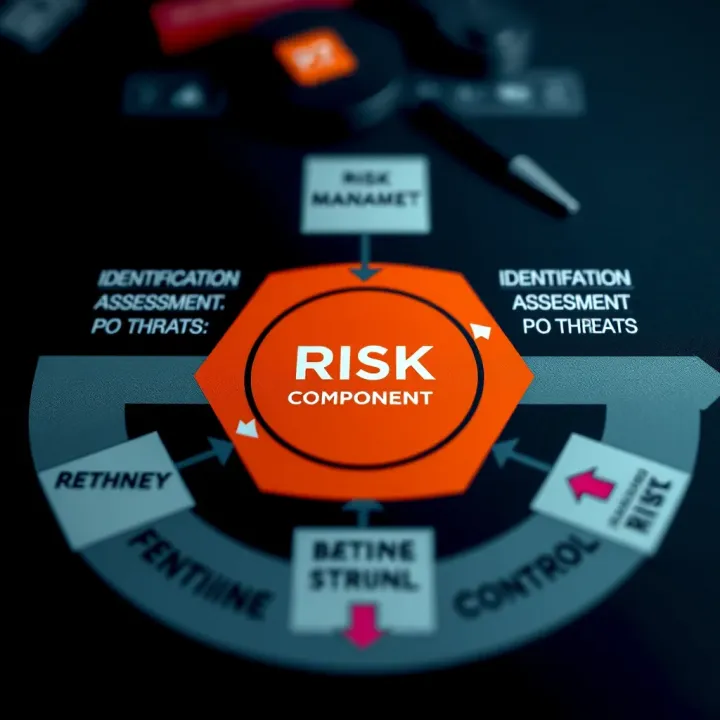
At its core, risk management is a process: recognising potential problems, evaluating their likelihood and impact, and creating plans to reduce or respond to these risks. For example, a Lagos-based manufacturer may see risks in inconsistent electricity and high generator fuel costs. By assessing how often power fails and how it hits production, they can decide if investing in solar power or backup systems makes sense.
Nigeria's business environment is uniquely challenging. Aside from power and currency risks, entrepreneurs also grapple with logistics delays due to poor infrastructure, policy changes from government agencies like the Central Bank of Nigeria (CBN), or security concerns in some regions. Ignoring these risks can lead to losses or stalled growth.
Market risks: Shifts in consumer preferences or competition from imported goods could reduce demand.
Operational risks: Frequent danfo strikes could disrupt supply chains.
Financial risks: Naira devaluation affects imports and pricing.
Regulatory risks: Sudden tax policy changes could increase costs unexpectedly.
Businesses that systematically list and assess such risks create a roadmap to tackle them proactively.
In the following sections, we will explore tools and methods that Nigerian traders and entrepreneurs can use to manage these risks practically and strengthen their chances of success.
Understanding the definition and core purpose of risk management forms the foundation for any business strategy, particularly for Nigerian traders, investors, and entrepreneurs facing volatile markets. Risk management involves more than just reacting to problems; it is about proactively identifying uncertainties that could derail objectives and putting measures in place to minimise their impact. For example, a Lagos-based manufacturing company may face supply chain disruptions due to fuel scarcity or customs delays at the ports, so identifying such risks early helps keep production on track.
Risk is essentially uncertainty that threatens the achievement of business goals. Whether it is fluctuating naira exchange rates or power outages disrupting operations, these uncertainties can hurt profitability, reputation, and sustainability. For instance, a fintech startup may find its user trust shaken if a security breach compromises customer data. Recognising risk as a normal part of doing business prepares organisations to seek solutions rather than be caught off guard.
It is vital to differentiate risk management from simply avoiding risk. Risk avoidance could mean missing out on lucrative opportunities altogether. For example, an investor might bypass the Nigerian stock market because of volatility, losing potential returns. Risk management, on the other hand, involves balancing risk and opportunity by accepting certain risks while mitigating others. Through diversification or hedging currency exposure, the investor can participate with greater confidence.
Safeguarding tangible and intangible assets is a key goal of risk management. Businesses must shield physical property, cash flow, intellectual property, and their brand reputation. A bank like GTBank invests heavily in cybersecurity to protect customer BVN data, preventing financial loss and preserving trust. Failure to do so can lead to costly lawsuits and loss of customers, which are hard to rebuild in Nigeria’s competitive market.
Another reason to manage risk is to maintain smooth business operations even when challenges arise. For example, many Nigerian businesses rely on generators due to unstable power, which is a form of operational risk. By planning for such eventualities, businesses avoid shutdowns that could mean lost sales and unhappy clients. Continuity planning helps keep supply chains and customer services running regardless of disruptions.
Compliance with legal frameworks is non-negotiable. Regulations from bodies such as the Central Bank of Nigeria (CBN) or the Federal Inland Revenue Service (FIRS) often carry heavy penalties if ignored. Effective risk management ensures businesses stay within these rules, avoiding fines or sanctions that could damage both finances and reputation. For example, ensuring timely tax filings and maintaining proper accounting prevents clashes with FIRS.
Strong risk management lets you spot trouble before it strikes, protect core assets, and keep your business running steadily—and this is exactly why it’s critical for Nigerian enterprises in today’s fast-changing environment.
Understanding the variety of risks Nigerian organisations face is vital for effective risk management. Risks come in different shapes and sizes, and failing to recognise them early can lead to costly disruptions and losses. This section focuses on the common categories of risks encountered in Nigeria, providing insights specific to local economic conditions and regulatory environments.

Currency fluctuations and naira instability present significant challenges for Nigerian businesses. The naira's volatile exchange rate often means that importers and exporters face unexpected costs or losses. For example, a company importing raw materials priced in US dollars may suddenly find their costs rising sharply when the naira weakens. This unpredictability makes budgeting and price-setting difficult, impacting profit margins directly.
Besides exchange rate issues, inflation linked to currency instability can erode consumer purchasing power, affecting sales volumes. Traders and investors must monitor forex market trends closely to time transactions optimally and use hedging tools like forward contracts when available.
Credit and liquidity risks involve the challenge of meeting financial obligations on time. Nigerian businesses frequently encounter delays in receivables due to customers' payment defaults or slow government disbursements. When cash flow tightens, companies struggle to settle debts, pay salaries, or invest in operations.
Access to affordable credit is also limited by high interest rates and collateral demands, complicating liquidity management. Entrepreneurs and financial managers should assess counterparties thoroughly and maintain adequate buffer capital. Digitised credit scoring services offered by fintech firms can aid in evaluating customer risk profiles accurately.
Power supply challenges and generator reliance remain among the biggest headaches for Nigerian firms. Frequent power outages force businesses to rely on generators, which increase operational costs due to fuel consumption and affect production consistency. For instance, manufacturing companies may face downtime as generators require maintenance or fuel delivery gets delayed.
This dependency drains budget and sometimes forces price increases or scaled-back activities. Organisations should consider investing in renewable alternatives or energy-efficient equipment to reduce vulnerabilities related to power supply.
Transport and logistics delays also disrupt operations. Nigerian roads can be congested, poorly maintained, or unsafe, increasing transit times and risks of damage or theft. A Lagos-based retailer depending on timely supply chain deliveries may suffer stockouts if goods are held up due to roadblocks or bad weather.
Logistics companies need to factor in these variables when planning routes and schedules. Embracing technology—such as GPS tracking and real-time fleet management—helps mitigate some uncertainties, but businesses must budget extra time and cost allowances for delays.
Adherence to CBN regulations is critical for financial and non-financial institutions alike. The Central Bank of Nigeria (CBN) sets strict guidelines on foreign exchange, lending practices, and anti-money laundering. Non-compliance can lead to hefty fines, licence suspension, or reputational damage.
For example, a bank ignoring updated cash reserve ratios or improper customer due diligence faces regulatory sanctions. Organisations must maintain continuous training and audit processes to stay current with evolving CBN directives.
Taxation and FIRS compliance present ongoing legal risks. The Federal Inland Revenue Service (FIRS) regularly updates tax policies and enforcement mechanisms. Failure to file returns correctly or pay taxes on time can trigger penalties or legal suits.
Small and medium enterprises often lack dedicated tax experts, increasing risk of error. Using professional tax services and digital filing platforms improves compliance accuracy and timeliness, protecting businesses from unexpected liabilities.
Understanding and managing these risk types underpin resilience and growth for Nigerian organisations. Being proactive rather than reactive when facing financial, operational, and legal challenges can save businesses significant time, money, and reputation loss.
Understanding core strategies in risk management is vital for Nigerian traders, investors, brokers, and entrepreneurs to shield their ventures from unpredictable shocks. These strategies focus on recognising threats early, evaluating their significance, and choosing the best ways to tackle them. Applying these approaches helps businesses maintain steady operations, safeguard capital, and build trust with partners and customers.
Tools to spot risks early play a key role in keeping businesses alert. Organisations can use techniques such as SWOT (Strengths, Weaknesses, Opportunities, Threats) analysis and scenario planning to uncover internal and external risks. For example, a manufacturing company in Lagos might analyse supplier delays or electricity outages as potential risks. Modern tools also include software solutions that monitor market trends or track regulatory changes, allowing proactive responses before problems escalate.
Evaluating probability and impact means measuring how likely a risk is to occur and the potential damage it could cause. Prioritising risks this way ensures limited resources focus on the most pressing threats. A fintech startup, for instance, might face a high chance of cyber attacks, which could severely affect customer data. Assigning quantitative scales—like 1 to 5 for likelihood and impact—helps decision makers understand which risks warrant immediate action, and which can be monitored with less urgency.
Risk control depends on choosing suitable ways to address identified threats. The main options are avoidance, reduction, transfer, and acceptance. Avoidance relates to steering clear of activities that invite high risks, such as entering unstable markets. Reduction involves actions to lessen risk severity, like installing backup power generators in regions with unreliable electricity. Transfer means shifting risk burden to others, often through contracts or insurance. Acceptance occurs when risks are minor or unavoidable but manageable.
An example relevant to Nigeria is using insurance and outsourcing as risk mitigation tools. Many Nigerian businesses purchase insurance policies to protect against theft, fire, or motor accidents, which are common risks locally. SMEs, especially, benefit from outsourcing non-core activities like IT support or logistics to specialist firms, transferring operational risks and permitting focus on primary business functions.
Effective risk management strategies build a strong foundation for Nigerian businesses, helping them survive challenges unique to the local environment and thrive despite uncertainty.
In sum, core strategies in risk management equip businesses with practical methods to identify risks promptly, understand their potential harm, and choose the best controls tailored to the Nigerian scene. Implementing these steps reduces surprises and keeps organisations on solid ground financially and operationally.
Effective risk management in Nigeria requires more than generic strategies; it must reflect the unique economic, regulatory, and cultural landscape. Given Nigeria’s distinct challenges — from fluctuating naira value and power shortages to evolving regulatory demands — businesses that tailor their risk management practices gain a better shot at resilience. When risks are identified with local realities in mind, companies can make smarter decisions that protect their assets and reputation.
Nigerian businesses operate under specific economic conditions, such as naira volatility, inflationary pressure, and regulatory fluctuations by bodies like the Central Bank of Nigeria (CBN) and Federal Inland Revenue Service (FIRS). Risk policies must account for these factors. For instance, firms must prepare for sudden currency devaluations that could hurt import-dependent supply chains or force pricing adjustments.
Also, periodic policy shifts by government agencies impact compliance requirements. A trader relying on imported goods, for example, needs contingency plans for new tariffs or trade restrictions. Therefore, dynamic risk assessment aligned with Nigeria’s regulatory pace improves operational continuity and reduces unexpected disruptions.
Business relationships and negotiations in Nigeria often hinge on trust and personal networks. Informal arrangements and unwritten agreements sometimes govern partnerships, especially among small and medium enterprises (SMEs). Risk policies should recognise these realities by embedding trust-building processes and conflict resolution mechanisms suited to local practices.
For example, implementing community engagement or involving key stakeholders early can reduce disputes and delays. Additionally, recognising the importance of informal credit systems, such as rotating savings and credit associations (ROSCAs), helps businesses manage cash-flow risks common in informal sectors.
Fintech platforms have transformed how Nigerian businesses combat fraud. Digital wallets like OPay and Paystack provide layered security that traditional cash transactions lack, such as real-time monitoring and transaction alerts. This reduces the risk of cash theft or fraudulent payments, which remain significant concerns in the Nigerian market.
By integrating fintech solutions, companies also improve traceability and compliance. For example, automated Know Your Customer (KYC) and Bank Verification Number (BVN) verification tools minimise identity fraud. This makes businesses more resilient against scams that previously thrived in informal cash-heavy environments.
Analytics tools provide Nigerian businesses with foresight by analysing patterns in customer behaviour, market trends, and operational data. For instance, data analytics can predict periods of high demand or financial stress, especially around key seasons like ember months or festive periods.
Using these insights, businesses can adjust inventory, strengthen cash reserves, or hedge against forex risks. In agriculture, for example, data-driven weather forecasts help mitigate losses by planning around rain patterns, reducing the guesswork typical of traditional farming methods.
Tailoring risk management strategies locally and embracing technology empower Nigerian businesses to navigate a complex environment more confidently, increasing chances of long-term success.
Understanding the benefits and challenges of risk management is key for Nigerian businesses aiming to remain competitive and resilient. Practical risk management not only shields organisations from shocks but also sets the stage for steady growth. Meanwhile, recognising common obstacles helps entrepreneurs and investors devise realistic strategies that work well in Nigeria's unique business environment.
Reducing unexpected losses starts with spotting potential troubles early and acting before they escalate. For example, a Lagos-based manufacturing firm that anticipates power outages can invest in reliable generators or alternative energy sources. This kind of foresight prevents production halts costing millions in lost revenue. Likewise, retailers dealing with volatile naira exchange rates might hedge foreign currency purchases to protect margins.
By formalising risk controls, firms avoid surprise expenses that could cripple cash flow. This stability reassures employees, suppliers, and clients by maintaining smooth operations. The benefits are not just financial but also reputational, as consistent delivery fosters trust.
Building investor confidence is another strong perk of effective risk management. Investors and lenders in Nigeria look beyond profit figures; they also assess how well a business handles threats. For instance, fintech startups that clearly communicate their fraud prevention mechanisms attract more funding from venture capitalists aware of cyber risks common in the sector.
Companies compliant with regulatory requirements and demonstrating strong governance also enjoy smoother access to credit from banks like GTBank or Access Bank. This access can be crucial for business expansion, especially in sectors hit hard by economic headwinds or regulatory changes.
Limited risk awareness and training remains a big challenge. Many small and medium enterprises (SMEs) don’t formally identify or assess risks, often relying on gut feeling instead. This gap sometimes causes delays in responding to threats such as supply chain disruptions or market downturns. The good news is that affordable training programmes and workshops are becoming more accessible, thanks in part to organisations like the Nigerian Institute of Management and private consultancies.
Encouraging a culture of regular risk review and equipping teams with basic assessment tools can gradually shift attitudes. Entrepreneurs should allocate time and budget for capacity building as a preventive investment, not just cost.
Resource constraints and informal sector dynamics complicate risk management for many Nigerian businesses. Informal businesses, which form a big chunk of the economy, often lack the finances or knowledge to implement structured risk policies. This makes them vulnerable to setbacks, from theft to economic shocks.
Overcoming this requires tailored approaches. Microfinance institutions and fintech platforms can help by offering customised insurance products or risk-monitoring apps designed for small operators. Additionally, simple steps like record-keeping and basic cash flow management can already create a buffer against common pitfalls. Community-based initiatives can also provide group-based support, sharing knowledge and resources to tackle risks collectively.
Effective risk management is not an elite luxury but a necessary shield that keeps Nigerian businesses afloat amid uncertainties. While the challenges are real, practical and locally grounded solutions pave the way for stronger, more confident enterprises.
📊 Discover how risk management shields your business assets, cuts costs, improves choices, and builds trust for lasting success in Nigeria's market.

Explore how binary operations work in advanced math 🧮, their key properties, examples, and role in algebraic structures like groups and rings 📚.

Learn how binary addition in base 2 works with step-by-step examples and tips 🧮 Perfect for tech enthusiasts and students in Nigeria wanting clear computing basics.

🔢 Explore how binary numbers power computing! Learn their basics, conversion, operations, and why they matter in everyday tech and digital electronics.
Based on 10 reviews