

Benefits of Forex Trading for Nigerian Investors
Explore how Nigerian investors can benefit from forex trading with low capital, high liquidity, 24/5 access, and portfolio diversification opportunities 📈💰
Edited By
Clara Hughes
Cryptocurrency trading in Nigeria has gained momentum, offering ways for investors to grow their funds beyond traditional stocks or real estate. But the crypto market’s volatility means you need sharp tactics, not just luck. Nigerians face unique challenges such as unstable power supply, limited internet access in some areas, and fluctuating naira exchange rates. All these affect your trading experience.
This article lays out practical, smart crypto trading strategies designed with Nigerian investors in mind. From understanding market signals to managing risks, the goal is to help you trade crypto with knowledge and control rather than guesswork.

Crypto trading is not a get-rich-quick chance; it demands solid strategies, discipline, and awareness of local market realities.
Global crypto trends impact us, but local factors change the game. For example, during naira devaluation, crypto often becomes a refuge for Nigerians seeking to preserve value. This means sometimes prices jump unpredictably due to demand spikes. You should factor in these events when trading.
Moreover, trading platforms popular globally may not always be the best in Nigeria, especially because of local banking partners, withdrawal limits, or transaction fees. Choosing platforms like Binance with Nigerian Naira (₦) pairs or Paystack integrations can ease deposits and withdrawals.
Fundamental and technical analysis: Learn to assess crypto value beyond hype.
Risk management: How to protect your capital when markets swing wildly.
Trading styles: From day-trading to HODLing – pick what aligns with your goals and time.
Local market nuances: Handling challenges like power outages and digital infrastructure hiccups.
By mastering these aspects, you’re better placed to spot real opportunities rather than fall for scams or impulsive decisions.
Select a reliable crypto exchange supporting NGN pairs, good liquidity, and easy funding.
Study coins beyond Bitcoin and Ethereum – altcoins have potential but come with risks.
Monitor Nigeria-specific news, such as CBN policies or forex restrictions, which often affect crypto prices.
Use tools like TradingView for charts to track price action while considering local factors.
With these foundations, you’re ready to move into deeper strategies that can help build your portfolio steadily over time.
The next sections will break down these strategies into clear, actionable approaches tailored for you.
Understanding the fundamentals of crypto trading is essential before putting your naira into this market. Without a solid grasp, even seasoned investors can lose money quickly, especially with the volatile nature of cryptocurrencies. This section lays the groundwork, helping you distinguish between different activities in the crypto space and familiarising you with key terms necessary to navigate trading platforms confidently.
Cryptocurrency trading involves buying and selling digital assets like Bitcoin or Ethereum with the aim of making a profit. Unlike traditional stocks, crypto markets operate 24/7 without a central exchange, meaning trades can happen any time of day or night. This continuous market movement can offer more chances for profits, but also exposes traders to fast shifts in prices.
Trading works by using exchanges—online platforms where buyers and sellers meet. You choose a cryptocurrency and decide when to buy or sell based on market conditions or personal strategy. Nigerian traders often use platforms like Binance, Luno, or Quidax, combining local payments and foreign exchange options to move funds.
The key difference between crypto investing and trading lies in timeframe and approach. Investing means buying cryptocurrencies to hold for months or years, betting on long-term growth. Trading, on the other hand, is about making more frequent transactions to capitalise on short-term price swings. A Nigerian holding Bitcoin because they expect its price to rise over several years practices investing. A day trader, however, might buy and sell Binance Coin within hours, aiming to benefit from intraday volatility.
Nigerians favour a variety of cryptocurrencies, each serving different purposes. Bitcoin (BTC) remains the most recognised and widely traded, often seen as digital gold. Ethereum (ETH) follows closely, popular due to its smart contract functionalities which power decentralised finance (DeFi) projects.
Stablecoins like USDT (Tether) and BUSD also play a big role since they offer price stability against the US dollar, useful in an environment where naira experiences volatility. Others like Cardano (ADA) and Binance Coin (BNB) are also increasingly popular due to supporting growing ecosystems.
Before plunging into trading, familiarise yourself with exchanges, wallets, and tokens. Exchanges are platforms where trades happen; think Binance or Luno. Wallets store your crypto safely—ranging from mobile apps to hardware devices like Ledger. Tokens represent various cryptocurrencies or assets; some may grant voting rights or be used within specific platforms.
Understanding order types helps you control trades smartly:
Market orders buy or sell immediately at the best available price.
Limit orders execute only at a price you set or better, useful to avoid overpaying.
Stop-loss orders automatically sell your crypto once price drops to your set point, reducing potential losses, a must-have in Nigeria's volatile markets.
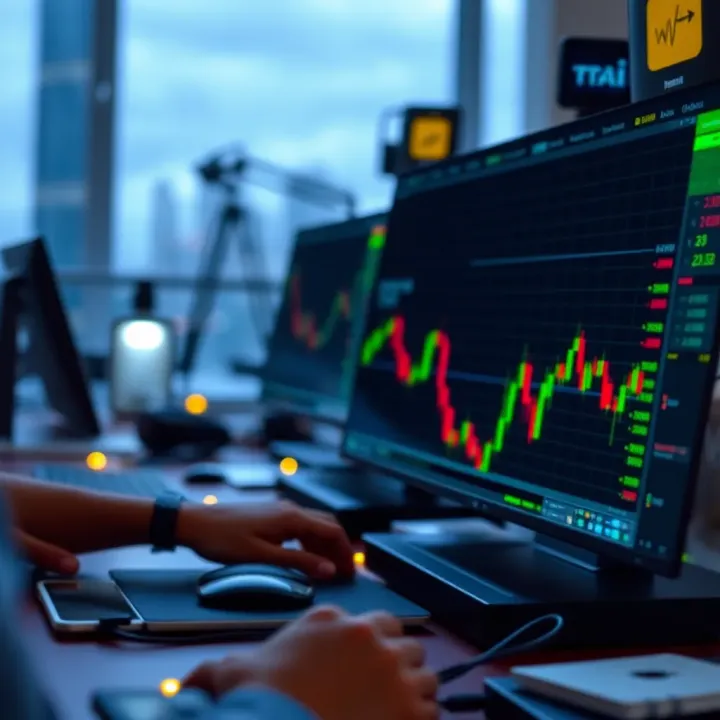
Volatility refers to how much a cryptocurrency’s price swings within a period. High volatility means prices can change abruptly, creating both opportunities and risks. Liquidity measures how easily a crypto asset can be bought or sold without affecting its price much. Coins like Bitcoin have high liquidity in Nigeria, making trades smoother, while lesser-known tokens may be harder to sell quickly.
Knowing these basics reduces avoidable mistakes and builds confidence in your trading decisions, which is critical in managing risks effectively.
By mastering these initial concepts, you position yourself well to explore deeper strategies and tools suited to the Nigerian investing environment.
Exploring popular crypto trading strategies helps Nigerian investors choose approaches that fit their goals and risk appetite. Crypto markets move fast and differ from traditional stocks, so understanding specific tactics can sharpen your trading skills and protect your investment.
How day trading works: Day trading involves buying and selling cryptocurrencies within the same day to capitalise on small price changes. Traders monitor charts closely, aiming to open and close positions quickly. For example, a day trader might buy Bitcoin in the morning after a slight dip and sell before market close once prices rise.
Benefits and challenges in the Nigerian context: Day trading can offer attractive profits because Nigerian crypto markets often show high volatility, partly due to naira fluctuations and demand pressure. However, high internet costs and occasional power outages can disrupt access to trading platforms, making the strategy more demanding locally.
Tools and platforms suited for day traders: Mobile-friendly apps like Binance, Luno, and Remitano provide real-time prices and fast order executions essential for day trading. Using price alert features and charting tools is critical to respond swiftly to market moves.
Strategy overview and typical timeframe: Swing trading targets price swings over days or weeks rather than minutes or hours. Traders hold positions longer to ride emerging trends, higher than day trading but shorter than HODLing.
Identifying entry and exit points: Swing traders use technical signals to identify favourable entry points, such as a bounce off a support level or a bullish moving average crossover. Exiting happens when the price hits resistance or an overbought condition emerges. This approach demands patience with the occasional need to adjust stops.
Using charts and indicators for swing trades: Indicators like Relative Strength Index (RSI), Moving Average Convergence Divergence (MACD), and volume trends help swing traders spot momentum changes. Nigerian traders often combine these technical points with news about regulations or partnerships affecting their chosen crypto.
Why Nigerians favour HODLing: Many Nigerian investors hold crypto assets for long periods, motivated by naira depreciation and the belief in crypto’s future value. Storage methods such as hardware wallets support this strategy’s safety.
Assessing project fundamentals: Long-term traders focus on projects’ strengths, reviewing whitepapers, developer activity, and real-world adoption rather than short-term price fluctuations. For instance, evaluating Cardano’s partnerships in education or finance can justify holding positions despite temporary dips.
Managing emotions during market swings: Staying calm amid sudden crashes or pumps is vital. Long-term holders avoid panic selling by sticking to their research and understanding that volatility is part of crypto’s nature. Tools like portfolio trackers help Nigerian traders monitor without obsessively checking prices.
Smart selection and understanding of these strategies empower Nigerian investors to navigate crypto trading confidently, balancing profits and risks effectively.
Day Trading: Quick trades within the day; needs fast internet and reliable power.
Swing Trading: Holds for days/weeks; combines charts and news.
HODLing: Long-term hold; depends on strong project fundamentals and emotional control.
Choosing the right strategy comes down to your schedule, risk tolerance, and how actively you want to engage with the market.
Effective crypto trading depends heavily on making informed decisions, and this is where technical and fundamental analyses come in. Technical analysis helps you understand price patterns and market trends from past data, enabling timing of entries and exits. Fundamental analysis, on the other hand, evaluates the intrinsic value of a crypto project by scrutinising its underlying factors, such as team strength and real-world adoption. For Nigerian traders, combining both approaches can improve the odds of success amid the market's notorious volatility.
Common chart patterns and candlestick basics are vital tools in spotting market sentiment. Candlestick charts convey price changes through coloured bars representing opening, closing, high, and low prices. Patterns like "engulfing," "hammer," and "doji" reveal buyer or seller dominance at certain points. For example, a hammer candlestick after a dip may suggest a potential price rebound, signalling a chance to buy. Chart patterns like "head and shoulders" or "double bottom" help traders predict trend reversals.
Popular indicators for crypto trading include the Relative Strength Index (RSI), Moving Averages (MA), and Moving Average Convergence Divergence (MACD). The RSI shows if a coin is overbought or oversold, helping traders identify possible price corrections. Moving Averages smooth out price data to clarify trend direction — a rising MA suggests bullish momentum. MACD tracks changes in trend strength and direction, alerting to profitable entry or exit points. These indicators help reduce guesswork, crucial in the fast-paced Nigerian market.
How to apply technical analysis practically is about combining chart readings with indicators to form a clear plan. Set entry points when confirmation from multiple indicators aligns, like a bounce off support plus RSI recovering from oversold levels. Likewise, use stop-loss orders to cap potential losses if trends shift unexpectedly. Relying solely on guesswork or hearsay increases risk, but well-applied technical analysis offers a structured method to navigate price swings effectively.
Assessing whitepapers and team credibility is crucial before investing. A whitepaper should clearly explain the project's goals, technology, and roadmap. Nigerian investors should examine whether the team members have verifiable experience and online reputations. Projects with anonymous teams or vague documents often carry higher risk. For instance, a project promising unrealistic returns without a detailed plan should raise red flags.
Understanding use cases and adoption helps determine a coin’s real-world potential. Does the project solve a problem Nigerians face, like enabling faster remittances or providing affordable payment gateways? High adoption within local communities or partnerships with established organisations often signal stronger long-term value. For example, some Nigerian fintech startups integrate blockchain for security, showing practical applications that can underpin price growth.
Impact of news and regulation on prices moves markets fast in Nigeria's evolving ecosystem. Announcements such as Central Bank of Nigeria (CBN) policies or regulatory crackdowns can cause sudden price swings. Positive news, like a major exchange listing or government support for blockchain, tends to boost prices. Traders monitoring local news sources can react promptly, avoiding losses or seizing opportunities. Staying informed about the broader political and economic context is essential to anticipating market direction.
Combining technical with fundamental analysis gives Nigerian crypto traders a fuller picture, improving decision-making and increasing chances of profitable trades.
Crypto trading offers lots of opportunities, but the risks can be severe, especially in Nigeria's volatile market. Managing risks and protecting your investments prevents losses that can wipe out months of gains in a blink. This section breaks down practical ways to keep your crypto portfolio safe, helping you trade with confidence and discipline.
Setting stop-loss orders effectively ensures you don’t lose more than you’re willing to. For instance, if you buy Bitcoin at ₦2.5 million, you might set a stop-loss at ₦2.3 million. This means your position will be sold automatically if the price falls to that level, limiting your loss to ₦200,000. Using stop-loss orders is vital in a market like Nigeria’s, where sudden price swings happen due to liquidity fluctuations or regulatory news.
Position sizing and portfolio diversification are key tools to prevent overexposure. Don’t put all your funds into a single cryptocurrency. Instead, divide your investment among coins like Bitcoin, Ethereum, and some promising altcoins or stablecoins. A well-sized position might be 5-10% of your total portfolio per trade, reducing the impact if one asset crashes. In Nigeria, where naira volatility can affect buying power, spreading your investments helps protect against sudden market drops and keeps your portfolio balanced.
Handling volatility and psychological discipline often separate successful traders from those who panic-sell. Crypto prices can swing wildly within hours. Maintaining calm and sticking to your strategy is critical. Keeping a trading journal to track reasons for entry and exit decisions can improve discipline. Remember, emotional decisions often lead to losses. Nigerian traders, accustomed to market uncertainties in forex or the naira exchange, can leverage this experience to manage crypto volatility better.
Choosing secure wallets and exchanges is your first line of defence. Hardware wallets like Ledger or Trezor provide offline storage, protecting coins from hacking. When trading on exchanges, prefer platforms known for security and regulation, such as Binance or Luno Nigeria. Avoid lesser-known, unregulated exchanges, which Nigerian scammers frequently target to steal funds.
Avoiding common scams targeting Nigerian traders means staying alert to phishing attempts, fake investment schemes, and pump-and-dump groups popular on WhatsApp and Telegram. Always verify links before clicking, never share your private keys or OTPs, and be wary of offers promising guaranteed returns. Nigerian traders should be particularly careful during ember months when scams typically spike.
Best practices for private key management include never storing keys digitally in plain text, avoiding screenshots, and using strong offline backups. A simple but effective method is writing keys on paper and keeping them secured in a locked drawer or safe. Losing private keys means losing access to your funds permanently. Nigerians can also consider multi-signature wallets for added security on large holdings.
Smart risk management and top-notch security practices can make all the difference between winning and losing in crypto trading. Stay disciplined, protect your assets, and take control of your crypto journey.
Access to the right tools and resources is key for Nigerian investors to trade cryptocurrencies effectively. These help manage volatile markets better, spot profitable opportunities, and secure assets against fraud. Whether you are a seasoned trader or just starting, having reliable platforms and up-to-date information sources can significantly impact your trading outcomes.
Nigerian traders have access to both local and international crypto exchanges. Local platforms like Quidax and Yellow Card offer convenience with Naira deposits and withdrawals, making it easier to fund accounts and cash out profits without complex currency conversions. International platforms such as Binance, Coinbase, and Kraken open up access to a wider range of cryptocurrencies, higher liquidity, and advanced trading features, but they often require navigating foreign currency payments and may sometimes impose restrictions on Nigerian users.
Choosing between local and international exchanges depends on your trading style and needs. Local exchanges often provide quicker customer service in familiar language and better integration with Nigerian banking, while international ones may offer more diverse coins and lower fees for large volumes.
Comparing fees, liquidity, and user experience is crucial when selecting a trading platform. Some exchanges charge high deposit or withdrawal fees, which can erode profits, especially for traders working with smaller amounts. Liquidity affects how easily you can buy or sell coins without affecting the price too much; platforms like Binance boast high liquidity, reducing slippage. User experience matters too— platforms with intuitive mobile and desktop apps ease trading on the go and help avoid costly mistakes.
Mobile apps have become a must-have for Nigerian crypto traders who face dynamic market conditions and frequent power outages. Apps from Binance, Luno, and Quidax provide real-time price alerts, easy order placement, and portfolio monitoring. This flexibility allows traders to react quickly to market changes even while commuting or away from their PC, an advantage in Nigeria’s busy cities with frequent power issues.
Staying informed through crypto news outlets tailored to Nigerian traders is essential. Platforms like CryptoNigeria, Cointelegraph Nigeria, and Nairametrics regularly update on regulatory changes, market trends, and events affecting cryptocurrencies in Nigeria. Being updated helps traders anticipate market reactions to government policies or Central Bank of Nigeria (CBN) announcements.
Charting and alert tools offer critical assistance in making timely trading decisions. Tools such as TradingView and CoinGecko enable traders to analyse price patterns, volume trends, and set customised alerts for price movements or news updates. This allows you to enter or exit positions precisely, reducing risks in fast-moving markets.
Community and learning platforms are invaluable for growing your crypto trading skills and networking with others. Nigerian-focused Telegram groups, Twitter threads, and forums provide forums for sharing strategies, warnings about scams, and tips on navigating local market quirks. Educational hubs like Binance Academy or CryptoPotato give practical tutorials suited to Nigerian market realities, helping you move beyond hearsay to disciplined trading.
Remember, the right tools do not guarantee success but equip you to make smarter, faster decisions while managing risks effectively. In Nigeria’s booming but volatile crypto market, well-chosen platforms and up-to-date resources form the backbone of any smart trading strategy.
Explore how Nigerian investors can benefit from forex trading with low capital, high liquidity, 24/5 access, and portfolio diversification opportunities 📈💰

🌍 Discover how Nigerian investors can benefit from forex trading, from market access to profit potential, plus key tips to trade wisely and boost financial skills.
Master effective forex trading strategies 📈 tailored for Nigeria's market. Learn risk management, analysis methods & discipline tips for success 🇳🇬
🔍 Need the best crypto trading platform in Nigeria? Discover top tips on security, fees, features, and local regulations for smarter trading decisions! 📈🇳🇬
Based on 10 reviews