
Benefits of Forex Trading for Nigerian Investors
Explore how Nigerian investors can benefit from forex trading with low capital, high liquidity, 24/5 access, and portfolio diversification opportunities 📈💰
Edited By
William Foster
Forex trading has been gaining ground in Nigeria as more people look for new ways to grow their money and understand global markets. For Nigerian investors, it's not just about making quick profits—it's a chance to expand financial knowledge and gain access to a market that runs 24/7 worldwide.
Why talk about forex here? Because unlike traditional investments bound by local conditions, forex trading taps into a global scene where currencies fluctuate constantly, giving traders unique opportunities. Nigerian naira traders can especially benefit, as they bridge local economic trends with international factors.

This article takes a good look at the key benefits of forex trading specifically for Nigerians. We’ll cover the opportunities, the potential pitfalls, and simple tips to navigate this fast-moving world without getting lost or burnt. Above all, it aims to equip you with practical insights, not just theory or hype.
Grasping the basics of forex trading is essential for Nigerian investors looking to navigate this fast-moving market effectively. Without this foundation, even seasoned investors can find themselves out of their depth when volatile shifts occur, or unexpected news impacts currency prices. Understanding the fundamentals helps investors make informed decisions rather than relying on guesswork or tips from unreliable sources.
At its core, forex trading involves buying one currency while simultaneously selling another. The goal is to profit from changes in the exchange rate between these two currencies. For example, if an investor believes the US dollar will strengthen against the Nigerian naira, they might buy USD/NGN currency pairs, hoping to sell later at a higher price to make a profit.
Forex trading differs from stock trading in that it deals exclusively with currency pairs and is influenced heavily by global economic factors, geopolitical events, and central bank policies. This market is the largest and most liquid in the world, with daily trading volumes exceeding $6 trillion.
Unlike stock exchanges that have set trading hours, the forex market operates 24 hours a day on weekdays, beginning Monday morning in Asia and closing on Friday evening in New York. This continuous operation allows Nigerian investors to trade at times convenient to them, even outside traditional working hours.
Forex trading takes place over-the-counter (OTC), meaning trades happen directly between parties, typically through brokers or banks, rather than on a centralized exchange. This decentralization means prices can vary slightly depending on the broker and liquidity providers.
Price movements in forex are driven largely by supply and demand influenced by economic reports, interest rate changes, and political events. For instance, if Nigeria’s central bank raises interest rates, the naira might strengthen, affecting currency pairs involving NGN.
Understanding these mechanics equips Nigerian investors to analyze market trends with a sharper eye and develop trading strategies that suit their financial goals and risk tolerance.
By getting a solid grasp on what forex trading entails and how this global market runs, investors can better assess the risks and opportunities before diving in. A beginner who understands the basics is far less likely to panic during sudden market swings or fall victim to common pitfalls that plague new forex traders.
Forex trading holds a range of benefits for Nigerian investors that go beyond mere profit opportunities. It offers unique access to international markets, flexible timing, and the ability to diversify investment portfolios without the significant capital often required in other markets. For Nigerians, especially, forex trading can be a practical way to engage globally without leaving home.
The forex market is open 24 hours a day during the workweek, which means Nigerians can trade at virtually any time that suits their schedules. Because the market transitions through different time zones — from Asia to Europe to the Americas — a trader in Lagos can buy currencies early in their morning and sell them in the afternoon, or even late at night. This non-stop opportunity means people can squeeze trading activities around work, studies, or family commitments.
One of the standout advantages of forex trading for Nigerians is how easy it is to get started. Unlike stock markets that may require significant capital upfront, many forex brokers in Nigeria allow accounts to be opened with just a few dollars. With platforms like FXTM, HotForex, and FXPro offering mini and micro accounts, even individuals with modest funds can start trading. This accessibility encourages more people to participate without the worry of needing large sums.
Forex is unique in that you can potentially make money whether the currency is going up or down. For Nigerians, this means more ways to profit as you’re not just buying low and selling high; you can also sell (short) if you believe a currency will drop. For example, if the Nigerian Naira is expected to weaken against the US dollar, traders can short the Naira and capitalize on the decline.
Leverage is a double-edged sword but undeniably one of the big draws in forex trading. Nigerian traders can control large amounts of money with a relatively small deposit. For instance, a 100:1 leverage means you can trade $10,000 worth of currency with just $100 in your account. This amplifies potential returns, but also risks, so it’s critical to understand leverage well before using it extensively.
Adding forex to an investment portfolio allows Nigerian investors to reduce reliance on local markets and traditional assets like stocks or real estate. Currency values often move independently of equities and bonds, so trading forex helps spread out risk. For example, during periods of market turmoil in Nigeria, the forex market might still offer opportunities, balancing losses elsewhere. Diversification through forex means a more resilient, balanced approach to investing.
Being able to trade anytime and with low capital is especially helpful for Nigerian investors dealing with inflation or economic fluctuations. It allows consistent participation in the global market while managing national financial uncertainties.
In summary, the advantages of forex trading for Nigerian investors include round-the-clock availability, easy market entry, the possibility of profiting in both rising and falling markets, and portfolio diversification. These benefits make forex a compelling option, especially when approached with knowledge and caution.
Forex trading has become more than just a way to make money; for many Nigerian investors, it's a route to gaining control over their financial future. The market’s accessibility means people from all walks of life can dive in and learn how to manage money actively, rather than relying solely on traditional jobs or investments. This section explores how forex trading not only opens up opportunities but also builds important skills that empower individuals financially.
One of the less obvious benefits of forex trading lies in the steep learning curve it offers. Nigerians entering the forex market quickly find themselves picking up valuable financial skills—understanding economic indicators, interpreting market trends, and analyzing currency pairs aren't just fancy terms but are practical tools. For example, someone trading the USD/NGN pair will need to stay abreast of Nigeria’s economic news, inflation rates, and political developments, which enhances their overall financial literacy.
This ongoing education goes beyond just forex trading. Skills like risk assessment, money management, and technical analysis learned through platforms like MetaTrader or cTrader can also be applied to other investment areas such as stocks or real estate. In reality, the hands-on experience traders gain is like a financial crash course, helping them make informed decisions in various aspects of life.
Many Nigerians find in forex trading a way to boost their income without quitting their day jobs. Since the forex market operates 24 hours, it fits well with other commitments, allowing traders to engage during free hours, say after work or early mornings. For instance, a school teacher in Lagos could trade the forex market in the evening hours after class, gradually building a side income.
Though it’s not a get-rich-quick scheme, disciplined trading combined with solid strategies can create a steady stream of supplemental income. This can be particularly helpful in Nigeria, where economic uncertainties often make a single source of income risky. By having forex as an additional earning avenue, individuals can better navigate financial pressures and take care of unexpected expenses.
Consistency is key: even small but regular profits can accumulate over time, offering financial breathing room that many traditional jobs don’t provide.
In essence, forex trading isn’t just about luck; it’s about earning while learning and gaining control over one’s financial destiny. For Nigerian investors looking to empower themselves, this is worth a serious look.
Before jumping headfirst into forex trading, it’s vital to understand the risks involved. The forex market's fast pace can lead to quick profits, but it equally harbors the potential for significant losses. For Nigerian investors, factoring in these risks is not just a good practice; it’s essential for preserving capital and maintaining long-term success in trading.
One key risk is market volatility, which means prices can swing rapidly, sometimes influenced by unexpected economic news or geopolitical events. Knowing how to handle this volatility can be the difference between a smart trade and a costly mistake.
Market volatility in forex refers to how wildly currency prices move within a short period. For Nigerian traders, this is especially relevant because the Naira’s value is sensitive to shifts in oil prices, government policies, and global market trends.
Take, for example, an election period in Nigeria. Political uncertainty can cause the Naira to fluctuate heavily against the US Dollar. If a trader is unaware of this volatility, they might hold a position too long only to see their investment erode as the currency swings unpredictably.
Volatility presents both opportunity and danger. On one hand, big price moves can translate to high profits if timed correctly. On the other, they amplify risk, turning what seemed like a safe bet into a rollercoaster. Nigerian traders must, therefore, stay updated on local and global news and keep an eagle eye on market trends.
Risk management is the trader’s shield against unexpected market turns. It’s not about avoiding risk altogether—that’s impossible—but about controlling it so losses don’t wipe out gains.
A stop-loss order acts like an automatic exit plan. Suppose you buy the EUR/USD pair expecting the Euro to strengthen. To protect yourself, you set a stop-loss order at a specific price below your entry. If the trade moves against you and hits that price, the stop-loss triggers, selling your position and limiting the loss.
In practice, stop-loss orders help keep emotions out of trading. For example, if the Naira unexpectedly slides against the Dollar due to fuel price shocks, a timely stop-loss can prevent deep losses when markets turn sour.
Think of a stop-loss order as your safety net—it catches you before you fall too far.
Position sizing means deciding how much to trade on any single deal. It’s tempting to go big after one win, but this can backfire quickly. For Nigerian investors especially, managing position size means betting only a small part of the total trading capital at once.
Say a trader has ₦500,000 in their forex account. They might choose to risk only 2% per trade, a modest ₦10,000. If the trade goes bad, they lose less and can keep trading another day. If they over-size their positions, even a small price move against them could wipe out their account overnight.
By combining stop-loss orders with sensible position sizing, Nigerian traders can better cushion their portfolios from the wild swings that forex often brings. This approach doesn’t guarantee profits but greatly improves the odds of staying afloat long-term.
In summary, understanding market volatility and managing risk with tools like stop-loss orders and position sizing are critical for anyone looking to trade forex wisely in Nigeria. These practices transform the inherent uncertainty of forex from a gamble into a calculated venture.
Picking a trustworthy forex broker is a cornerstone for any Nigerian investor looking to step into the forex market. It's not just about getting a fancy platform; it's about security, transparency, and practical tools that make trading smoother and less risky. The right broker can seriously influence your trading journey—saving you from headaches down the line.
Regulatory compliance is non-negotiable when it comes to choosing a broker. In Nigeria, investors should prioritize brokers regulated by legitimate bodies like the Nigerian Securities and Exchange Commission (SEC) or internationally recognized authorities such as the Financial Conduct Authority (FCA) or the Cyprus Securities and Exchange Commission (CySEC). These organizations enforce strict rules designed to protect traders’ funds and personal data.
For instance, if you consider brokers like FXTM or IG Markets, they operate under strict regulatory frameworks, ensuring funds segregation and fair dealing. This means your deposits are kept separate from the broker's operational funds, reducing the risk of losing your money if the broker hits trouble. Security measures also extend to encryption protocols for online transactions — something you don’t want to overlook in today’s digital trading world.
Always verify if your broker holds the required licenses and check for any disciplinary records to avoid scams.
Beyond safety, a good broker will provide trading platforms that fit your needs and skill level. Most Nigerian investors start with platforms like MetaTrader 4 or MetaTrader 5 because they’re reliable, user-friendly, and packed with useful tools like customizable charts, automated trading bots, and detailed indicators.
Some brokers even offer their proprietary platforms, which might include unique features like economic calendars specific to African markets or integrated news feeds tailored for Nigerian traders. For example, HotForex's mobile app offers a straightforward interface that is popular among beginners, while also supporting advanced charting for seasoned traders.
Additionally, tools like price alerts, risk management features (like trailing stops), and real-time market analysis can boost your trading efficiency. Nigerian traders should assess whether the broker offers enough educational resources and customer support, preferably in local time zones.
In short, the ideal broker is one that not only protects your funds but also equips you with user-friendly platforms and tools that make your trading both efficient and informed.
Diving into the forex market can feel like stepping into the wild west for many Nigerian traders. The vast potential is exciting, but without a solid approach, it’s easy to lose your way—and your money. This section breaks down some straightforward, practical steps to get started on the right foot.
Before risking a single naira, make it your business to learn as much as possible about forex trading. This means going beyond just reading headlines or watching quick tutorials. Consider enrolling in reputable courses from platforms like Babypips or even local seminars in Lagos or Abuja, where traders often share real-world strategies.
Understanding fundamentals such as currency pairs, economic indicators, and technical analysis can save you from common rookie mistakes. For example, failing to grasp how the Nigerian Naira interacts with the US Dollar during certain economic releases could lead to bad timing in trades. So, invest time in books, reputable forex blogs, and investment podcasts that address regional economic climates—this knowledge becomes your compass.
Think of a demo account as practice wheels for biking. Brokers like FXTM and Alpari provide free demo accounts to test your strategies in real-time conditions, without risking actual cash. This hands-on practice helps you understand market dynamics, execute trades, and manage risk without the pressure of losing money.
Spend significant time here. For example, try practicing with different currency pairs, like USD/NGN or EUR/USD, to see how they behave differently. Never jump into live trading until you consistently feel confident navigating the platform and making decisions under changing market conditions on demo.
It’s tempting to go big at the start, especially hearing stories of massive gains, but slow and steady wins. Start with a small investment that won’t hurt your daily living expenses if lost. Leveraging might seem like the magic wand to multiply profits, but it also amplifies losses.
For instance, if you put down ₦10,000 with 100:1 leverage, you could control ₦1,000,000 in trades. But a slight market move in the wrong direction can wipe out your entire deposit quickly. Many Nigerian traders get caught over-leveraging, forgetting the dangers while chasing quick gains.
Managing your money with smaller position sizes helps keep emotions in check and makes it easier to develop a solid trading routine without panic.
Starting forex trading without preparation is like sailing without a compass—education, practice, and cautious money management form the navigational tools you can’t afford to skip.
In the end, these tips aren’t just theoretical; they protect your capital and build the foundation for consistency in a market known for its ups and downs. Nigerian traders who take these steps seriously tend to stick around longer and fare better in the unpredictable waves of forex trading.
Explore how Nigerian investors can benefit from forex trading with low capital, high liquidity, 24/5 access, and portfolio diversification opportunities 📈💰
Explore the key advantages of forex trading for Nigerian traders, from flexible hours ⏰ and high liquidity 💧 to diverse currency options 💱 and smart risk management 🛡️.
🌍 Discover why forex trading is popular globally and in Nigeria. Learn about its accessibility, liquidity, flexibility, and smart risk management tips. 📈💰
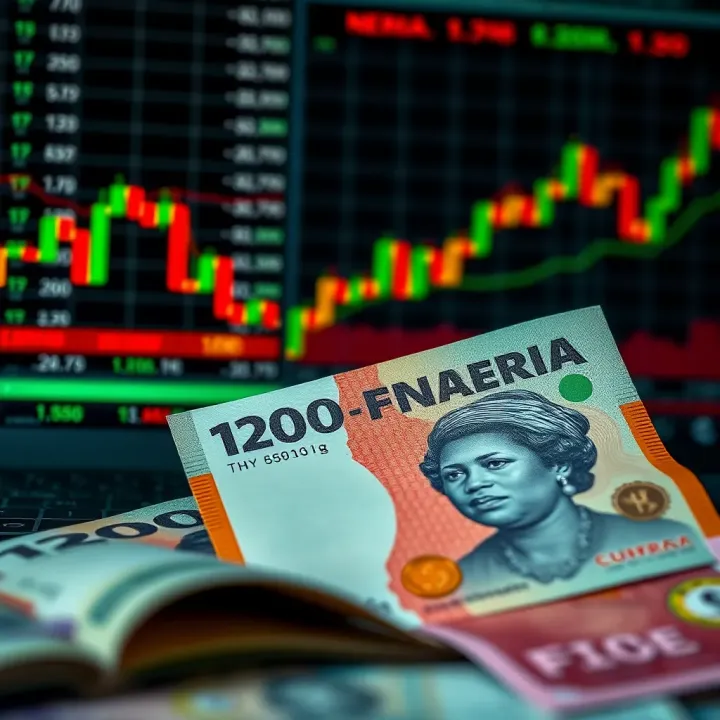
📈 Discover key forex trading tips for Nigerian traders! Learn how to pick reliable brokers, manage risks, and navigate Nigeria's forex regulations safely.
Based on 13 reviews