
Top Trading Apps to Make Money in Nigeria
Discover the top trading apps in Nigeria 🇳🇬 to safely earn money 💰 with easy registration, unique features, and varied trading options tailored for you!
Edited By
William Foster
Diving into crypto trading in Nigeria can be exciting and a little overwhelming, especially with the number of trading apps out there. Picking the right app isn't just about flashy interfaces or hype around it; it’s about understanding the nitty-gritty that affects your trading experience and your wallet.
In this guide, we’ll break down the essentials you need to look out for before you hit "download". Whether you're a seasoned trader or just starting to explore Bitcoin, Ethereum, or other altcoins, the choice of your trading platform plays a big role in how smooth and secure your transactions will be.
We'll talk about key features like security measures, fees, user experience, customer support, and how different apps handle Nigerian regulations. To put things into perspective, expect some real talk on platforms popular in the Nigerian crypto space like Binance, Luno, and Quidax, along with their pros and cons.
Before you start trading, it’s important to pick a platform that fits your goals, safeguards your assets, and feels right for your style.
By the end, you’ll have a clear picture of what to consider, and hopefully avoid the common pitfalls that many Nigerian traders stumble into. So let’s get this started and make your crypto journey a little less bumpy!
When picking a crypto trading app that fits Nigerian traders well, it's about more than just slapping a Nigerian flag on the homepage. The app needs to genuinely understand what local traders deal with daily, from payment hiccups to navigating internet speed challenges. A good fit means smoother trading, less frustration, and more trust in the platform.
A trading app designed with Nigerian users in mind doesn't just look good—it feels intuitive. For instance, it should work well on lower-end smartphones common here and avoid clutter or overly complex menus that slow things down. The language matters too. While English is widespread, using familiar terms and avoiding jargon helps even newcomers feel at home. Take Quidax for example; their straightforward layout and easy navigation make it a breeze for traders who aren't tech experts.
One headache Nigerian traders often face is moving money seamlessly between banks or mobile wallets and the trading app. The best apps connect directly with popular Nigerian banks like Access Bank or GTBank, allowing easy transfers without exorbitant fees or delays. Support for mobile money platforms—like Paga or Opay—is a bonus, letting users fund accounts or cash out using wallets they already trust. Without these, users can get stuck in limbo, losing precious trading time.
Crypto markets never sleep, and neither should your app’s data feed. Real-time prices, updated every second, allow traders to make well-timed decisions. High-quality charts showing trends over minutes, hours, or days help reveal patterns that could mean the difference between profit and loss. Apps like Binance offer this level of detail, crucial when Nigerian traders compete on a global stage.
The crypto scene is no longer just Bitcoin and Ethereum. Nigerian traders benefit from apps supporting a mix of popular coins and emerging altcoins. This variety opens doors to diversified portfolios and chances for bigger gains. For example, apps that include stablecoins like USDT help shield investments from the naira's volatility, while others offering lesser-known tokens let adventurous traders try their hand at fresh prospects.
A basic "buy/sell" button won't cut it for serious Nigerian traders. Different order types—like limit orders, stop-loss, or take profit—give users control over when and how to trade. Trading tools, such as price alerts or algorithmic bots, can help manage trades efficiently without needing to be glued to the phone. Apps like Remitano include such features, making them more than just a transaction platform but a trading partner.
Choosing the right crypto app in Nigeria boils down to how well it fits with local realities and offers tools that help users act smartly in fast-moving markets.
In the end, the best crypto trading app for Nigerian users is one that combines local-friendly design with powerful trading capabilities. This balance helps traders dodge common pitfalls and seize opportunities confidently.
Picking the right app for crypto trading can be the difference between smooth trades and head-scratching frustration, especially here in Nigeria where unique market demands come into play. Nigerian traders often need a blend of global reach and local conveniences — think access to a wide variety of coins, but also seamless integration with local banks or mobile money platforms. This section dives into the most popular apps that Nigerians currently use, highlighting their strengths and quirks so you can decide which fits your trading style.
Binance is a heavyweight in the crypto world and is widely used by Nigerians. Its appeal lies in the sheer breadth of cryptocurrencies available — over 300 coins to buy, sell, or trade. Plus, Binance makes it easy to deposit and withdraw using Nigerian naira (NGN) via trusted payment channels like Quickteller and other local bank partners. Beyond trading, it offers futures and margin options for more experienced users. The real-time charts and low fees make it a top pick for serious traders in Nigeria who want global exposure without sacrificing local convenience.
Coinbase is often praised for its straightforward, user-friendly interface, which is fantastic for traders who’re just getting their feet wet in crypto. Although not as broad in coin variety as Binance, Coinbase supports major currencies like Bitcoin, Ethereum, and Litecoin, which cover the essentials for most users. Its well-designed mobile app simplifies the process of buying crypto with Nigerian banks through its partnership with payment networks. For those worried about complexity, Coinbase’s educational resources embedded in the app help new traders feel comfortable navigating their first few trades.
For traders who prioritize safety, Kraken stands out because of its strong security protocols. It uses cold storage solutions where most of the funds are kept offline, significantly reducing hacking risks. Two-factor authentication (2FA) is standard, with additional verification steps for withdrawals to keep your funds locked down tight. Kraken also performs regular security audits, which builds trust especially for Nigerian traders concerned about cyber fraud. The platform’s commitment to transparency about security helps give users peace of mind, even when markets get choppy.
Platforms like BuyCoins, Quidax, and Bundle have carved out their space by focusing exclusively on Nigerian users. They offer simple onboarding processes tailored to local regulations and accept deposits via Nigerian banks and mobile money channels like Paga or Opay. These platforms often provide customer support in local languages and understand typical user pain points around payments and identity verification. Their local focus sometimes means faster withdrawals and deposits, plus a community vibe where traders can get closer to regional market trends.
One big perk of Nigeria-focused apps is their support for trading pairs that include the naira directly, such as BTC/NGN or ETH/NGN. This cuts out some of the hassle and fees that come with converting to USD or other foreign currencies first. For traders, it means clearer pricing and quicker access to funds without jumping through extra hoops. This feature is essential, given how fluctuating forex rates can impact profitability in crypto trading for Nigerian users.
When choosing an app, consider whether the platform offers deep liquidity for your preferred trading pairs — especially those with NGN — to ensure your orders execute smoothly without unnecessary slippage.
In summary, Nigerians benefit from a mix of global powerhouses like Binance and Kraken for diverse options and security, plus homegrown apps that understand local needs intimately. Your choice boils down to which features matter most: broad crypto access, security, ease of use, or smooth local transactions.
When picking a crypto trading app, security isn't just a nice-to-have—it's a must. In Nigeria, where the market is growing fast but scams and hacks remain a serious threat, trustworthy trading platforms give users peace of mind as they invest their hard-earned money. A secure app protects your assets from theft and unauthorized access, keeping your investments safe amid the digital hustle.
Investors here must be alert, not just about the coin prices but also the safety nets a platform has in place. For example, a Nigerian trader using a platform like Binance or Quidax expects stringent security protocols to back up their trades. Without these measures, even a great user experience can't make up for the risk of losing funds.
Two-factor authentication (2FA) is a simple but powerful way to add an extra lock on your account. Instead of relying only on a password—which can be guessed or stolen—2FA requires a second step to prove your identity, like entering a code sent to your phone or generated by an app like Google Authenticator. This means even if someone sneaks your password, they’d still need your phone to get into your account.
Most trustworthy crypto apps now offer 2FA as standard. For Nigerian traders, activating 2FA should be a no-brainer—it's a small step that dramatically cuts the risk of account takeovers.
Cold wallet storage options refer to keeping the majority of users' cryptocurrency offline, away from the internet. Platforms like Kraken or Bitstamp store coins in these "cold wallets" which are physically disconnected from online systems. This reduces the danger of hackers breaking in and stealing assets.
If you hear an app boast about having cold wallet storage, it’s a good sign. It means they’re serious about safeguarding funds beyond just passwords and firewalls. A Nigerian trader, especially one holding significant amounts, should check if their app provides this feature—or if they should move large holdings to their own cold wallet for extra safety.
Regular security audits are another key aspect. These are independent reviews where experts inspect the app’s code and security procedures to find and fix vulnerabilities before criminals do.
Apps that undergo regular security audits show transparency and commitment to safety. For example, Binance regularly publishes updates on their security improvements. Traders should favor platforms open about these practices, as opaque apps might hide flaws or weak security setups.
Verifying app legitimacy means doing your homework before downloading or signing up. The crypto world, including in Nigeria, has no shortage of fake apps trying to trick users. Genuine apps are usually listed on official app stores with good ratings, have verifiable contact info, and are featured on trusted crypto media like CoinDesk.
Always confirm the app is the official one—not a knockoff. Check developer information, read privacy policies, and beware of requests for unnecessary personal data. If something feels off, it probably is.
User reviews and community feedback are practical windows into an app’s real experience. Nigerian traders should take time to read both positive and negative user comments on app stores and popular forums like BitcoinTalk or local crypto groups.
Beware of apps with lots of complaints about frozen accounts, withdrawal delays, or unresponsive support. Honest feedback often reveals risk areas that official descriptions gloss over. Conversely, apps praised for quick withdrawals and helpful customer service tend to be more reliable choices.
In crypto trading, the safest place isn't always the flashiest app. Security built into the app's DNA and a solid community reputation weigh heavily when choosing where to trade. Protect yourself by demanding top-notch security and staying alert to signs of fraud.
By prioritizing these security and trustworthiness factors, Nigerian traders can reduce risks and trade more confidently in the crypto market.
When diving into crypto trading, it's easy to get caught up in the excitement of potential profits but often, the nitty-gritty details like fees can quietly chip away at your returns. For Nigerian traders, understanding the fees associated with crypto trading apps is not just a necessity, but a smart move to avoid frustrating surprises.
Trading fees affect how much you actually earn from your trades. Some platforms might lure you in with low fees but then slap on extra charges elsewhere, so it pays to look closely. Knowing how much it costs to deposit or withdraw funds, especially when currency conversions are involved, helps you keep your gains intact.
Being savvy about these costs lets you compare apps more efficiently—making sure the one you're committing to fits your trading style and wallet. This section ultimately aims to guide you through these costs so you don’t get caught off guard and can make informed decisions that boost your bottom line.
Every trade you execute comes with a cost, often hidden in the form of trading fees or spreads. If you’re trading on a platform like Binance or Luno, for instance, you might face fees ranging from 0.1% to 0.5% per trade. It doesn't sound like much, but it adds up if you're making frequent trades.
For example, a ₦100,000 trade with a 0.2% fee means you lose ₦200 right off the bat. Multiply that by dozens of trades, and it starts chipping into your profits significantly. Also, the spread—the difference between the buying and selling price—acts like an invisible fee that can eat into potential gains, especially if the market is volatile.
To stay profitable, it’s best to factor these fees in before making moves. Calculate roughly what your fees will cost per trade and see if your expected gains can absorb those costs without leaving you in the red.
Not all trading apps are created equal when it comes to fees. Some Nigerian traders might prefer Binance for its low fees and high liquidity, while others might lean towards local apps like BuyCoins, which may have different charge structures.
Here's a quick tip: Always look beyond just the headline fee. Check if the platform charges flat fees, percentage fees, or uses tiered fee structures where higher volume traders pay less. Also, investigate if they have any hidden costs like inactivity fees or withdrawal minimums that could catch you off guard.
A simple way to compare is to run a mock trade amount across different apps' fee calculators, which many platforms provide. This practical step shines light on the actual costs you’d pay, making the choice easier.
For Nigerian traders, converting Naira (NGN) to cryptocurrencies often involves currency conversion, which can introduce additional costs. Sometimes, trading apps or exchanges don't support direct NGN deposits, forcing you to convert through intermediary currencies like USD or EUR.
This extra step often comes with unfavorable exchange rates or conversion fees. For example, exchanging ₦50,000 might cost you an extra 2-3% in conversion fees, leaving you with less to invest. Some platforms like Quidax and Binance offer NGN pairs, reducing conversion hassles and related fees.
Being aware of this can save you a few thousands of Naira, which is no small change when you're just starting or working with tight margins.
In Nigeria, mobile money and bank transfers are popular ways to fund crypto accounts. Both can incur costs depending on your bank or mobile money operator, plus any fees imposed by the trading app.
For instance, transferring via GTBank’s internet banking might be free or have a minimal charge, but if the crypto app charges a deposit fee, the cost stacks up. Similarly, mobile money services like Paga or OPay may apply transaction fees.
To keep these charges low, pick apps that offer free or cheap deposits and withdrawals through Nigerian banks or mobile wallets. Always double-check with your bank or mobile money provider about their charges to avoid surprises.
"When it comes to trading crypto in Nigeria, knowing where your money slips away can save you from nasty shocks. It pays off to spend a little time crunching those fee numbers upfront."
Understanding fees isn't just about saving money—it's about making your trades more effective and profitable over the long run. Keeping costs in check means more of your hard-earned Naira stays working for you in the crypto market.
User experience and customer support often decide whether a crypto trading app becomes a daily tool or just an abandoned download. In Nigeria, the stakes are higher due to unique challenges like network reliability and payment integrations, making a smooth interface and prompt support essential. Traders can’t afford to wrestle with clunky apps or wait days for help when mistakes cost real money.
Mobile vs desktop experiences: Many Nigerian traders rely heavily on mobile devices, sometimes more than desktop computers. A good trading app should offer a mobile experience that’s just as powerful and intuitive as its desktop counterpart. For example, Binance’s mobile app lets you place complex orders and view detailed charts with just a few taps — essential for traders who might be using limited data or low-spec smartphones. Desktop versions often provide more screen real estate, which can help with multi-chart layouts and deeper technical analysis. But if an app’s mobile side is clumsy, many users simply won't stick around.
Speed and responsiveness: In crypto trading, delays cost money. Nigerian traders frequently deal with fluctuating internet quality, which means app speed isn’t just convenience—it’s a must-have. Apps like Coinbase Pro are known for quick trade execution and minimal lag, which can make the difference between catching a market move or missing it. A slow app might freeze or crash right when you want to sell off a position, leading to frustration and misplaced trust.
Support channels and response times: Fast, reliable customer service is a lifeline. Look for apps that offer multiple support methods—live chat, email, phone lines—and note when responses come during Nigerian peak hours. For example, Binance provides 24/7 live chat support, which has saved many traders from potentially costly errors or delays. Longer hold times or limited support during local business hours can leave traders stranded when urgent issues arise.
Help resources and educational content: Many Nigerian traders are still getting a grip on cryptocurrency basics and best trading practices. Apps like Uphold include built-in tutorials, FAQs, and real-time educational tips that help users make smarter decisions. These resources reduce dependency on support staff and empower traders to navigate the market confidently. Educational materials tailored to the Nigerian context, such as how to handle Naira conversions or local regulations, add valuable insights beyond generic crypto knowledge.
A crypto app without intuitive design and solid support is like a car without a steering wheel – you’re steering blind and might crash at any moment.
User experience and customer support might not be the flashiest parts of crypto trading, but they are the backbone of a reliable trading app, especially for Nigerian traders facing specific local hurdles. Choose apps that respect your time and money with smart, responsive design and support you can count on.
Understanding the regulatory landscape in Nigeria is key for anyone looking to trade cryptocurrencies through mobile apps. The rules and guidelines set by local authorities have a big impact on how trading platforms operate, what services they offer, and how traders can safely move their money. For Nigerian crypto traders, staying informed about regulations isn’t just a formality—it’s about protecting their investments and making sure their trading experience doesn’t hit unexpected roadblocks.
The Central Bank of Nigeria (CBN) has maintained a cautious, somewhat restrictive position on cryptocurrencies. Since early 2021, the CBN issued directives prohibiting banks and financial institutions from facilitating crypto transactions. This move aimed to curb fraud and protect the financial system, but it also introduced hurdles for crypto traders. Despite this, many Nigerians still trade crypto via peer-to-peer platforms and offshore crypto exchanges like Binance or Coinbase.
Practically, this means Nigerian traders can’t use local banks for direct crypto purchases or sales in the usual way. Instead, they often rely on alternative payment methods such as mobile money platforms or peer exchanges to fund their accounts. Understanding this helps traders pick apps that support these workarounds without violating local rules.
While Nigeria does not outright ban cryptocurrency ownership, its legal framework remains murky. Traders should be aware that crypto is not recognized as legal tender, and using it for payments can bring legal uncertainties. Furthermore, tax implications can come into play if profits are declared by tax authorities.
To stay safe, Nigerian traders need to:
Keep clear records of their trades and transactions
Avoid apps or platforms that operate in blatant disregard of Nigerian law
Stay updated on any changes announced by agencies like the Securities and Exchange Commission (SEC), which has started defining guidelines for digital assets
By understanding their legal standing, traders can avoid penalties and ensure their activities remain compliant with Nigerian laws.
Due to the CBN's restrictions, many popular apps don’t allow direct bank deposits or withdrawals in Nigerian naira. Traders looking to deposit or withdraw funds need apps that accept alternative payment methods like P2P transfers or mobile wallets such as Paga and Opay. For example, Binance’s P2P platform lets users trade crypto directly with each other using local payment options.
When choosing an app, Nigerian traders should check if the platform:
Supports quick, secure funding via mobile money
Has clear policies on withdrawal limits and timelines
Offers transparent pricing on currency conversions or payment processing fees
This keeps trading fluid and avoids funds getting stuck due to regulatory hurdles.
Apps that cater to Nigerian traders often build in compliance tools to navigate the complex regulatory environment. Look for platforms with:
Know Your Customer (KYC) verification processes to confirm user identities, which helps prevent fraud
Anti-Money Laundering (AML) safeguards to monitor suspicious activities
Clear privacy policies in line with local data protection laws
These features not only keep users safe but also ensure the app can continue operating legally in Nigeria. For example, Paxful and Remitano both enforce strict KYC checks which build trust among users.
Staying on top of regulations isn’t just about avoiding trouble—it’s also a smart way to choose apps that offer smoother, safer trading for Nigerian crypto enthusiasts.
By considering the regulatory factors above, Nigerian traders can select apps that match the unique challenges and opportunities within their local market, helping them trade confidently and securely.
Trading crypto through mobile apps is super convenient, but with that convenience comes a fair share of risks. Nigerian traders should be especially careful as the local market faces unique challenges—from fluctuating exchange policies to the rise of scammy apps. Knowing how to protect your investments on these platforms is just as important as picking the right app itself.
Strong password practices are the first line of defense. Many folks tend to recycle passwords or choose something easy to guess, thinking "password123" will do—big mistake. Using a unique, complex password with a mix of letters, numbers, and symbols helps block hackers from breaking into your trading account. Consider using a password manager like LastPass or Bitwarden if remembering long, strong passwords is a pain. And never share your login credentials through chat or email.
Regular software updates might sound boring but are crucial. App developers constantly patch security holes; if you ignore updates, you leave your account vulnerable. Nigerian mobile users should especially watch out because outdated apps can be weaker against cyberattacks. Setting your phone and apps to auto-update is a smart move to keep your trading setup tight and secure.
Market volatility awareness is essential. Cryptocurrency prices can swing wildly within minutes, and many traders get caught up in the thrill, losing more than they bargained for. Staying calm and checking market trends on trusted apps like Binance or Luno before making any moves helps you avoid rash decisions. Picture it like surfing—wait for the right wave rather than just jumping in.
Avoiding overtrading saves both stress and cash. It's tempting to make trade after trade hoping to catch every price bump, but this often leads to fees eating into your profits and emotional burnout. Establish clear trading goals and stick to a plan instead of chasing every highlight. For example, set a daily or weekly limit on trades and respect it no matter how tempting it gets.
Keeping your account safe and recognising market risks go hand in hand. Secure habits combined with smart trading choices are your best bet for success in Nigeria’s crypto scene.
In short, pay close attention to securing your account with strong passwords and keeping everything updated. Pair that with a good grasp of how volatile crypto markets can be and a disciplined approach to trading. Your investments will thank you for it!
Crypto trading apps by themselves are powerful, but combining them with additional tools can really up your trading game. These resources help you stay on top of your investments, avoid costly mistakes, and keep learning about the crypto scene, especially in a fast-moving market like Nigeria’s.
Keeping tabs on your crypto assets across different platforms can be a headache. That’s where portfolio trackers come in handy. Apps like CoinStats or Blockfolio let you sync wallets and exchanges to track your holdings all in one place. You get a clear picture of how your investments are faring without jumping between apps. This is especially useful if you’re diversifying between Bitcoin, Ethereum, and local coins like Naira Land Token.
Crypto prices can swing wildly in minutes, so timely alerts are a must-have. Many trading apps and tracking tools allow you to set customized price alerts for coins you hold or watch. For instance, if Bitcoin drops below a certain level, you get a quick notification on your phone. Beyond price, some apps also alert you when major news breaks — say, a new regulation from the Central Bank of Nigeria or a trending project in the Nigerian crypto community. This immediate info can help you decide when to buy, sell, or hold.
Learning never stops in crypto. Local websites like Nairametrics and Quidax’s blog cover crypto trends and regulatory updates suited to Nigerian traders. Forums like Bitcoin Nigeria and various Telegram communities help you discuss strategies, shake off rumors, and get advice from people who understand the local quirks, like payment restrictions or exchange outages.
Many crypto trading apps include built-in tutorials and walkthrough videos. For example, Binance’s app guides newbies through how to place their first order or secure their accounts. These tutorials simplify complex topics like margin trading or staking, making them digestible even for beginners. Utilizing these features within the app means you don’t have to scour the web for trustworthy lessons, and you can learn while actively trading.
Combining these additional resources with your crypto trading app creates a more rounded and informed trading experience. It’s not just about buying and selling coins but understanding the market dynamics, protecting your investments, and continuously learning.
By using portfolio trackers to keep an eagle eye on your holdings, setting alerts to catch critical market moves, and tapping into local educational channels, Nigerian traders can make smarter, faster, and more confident decisions.
Discover the top trading apps in Nigeria 🇳🇬 to safely earn money 💰 with easy registration, unique features, and varied trading options tailored for you!
📱 Find the best trading app for Nigerian investors by comparing features, costs, security, and ease of use tailored to Nigeria's market. Trade smart! 🇳🇬
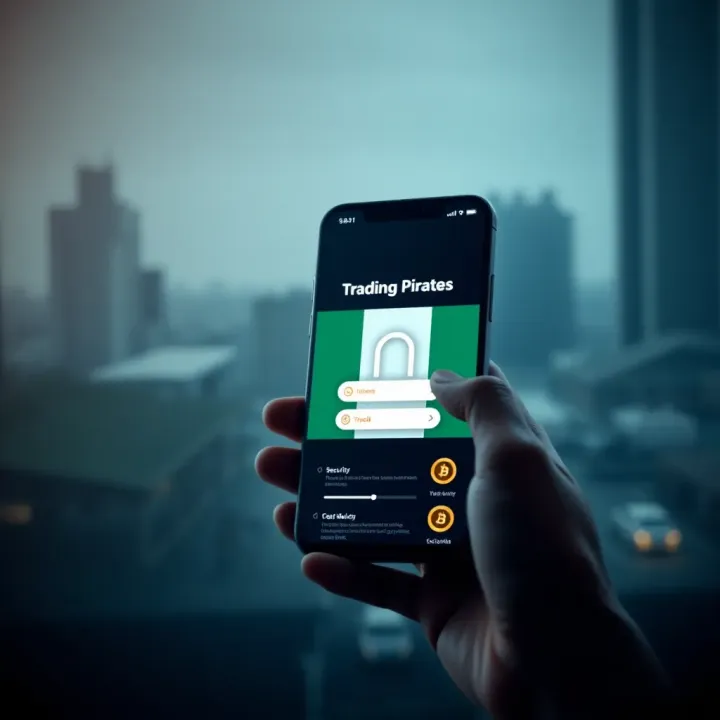
Explore top crypto trading apps for Nigerian investors 🇳🇬🔒 Compare features, costs, security, and get tips on safe, smart trading in Nigeria's market 📱💰
Explore top crypto trading apps in Nigeria 🇳🇬, learn key features, security tips 🔒, and choose the best platform for safe, smart trading 💹.
Based on 6 reviews