

Understanding Crypto Trading for Nigerian Investors
📊 Learn crypto trading basics, strategies, and risk tips designed for Nigerian investors. Stay informed on Nigeria's crypto rules for smarter trades.
Edited By
Thomas Greene
Cryptocurrency trading has become a popular investment avenue in Nigeria, attracting everyone from young entrepreneurs to seasoned investors. The appeal lies in its potential for high returns and the growing acceptance of digital currencies as payment methods across the country. However, trading crypto isn't child's play; it demands understanding market dynamics, local challenges, and practical tools.
Unlike traditional stocks, crypto markets operate 24/7, meaning price changes can happen anytime. For a Nigerian beginner, this means staying alert and knowing when to act, especially given the volatile naira exchange rates that often impact trading decisions.
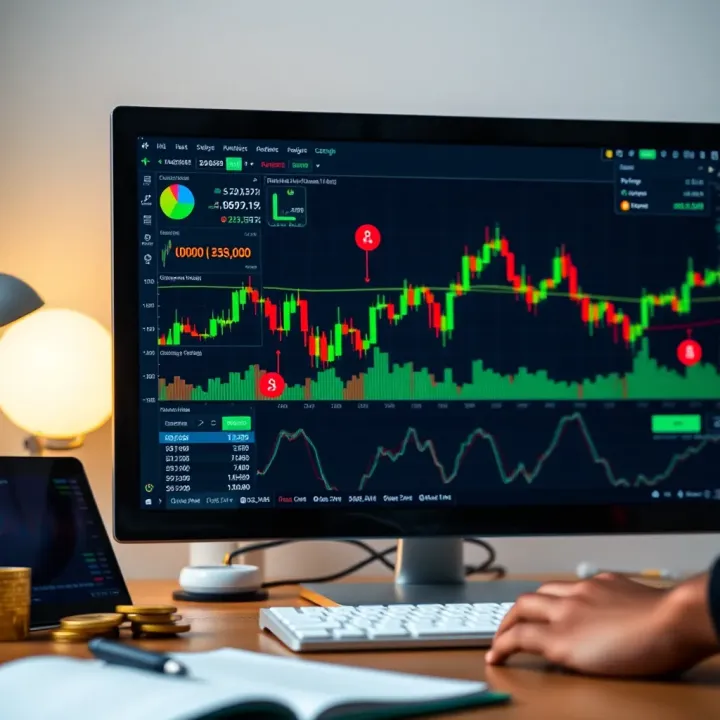
Before putting money into Bitcoin, Ethereum, or other tokens, get familiar with trusted local platforms like Bundle Africa, BuyCoins, or global exchanges that accept Nigerian customers, such as Binance or Luno. These platforms require you to verify your identity using your National Identification Number (NIN) and sometimes Bank Verification Number (BVN) to comply with Nigerian regulations.
Consistent learning is key: Crypto markets move fast, so staying updated via reliable news sources and joining local communities can keep you ahead.
A few practical starting points include:
Setting up a secure wallet to hold your crypto assets safely.
Starting with small trades using affordable amounts like ₦5,000 or ₦10,000 before scaling up.
Understanding common trading orders like market and limit orders.
Familiarising yourself with Nigerian financial policies that affect crypto, including CBN circulars restricting crypto dealings with regulated banks.
This article will walk you through these basics and more, equipping you with the know-how to trade confidently in Nigeria's unique crypto environment. You'll learn risk management strategies, how to pick useful tools, and where to find PDF guides for deeper knowledge.
Get ready to explore crypto trading with clear steps that suit Nigeria’s market, helping you avoid common pitfalls while making the most of available opportunities.
Starting your crypto trading journey requires a solid foundation. Knowing the basics not only helps you avoid common pitfalls but also enables you to make smarter decisions that can protect your ₦ investment. In the Nigerian context, understanding the local market dynamics and reliable platforms is equally critical.
Cryptocurrency is a type of digital or virtual money secured by cryptography, making it nearly impossible to counterfeit or double-spend. Unlike traditional money issued by central banks, cryptocurrencies run on decentralized networks called blockchains. This system allows traders in Nigeria to bypass some of the restrictions common in our financial system, like delayed bank transfers or strict foreign exchange controls.
Bitcoin (BTC) and Ethereum (ETH) are widely used by Nigerian traders due to their market dominance and liquidity. Stablecoins like USDT (Tether) also attract many because they offer price stability against the volatile naira. Moreover, altcoins such as Binance Coin (BNB) and Cardano (ADA) have become popular for diversification. For Nigerian investors, these cryptocurrencies are practical choices because they have active trading pairs on local exchanges.
Crypto trading runs 24/7, unlike stock markets limited by business hours. This continuous access means you can react to price movements anytime, which may be handy in volatile conditions like naira fluctuations. Also, crypto markets tend to be more volatile, presenting opportunities for quick profits but higher risks. Traditional trading usually involves regulated assets and slower transaction settlements, whereas crypto trading uses blockchain technology for faster, sometimes nearly instant, transfers.
Not all exchanges are created equal. Trusted platforms like Binance, Quidax, and Remitano have established local operations and support naira deposits and withdrawals. They also comply with Nigerian regulations better than some smaller, less-known exchanges. Choosing a reputable exchange helps minimise risks like hacks, scams, or withdrawal delays.
Signing up usually involves submitting your personal details like a valid ID, proof of residence, and sometimes a selfie for identity verification. This process, known as KYC (Know Your Customer), is mandatory to comply with Nigerian financial laws and helps protect your account from fraud. Verification can take from a few minutes to a couple of days depending on the platform.
Security is paramount. Use strong, unique passwords that combine letters, numbers, and special characters. Never reuse passwords from other sites. Enable two-factor authentication (2FA) using apps like Google Authenticator or Authy to add an extra security layer. This protects your account from unauthorised access, especially vital given reports of wallet hacks in Nigeria.
Taking time to understand these basics and securing your account well lays a strong groundwork. It helps you trade confidently while avoiding common mistakes that new traders in Nigeria often encounter.
Adopting solid strategies is key to thriving in crypto trading, especially for beginners in Nigeria's sometimes volatile market. These strategies help you make decisions rooted in logic rather than emotions, which can save you from losses common among new traders. Understanding market mechanics and risk management fosters confidence and steadiness, allowing you to build wealth steadily rather than chasing quick gains.
Market orders are instructions to buy or sell a cryptocurrency immediately at the best current price. If you want quick execution, this is the go-to option. However, in volatile markets like crypto, prices can jump or dip sharply, which means you might end up buying at a higher price or selling at a lower one unexpectedly.
On the other hand, limit orders allow you to set the price at which you want to buy or sell. Your order only executes if the market price reaches that level, giving more control over entry and exit points. For example, if Bitcoin trades around ₦15 million, but you want to buy only if it falls to ₦14.5 million, you can place a limit buy order at ₦14.5 million. This helps avoid impulsive buys during sudden price spikes.
Rather than investing a lump sum all at once, dollar-cost averaging (DCA) involves spreading purchases over regular intervals, regardless of price. This reduces the risk of buying at a peak, smoothing out your entry cost over time. For example, if you plan to invest ₦100,000 in Ethereum, you might buy ₦10,000 worth weekly for ten weeks.
DCA is especially useful in Nigeria where naira volatility and exchange rate swings make timing the market perfectly almost impossible. It also helps beginners avoid emotional decisions triggered by price swings, building crypto holdings gradually and sustainably.
Many beginners rush into trading without proper research, often chasing hype around coins like Dogecoin or Shiba Inu. This leads to heavy losses when prices crash. Avoid the trap of FOMO (fear of missing out) by sticking to a well-thought plan and verified information.
Other errors include ignoring transaction fees, using weak security practices, and neglecting to set stop-loss levels. These mistakes eat into profits and expose you to unnecessary risks. Learning from experienced traders and continually reviewing your trades can reduce these pitfalls.
A stop-loss order automatically sells your crypto when it reaches a certain price below your purchase price, limiting potential losses. Suppose you buy Bitcoin at ₦15 million and set a stop-loss at ₦14 million; if the price falls to ₦14 million, your coin is sold automatically, preventing further loss.
This tool is vital in crypto’s rapid price swings, especially to protect your capital during unexpected downturns. It enforces discipline in your trading by cutting losses early before emotions cloud your judgment.
Putting all your money in one cryptocurrency is risky, as failing projects or regulatory hurdles can wipe out investments. Instead, spread your funds across different coins such as Bitcoin, Ethereum, and Nigerian-favourite stablecoins like BUSD or USDT.
Diversification cushions your portfolio against volatility by balancing gains and losses of different assets. It also exposes you to growth opportunities in various sectors of the crypto space.
Successful traders don’t just know when to buy, but also when to sell. Exiting a trade at the right time helps lock in profits or cut losses to protect your capital. For instance, if you bought BTC at ₦15 million and it reaches ₦18 million, setting a target exit price close to current highs can secure gains.
Avoid holding on with the hope that prices will rise forever; sometimes taking a smaller guaranteed profit is wiser than risking a reversal. Monitoring market trends and sticking to your pre-set plan ensures disciplined exits.
Managing risk is not about avoiding losses completely but controlling how much you lose when markets don’t move your way. Solid strategies help you stay in the game for the long haul, not just score quick wins.
By mastering these essential trading techniques and risk management tools, you tilt the odds of crypto trading in your favour, especially within Nigeria’s unique economic setting.
Trading successfully in cryptocurrency goes beyond knowing how to buy and sell coins. The right tools and reliable educational resources can boost your understanding and improve your decision-making. Especially in Nigeria, where market dynamics and regulations may differ from elsewhere, being equipped with trusted platforms and learning materials helps you navigate safely and profitably.
Among the top exchanges popular with Nigerian traders are Binance, Quidax, and Remitano. Binance offers a wide range of cryptocurrencies, good liquidity, and a user-friendly interface. Its peer-to-peer (P2P) service enables buying and selling crypto directly with other Nigerians at local rates, helping traders save on fees and avoid naira conversion hassles.
Quidax is a local-focused platform supporting naira deposits via banks and mobile money. This ease of funding and withdrawing makes it a top choice for Nigerian beginners. Remitano also focuses on peer-to-peer trading, providing escrow services to protect users from fraud, an important feature given the growing concerns about online scams in Nigeria’s crypto space.
Mobile apps have become vital for active trading on the go. Binance and Quidax both offer solid mobile apps that let you monitor markets, place trades, and manage your portfolio seamlessly. Trading via phone is especially useful in Nigeria’s fast-paced cities, where you might not sit in front of a computer all day. Also, mobile notifications keep you updated on price swings, helping you react quickly. Remember to secure your phone with strong passwords and keep your apps updated to avoid vulnerabilities.
Having access to reliable PDFs or guidebooks designed for beginners can accelerate your learning curve. These guides often explain complex concepts in simple language, showing you how to read candlestick charts or how stop-loss orders protect your investments. For Nigerian traders, some PDF resources even explain local nuances like how to handle naira volatility or listing the best exchanges in the country, which you won’t always find in global guides.
Besides PDFs, books and online courses tailored to Nigerian circumstances offer structured learning paths. Platforms like Coursera and Udemy have courses on crypto trading basics, while Nigerian fintech blogs and YouTube channels provide up-to-date market insights and tips. Reading Nigerian-specific content prepares you better for the local market conditions, such as informal sector involvement, irregular power supply, and internet fluctuations that can all affect trading.
Tools and educational resources are not just about technical knowledge; they’re your safety net against mistakes and scams. Using trusted apps, learning continuously, and staying informed on how Nigeria’s unique market operates give you an edge in crypto trading.
With the right combination of platforms, mobile access, and educational guides, you’ll be better prepared to trade smartly, protect your funds, and grow your crypto portfolio with confidence.
Navigating Nigeria's crypto environment can be tricky due to the evolving regulatory landscape and local market conditions. Understanding this environment helps you avoid common pitfalls and protects your investment. Given Nigeria's unique financial system and the Central Bank of Nigeria’s (CBN) stance on cryptocurrencies, being informed is essential.
Currently, Nigeria has an uncertain regulatory position on cryptocurrencies. While trading crypto is not illegal, the Central Bank of Nigeria banned banks from facilitating crypto transactions in 2021. This directive complicated direct naira-to-crypto transactions but did not criminalise holding or trading crypto on peer-to-peer (P2P) platforms. Traders should note that the Securities and Exchange Commission (SEC) begun exploring crypto regulation, intending to bring digital assets under clearer rules in the near future.
For traders, this regulatory ambiguity means extra caution is necessary. Using P2P exchanges like Binance P2P or Remitano, which operate by connecting buyers and sellers directly, has become common. However, reliance on third-party platforms to fund wallets complicates transactions and may expose users to fraud if they are not careful.
Staying compliant involves following the latest official guidance and ensuring all transactions are transparent. Keep accurate records for all your trades, including receipts from P2P sales or purchases. Also, avoid large, suspicious transactions that could attract regulatory scrutiny. Periodically checking updates from the CBN and SEC websites or reputable Nigerian financial news outlets helps you stay informed and compliant.
In Nigeria, popular payment methods for buying cryptocurrency include bank transfers, USSD codes, and mobile payment apps like Opay and PalmPay. P2P platforms often recommend these for naira payments, as direct bank transfers to crypto exchanges are mostly blocked. Cash deposit and withdrawal into trusted agents also remain options but with higher risk.
Handling naira volatility and fluctuating exchange rates is another challenge. The naira's value against the US dollar or stablecoins can swing significantly, especially during ember months when import needs spike. To mitigate losses, many traders peg their crypto holdings to stablecoins like USDT, which offer an escape from naira depreciation. Being quick to convert profits back into naira during favourable rates is a smart move.
Safely withdrawing profits requires choosing reliable outlets. Because banks are restricted from direct crypto exchange payments, many traders convert crypto to stablecoins or other digital assets before using P2P platforms to cash out. Always verify buyer credentials and use escrow services where possible to avoid scams. Also, spreading withdrawals across multiple small transactions lowers risk, as does utilising wallets with good security features.
Tip: Regularly updating your knowledge of local payment channels and exchange policies will help you manage your crypto fund flow efficiently amidst Nigeria’s unique challenges.
Understanding and adapting to Nigeria’s crypto regulatory and payment environment is key for smooth trading. It’s no secret that naira volatility and banking restrictions make crypto trading more complex here than elsewhere. Still, with careful research, practical payment strategies, and compliance, you can navigate these waters confidently.
For anyone serious about crypto trading in Nigeria, adopting best practices for long-term success is not just useful—it’s necessary. The volatile nature of cryptocurrency markets means that without a solid approach, even those with promising starts might find themselves losing ground. Applying smart habits around emotional control and continuous learning can help you avoid common pitfalls and build a more consistent trading routine.
Trading often brings intense emotions like fear, greed, and impatience, which can cloud judgment. Many beginners fall into traps such as panic selling during a market dip or getting overexcited and buying during a hype—both usually result in losses. For example, during a sudden drop in Bitcoin price, some traders sell immediately only to regret it later when the price recovers. To stay afloat, you must recognise these emotional triggers and separate them from your trading decisions.
A trading plan outlines your strategy, including entry and exit points, risk level, and profit targets. Discipline means following this plan strictly, regardless of market noise or social media chatter, which can be misleading. If your plan says to exit a trade at ₦2 million profit, avoid the temptation to hold longer in hope of more gains. Sticking to your strategy helps prevent impulsive decisions that often lead to losses.
Staying updated with crypto market trends and news is vital. In Nigeria, factors like regulatory announcements, naira fluctuations, or global crypto events can hugely influence prices. For instance, news of a CBN policy on crypto could trigger a market reaction. Using reliable sources to track these developments enables you to make informed decisions quickly, rather than relying solely on past patterns.
Engaging with local crypto communities, whether online forums, WhatsApp groups, or Twitter circles, gives access to shared experiences and insights. Traders often exchange ideas about trusted exchanges like Quidax or Binance Nigeria, discuss safe withdrawal methods, and alert each other to scams. This peer support helps you avoid common mistakes and stay motivated.
The crypto market is constantly changing, and what worked last year might not work now. Reviewing your trades regularly allows you to identify what strategies yield profit or loss. For example, if you notice dollar-cost averaging doesn’t suit the volatile altcoins you trade, you might switch to a different approach. Adapting based on experience keeps your trading plan relevant and effective.
Consistency in following best practices—balancing emotions and continuous learning—helps build a trading career that can handle Nigeria’s unique market challenges and global crypto swings. Being proactive and steady wins over jumping at every hype or fear.
Adopting these practices lays a strong foundation for trading success adaptable to Nigeria’s dynamic crypto environment.
📊 Learn crypto trading basics, strategies, and risk tips designed for Nigerian investors. Stay informed on Nigeria's crypto rules for smarter trades.

🌍 Discover forex trading basics in Nigeria! Learn market terms, pick the right broker, manage risks, and avoid common beginner mistakes today.

Ready to start forex trading in Nigeria? 🌍 Learn key basics, strategies, and risk tips to trade currencies confidently in the 24/7 global market. 💹
📈 Learn forex trading in Nigeria with practical tips on markets, brokers, risk, and strategy. Trade confidently using local & global platforms for ₦ gains.
Based on 8 reviews