
Best Forex Trading Tips for Nigerians
Explore the best forex trading options in Nigeria 🇳🇬! Learn how to pick brokers, understand regulations, manage risks, and create winning strategies.
Edited By
Henry Mitchell
Forex trading has grabbed serious attention in Nigeria as a way to earn extra income beyond traditional jobs and business. At its core, forex trading means buying and selling currencies on the global market to make profits from changes in exchange rates. This market operates 24/5, offering flexibility for Nigerians who juggle various daily demands.
To trade forex successfully, understanding the basics is non-negotiable. Unlike stocks or real estate, forex involves currency pairs such as USD/NGN or EUR/USD. For example, if you believe the US dollar will strengthen against the naira, you buy USD/NGN hoping to sell later at a higher rate.
Starting forex trading requires these initial steps:
Choosing a reliable broker: Look for brokers authorised by the Securities and Exchange Commission Nigeria or internationally regulated ones with good reputations. Platforms like FXTM, HotForex, and IG Group serve Nigerian traders and offer secure account funding and withdrawal options.
Opening a trading account: Most brokers allow you to open a demo account first. This helps practice strategies without risking real money, a useful step especially against scams rampant in the Nigerian forex space.
Familiarising with trading platforms: Common platforms are MetaTrader 4 and 5, accessible on PC and mobile. These tools provide charts, indicators, and order execution.
Successful forex trading blends practical knowledge with discipline. Traders who jump in without solid preparation face high risks, especially with the prevalent market volatility and unregulated brokers.
Risk management is critical. Use stop-loss orders to limit losses, avoid over-leveraging, and never trade with money you cannot afford to lose. Nigerian traders should also watch out for the naira’s fluctuations caused by economic factors like Central Bank of Nigeria (CBN) policies and petrol subsidy changes.
In subsequent sections, we will explore effective trading strategies, common mistakes to avoid, and how to leverage local and international fintech innovations to trade smarter. For now, set the foundation by understanding how currency markets work and make careful choices when selecting brokers and platforms.
Forex trading is not get-rich-quick scheme but a practical investment avenue with discipline, knowledge, and patience.
Understanding the forex market is fundamental for anyone looking to trade currencies, especially within the Nigerian context. The forex market — short for foreign exchange market — involves the buying and selling of currencies and influences everything from import prices to inflation rates. For Nigerian traders, grasping how this market works helps in making smarter decisions, managing risks related to naira volatility, and identifying when to enter or exit trades.
Definition of forex trading: Forex trading means exchanging one currency for another, hoping to profit from changes in their value. For example, a trader buys the US dollar with naira expecting the dollar’s value to rise; if it does, selling back yields a profit. This process underpins international business, travel, and investment flows.
Currencies traded and market size: The global forex market is the largest financial market, with daily transactions exceeding $6 trillion. It operates 24/7, covering major currencies like the US dollar (USD), euro (EUR), British pound (GBP), and Japanese yen (JPY). In Nigeria, traders often focus on USD/NGN pairs because of the naira’s fluctuating exchange rates. Understanding which currencies dominate gives insight into liquidity and potential trading opportunities.
Role of exchange rates: Exchange rates reflect how much one currency is worth compared to another. In nations like Nigeria, exchange rates are influenced by politics, trade balances, and central bank policies. For instance, the Central Bank of Nigeria’s interventions can affect the naira’s value, impacting imports, inflation, and the profitability of forex trades. Traders monitoring these rates can anticipate market moves better.
Major participants (banks, brokers, individual traders): The forex market includes commercial banks, central banks, brokers, hedge funds, corporations, and individual traders. Banks handle large volumes, setting liquidity and prices. Brokers provide platforms for retail traders in Nigeria to access the market. For example, brokers like FXTM and HotForex offer platforms where Nigerians trade. Knowing who influences the market can help you understand price movements and the spread on currency pairs.
Trading sessions and market hours with focus on WAT: Forex trading happens around the clock across four major sessions — Sydney, Tokyo, London, and New York. Nigerian traders operate primarily during the London and New York sessions due to time zone overlaps with West Africa Time (WAT). London session (8 am to 5 pm WAT) is particularly important as it sees high volume and volatility, which can create lucrative opportunities but also risks.
Spot market versus derivatives: The spot market involves immediate currency exchange at current rates, preferred by most Nigerian retail traders for its simplicity. Derivatives like futures and options allow contracts to buy or sell currencies at a future date, often used by institutions to hedge risks. Understanding these differences guides traders in choosing instruments that match their strategies and risk appetite.
Grasping these core concepts about the forex market lays down the foundation for effective trading. A Nigerian trader well-versed in how currencies move and how market participants operate is better positioned to navigate challenges like naira instability or internet downtime.
By appreciating the practical elements of the forex market, Nigerian traders can make informed choices, capitalise on key sessions, and use suitable trading tools to enhance their chances of success.
Starting forex trading in Nigeria demands careful preparation, especially given the unique regulatory, economic, and infrastructural environment here. It’s not just about buying and selling currencies; it’s about choosing trusted platforms and understanding basic trading logistics. This section guides you through those first crucial steps, helping you avoid common pitfalls while setting a solid foundation for your trading journey.
When selecting a forex broker, transparency and trustworthiness should top your list. Look for brokers offering clear trading conditions, low spreads, and user-friendly platforms compatible with mobile devices—important since many Nigerian traders heavily rely on smartphones for market access. Additionally, customer support that responds promptly in English and offers convenient payment options in Naira is a must.
Nigeria's regulatory environment shapes trader safety. The Nigerian Securities and Exchange Commission (SEC) regulates forex operators to some extent, but not all brokers are licensed locally. Many Nigerians use international brokers regulated by recognised authorities such as the UK’s FCA or Australia’s ASIC. Choosing brokers registered with well-known regulators adds a layer of protection and reduces the risk of scams.
Popular brokers accessible to Nigerian traders include platforms like XM, HotForex, and FXTM. These brokers offer localised services such as accepting Naira deposits via bank transfer or local payment gateways, making fund movement smoother. Some also provide demo accounts, which are crucial for beginners to practice without risking real money.
Understanding account types and minimum deposits will help you start on the right foot. Most brokers offer standard, mini, and micro accounts catering to different risk levels and capital sizes. For example, a micro account with a minimum deposit of about ₦15,000 allows new traders to test strategies without heavy financial exposure.
Spreads and commissions directly affect profitability. Spreads (the difference between buy and sell prices) vary between brokers and currency pairs. Lower spreads mean cheaper trades, but sometimes brokers offset this with commissions. Always compare total trading costs before committing.
Depositing and withdrawing funds in Naira is vital for convenient trading. Brokers accepting local bank transfers or popular Nigerian payment services remove the headache of currency conversion fees and delays. Withdrawal processes should also be straightforward; some traders face long waits or extra charges when moving funds back to Nigerian accounts. A good broker keeps these processes fast and clear, supporting traders’ cash flow needs.
Starting forex trading in Nigeria requires more than just understanding how markets work. It hinges on choosing the right broker and managing your account wisely, with a keen eye on local conditions and trading costs.
By focusing on these foundational elements, you set yourself up not just to trade but to trade smartly and sustainably within Nigeria’s dynamic forex scene.
Mastering core concepts and tools is the foundation of successful forex trading. Without a solid grip on these basics, even the best strategies can fail. For Nigerian traders, especially those navigating the ups and downs of the naira and local market challenges, understanding these essentials helps in making more informed decisions and limits costly mistakes.
Fundamental analysis involves studying economic indicators and news that influence currency values. In Nigeria, keeping an eye on economic releases like inflation rates, Central Bank of Nigeria (CBN) monetary policy decisions, or crude oil prices can give clues on naira movement. For instance, a sudden hike in the inflation rate or unexpected CBN intervention can lead to sharp fluctuations in exchange rates. Knowing this helps traders anticipate market moves beyond mere price charts.
Technical analysis, on the other hand, focuses on price patterns and market statistics. Traders use charts and tools such as moving averages, Relative Strength Index (RSI), or Fibonacci retracements to predict future price trends. For example, spotting a resistance level on the USD/NGN pair might suggest a possible price reversal. These tools offer quick insights, especially useful when reacting to fast-moving markets like forex.
Combining both analysis forms strengthens trading decisions. Fundamental analysis offers the "why" behind price moves, while technical analysis reveals the "when". Suppose Nigeria’s GDP reports better-than-expected growth; a trader might use technical indicators to find the optimal entry point before the naira strengthens. This twin approach lets traders avoid guessing and rely on evidence, balancing long-term trends with short-term signals.
Risk management is where many Nigerian traders slip, but it’s crucial for preserving capital. Stop-loss and take-profit orders automatically close trades at specified price levels to limit loss or secure profit. Imagine you enter a USD/NGN trade expecting the naira to weaken; setting a stop-loss prevents heavy loss if the naira unexpectedly strengthens, while take-profit locks in gains once your target price is reached.
Position sizing and leverage go hand in hand with risk control. Using excessive leverage can be tempting since it magnifies gains, but it can also wipe out your account fast, especially with volatile pairs involving the naira. Position size should depend on your total capital and acceptable risk per trade—commonly 1-2% is advised. For example, if your trading capital is ₦100,000, risking more than ₦2,000 on a single trade could be reckless.
Avoiding overtrading and emotional decisions is equally important. Overtrading happens when traders enter too many positions due to impatience or chasing losses, which often leads to mistakes. Emotional trading, such as holding losing trades hoping for reversal, can drain funds quickly. Keeping a clear trading plan and journal helps Nigerians recognise patterns in their behaviour and stick to discipline.
Learning forex without mastering these core tools is like setting out on a journey without a map. These concepts help you navigate the market with confidence and protect your investment from unexpected jolts.
Knowing which trading strategy to use can make a serious difference when you start forex trading. Effective strategies help you manage risks better and spot real opportunities instead of chasing random price moves. For Nigerian traders, where the market can be influenced by both global events and local factors like naira fluctuations, having practical and tested strategies is even more critical.
Trend following and breakout strategies focus on riding market momentum. When a currency pair starts moving strongly in a particular direction, this strategy helps you jump on board early and stay with the trend until signs of reversal show up. For instance, if USD/NGN is steadily rising due to naira depreciation, a trend follower aims to profit by staying long on that pair. Breakout strategies target moments when price breaks out of a defined range — say, the EUR/USD price busts above a resistance level after months of sideways movement. This can signal the start of a new trend, offering a chance for quick gains.
On the other hand, range trading and scalping basics work within quieter markets. Range trading involves buying near support and selling near resistance within price channels. For example, if GBP/USD keeps bouncing between certain levels without a clear trend, a trader could buy at the bottom of the range and sell at the top. Scalping is all about making many small trades to grab tiny profits multiple times during a trading session. This suits traders who can react fast and handle the stress, often working well during the Asian session when the market is less volatile.
Adapting these strategies to the Nigerian market context means considering local challenges. Naira volatility, for example, can cause sudden gaps or spikes that may disrupt usual patterns. Because of this, Nigerian traders often combine global strategies with local insight—like timing trades around Central Bank of Nigeria (CBN) policy announcements or naira swap activity. The choice of brokers, access to timely news, and reliable internet connection also shape how you apply any strategy here.
Setting realistic goals and expectations forms the backbone of a good trading plan. Many beginners dream of turning ₦50,000 into ₦500,000 within weeks, but such targets often lead to reckless decisions. Instead, aiming for steady 5–10% monthly returns with proper risk limits keeps you grounded and avoids big losses. Clear goals reduce emotional trading, especially during volatile ember months when market behaviour can get unpredictable.
Keeping a trading journal helps track your progress and mistakes. Note down every trade’s entry, exit points, reasons for the trade, and outcome. Over time, this reveals patterns of success and failure, enabling you to refine your approach. For example, you might discover you perform better using breakout strategies than scalping or see how certain currency pairs behave differently during Nigerian office hours.
Finally, review and continuous learning are vital. Forex markets never stay still. Regularly reviewing your trades and studying new developments increases your edge. Following platforms like Nairametrics or TechCabal for financial updates can help you align your strategies with current economic conditions. Plus, practising with demo accounts or paper trading lets you test new ideas without risking your precious naira.
Successful trading in Nigeria combines sound strategy, patience, and adaptation to local market quirks. A clear plan keeps you focused and ready for opportunities.
By applying these effective strategies and planning steps, Nigerian traders stand a better chance of turning forex trading from a risky gamble into a manageable, steady income source.
Navigating forex trading in Nigeria can be rewarding, but it comes with pitfalls that can upend even well-intentioned traders. Recognising and avoiding common mistakes reduces losses, enhances learning, and builds confidence. This section highlights typical errors new traders make and specific challenges unique to Nigeria.
Falling for scams and unreliable brokers is a trap many beginners face. Since the forex market is mostly unregulated globally, unscrupulous operators take advantage of naïve traders with promises of guaranteed profits or insider tips. In Nigeria, where trust in some financial services is cautious, it is wise to verify brokers through agencies like the Securities and Exchange Commission (SEC) Nigeria. Some brokers may freeze your funds or manipulate prices. Always check for proper licensing, transparent terms, and positive user reviews before committing your money.
Excessive use of leverage tempts traders aiming for quick profits. Leverage allows controlling a large position with a small deposit, but it magnifies losses as well. For example, a 1:100 leverage means a ₦10,000 investment controls ₦1,000,000 in the market. A small price swing against your position can wipe out your capital quickly. Nigerian traders often fall into this, driven by social media hype to ‘make fast money’. It’s crucial to start with low leverage and understand how margin works to preserve your capital.
Ignoring risk management undermines sustainable trading. Risk management involves setting stop-loss orders to limit losses and adjusting position size according to your account balance. New traders sometimes neglect these principles, exposing their funds to high risks from market volatility. For instance, not using stop-loss during a sudden naira devaluation or political unrest can lead to substantial losses. Successful trading balances risk and reward, protecting your capital to stay in the game longer.
Impact of naira volatility and exchange restrictions affects forex trading significantly. Due to periodic naira depreciation and Central Bank of Nigeria (CBN) foreign exchange policies, traders may experience higher spreads, slippage, or difficulty moving funds across brokers. Exchange restrictions sometimes delay withdrawals or inflate conversion costs, reducing profits. Being aware of these realities helps traders plan deposits and withdrawals better, choosing brokers with efficient naira support.
Accessing reliable internet and power supply in Nigeria is another hurdle. Unstable electricity and slow connection can cause failed trades or missed opportunities at critical moments. Many traders invest in backup power like generators or inverters and use mobile data plans with good coverage to stay connected. Planning trades during reliable hours and testing your internet speed minimize risks from technical disruptions.
Dealing with local regulations and taxes requires awareness but is often overlooked. Nigerian traders must declare forex trading income for tax purposes to the Federal Inland Revenue Service (FIRS), especially if trading in large volumes or professionally. Non-compliance could lead to penalties. Furthermore, brokers operating in Nigeria need adequate registration with regulatory bodies, which impacts trader protection. Staying informed about these regulations ensures you avoid legal complications.
Recognising common trading mistakes and Nigerian market realities equips you to trade smarter and safer, turning challenges into manageable steps on your forex journey.
Explore the best forex trading options in Nigeria 🇳🇬! Learn how to pick brokers, understand regulations, manage risks, and create winning strategies.
Explore forex trading in Nigeria 🇳🇬 with our detailed guide. Learn key strategies, platform tips, benefits, risks, and Nigeria-specific insights to trade smart.
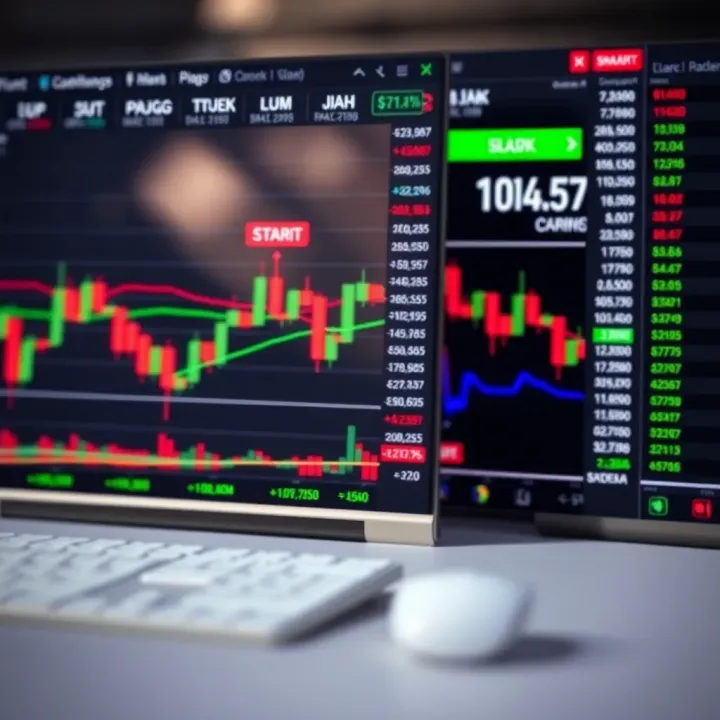
Master forex trading in Nigeria 🇳🇬 with practical tips on strategies, broker selection, risk control, and understanding local regulations for safer investing 💹.
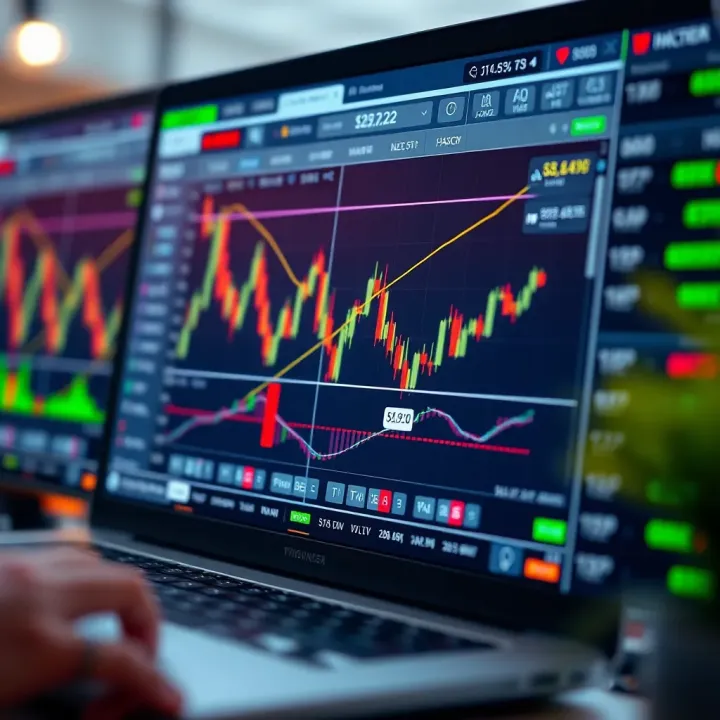
Explore top forex trading platforms for Nigerian traders 🇳🇬. Learn how to pick reliable services, understand security, features & Nigeria-specific market needs.
Based on 14 reviews