
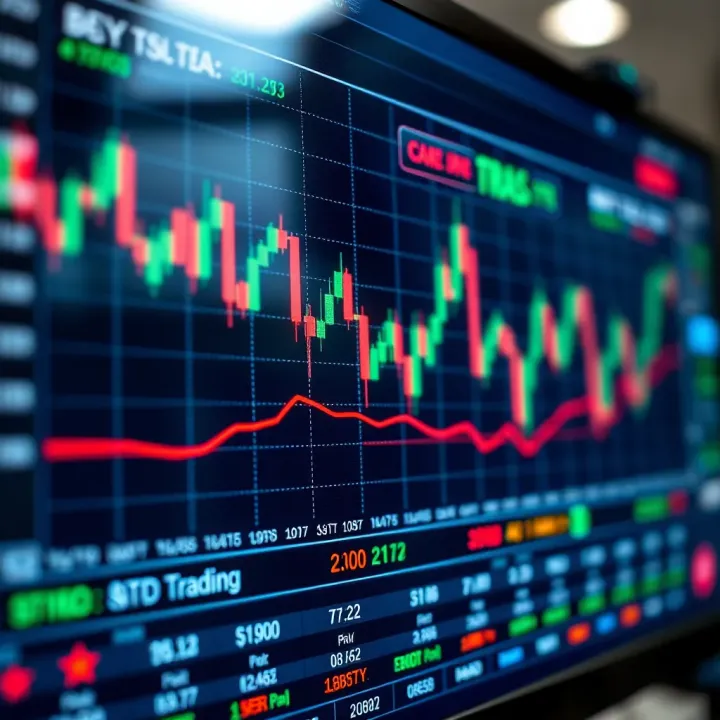
Best Forex Trading Signals for Nigerian Traders
🇳🇬 Discover how Nigerian traders can spot reliable forex trading signals 📉📈, evaluate their quality, choose types wisely, and reduce risks effectively.
Edited By
Sophia Turner
Forex trading signals act as guiding pointers for traders in the fast-moving foreign exchange market. They offer timely recommendations on when to buy or sell currency pairs like USD/NGN or EUR/USD, based on market analysis. For Nigerian traders, understanding these signals can improve trading outcomes by helping to identify profitable entry and exit points.
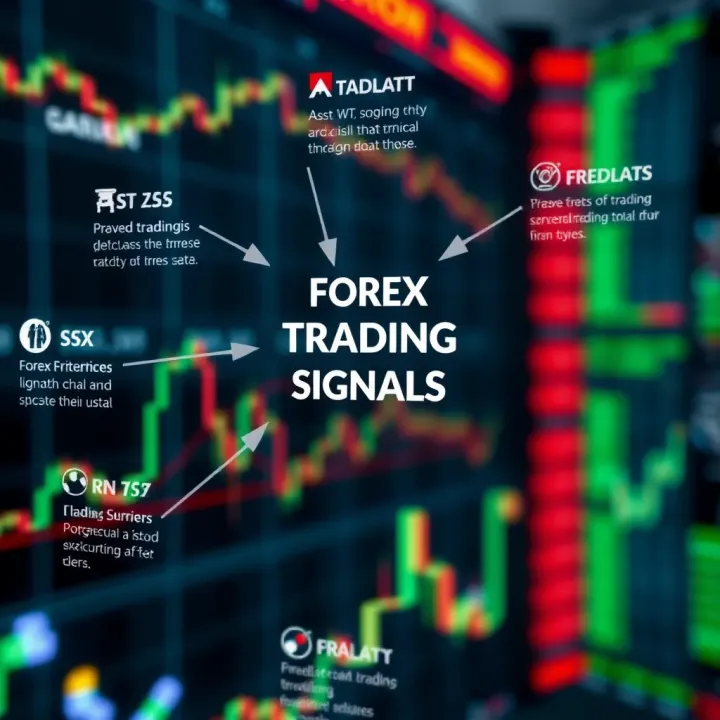
At its core, a forex trading signal is advice generated from technical or fundamental analysis. These signals indicate the optimal time to trade a currency pair, suggesting whether to go long (buy) or short (sell), along with price targets and stop-loss levels. Signals can come from professional analysts, automated tools, or social trading platforms.
Signals are typically based on patterns, economic news, or market indicators. For example, a signal might alert you that the Central Bank of Nigeria (CBN) plans a policy rate change likely to strengthen the naira. This heads-up allows you to prepare and adjust your trades accordingly.
Reading signals involves checking the source, the signal’s entry price, stop-loss, and take-profit levels. These details help you manage risk and lock in profits where possible.
Effective use of forex trading signals depends on your ability to interpret them within the Nigerian market context and your personal risk tolerance.
Manual Signals: Created by experienced traders or analysts who examine charts and news.
Automated Signals: Generated by computer algorithms analysing market data instantly.
Copy Trading Signals: Trades copied from professional traders’ accounts.
For Nigerian traders, combining these signals with knowledge of local factors—like naira volatility or fuel subsidy announcements—can make trading smarter.
Signals can save you time and effort, especially if you don't have the resources to analyse the market constantly. They provide a headstart on potential moves and help avoid emotional decisions. However, signals aren’t foolproof; market behaviour can shift abruptly, so signals should complement your own research.
In the following sections, we will explore how to select reliable signal providers, manage risks involved, and practically apply signals to your trading routine in Nigeria’s unique forex environment.
Forex trading signals are essentially alerts or recommendations that suggest when to enter or exit trades in the foreign exchange market. For Nigerian traders, these signals serve as helpful guides amid the complexities and rapid changes in currency markets. They summarise detailed market analysis into straightforward cues, allowing traders to act promptly without getting lost in the flood of data.
At their core, forex trading signals are suggestions based on market conditions that advise traders about potential buying or selling opportunities. They include specific information such as which currency pair to trade, the direction of the trade (buy or sell), entry price, stop-loss level, and take-profit point. The main purpose is to simplify decision-making, especially for those who may not have time for deep analysis or lack the technical skills.
For example, a signal might tell a trader to buy USD/NGN at ₦410 with a stop-loss at ₦408 and a target of ₦415. Using this, Nigerian traders can set their trades confidently, knowing the recommendation is backed by market research.
Forex signals often rely heavily on technical indicators, which are mathematical calculations based on historical price and volume data. Common tools include Moving Averages, Relative Strength Index (RSI), and Bollinger Bands. These indicators help spot trends, momentum shifts, and potential reversal points, crucial in predicting currency pair movements.
For instance, if the 50-day Moving Average crosses above the 200-day Moving Average—a classic "golden cross"—a signal might recommend buying that currency pair. Such technical cues are especially useful for Nigerian traders who prefer short-term trades, aiming to ride the momentum without waiting for fundamental changes.
Fundamental analysis looks at the underlying economic, political, and social factors influencing currencies. This includes interest rates, inflation, trade balances, or events like elections or central bank announcements.
In Nigeria, a sudden change in Central Bank of Nigeria (CBN) monetary policy or unexpected petrol subsidy removal can lead to significant naira fluctuations. Forex signals incorporating fundamental factors will consider these events to forecast moves. For example, if CBN raises interest rates, a signal might suggest buying naira pairs due to likely currency strengthening. Understanding these forces helps traders anticipate shifts beyond chart patterns, offering a fuller market picture.
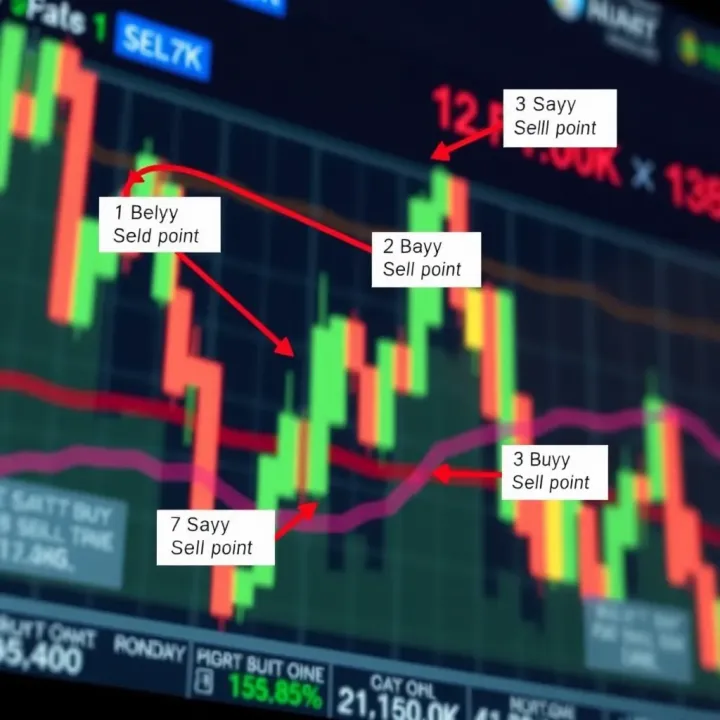
Forex trading signals combine this mix of technical and fundamental insights to offer practical advice. While they don't guarantee profit, they help Nigerian traders make faster, more informed decisions, especially in volatile market conditions.
By knowing what signals entail and how they reflect real market analysis, traders can better integrate these alerts into their strategies and manage risks effectively.
In forex trading, understanding the different types of trading signals can help you tailor your approach and improve decision-making. Each type offers distinct advantages and challenges, especially for Nigerian traders navigating local market conditions and global currency fluctuations. By recognising these common signal types, you can choose the option that best fits your trading style and risk tolerance.
Manual signals come from seasoned traders who analyse the market using their expertise, experience, and sometimes a gut feel. These signals often consider technical charts, fundamental news, and market sentiment. For example, a trader based in Lagos might manually spot a promising entry point on USD/NGN based on recent Central Bank of Nigeria (CBN) announcements and market reactions. Such manual signals have the benefit of human insight, which can factor in unexpected events or nuances automated systems may miss. However, they require trusting the trader’s track record and understanding their strategy before you act on their recommendations.
Automated signals use algorithms programmed into software to generate buy or sell alerts based on specific criteria like price movements or indicator thresholds. Nigerian traders may find automated signals useful because they run continuously without fatigue, can manage vast data quickly, and remove emotional bias. For instance, an automated signal might flag a breakout on GBP/USD when the relative strength index (RSI) crosses a threshold. That said, these systems depend on coded rules and historical data, so they could miss sudden, unprecedented market shocks like fuel price announcements or unexpected policy changes. It's important to test and monitor any automated signals closely to ensure they fit your trading goals.
Copy trading allows traders to replicate trades from more experienced or professional investors. Nigerian platforms like Trove or international brokers support copy trading, making it accessible for beginners. Signal services, on the other hand, provide alerts but leave execution to you. Both methods aim to simplify trading but differ in involvement. Copy trading might suit those who prefer a hands-off approach, while signal services appeal to traders wanting control yet guidance. For example, through copy trading, you might follow a well-ranked European trader whose signals align with major economic events. Still, be mindful of service fees and verify the performance history before committing funds.
Choosing the right type of forex trading signals depends on your experience level, time availability, and how much control you want over your trades. Many Nigerian traders combine these signal types with their own analysis and risk management to navigate forex markets successfully.
In sum, manual signals bring human judgement, automated signals offer speed and consistency, while copy trading combines social proof with ease. Understanding these types equips you to make smarter, more confident trading choices.
Making good use of forex trading signals can sharpen your trading approach and save you from costly mistakes. For Nigerian traders, signals do more than point out market opportunities; they provide a shortcut through the noise, especially given the fast pace and volatility of the FX market. However, using signals properly demands discernment and skill. Without the right checks, signals might lead you astray instead of helping.
Trustworthy providers should have a solid track record and transparent performance records. For example, a reputable provider easily shares verified trade histories showing clear entry, exit points, and risk levels over months or years. Beyond that, check if they offer signals tailored for the Nigerian market or are at least mindful of factors like naira volatility and local economic news.
The technology behind signal delivery matters as well. Providers using live updates through mobile apps like MTN or Airtel-compatible platforms ensure you get signals on time. Providers with a good support system also add value by answering questions or clarifying signal interpretations.
Beware of any provider promising guaranteed profits or excessively high returns with little risk—these claims usually indicate a scam. Providers demanding large upfront payments without trial periods or transparent terms also raise suspicion. Some groups use WhatsApp or Telegram without verifiable proof of performance, making it easy to disappear once they’ve collected fees.
Remember, signals are just tools, not magic wands. If a provider discourages your personal due diligence or pressures you to increase stakes quickly, take caution. Nigerian traders have been targets of such schemes, especially around ember months when many seek quick money.
Don’t take signals at face value. Use them as one input alongside your own technical or fundamental analysis. For instance, if a signal suggests buying USD/NGN, verify the move by checking local economic indicators, CBN policies, or recent NGX market trends. Combining your judgement with signals reduces the chance of blindly following poor advice.
Many traders use signals to confirm their analysis or to spot potential trades they might have missed. This approach also helps you learn and gradually build your trading instincts rather than relying solely on external tips.
Even the best signals can fail, so protecting your capital is key. Set stop-loss orders to limit possible losses on every trade triggered by a signal. Consider risking only a small portion of your trading account on each position—say, 1 to 2 percent—so one bad trade doesn’t wipe you out.
For Nigerian traders, who often face currency fluctuations and power supply challenges affecting online trading, staying disciplined with risk control is vital. Keep a trading journal to track how signal-based trades perform and adjust your exposure or choice of providers accordingly.
Signals can boost your trading, but they’re no substitute for careful planning and money management. When you choose reliable providers and combine signals wisely with personal insight, you stand a better chance of steady gains in Nigeria’s lively forex market.
Using forex trading signals can make your trading decisions quicker and sometimes easier, but it’s vital to understand the risks involved. Signals are not foolproof—they come with errors, market surprises, and the danger of depending on them too much. Nigerian traders should see signals as one tool among many, not a crystal ball.
Forex signals are based on analysis—technical, fundamental, or sometimes automated algorithms. However, no analysis guarantees success. Signals can be wrong due to data errors, misreading charts, or unexpected market events. For example, a signal might indicate a currency pair like USD/NGN is set to rise, but sudden political developments or central bank interventions can reverse the trend quickly. Traders chasing these false alerts risk losses, especially when they fail to confirm signals with their own research.
Currency markets are highly volatile, reacting swiftly to news like CBN monetary policy changes or global economic shifts. This volatility means signals can become outdated within minutes. Nigerian traders may experience this volatility sharply during the ember months when forex liquidity can be thin, and market moves erratic. Overreliance on signals in such unstable times might produce erratic results because the market moves faster than signals update, causing delayed or unsuitable trades.
Signals should not replace your own market knowledge and strategy. Relying too much on them can dull your trading skills and judgement. Think of signals like a GPS; they guide you but can’t drive the car for you. Nigerian traders who blindly copy signals without understanding the underlying market principles or ignoring risk management often end up suffering losses. Always integrate signals into a broader plan that includes your analysis, careful trade sizing, and stop-loss limits.
Using signals smartly means recognising their flaws and having backup plans. Combine signals with your experience and stay alert to market changes to protect your investment.
In summary, while forex trading signals can improve your insights, Nigerian traders need to be cautious about errors, market swings, and developing overreliance. Balanced use leads to better consistency and less exposure to sudden market shocks.
Finding reliable forex trading signals is essential for Nigerian traders aiming to navigate the often volatile currency markets with confidence. Reliable signals provide timely advice that can improve trading decisions and minimise unnecessary losses. However, choosing the right source involves understanding where and how to access trustworthy signals tailored to local contexts.
Nigerian traders have access to both local and international forex signal providers, each with unique advantages. Local providers often understand the specific challenges Nigerian traders face, including naira volatility, CBN policies, and local market sentiment. For instance, some Lagos-based fintech startups offer subscription-based signals that cater specifically to Nigerian traders' needs, integrating local economic indicators and market disruptions.
On the other side, international providers bring a wealth of experience and advanced technical analysis tools, covering global economic events that influence currency pairs traded in Nigeria. Platforms like ForexSignals.com and DailyForex provide signals based on comprehensive technical studies and news analysis. Traders should weigh options carefully, verifying the providers' track records and regulatory status to avoid scams and subpar advice.
In Nigeria, access to reliable financial news platforms and apps serves as an excellent source of forex signals. Websites like BusinessDay and Nairametrics offer economic updates and market insights which indirectly function as trading signals. Mobile apps such as Investing.com Nigeria and FXStreet also deliver real-time alerts on currency movements, economic releases, and geopolitical developments affecting forex pairs. These tools empower traders to keep abreast of market trends and act swiftly.
Integrating these apps into your trading routine helps maintain an informed position, especially when combined with manual analysis. Given Nigeria's sometimes unstable internet service, ensuring these apps function smoothly offline or with limited connectivity can be a practical consideration.
Social media has evolved into a vital platform where Nigerian traders exchange forex signals and market opinions. Platforms like Twitter and Telegram are popular for fast updates directly from currency analysts, signal providers, and seasoned traders. Telegram channels dedicated to forex trading often share free and paid signals, offering a space for traders to react in near real-time.
Joining Nigerian forex trading communities on Facebook and WhatsApp groups also provides a collaborative environment to discuss signals and trading strategies. However, exercising caution is key, as social media is riddled with unreliable advice and potential scams. Verify the credibility of signal sharers by checking their history and feedback from other group members.
Using a combination of well-regarded signal providers, trusted financial news platforms, and active participation in credible social media communities can create a balanced approach to obtaining forex trading signals suitable for Nigerian market conditions.
In summary, Nigerian traders should seek multiple sources of forex signals, combining the specificity of local providers with the breadth of international platforms, while leveraging technology and community insights to sharpen their trading edge.
🇳🇬 Discover how Nigerian traders can spot reliable forex trading signals 📉📈, evaluate their quality, choose types wisely, and reduce risks effectively.
Explore the best forex trading options in Nigeria 🇳🇬! Learn how to pick brokers, understand regulations, manage risks, and create winning strategies.
Explore forex trading in Nigeria 🇳🇬 with our detailed guide. Learn key strategies, platform tips, benefits, risks, and Nigeria-specific insights to trade smart.
Master forex trading in Nigeria 🇳🇬 with practical tips on strategies, broker selection, risk control, and understanding local regulations for safer investing 💹.
Based on 13 reviews