
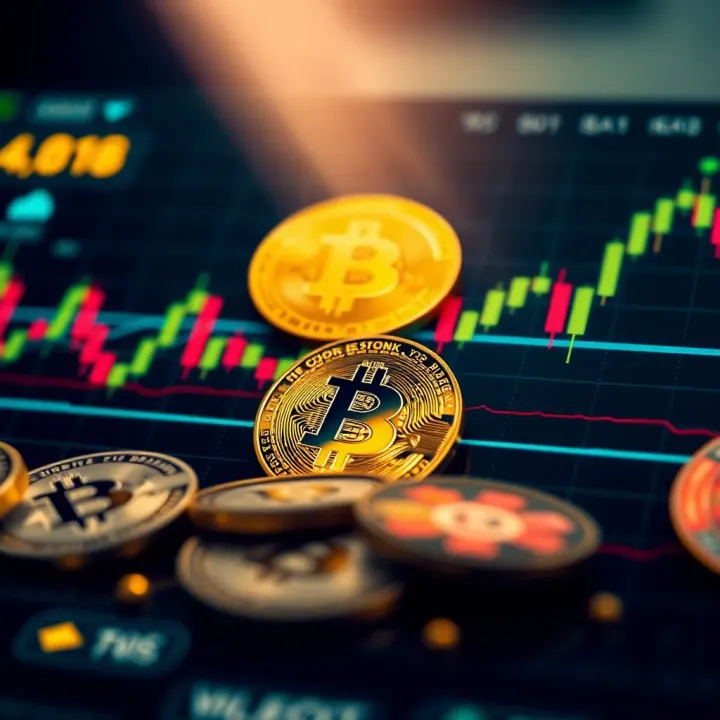
Understanding Crypto Trading for Nigerian Investors
📊 Learn crypto trading basics, strategies, and risk tips designed for Nigerian investors. Stay informed on Nigeria's crypto rules for smarter trades.
Edited By
Amelia Watson
Cryptocurrency trading in Nigeria is catching a lot of attention these days. With Bitcoin and Ethereum becoming household names, more and more people want to understand how to dive into the market, but there's often confusion about where to begin or what traps to avoid.
This guide aims to clear the fog by breaking down the essentials of crypto trading for Nigerian audiences and beyond. We’re not going to drown you in jargon or complicated theories. Instead, we'll keep things practical—covering the basics of cryptocurrencies, different trading styles, must-have tools, and strategies that genuinely work.

Importantly, the guide looks at the risks involved, how to keep your assets safe, and the current regulatory climate in Nigeria, which plays a big role in how you should approach trading. Whether you're a trader, investor, broker, or entrepreneur, this article serves up straightforward insights tailored to your needs.
Crypto trading isn't just about quick wins; understanding the market, managing risks, and securing your investments are key to staying afloat.
We’ll walk through this step-by-step, giving you the confidence to make informed decisions in a market that’s fast-moving and sometimes tricky to navigate.
Grasping what cryptocurrencies are and how they operate forms the foundation for anyone looking to trade them wisely. For traders, investors, and analysts in Nigeria especially, understanding cryptocurrencies offers practical benefits like making informed decisions and avoiding pitfalls in a market known for wild swings. Without this base, diving into crypto trading can feel like stepping into shark-infested waters without knowing how to swim.
At its core, cryptocurrency is digital money secured by cryptography, making it tough to forge or double-spend. Unlike cash or credit cards, cryptocurrencies are typically decentralized—no single bank or government controls them. For example, Bitcoin uses a technology called blockchain that records all transactions across a network transparently yet securely. This means you don't have to trust a middleman like a bank to verify transfers.
Some key features include:
Decentralization: Records spread across many users, reducing manipulation risks.
Limited supply: Most cryptocurrencies have caps—Bitcoin tops out at 21 million coins.
Pseudonymity: Transactions link to addresses, not personal identities.
Understanding these points helps traders know why prices move the way they do and why security matters so much.
Traditional money—like the Nigerian naira—is issued and regulated by a central authority. It's physical or digital but backed by a country's financial system and legal framework. Cryptocurrencies, by contrast, don't have a central issuing body. Their value comes mainly from peer trust and network demand rather than government decree.
Moreover, traditional money transactions usually need banks or payment processors. Crypto trades run 24/7 on global networks without intermediaries, allowing for faster, often cheaper transfers across borders.
Practical difference to keep in mind:
Crypto is more volatile; prices can soar or plummet within hours unlike most fiat currencies.
Crypto wallets give users direct control over funds but also responsibility—losing your private keys equals losing access permanently.
Bitcoin (BTC) is the trailblazer launched in 2009. It’s often seen as digital gold—a store of value rather than a day-to-day spending tool. Many Nigerians use BTC for sending remittances or hedging against currency devaluation.
Ethereum (ETH) arrived later, introducing smart contracts—self-executing agreements with code. This innovation turned blockchain into a platform for decentralized apps (DApps), NFTs, and DeFi (decentralized finance). Traders can invest not only in ETH itself but also in tokens built on Ethereum’s network.
These two dominate trading volume and market cap, making them staples in most crypto portfolios.
Beyond BTC and ETH, the crypto world is crowded: Binance Coin (BNB) supports Binance exchange services, Cardano (ADA) focuses on security and scalability, and Polkadot (DOT) aims for blockchain interoperability. Tokens like Tether (USDT) peg to the US dollar, offering more price stability.
For Nigerian traders, exploring these altcoins adds diversification and potential growth opportunities. However, it's crucial to research each coin’s use cases and project health before investing.
Understanding the strengths and differences between these cryptocurrencies enables smarter trading choices and better risk management in Nigeria’s evolving market.
By getting to know cryptocurrencies’ basics, traders build a solid platform to explore more complex strategies, tools, and markets with confidence.
Understanding the basics of crypto trading is like learning the rules before playing a new game—without it, chances of winning are slim. This section lays out how trading works at the ground level, shedding light on essential concepts that form the backbone of your trading activities. It's especially useful for Nigerian traders who want to get a firm grip on the practical side of buying, selling, and exchanging cryptocurrencies without getting lost in technical jargon.
Crypto exchanges are the marketplaces where all the action happens. Think of them as digital stock markets where you can buy Bitcoin, Ethereum, or other altcoins just like you’d buy stocks or commodities. Popular exchanges that Nigerians often use include Binance, Luno, and Quidax. When you create an account on an exchange, you can deposit your Nigerian Naira and trade it for cryptocurrencies, or the other way around.
One practical tip: always check the exchange's fees and transaction speed before choosing one. For example, Binance charges lower trading fees than Luno, but Luno might be simpler for beginners who want straightforward operations. Also, exchanges use order books to match buyers and sellers, which means prices can fluctuate based on supply and demand in real time.
Trading pairs represent the two currencies involved in a transaction. For instance, BTC/NGN means you are trading Bitcoin against the Nigerian Naira. So, if you want to buy Bitcoin, you pay Naira, and if you want to sell Bitcoin, you receive Naira in return.
Getting comfortable with trading pairs is crucial because it helps you spot opportunities quickly. For example, a trader might find that BTC/USD and ETH/BTC pairs offer better entry prices than BTC/NGN due to global market movements. Exchanges almost always offer multiple pairs, and understanding how to switch between them makes your trading more flexible. Remember, not all pairs have the same liquidity, so some might cause bigger slippage, meaning you could get a price that’s slightly worse than expected during execution.
Spot trading is the simplest form of trading where you exchange cryptocurrencies immediately at the current market price. When you buy or sell on the spot market, the transaction settles instantly, and you own the coins right away. This is perfect for beginners or anyone who wants to hold coins for a while or quickly cash out.
For example, if you buy 0.05 Bitcoin on Binance's spot market, that Bitcoin is yours to keep, transfer, or sell anytime you want. Spot trading matches your orders with other users’ buy or sell orders, and prices update continuously based on the market’s mood.
Futures and derivatives markets are a bit more advanced. In these markets, you’re not buying actual coins but contracts that represent an asset’s value at a future date. This allows traders to bet on whether prices will go up or down without owning the underlying coins. Platforms like Binance Futures and FTX offer these products.
These markets are popular for leveraging—trading with borrowed funds—to amplify potential gains (or losses). For instance, a trader might open a futures contract expecting Ethereum to rise in price and stand to profit if the price moves in their favor. But these come with higher risks, especially in volatile markets like crypto. Understanding the basics of margin requirements and liquidation can keep you from losing more than you bargained for.
By mastering these foundational concepts of crypto trading, Nigerian traders can avoid common pitfalls and start making informed decisions that align with their investment goals and risk appetite.
Trading strategies and styles serve as the backbone of a successful crypto trading journey. For Nigerian traders navigating the often choppy waters of the crypto market, understanding these approaches isn't just academic—it's about crafting a plan that fits one’s risk tolerance, time commitment, and financial goals. Knowing whether you’re a day trader who thrives on rapid decisions or a long-term holder banking on Bitcoin’s next bull run can drastically change how you approach the market.
Day trading involves buying and selling cryptocurrencies within the same trading day. It’s fast-paced and requires a sharp eye on price movements—and often a solid grasp of technical analysis. For instance, a trader might buy Ethereum during a morning dip and sell off by late afternoon to cash in on short-term volatility. The benefit? Potential for frequent small profits that add up over time. However, it demands discipline and can be risky if emotions like fear or greed cloud judgment.
Swing trading sits comfortably between day trading and long-term investing, focusing on capturing gains over a few days to several weeks. Imagine spotting a pattern where Binance Coin (BNB) tends to rally after certain news releases. A swing trader would buy in anticipation of such moves and exit when the momentum fades. This style suits people with some time to monitor the market but who don’t want to be glued to it all day.
Long-term holding, or HODLing as the crypto community calls it, means buying cryptocurrencies like Bitcoin or Ethereum and holding them for months or years, regardless of short-term price swings. This approach banks on the belief that despite market bumps, strong coins will grow in value over time. It works well if you prefer a set-it-and-forget-it style or lack the time for active trading. However, patience and conviction are key since the ride can be bumpy.
Charts and trend analysis are tools day and swing traders especially rely on to make sense of price action. By studying patterns like moving averages, support and resistance levels, or candlestick formations, traders can predict potential market moves. For example, spotting a “head and shoulders” pattern in Bitcoin’s chart might signal a downward trend, prompting a sell-off. These visual cues help reduce guesswork and base decisions on market data.
Fundamental analysis digs into what lies beyond the numbers—things like the technology behind a coin, development team, and real-world use cases. For example, Cardano’s updates on its smart contract capabilities can affect its price sentiment. Also, announcements, regulatory news, or partnerships can swing markets quickly, especially in Nigeria where legal clarity is evolving. Keeping a close eye on credible crypto news sources helps traders stay ahead and make informed moves.
Developing a sound trading style and understanding analysis techniques equips Nigerian traders with the ability to navigate the market with confidence and agility. Rather than flying blind, they can strategize and adapt to whatever the market throws their way.
When diving into crypto trading, having the right tools and platforms is like having a good set of fishing gear before heading to the lake. Without them, even the best strategies can fall flat. These tools help you make informed decisions, react to market changes quickly, and protect your investments. Nigeria’s crypto market is growing fast, so picking the right exchange and trading software can give you a real edge.
The exchange you use acts as your trading playground. It's where you buy, sell, and store cryptocurrencies. For Nigerian traders, choosing a platform reachable from within the country and one that supports Naira transactions can simplify your experience big time.
Binance: Known for its vast number of crypto pairs and relatively low fees, Binance is popular among Nigerian users. It supports NGN deposits through various local channels.
Luno: This exchange has been around in Nigeria for a while. It's beginner-friendly and allows direct NGN funding, making it a straightforward option.
Quidax: A local option that provides easy access to Bitcoin and other popular cryptocurrencies with NGN support.
These platforms are practical for Nigerian traders because of easy funding options and local customer support.
When you pick an exchange, it pays to look beyond the name. Fees can eat into your profits, so understand trading fees, withdrawal costs, and any hidden charges.

Liquidity matters because it affects how fast and at what price you can buy or sell an asset. Exchanges like Binance offer high liquidity, meaning transactions are smoother and slippage (paying more than expected) is less likely.
Security is non-negotiable. Look for exchanges with strong track records of protecting user funds, using cold wallets, and offering two-factor authentication.
Security breaches have plagued some exchanges before, so always pick platforms that prioritize user safety and keep your private info locked down.
Once your exchange is set, your next grinder is the software you use for analyzing markets and executing trades. Good software helps spot trends early and manage trades effectively.
These are the bread and butter for any serious trader. Platforms like TradingView and Coinigy provide detailed charts and technical indicators such as Moving Averages, RSI, and Bollinger Bands, helping you understand market momentum and potential turning points.
For example, you might use TradingView to track the 50-day moving average on Ethereum to decide if it’s a good time to buy. Nigerian traders benefit from these charting tools since they offer mobile apps enabling trading from anywhere.
Bots act like virtual assistants who never sleep. They can scan the market, spot patterns, and execute trades based on pre-set rules without emotions getting in the way.
Apps like 3Commas and CryptoHopper offer bots customizable to your trading style. Suppose you're a busy entrepreneur in Lagos: Setting up a bot to handle routine trades based on your strategy can save time and keep you positioned in the market, even when you’re caught up with other business.
Automation isn’t foolproof but, if used correctly, it reduces human error and helps stick to your trading plan.
Choosing the right tools and platforms tailors your trading experience, keeps things efficient, and gives Nigerian traders confidence in managing crypto investments wisely.
Risk management is often the unsung hero of successful crypto trading. Unlike traditional assets, cryptocurrencies are marked by wild price swings and an evolving digital environment. Without a solid plan to handle these risks, even the savviest traders can find themselves caught off guard. For Nigerian traders navigating local and global markets, managing risk isn't just about avoiding losses — it's about preserving capital to stay in the game longer and grab opportunities when they pop up.
Crypto markets are notorious for their ups and downs — sometimes prices swing more drastically in an hour than some stocks do in a month. This volatility stems from factors like investor sentiment, regulatory news, or even a single influential tweet. For example, when Bitcoin's price dropped nearly 30% overnight in May 2021 following China's crypto crackdown, many traders who hadn't protected their positions faced significant losses.
Understanding volatility means recognizing that rapid price changes can either make or break your trade. Savvy traders monitor market trends and use tools like volatility indices or average true range indicators to anticipate big moves. Staying calm and avoiding panic selling is key because knee-jerk reactions can trigger unnecessary losses.
The digital nature of crypto trading unfortunately invites hacking attempts and scams. Security breaches can lead to theft of funds from exchanges or wallets. One notable incident was the Mt. Gox hack in 2014 where hackers stole roughly 850,000 bitcoins, shaking the entire crypto community.
For traders in Nigeria, where scams may be more prevalent due to less stringent market regulations, it’s crucial to use exchanges with strong security histories and implement personal safeguards. These include using hardware wallets, regularly updating account credentials, and avoiding phishing links that masquerade as legitimate trading platforms.
A stop-loss order acts like a safety net that automatically sells your crypto asset once its price hits a set level. This helps cut losses before they balloon out of hand. Imagine you bought Ethereum at ₦1,200,000 and set a stop-loss at ₦1,100,000; if the price dips down to that threshold, your position sells automatically, protecting you from further decline.
In practice, stop-losses need to be carefully set — too tight, and market noise will trigger them unnecessarily; too loose, and you might end up losing more than you’re comfortable with. Many Nigerian traders use stop-losses in combination with other strategies to manage exposure effectively.
Putting all your eggs in one basket can be a recipe for disaster, especially in crypto trading where a single coin might plummet due to unforeseen news. Diversification means spreading your investments across different cryptocurrencies, and possibly other assets, to reduce overall risk.
For example, instead of investing only in Bitcoin, a trader might allocate funds among Ethereum, Binance Coin, and Cardano. This way, if one asset tanks, others may hold or even rise, balancing losses. Diversification also opens doors to different sectors within crypto, like DeFi tokens or NFTs, which may follow different market cycles.
Good risk management is not about avoiding risks entirely, but about understanding and controlling those risks so you can trade confidently and sustainably.
By blending these risk management strategies, Nigerian traders can take a more balanced approach, protecting their investments while staying ready to capitalize on crypto's fast-moving opportunities. Remember, even the best strategies don’t guarantee profits, but they do help keep losses manageable and learning curves less steep.
Security is one of the most important concerns when trading cryptocurrencies, especially in Nigeria where scams and cyber threats can be common. With digital assets, the risks are not just about market fluctuations but also about keeping your investments safe from hackers and fraudsters. For Nigerian crypto traders, adopting strong security practices is not optional — it is essential for protecting both small and large portfolios.
Choosing the right wallet to store your crypto assets is the first step in safeguarding them. A wallet's primary job is to keep your private keys — the keys that allow access to your coins — safe. Hardware wallets, such as Ledger Nano S or Trezor, are highly recommended because they keep your keys offline, away from internet vulnerabilities. For example, if you store Bitcoin or Ethereum on these devices, even if your computer gets infected with malware, hackers can’t reach your coins.
On the other hand, mobile or web wallets are convenient but more exposed. If you must use them, ensure you pick wallets with strong security features like multi-signature verification and PIN protection. Always back up your wallet seed phrases somewhere safe, offline, not on your phone or cloud storage.
Many Nigerian traders fall victim to phishing, Ponzi schemes, or fake ICOs (Initial Coin Offerings). One common scam involves phishing emails or messages pretending to come from popular exchanges like Binance or Luno, asking for login details or private keys. Always double-check the sender's address and never share your private key or seed phrase, under any circumstance.
Ponzi schemes often promise unrealistically high returns and lure traders with referrals. Avoid any scheme that sounds too good to be true. If you come across unfamiliar crypto projects asking for upfront payments or rush investments with pressure tactics, take a step back and research thoroughly.
Before sending any funds to another individual or an exchange, confirming their legitimacy is crucial. This means checking reviews, ratings, and reputation on trusted forums like BitcoinTalk or Reddit crypto communities. Also, if trading peer-to-peer, insist on using escrow services to allow payment holding until the transaction is confirmed.
For example, in Nigeria, platforms like BuyCoins offer escrow services that protect both buyers and sellers. Using these services minimizes the risk of fraud and builds trust among users.
Enabling Two-Factor Authentication (2FA) on your exchange and wallet accounts adds an additional barrier to unauthorized access. Besides your password, 2FA requires a second verification step, often a one-time code generated by an app like Google Authenticator or sent via SMS. This means even if someone gets hold of your password, they can’t access your account without the 2FA code.
Many Nigerian traders overlook this easy step, but it can make the difference between losing your funds or keeping them safe during hacking attempts. Set up 2FA on all platforms dealing with your crypto assets — exchanges, wallets, and email accounts connected to trading.
Protecting your digital assets demands understanding and applying basic security measures. It might sound like extra work, but these steps often save traders from costly losses and stress.
By focusing on secure wallets, avoiding scams, verifying counterparties, and always using two-factor authentication, Nigerian traders can build a strong defense against common threats in the crypto world. Security practices aren’t just about technology; they’re part of a responsible trading mindset that helps preserve your investments for the long haul.
Understanding the legal and regulatory environment for cryptocurrency in Nigeria is a must for any trader or investor in the space. This landscape shapes how you operate, what risks you face, and how you protect your assets. Nigerian authorities have shown a growing interest in regulating digital currencies, aiming to balance innovation with safeguarding the financial system. Ignoring these rules isn’t just risky—it might even land you in trouble with the law.
The Central Bank of Nigeria (CBN) has had a complex relationship with cryptocurrencies. Initially, it issued guidelines warning against their risks, and in 2021, it went further by directing banks to stop dealings involving crypto exchanges. This meant no direct fiat-to-crypto transactions through Nigerian banks, pushing traders to seek peer-to-peer platforms or offshore exchanges. Despite the restrictions, the CBN stopped short of banning crypto outright, instead focusing on regulation and control.
This stance has real-world implications. For example, if you're relying on local bank transfers to fund your crypto account, you might find your transactions flagged or halted. Nigerian traders must navigate this carefully by using wallets and exchanges that comply with CBN rules or employ P2P trading methods responsibly. Staying informed about updates from the CBN helps in avoiding surprises.
Even without a full regulatory framework, complying with existing financial laws is important. Traders should keep clear records of all transactions, including trading dates, amounts, and counterparties. This helps not only with personal bookkeeping but also positions you better if regulatory scrutiny arises.
Exchanges accessible in Nigeria often require Know Your Customer (KYC) and Anti-Money Laundering (AML) checks. Participating in these programs isn't optional; it's part of keeping your trading activities legit. Avoiding compliance could mean frozen accounts or loss of access to trading platforms. Traders should also be aware of any updates to local laws—Nigeria's crypto regulations are evolving, and staying ahead is key.
The Nigerian government considers profits from cryptocurrency trading as taxable income. This means any gains you make from buying and selling digital assets are subject to standard income tax rates applicable to your bracket. If you treat trading as a business, other taxes like VAT or company income tax may apply.
A practical example: imagine you buy Bitcoin at 1,500,000 NGN and sell it later for 2,000,000 NGN. The 500,000 NGN profit is what you report as taxable income. Unfortunately, Nigeria currently lacks clear, crypto-specific tax guidance, so it's wise to track every trade carefully for accurate reporting.
Staying on the right side of tax authorities comes down to disciplined record-keeping and timely reporting. You should maintain detailed logs of all your buys, sells, and transfers, including dates, volumes, and values in naira at the time of each trade. Using spreadsheet software or dedicated crypto portfolio apps can simplify this.
When it’s time to file taxes, be honest about income from trading activities. Failing to report can lead to penalties or audits, which nobody wants. If you're unsure about how to report crypto earnings correctly, consulting a tax professional familiar with Nigerian tax law can be a smart move.
Remember: Regulations and tax rules can change. Keeping yourself updated through official sources like the Federal Inland Revenue Service (FIRS) and consulting legal advisors will help you navigate crypto trading safely and soundly.
In summary, understanding Nigeria's legal and regulatory framework isn’t just about avoiding trouble—it’s about trading smarter and protecting your assets in the long run.
Getting started with your first crypto trade is often the hardest part, yet it lays the foundation for all future trading activities. For Nigerian traders especially, knowing how to take that initial step properly can prevent costly mistakes and confusion down the road. This section breaks down essential steps from setting up an account to placing your first buy or sell order. By mastering these basics, traders gain the confidence and skills needed to navigate the fast-moving world of crypto markets.
Before you jump into buying or selling cryptocurrency, you need to set up an account on a reputable exchange. Verification is a mandatory part of this process. Nigerian exchanges like BuyCoins or Binance Nigeria require users to submit identification documents such as a government-issued ID, a selfie, and sometimes proof of address. This step helps platforms comply with anti-money laundering (AML) and know-your-customer (KYC) regulations.
Verification isn't just red tape; it protects traders by reducing fraud and securing your account against unauthorized access. For example, without verification, you might face limits on withdrawals or deposits, which can restrict your trading flexibility. Completing verification promptly ensures your account runs smoothly and you have full access to the market.
Once verified, the next step is funding your account. In Nigeria, you can fund your crypto exchange account using bank transfers, USSD payments, or mobile money services linked to local banks. Some platforms also accept card payments like Visa or Mastercard.
For instance, with platforms like Luno, you can easily deposit Naira through your bank using straightforward instructions. It’s vital to confirm deposit limits and fees beforehand to avoid surprises. Always double-check wallet addresses and payment details to prevent losing funds because of typos. Starting with a manageable amount allows you to test the process without risking too much upfront.
After your account is funded, you’re ready to place buy or sell orders. These orders come in two main types: market orders and limit orders. A market order buys or sells instantly at the current market price—ideal when you want quick execution, such as grabbing a dip in Bitcoin price.
A limit order, on the other hand, lets you set a specific price at which you want to buy or sell. For example, if Ethereum is trading at ₦1,200,000 but you want to buy only if it falls to ₦1,150,000, you set a limit order at that price. It'll execute only when the market reaches your target.
Understanding these options helps traders manage risk and seize opportunities effectively. It's a good idea to start with small trades to get the hang of placing orders without rushing.
Once you've placed a trade, keeping an eye on your open positions is crucial to manage risk and know when to act. Monitoring means regularly checking price movements, tracking relevant news, and using platform tools like price alerts.
Imagine buying Cardano and watching its price start to drop. If you don’t track your position, losses could escalate unexpectedly. Setting stop-loss orders can automatically sell your position if the price falls below a certain point, protecting your investment.
For busy traders, many apps offer notifications so you never miss key price changes. Staying engaged helps you learn market behavior, refine your strategies, and avoid leaving money sitting idle or exposed.
Starting your first crypto trade isn’t just about clicking a button. It involves careful setup, understanding order types, and active monitoring — these steps build the groundwork for smart trading decisions.
With these fundamentals mastered, Nigerian traders can proceed with confidence, reducing risks while tapping into crypto’s potential.
Jumping into crypto trading without knowing the typical pitfalls can lead to avoidable losses. This section digs into the common mistakes that many traders, especially newbies in Nigeria, tend to make. Knowing these can save you from burning your capital too fast and keep you on track to growing your portfolio steadily.
The rollercoaster of crypto prices can seriously mess with your emotions. Fear often kicks in when the market dips, pushing traders to sell out in panic — only to see prices bounce back shortly after. Greed, on the other hand, can make you hold on way too long or buy into a hype-driven surge without proper analysis. Picture a trader who sees Bitcoin dropping 10%, panics, and sells at a loss, missing out when it rebounds. On the flip side, someone might buy into a sudden pump without research, hoping for quick wins but ends up holding worthless tokens.
To keep these emotions in check, set clear trading rules and stick to them. Try using stop-loss orders to protect yourself from gut-driven decisions. Taking breaks after big market swings also helps clear your head.
Trading without a plan is like sailing without a compass. A solid trading plan outlines your entry and exit points, risk tolerance, and goals. Ignoring this can lead you to jump into trades on a whim, often driven by FOMO (fear of missing out). For example, if you see a big rally on Ethereum and rush in without a plan, you might end up holding through a sudden crash.
Developing a trading plan forces you to think through your decisions logically rather than emotionally. It should include your strategy for when to take profits or cut losses. Regularly reviewing and adjusting your plan based on your results and changing market trends is key.
Patience isn’t just a virtue—it’s a trader’s best friend. Overtrading, or making too many trades too quickly, often happens when traders chase after every small market movement. This behavior can rack up fees and lead to bad decisions. Imagine a trader who trades Bitcoin daily based on minor price changes – the transaction costs alone might eat into profits.
Waiting for the right setups based on your strategy is crucial. Sometimes sitting on the sidelines and watching is the smartest move. Big gains don't materialize overnight; they come to those who resist the urge to react to every twitch in the market.
Jumping into a trade without proper research is like betting blindfolded. Understanding the fundamentals of the coin or token you’re trading is essential. This means checking the project’s credibility, team, use case, and even community feedback. For instance, a flashy new token with zero clear utility might look promising but could be a pump-and-dump in disguise.
Due diligence helps you avoid scams and make informed choices. Use reliable sources, read whitepapers, and cross-check news from trusted outlets like CoinDesk or Binance Research. Conducting research might take time but it often saves you from costly mistakes.
Avoiding these common mistakes not only protects your funds but also builds discipline—a cornerstone to becoming a successful crypto trader.
By steering clear of emotional trading, sticking to a plan, practicing patience, and doing your homework, you set a firm foundation for smarter trading decisions in Nigeria’s ever-evolving crypto scene.
Keeping a close eye on your trading habits is one of the best ways to grow as a crypto trader. When you're serious about making profits, just winging your trades won't cut it. Tracking your trades and continuously reviewing your approach helps you spot what works—and what’s throwing you off balance. For traders in Nigeria, where markets can swing wildly, keeping tabs on your performance can literally save you money and stress.
Tracking your trades isn’t just bookkeeping; it’s a practical guide to understanding your wins and losses. When you jot down details like the coin traded, price, volume, and timing, you start to see patterns. For example, you might notice you do better trading Bitcoin during weekdays or that your losses spike when you trade late at night. This information helps you avoid repeating mistakes and sharpen your instincts.
Without tracking, it’s like fishing without knowing which bait works. A clear record also comes in handy during tax season when you must report your gains and losses to authorities. Keeping neat records means less headache and fewer surprises.
Thankfully, you don’t need a spreadsheet nightmare to keep track. Tools like CoinTracker, Blockfolio, and CoinMarketCap’s portfolio feature let you log and monitor trades effortlessly. For Nigerian traders, apps like Luno and Binance also offer built-in history tracking and portfolio analysis, which is super helpful.
Some traders prefer specialized software like Excel or Google Sheets for custom reports and notes, especially if they want to dive deeper into their trading patterns. The key is consistency—pick a tool you’re comfortable with and update it as soon as you make a trade.
Nobody bats a thousand. Mistakes in crypto trading are inevitable but don’t have to be costly. By reviewing your trade history, you can identify common blunders, whether you’re cutting winning trades short or holding onto losers too long. For instance, if you realize you panic-sell during dips caused by bad news, you might decide to set stop-loss orders or prepare a plan for emotional moments.
Be honest with yourself. Are you trading too much because of FOMO? Have you ignored sudden market signals? Learning from these patterns not only saves your capital but builds your confidence.
"Looking back at your failures with a clear eye is the best way to improve your next move."
Trading is more marathon than sprint. Your initial strategy may not fit every market cycle or coin. Regularly adjusting your tactics based on what your records reveal keeps you nimble. Say you started with day trading but find swing trading suits your schedule and risk tolerance better. Or perhaps technical analysis never clicked for you and switching more focus on fundamental news improves your success.
Making these small course corrections over time helps you avoid burnout and keeps your trading aligned with your goals and lifestyle. A flexible and evolving approach also handles Nigeria’s unique crypto environment better, where regulations and liquidity can change on short notice.
In summary, keeping detailed records and reviewing your trades like a detective transforms you from guessing trader to informed investor. With tools at your fingertips and a mindset for continuous learning, your crypto trading journey can be a lot less bumpy and more profitable.
Looking ahead, understanding future trends in crypto trading is essential for anyone aiming to stay competitive in this market. As crypto trading continues to evolve rapidly, following new technologies and market shifts helps traders anticipate changes, adapt strategies, and spot fresh opportunities early on. This section highlights developments that could directly impact how crypto trading is done, especially for those in Nigeria and the wider African region.
Decentralized exchanges (DEXs) are reshaping how crypto trades happen by cutting out the middleman. Unlike traditional exchanges like Binance or Luno, DEXs such as Uniswap or PancakeSwap allow users to trade directly from their wallets without handing over funds to a platform. This lowers the risk of hacks or mismanagement by a central authority and provides more control to traders. For Nigerian users, who sometimes face issues with exchange restrictions or liquidity, DEXs can offer a more open and resilient way to trade. However, it’s important to understand the user interface and risks there—for example, smart contract bugs can cause losses, so sticking to well-reviewed DEX platforms is wise.
On the other hand, new asset classes in crypto are expanding beyond just Bitcoin and Ethereum tokens. These include tokenized real estate, NFTs (non-fungible tokens), and DeFi (decentralized finance) instruments like yield farming or liquidity pools. As these grow, they introduce fresh trading products and strategies. For example, a Nigerian trader might invest in a token representing a share in a property abroad or participate in liquidity mining to earn passive income. Gaining a solid grasp of these assets’ fundamentals and risks is key before diving in, as many are still experimental and volatile.
Increased regulation is becoming a hot topic globally and will have a big impact on crypto trading futures. Nigeria, with the Central Bank and other regulators keeping a close eye, may impose clearer rules on trading, taxation, and reporting. While some traders worry about restrictions, proper regulation can bring benefits like safer trading environments, fraud reduction, and wider institutional participation. Staying updated on regulations and aligning with compliance will help Nigerian traders avoid penalties and build trust with partners.
Meanwhile, growing adoption in Nigeria and Africa is one of the more promising trends. Crypto is increasingly seen as a tool for remittances, savings, and accessing financial services where banks fall short. Mobile-friendly apps and local exchanges such as Bundle Africa or BuyCoins make participation easier. As more individuals and businesses embrace crypto, trading volumes and liquidity improve, making it a more attractive market. For traders, this means more opportunities but also more competition – sharpening skills and using trustworthy platforms will be important to succeed.
Keeping a finger on the pulse of technology and regulation will give you a leg up in crypto trading. The landscape shifts fast, and those who adapt stand to gain the most.
In summary, future trends in crypto trading involve a mix of technological advances like decentralized exchanges, fresh asset types, tighter regulations, and expanding adoption in regions like Nigeria. Paying attention to these changes today helps traders prepare for tomorrow’s market conditions and trade wiser.
📊 Learn crypto trading basics, strategies, and risk tips designed for Nigerian investors. Stay informed on Nigeria's crypto rules for smarter trades.
Explore crypto trading bots designed for Nigerian traders! Learn key features, risks, and tips to choose the best automated tools 📈🔧🇳🇬
Explore the best forex trading options in Nigeria 🇳🇬! Learn how to pick brokers, understand regulations, manage risks, and create winning strategies.
Explore top crypto trading apps in Nigeria 🔍 Learn about features, security, costs, user experience, and support to pick the best platform for you 📱
Based on 5 reviews