
Forex Trading for Nigerian Beginners: A Practical Guide
📈 Start forex trading in Nigeria with this practical guide for beginners. Learn market basics, risk tips, Nigerian rules, and trusted platforms to trade safely ₦.
Edited By
Henry Collins
Forex trading has gained traction among Nigerian investors seeking new income streams, yet not every trading practice aligns with Islamic finance principles. For Muslim traders, understanding how forex trading fits within Shariah law is crucial before engaging in the market. Islamic finance forbids earning income through interest (riba), excessive uncertainty (gharar), and gambling (maysir). Therefore, forex activities must avoid these elements to be considered halal (permissible).
In Nigeria, where the Muslim population is significant, this creates practical questions. How can a Muslim trader enter the forex market without violating Islamic teachings? What specific forex practices are compliant or non-compliant? These concerns require close examination of both the mechanics of forex trading and Islamic legal principles.
Forex trading involves exchanging currencies in pairs, aiming to profit from price movements. This entails buying a currency at one rate and selling it later at a better rate.
Key considerations for Muslim traders include:
Avoiding interest payments: Conventional forex trading often uses leverage supported by overnight financing fees (swap or rollover interest). Islamic accounts, often called swap-free accounts, remove these fees to comply with Shariah.
Reducing excessive uncertainty: Speculative short-term trades carry high risk and may touch on gharar, forbidden in Islam. Promoting transparency and clear contract terms mitigates this.
Eliminating gambling elements: Trades based on pure chance or without genuine economic activity resemble maysir and should be avoided.
Forex brokers in Nigeria increasingly offer Islamic-compliant options, allowing Muslim traders to participate ethically. For example, OANDA and IG Markets provide swap-free accounts designed for Muslim clients. Nigerian fintech startups are also adapting by offering compliance-friendly platforms.
Understanding these principles equips Nigerian Muslim traders to engage in forex with confidence, aligning financial ambitions with their faith. The next sections will explore detailed Islamic perspectives and practical steps for trading ethically within this framework.
Understanding the basics of forex trading alongside Islamic finance principles is key for Nigerian Muslims interested in this market. Forex presents unique opportunities to increase wealth but also carries risks, especially when religious guidelines must be followed. Grasping these fundamentals helps traders avoid pitfalls and trade within Shariah rules.
Forex trading involves buying and selling different currencies to profit from changes in exchange rates. For instance, a trader might exchange US dollars for euros when expecting the euro to gain value. This market is highly liquid and operates round the clock, making it attractive for active trading.
Globally, the forex market functions through a decentralised network of banks, brokers, and traders. Transactions happen electronically across various time zones—from London to New York to Tokyo. Such global operation means volatility can be affected by factors as diverse as geopolitical events or central bank policies like the CBN’s interventions.
In Nigeria, popular forex trading platforms include MetaTrader 4 (MT4), MetaTrader 5 (MT5), and local brokers offering user-friendly apps. Platforms like these provide real-time pricing and technical tools, making trading accessible even to those new to forex. Choosing the right platform can improve adherence to Shariah requirements by, for example, avoiding interest charges on overnight positions.
Islamic finance emphasises fairness, transparency and ethical behaviour in financial dealings. It forbids any form of exploitation or unjust enrichment, which shapes how investments and trading are approached under Shariah law. The focus is on transactions that benefit all parties without harm or deception.
Central to Islamic finance is the prohibition of riba—any guaranteed interest on loans or deposits. This rule challenges conventional forex practices, as many platforms charge or pay interest on deferred positions, which Muslims must avoid. Similarly, gharar—excessive uncertainty or ambiguity in contracts—is forbidden. This means trades must be clear and free from speculative tricks.
Ethical investing in Islam goes beyond avoiding forbidden elements. It demands that investments support lawful industries and make positive social impact. For example, a Muslim trader is encouraged to avoid currencies linked closely to businesses involved in alcohol, gambling, or other prohibited sectors. This ethical filter helps create a trading environment in tune with Islamic values.
Traders who understand forex mechanics and Shariah principles can engage in currency trading confidently and without religious conflict. This balance is vital for Nigerian Muslim traders seeking to succeed and remain compliant.
In sum, gaining a clear overview of forex trading and Islamic finance equips Nigerian Muslims to navigate this complex market responsibly and profitably.
Islamic rulings on forex trading play a critical role in guiding Muslim traders to engage with currency markets without violating Shariah law. These rulings clarify what is permissible and what is not, reducing doubts and helping traders make informed decisions. Understanding key rulings is especially important for Nigerian Muslims who want to participate ethically and profitably in forex trading.
Scholars have offered varied opinions on forex trading due to its complexity and the characteristics of the foreign exchange market. Some scholars permit trading when it involves immediate exchange of currencies without deferred settlement. Others remain cautious, pointing to speculative elements that resemble gambling, which Islam forbids. This divide shows the need for careful adherence to Shariah principles to avoid grey areas.
When forex trading complies with specific conditions, many scholars say it is permissible. Mainly, trading must involve spot transactions where currencies are exchanged on the spot with no delay. Moreover, the trade should not involve interest (riba) or excessive uncertainty (gharar). For practical relevance, Nigerians trading on platforms offering immediate transaction settlement and swap-free accounts align better with these rulings.
Common concerns from scholars revolve around the presence of interest charges and speculation in forex trading. Interest is often embedded in overnight swap rates charged by brokers, which violates Islamic principles. Also, excessive speculation that turns trading into gambling raises ethical issues. These concerns urge Muslim traders to seek Islamic-compliant accounts and avoid risky speculative behaviour.
One vital Shariah principle is the requirement for immediate delivery (spot trading). It means the exchange of currency must happen in real time without delay. This contrasts with futures or forward contracts common in forex markets, which often involve deferred payment and delivery, deemed impermissible in Islam. Nigerian traders should ensure their platforms allow spot trading to comply effectively.
Avoidance of interest in transactions is another principle shaping Islamic forex trading. Brokers usually charge interest on positions held overnight, known as swap rates. Islamic or swap-free accounts eliminate this, making transactions free from riba. Brokers like FXTM and Exness, which offer such accounts, provide practical solutions for Muslims wanting to trade without conflicting with Islamic law.
Transparency and fairness in contracts underpin ethical trading in Islam. Contracts must clearly state the terms, avoid ambiguity, and ensure both parties understand their rights and obligations. For instance, explicit disclosure of fees and order execution details prevents disputes or unfair advantage. This fosters trust and aligns forex trading with Islamic ethics, guiding Nigerian traders to choose brokers with transparent policies.
Following Islamic rulings on forex trading safeguards traders from religious risks and promotes ethical, fair transactions.
In sum, adhering to these rulings not only helps in fulfilling religious duties but also encourages disciplined, transparent Forex trading practices that can support long-term success.
Trading forex following Islamic law ensures that Muslim traders participate in the currency market without violating Shariah principles. This is especially relevant for Nigerian Muslims seeking ethical investment options that avoid prohibited elements like riba (interest) and excessive uncertainty. Aligning forex trading with Islamic law provides clarity, peace of mind, and a framework to engage in global financial activities without compromising faith.
Islamic or swap-free forex accounts are specially designed to meet Shariah requirements by eliminating interest charges that typically apply when trades are held overnight. These accounts feature no rollover fees, meaning traders won't pay or earn interest, which helps maintain compliance with the ban on riba. Besides removing swaps, many Islamic accounts also ensure transparency in fees and execute immediate transactions to avoid any form of uncertainty (gharar).
By removing interest, Islamic accounts allow Muslim traders to engage actively in forex markets while respecting their religious beliefs. For instance, a trader in Lagos using a swap-free account can hold positions overnight without worrying about accruing interest, which would otherwise be considered impermissible.
Several Nigerian brokers now offer Islamic forex accounts, making it easier for local Muslim traders to access Shariah-compliant trading. Platforms like Alpari and FXTM have Nigerian branches or affiliates providing swap-free options. This availability reduces the need to use international brokers with complicated terms, providing more straightforward access and better local support.
Ensuring compliance with Shariah rules requires attention to detail in every transaction. Traders should verify that their broker offers a genuinely swap-free account and that trades occur via spot contracts – where currencies exchange immediately – to avoid uncertainty. Maintain transparency in all dealings, avoid leveraged positions that create excessive risk, and refrain from speculative trading that resembles gambling.
Choosing the right broker and platform is crucial. Look for brokers regulated by respected agencies and those who provide clear Shariah-compliance certification. It's also beneficial to select platforms with easy-to-use interfaces, reliable customer support, and quick transaction times. In Nigeria, prioritising brokers that understand local financial regulations and can handle naira transactions simplifies trading.
Risk management without speculation means focusing on informed decisions instead of guesswork or high-risk bets. Use stop-loss orders and set realistic profit targets rather than chasing volatile market swings. For example, diversifying currency pairs or limiting trade size avoids excessive exposure. This discipline aligns with Islamic principles by reducing uncertainty and protecting traders’ capital rather than seeking undue profits through chance.
Trading forex within Islamic law is not only about avoiding interest, but also about practising fairness, transparency, and responsible risk management. These principles safeguard both faith and investment.
By following these guidelines and making deliberate choices, Muslim forex traders in Nigeria can confidently participate in the global currency market in a way that honours their religious and ethical commitments.
Nigerian Muslim traders face specific challenges when navigating forex markets while adhering to Islamic law. These hurdles range from the inherent unpredictability of forex markets to practical constraints imposed by local regulations and the availability of Shariah-compliant trading options. Understanding these helps traders make informed decisions that align with both their financial goals and religious principles.
Forex markets are notoriously volatile, with exchange rates shifting sharply due to political events, economic reports, or sudden market sentiment changes. For a Nigerian Muslim trader, this volatility means the risk of losing part or all of invested capital is real. For instance, the naira’s exchange rate can swing significantly against major currencies like the dollar after policy announcements by the Central Bank of Nigeria (CBN), affecting trade outcomes unpredictably.
This unpredictability raises concerns about gharar (excessive uncertainty) in Islamic finance. Since Islam forbids transactions with undue uncertainty, traders must remain cautious. However, not all volatility automatically makes forex trading impermissible; the key lies in managing risks responsibly and avoiding speculative tendencies.
Speculation and gambling-like behaviours are common criticisms of forex trading from an Islamic perspective. When traders engage in high-leverage positions or chase quick profits without sound analysis, the lines between legitimate trading and gambling blur. Nigerian Muslims must avoid such speculative behaviour to keep their trading halal. This means basing decisions on research and market trends rather than guesswork or rumours.
Managing risk effectively within Islamic guidelines involves strategies such as limiting leverage, setting stop-loss orders, and choosing longer-term trades to reduce exposure to sudden market swings. It also requires transparency with brokers regarding account types and clearly avoiding interest (riba) through swap-free Islamic accounts. Using these approaches ensures trading does not violate ethical or Shariah principles.
The Central Bank of Nigeria’s regulations on foreign exchange trading affect how traders operate locally. The CBN often imposes restrictions to protect the naira and regulate capital flows, which can limit forex trading options or cause sudden policy shifts. For example, Nigerians may face limits on how much foreign currency they can purchase or trade, impacting forex activities.
Access to Shariah-compliant brokers remains a challenge in Nigeria’s forex ecosystem. While international brokers often offer Islamic accounts, local alternatives may be scarce or less visible. Traders need to verify the authenticity of Islamic accounts and choose brokers regulated by credible authorities to ensure adherence to Islamic finance principles.
Naira fluctuations themselves add a practical headache. The naira’s periodic depreciation against major currencies means that even correct trade decisions can suffer losses due to adverse exchange rate changes. For Nigerian traders, this volatility calls for additional caution when converting profits back to naira, especially considering Nigeria’s restrictions on foreign currency access and the parallel market’s impact.
Nigerian Muslim traders must balance the benefits of forex trading against these challenges by staying informed, choosing compliant brokers, and applying sound risk management aligned with Islamic guidelines. This approach helps avoid pitfalls and promotes ethical participation in global currency markets.
Navigating forex trading under Islamic law requires careful attention to Shariah principles to ensure activities remain ethically sound and compliant. This conclusion highlights how Muslim traders, particularly in Nigeria, can trade forex without compromising their beliefs. With forex markets growing and more brokers offering Shariah-compliant options, understanding these key elements helps traders avoid prohibited practices like riba (interest) and excessive uncertainty.
Islamic law does not outright ban forex trading but insists on conditions that prevent riba and gharar. For instance, forex transactions are permissible when executed as immediate spot trades without deferred settlement, ensuring no interest or delayed delivery. In practice, this means a Muslim trader must complete currency exchanges instantly rather than relying on speculative or leverage-based trades that attract interest. Nigerian traders can legitimately participate in the global forex market by following these rules.
Islamic or swap-free forex accounts have become vital tools allowing traders to avoid interest charges common in conventional trading accounts. Brokers operating in Nigeria, like some platforms linked to global operators, now offer these accounts where rollover interest (swap) fees are eliminated. Such accounts comply with Shariah by preventing riba and making forex trading accessible without compromising faith. Traders must verify that their brokers provide true Islamic accounts, as some might merely market accounts as "Islamic" without full compliance.
Understanding basic Islamic finance principles is essential for forex traders to maintain ethical trading habits. This education helps traders identify permissible trading forms and avoid practices that resemble gambling or usury. With forex markets constantly evolving and new products emerging, continuous learning safeguards against unintentional breaches. Nigerian traders should seek guidance from reputable Islamic finance institutions and scholars to stay grounded in Shariah while engaging in forex.
Selecting brokers that provide genuine Islamic or swap-free accounts is crucial. These accounts remove interest payments on overnight positions, which is a significant source of conflict with Islamic law. Nigerian traders should research and confirm broker credibility to ensure their trading accounts meet Shariah standards. Making this a priority reduces worries about unknowingly paying or receiving interest.
Transparency in contracts and transactions helps maintain trust and adherence to Islamic ethics. Traders should insist on clear terms, including immediate settlement and no hidden fees linked to interest. Avoiding complex derivative products or excessive speculation further aligns trading behaviours with Islam’s call for fairness and certainty. Nigerian traders might choose brokers who clearly detail how their Islamic accounts operate to avoid surprises.
Forex markets change rapidly, and religious interpretations can also evolve with new scholarly insights. Staying informed about market trends, regulatory changes by the Central Bank of Nigeria (CBN), and updated fatwas ensures that traders keep decisions aligned with current practices and Shariah rulings. Regular consultation with Islamic finance experts or community scholars provides practical guidance to navigate this dynamic space effectively.
Practising forex trading the Islamic way blends market knowledge with faith-based ethics, offering Nigerian Muslim traders a clear path to participate ethically in global currency markets.
By focusing on these practical steps, Muslim traders in Nigeria can confidently engage in forex trading that honours both market realities and religious obligations.
📈 Start forex trading in Nigeria with this practical guide for beginners. Learn market basics, risk tips, Nigerian rules, and trusted platforms to trade safely ₦.
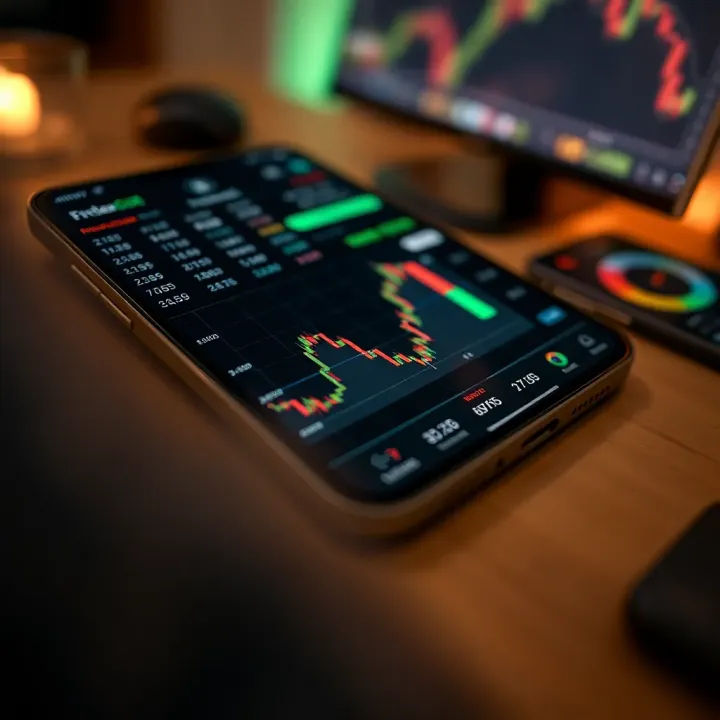
Discover how Nigerian traders can pick the perfect Forex app ✅ Explore features, security, costs & get tips to trade smarter in Nigeria 🇳🇬📈
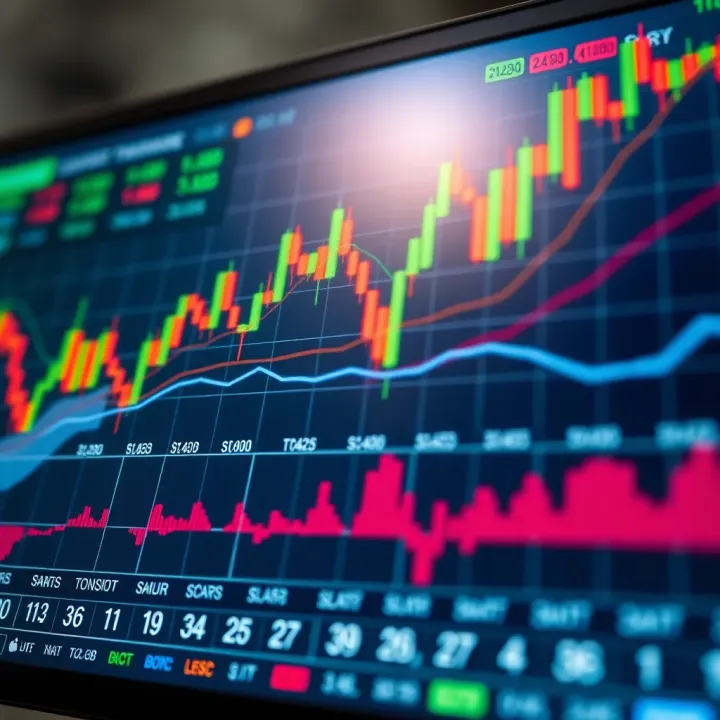
📈 Learn forex trading basics in Nigeria with this clear guide! Understand market terms, risk tips, broker choices, and how to create a trading plan.

Explore how Nigerian investors can benefit from forex trading with low capital, high liquidity, 24/5 access, and portfolio diversification opportunities 📈💰
Based on 6 reviews