
Beginner's Guide to Forex Trading in Nigeria
📈 New to forex trading in Nigeria? Learn how currency markets work, brokers' roles, essential strategies, risks, and practical tips to trade smart and safe! 🇳🇬
Edited By
Sophia Turner
Forex trading in Nigeria has gained traction as more individuals seek to diversify income streams beyond traditional investments. Understanding the basics is vital before plunging into this dynamic market. Forex, short for foreign exchange, involves buying and selling currencies to profit from changes in exchange rates. The Nigerian forex market reflects global trends but also reacts sharply to local factors like Central Bank of Nigeria (CBN) policies, naira volatility, and economic indicators.
At its core, forex trading operates 24 hours a day across global financial centres such as London, New York, Tokyo, and Sydney. For a Nigerian trader, this means markets never sleep, offering multiple opportunities daily. However, the naira's peculiar behaviour — influenced by monetary policy shifts, fuel subsidy changes, and import demands — adds complexity unique to our environment.
Key currency pairs dominate the market, with USD/NGN, EUR/USD, GBP/USD, and USD/JPY being among the most traded. The USD/NGN pair is especially important for Nigerian traders, as it directly affects importers, exporters, and businesses dealing with foreign exchange. Unlike developed markets, where liquidity is very high, Nigerian traders must adapt to occasional price gaps and wider spreads caused by local economic factors.
A practical step for beginners: Start with a demo account from reputable brokers like FXTM or Alpari. This lets you grasp market mechanics without risking real money.
Understanding economic factors is crucial before trading. Indicators such as inflation rates, oil prices, and CBN interest rate decisions heavily impact currency movements. For instance, a surge in crude oil prices often strengthens the naira temporarily, while political tensions or policy uncertainty tend to weaken it. Keeping an eye on economic reports and news from credible Nigerian sources can give you an edge.
Before trading, be aware of the regulatory landscape. The CBN and the Nigerian Securities and Exchange Commission (SEC) regulate forex brokers operating in Nigeria. Choosing a broker registered with these bodies reduces risks of fraud and ensures fair trading conditions.
Understand what forex trading involves and how market hours affect opportunities
Focus on major currency pairs with attention to USD/NGN
Track key Nigerian economic indicators influencing forex trends
Use demo accounts to practise before investing real money
Trade only with brokers licensed by CBN or SEC
By mastering these basics, you are positioned to navigate the forex market with confidence tailored to Nigerian realities.
Grasping how the forex market works is essential for Nigerians keen to trade currencies profitably. This market revolves around exchanging one currency for another, and it operates differently compared to other financial markets. Knowing its structure and peculiarities helps you avoid common pitfalls and seize viable opportunities.
Forex trading means buying one currency while simultaneously selling another. Essentially, it involves speculation on currency values, aiming to earn profit from price shifts. For example, if you believe the US dollar will strengthen against the Nigerian naira, you might buy USD/NGN currency pair to benefit when the dollar rises.
This trading is practical because currencies affect global trade, remittances, and investments. For a Nigerian trader, understanding that forex reflects countries' economic health is critical, as it ties directly to naira’s stability and daily expenses.
Currencies trade in pairs; the first currency is the base, the second is the quote. The price shows how much of the quote currency equals one unit of the base. If USD/NGN is 460, it means ₦460 buys US$1.
Choosing the right pair matters. The USD/NGN pair is widely popular among Nigerian traders due to local relevance. Cross pairs (like EUR/GBP) or exotics (like USD/ZAR) offer diversification but may have different volatility and liquidity profiles.
The forex market hosts different players: banks, central banks such as the Central Bank of Nigeria (CBN), corporations, hedge funds, retail traders, and brokers.
Banks and central banks dominate the market because they need huge sums for international transactions and policy moves. Retail traders in Nigeria now participate via brokers offering online platforms, yet the market's daily turnover reaches about US$6.6 trillion globally, showing immense scale and opportunities.
Unlike stock markets that close after trading hours, the forex market runs continuously across different time zones from Monday morning Asia to Friday evening New York time. This allows Nigerian traders to act anytime—whether early morning before office or late evening after work.
This nonstop operation provides flexibility but demands discipline to avoid overtrading or engaging during low liquidity periods.
Stocks represent ownership in companies, commodities are physical goods like oil or gold, but forex deals only with currency pairs without tangible assets.
Forex trading generally involves less capital than stocks but higher leverage, meaning traders can control larger positions with smaller funds—though risk rises sharply. Commodity prices depend on factors like production and supply constraints, while forex largely reacts to macroeconomic policies and geopolitical events.
Forex markets are highly liquid due to the vast participation from global institutions and governments. This means entering or exiting trades is usually straightforward without large price swings on small trades.
However, currencies like the naira can experience sudden volatility during political elections or monetary policy shifts, offering both risk and opportunity. Understanding liquidity cycles and volatility helps Nigerian traders plan entry and exit points more effectively.
To succeed in forex trading, Nigerians need solid understanding of currency mechanics and market operations. This knowledge guides practical decisions, reducing guesswork and improving chances of profitable trades.
Understanding key terms and currency pairs is essential for anyone stepping into forex trading, especially for Nigerian traders navigating local and global markets. Knowing these basics helps you make better decisions, understand market movements, and manage your trades effectively.
Bid, ask, spread refer to the prices quoted for currency pairs. The bid is the price at which the market (or broker) is ready to buy a currency pair from you, while the ask is the price at which they are willing to sell it to you. The difference between these two prices is the spread, which serves as a commission or cost of trading. For example, if USD/NGN has a bid of ₦760 and an ask of ₦762, the spread is ₦2. This spread impacts your profit margin, so tight spreads are generally favourable.
Leverage and margin allow traders to control larger amounts of currency than the capital they actually have. Leverage is expressed as a ratio like 50:1, meaning you can trade ₦50,000 for every ₦1,000 of your own funds. Margin is the amount of money you need to open and maintain a position. While leverage can amplify gains, it also magnifies losses, which is why careful risk management is crucial. Nigerian traders often use moderate leverage to limit exposure given the volatility of the naira.
Pips and lots are units used to measure price movement and trade size. A pip stands for "percentage in point" and usually represents the smallest change in a currency pair’s price—for most pairs, this is four decimal places, such as 0.0001. In the USD/NGN example, a one-pip movement equals a change of ₦0.0001. A lot indicates the quantity you trade; a standard lot is 100,000 units of the base currency. Understanding pips and lots helps you calculate potential profits or losses clearly.
Major pairs including USD/NGN are the most traded globally and involve the US dollar paired with other currencies. For Nigerian traders, USD/NGN stands out because it reflects the exchange rate between the naira and the US dollar, a critical economic indicator. Movements in this pair directly affect import costs, remittances, and inflation. Traders should monitor this pair closely alongside major crosses.
Cross currency pairs do not involve the US dollar but consist of other major currencies like EUR/GBP or EUR/JPY. Nigerian traders might find these pairs useful for diversifying their forex portfolio or when the naira’s correlation with the dollar causes less favourable trading conditions. Acting on cross pairs requires understanding the broader forex environment as their price movements depend on multiple economic factors.
Exotic pairs relevant to Nigerian traders usually combine a major currency with one from an emerging market, often including currencies like ZAR (South African rand) or NGN itself paired with GBP, EUR, or CNY (Chinese yuan). These pairs are less liquid but can offer higher volatility and profit opportunities. That said, they come with wider spreads and higher risk, so traders should proceed with caution and only with a thorough grasp of market conditions.
Mastering these key terms and knowing your currency pairs well sets a strong foundation. It prepares you to trade smarter, manage risks better, and respond quickly to market changes unique to Nigeria’s forex environment.
Understanding what drives forex prices, especially for the Nigerian naira, is key to any trader aiming to navigate this market confidently. Forex prices don't move randomly; they respond to economic data, political developments, and local events that directly influence demand and supply for the naira. This section breaks down those factors so you can spot opportunities and risks grounded in Nigeria's unique environment.
The Central Bank of Nigeria (CBN) plays a big role in forex prices through its control of interest rates and monetary policy. When the CBN raises its Monetary Policy Rate (MPR), borrowing costs go up, often attracting foreign investors seeking higher returns. This inflow creates demand for naira, potentially strengthening its value. Conversely, lowering rates can weaken the naira as investors look elsewhere.
This effect, though, depends on other conditions like inflation and market confidence. For instance, if inflation remains stubbornly high, even high-interest rates may not boost the naira much. Traders watching CBN announcements can anticipate shifts in forex markets and adjust their positions accordingly.
Inflation directly affects forex because rising prices reduce a currency's purchasing power. Nigeria's inflation figures, released monthly, often influence trader sentiment. High inflation tends to weaken the naira, as it signals decreasing currency value and may prompt the CBN to tighten policy.
Unemployment rates also matter, although less directly. High unemployment can signal economic struggles, deterring investment and impacting forex demand. Consider the recent spike in youth unemployment during economic downturns; this can create uncertainty that weighs down the naira.
Nigeria’s trade balance—the difference between exports and imports—shapes forex movements. As an oil-exporting country, Nigeria depends heavily on oil revenues to bring in foreign exchange. When oil exports rise, foreign reserves swell, boosting the country's ability to defend the naira and meet import demands.
Conversely, large trade deficits (importing more than exporting) can deplete reserves and put pressure on the naira to depreciate. Forex traders watch Nigeria’s import bills and oil earnings published regularly, as these numbers often foreshadow naira volatility.
Political stability strongly influences the naira's value. Nigeria’s elections, held every four years, often cause short-term forex market jitters due to uncertainty about future policies. Traders tend to be cautious around election seasons, waiting to see how incoming administrations handle economic management.
Policy decisions on trade, taxation, and currency control also affect forex prices. For instance, government moves to restrict forex access for certain importers can alter demand and supply, influencing naira exchange rates.
Since Nigeria's forex earnings depend heavily on crude oil, global oil price swings hit the naira hard. When prices rise, foreign exchange inflow increases, strengthening the naira. When prices fall, forex supply shrinks, often leading to depreciation.
Subsidy adjustments on fuel similarly affect the economy and forex. Removing subsidies may raise fuel costs locally, affecting inflation and consumer spending, which then ripple into forex market expectations.
Security issues like insurgency or banditry disrupt economic activities, particularly in oil-producing or agric regions. This uncertainty scares investors and can weaken the naira as capital flows slow.
For example, attacks on pipelines cut oil exports, reducing forex inflows. Traders watch security developments because these events often trigger quick shifts in naira value.
Staying aware of these factors will help you anticipate forex price moves in Nigeria rather than reacting late. Combining economic data with political and security insights gives you a fuller picture of what drives the naira in the forex market.
Starting forex trading can look daunting, but knowing the practical steps helps Nigerian beginners build confidence and avoid costly mistakes. This section walks you through important points like picking the right broker, opening an account, funding it, and understanding the basic tools you will need. Clear actions here set a strong foundation for your trading journey.
Ensure your broker is regulated by the Securities and Exchange Commission (SEC) Nigeria. This licensing guarantees some level of protection, ensuring the broker complies with local laws and standards. In Nigeria, choosing an unlicensed broker exposes you to risks such as fraud or unfair trading terms, so always check the SEC registry. For instance, brokers like ARM Securities and Meristem Securities operate under SEC regulation, providing a safer trading environment.
Pick brokers with a solid reputation among Nigerian traders. Reviews from local forums or trader groups can offer useful insights. Equally important is the trading platform: it must be user-friendly, reliable, and offer features like real-time charts, fast execution, and mobile apps. Platforms like MetaTrader 4 (MT4) and MetaTrader 5 (MT5) are widely used because of their flexibility and tools, so choosing a broker offering these can help you trade more effectively.
Check that the broker supports deposits and withdrawals in naira. It saves you extra charges from currency conversions. Many Nigerian brokers accept payments via bank transfers, card payments, and now increasingly USSD codes for ease. This local accessibility improves convenience and reduces delays. For example, brokers working with GTBank or Zenith Bank make funding accounts faster and smoother for Nigerian traders.
You will need to verify your identity using your Bank Verification Number (BVN) as part of the Know Your Customer (KYC) process. This step confirms your legitimacy and ensures compliance with anti-money laundering laws. Using your BVN also protects you against identity theft. Nigerian brokers typically require these documents before you can start trading, so prepare your national ID and BVN details early to avoid delays.
Local bank transfer remains a popular and secure way to fund your account. USSD channels like *322# for GTBank or *737 for First Bank also make deposits simple, especially if you prefer phone banking. These options work well with naira accounts and are widely accessible even in areas with limited internet access. It means you don’t have to rely solely on card payments, widening accessibility.
Most brokers offer different account types with varying minimum deposits and leverage. Leverage lets you control a larger position with less capital but increases risk. Beginner Nigerian traders should choose lower leverage ratios (for example, 1:10 or 1:20) to protect their funds. Also, pick an account type that suits your budget; some brokers allow opening with as low as ₦20,000, which is practical for many people starting out.
MetaTrader platforms (MT4 and MT5) are staples for forex trading. They provide charting tools, indicators, and automated trading options. A reliable broker will offer these or their own apps with similar features. Mobile apps are handy in Nigeria given the widespread use of smartphones, allowing you to trade on the go and stay updated with price movements during busy days.
Technical analysis involves studying price charts and patterns to forecast future movements, while fundamental analysis focuses on economic data like CBN interest rates, inflation, or political events in Nigeria. Combining both methods often works best. For example, knowing how CBN’s policy rate changes affect USD/NGN helps your trading decisions alongside reading technical signals.
Stay informed with reliable economic calendars and news portals covering Nigerian and global developments. These tools alert you to events that can cause currency fluctuations, such as CBN announcements or oil price shifts. Platforms like Investing.com or brokers’ own calendars can keep you ahead, helping you plan trades around key news, reducing risks of unexpected price swings.
Choosing the right broker, understanding account setup, and using the right tools are foundational building blocks for your forex trading success. Taking these steps seriously can save you from many common pitfalls Nigerian beginners face.
In forex trading, managing risks and adopting practical strategies are essential to protect your capital and increase the chances of consistent success. Without a risk plan, traders often lose more than they can afford, especially in a market as volatile as forex. Nigerian traders face unique challenges like naira instability and occasional liquidity issues, making risk management not just advisable but necessary.
Setting stop-loss and take-profit levels helps you control losses and secure gains before emotions cloud judgment. A stop-loss order closes your trade automatically once a currency pair hits a certain price, limiting potential losses. For instance, if you buy USD/NGN at ₦500 and set a stop-loss at ₦480, your position closes automatically if the rate drops to ₦480, preventing bigger loss. Take-profit works the same but locks in profit by closing a trade at a target price.
Position sizing relative to capital means adjusting the size of each trade based on your total trading budget. If your account holds ₦100,000, risking 5% (₦5,000) per trade is safer than risking 20%. This keeps losses manageable, especially during rough patches. Proper sizing ensures even a few losses won't wipe out your account, allowing room for recovery.
Psychology of trading and avoiding emotional decisions is critical. Many traders jump into trades driven by fear or greed — common pitfalls that cause rash decisions. For example, chasing losses with larger bets often leads to deeper losses. Discipline and sticking to your strategy, regardless of market noise, prevent costly emotional mistakes. Practising patience and reviewing performance calmly can help you trade more logically.
Day trading and scalping involve making multiple trades within the same day to profit from short-term price movements. Scalping targets very small changes, often exiting trades within minutes. This suits traders with time and alertness for quick actions but demands constant attention, which can be demanding in Nigeria, especially with power interruptions.
Swing trading basics focus on capturing medium-term moves, holding positions from a few days to weeks. This method suits those who cannot monitor markets constantly. For example, you might spot a trend in USD/NGN from political developments and enter a trade expecting the trend to last several days.
Long-term position trading requires holding trades over weeks or months, benefiting from major economic shifts. This approach suits investors who prefer less frequent intervention and can tolerate larger market swings. Nigerian traders might use this to capitalise on expected Central Bank monetary policy changes or oil price trends.
Managing risks carefully and choosing a strategy that fits your lifestyle and capital size will keep your forex trading sustainable and improve your chances in the market.
By understanding these risk controls and trading styles, Nigerian traders can piece together a practical approach that balances potential returns with the realities of the local environment.
📈 New to forex trading in Nigeria? Learn how currency markets work, brokers' roles, essential strategies, risks, and practical tips to trade smart and safe! 🇳🇬
Learn the basics of forex trading 📈 including key terms, market mechanics, strategies, and risk management tailored for Nigeria traders.
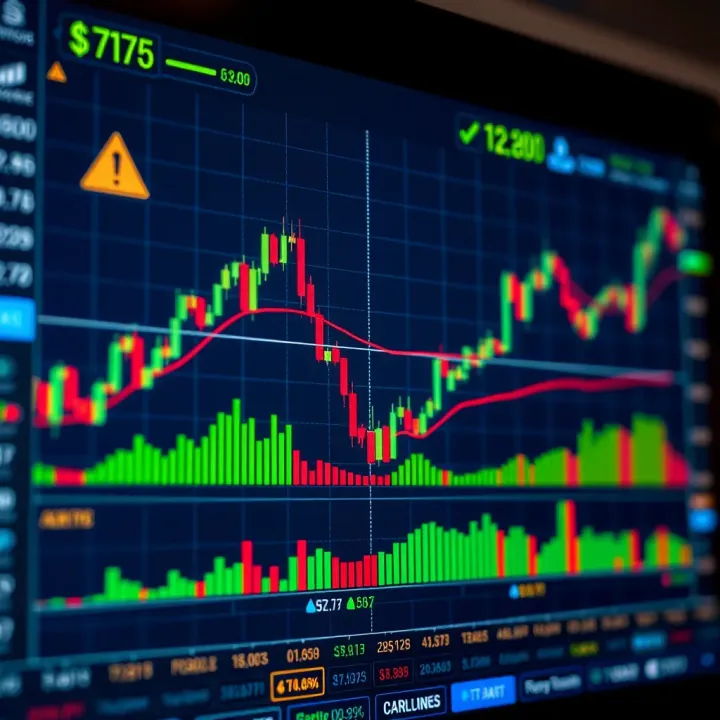
Explore practical forex trading basics for Nigerians 🇳🇬: understand market flow, key terms, price factors, risk tips, and trading tools 📈💼
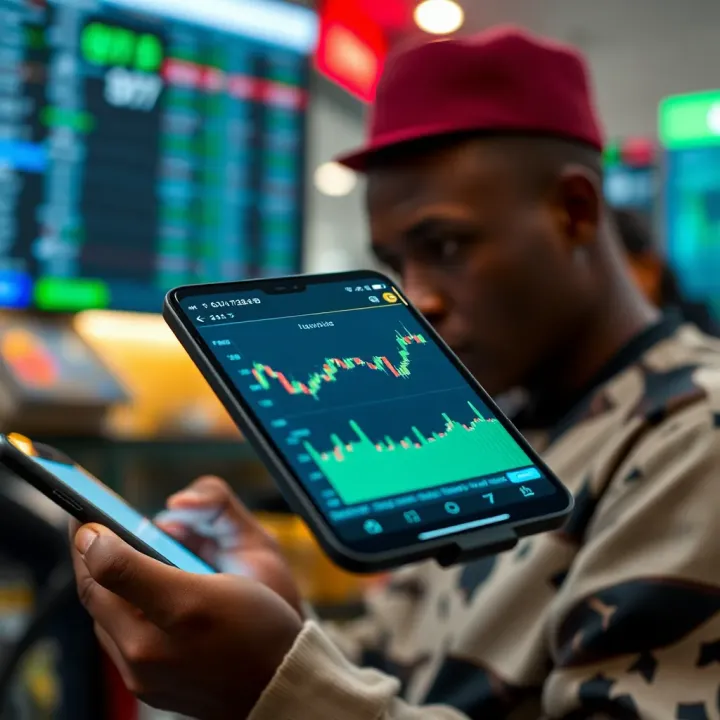
📈 Discover how to start forex trading in Nigeria with clear tips on choosing platforms, legal rules, managing risks, and trading smartly in the local market.
Based on 14 reviews