
Basics of Forex Trading: A Practical Guide for Beginners
Explore practical forex trading basics for Nigerians 🇳🇬: understand market flow, key terms, price factors, risk tips, and trading tools 📈💼
Edited By
Charlotte Hill
Forex trading has gained significant traction in Nigeria over the past few years. With the rise in internet access and a growing interest in financial markets, more Nigerians are looking to tap into the potential of currency trading.
This guide aims to break down the essentials of forex trading specifically for the Nigerian market. You'll get a clear picture of how forex works, the key players involved, and what you need to consider before diving in.
Understanding the local context is vital. From regulatory guidelines set by the Central Bank of Nigeria (CBN) to the risks associated with volatile markets, this article walks you through practical steps to trade smartly and safely.
Whether you're a seasoned investor thinking about diversifying, a new trader curious about entering the forex space, or an entrepreneur exploring fintech opportunities, this guide lays the groundwork with realistic examples and sound advice.
Remember, forex trading isn’t a get-rich-quick scheme—approach it with knowledge, caution, and a clear plan.
In the sections that follow, we’ll cover:
How to get started with forex trading in Nigeria
Choosing the right trading platforms and brokers
Navigating legal requirements and local regulations
Strategies to manage risks and protect your investment
Practical tips to trade responsibly and avoid common pitfalls
By the end, you will have a solid foundation to make informed decisions in the Nigerian forex market.
Before diving into the nitty-gritty of forex trading, it’s important to understand what it actually involves and why it’s worth considering, especially if you're in Nigeria. Forex trading is simply the buying and selling of currencies, with the goal of making a profit from changes in exchange rates. For Nigerians, this market offers unique opportunities, but also peculiar challenges, given the country's economic context and regulation environment.
Getting a good grasp of the basics helps you avoid common pitfalls. For example, knowing what affects currency prices aids in making smarter trades rather than randomly guessing which way the naira might move. This foundational knowledge sets the stage for making informed decisions throughout your forex journey.
Forex trading, short for foreign exchange trading, is all about exchanging one currency for another at a certain price. Imagine going on a trip and changing your naira to dollars or euros; forex traders do this but on a much larger and more frequent scale, aiming to profit from swings in rates. The market itself operates 24 hours a day, five days a week, facilitated mostly through banks, brokers, and financial institutions rather than a centralized exchange.
Some practical points to keep in mind:
Prices move based on supply and demand, influenced by economic factors, political events, and market sentiment.
Trades are usually done in pairs, like USD/NGN or EUR/USD. You are buying one currency and selling the other simultaneously.
The forex market is volatile, which means prices can change sharply, opening chances for quick gains but also losses.
Understanding these basics helps you approach the market with respect and strategy rather than blind luck.
Currencies are always traded in pairs, and these pairs fall into three categories: major, minor, and exotic. Majors by themselves, like EUR/USD or USD/JPY, are the most traded and tend to have tighter spreads. Exotic pairs, such as USD/NGN, are less liquid and often come with wider spreads but reflect trading opportunities tied to emerging markets like Nigeria.
Market participants in forex include:
Central banks: They often intervene to stabilize or stimulate their economies.
Commercial banks and financial institutions: These guys handle most of the volume.
Retail traders: People like you trading through brokers.
Corporations: For hedging currency risk related to imports or exports.
Each group has their own goals, but all push and pull currency prices, leading to the dynamic environment traders try to profit from.
Nigeria’s economy has a few quirks that make forex trading interesting. The naira has been fluctuating sharply against major currencies due to inflation, foreign exchange shortages, and government policies. This situation means people often look for ways to protect or grow their wealth beyond traditional savings.
For instance, during times when naira weakens, traders who correctly anticipate such movements can earn profits by buying stronger currencies or hedging their naira exposure. Also, Nigeria’s youth population combined with rising internet penetration provides a ready pool of traders hungry to tap into global financial markets.
Thanks to advances in technology and mobile connectivity, forex trading has become accessible for ordinary Nigerians without the need for huge capital. Brokers like FXTM, HotForex, and OctaFX provide platforms where you can start with just a few dollars equivalent in naira.
The potential returns come from leverage – borrowing from brokers to amplify trades – and the ability to trade any time the global markets are open. However, it’s important to note that leverage can magnify losses as well, so success depends largely on strategy and risk management.
Forex trading in Nigeria offers a cautious blend of opportunity and risk, making it essential to learn the ropes thoroughly before committing real money.
By understanding what forex trading means, how it works, and why it's appealing to Nigerians, you position yourself to make better choices and spot opportunities others might miss. This groundwork lays the foundation for more advanced topics covered in the following sections.
Understanding how forex trading works is essential for anyone serious about succeeding in Nigeria's forex market. This section breaks down the nuts and bolts—how prices move, when to trade, and how money can be amplified through leverage. Knowing these basics helps traders make informed decisions and avoid common pitfalls.
Currency exchange rates are the backbone of forex trading. They're simply the price of one currency expressed in terms of another. For example, if the USD/NGN rate is 460, it means one US dollar will buy 460 Nigerian naira. These rates fluctuate constantly due to demand and supply, economic data, political events, and even social unrest.
For Nigerian traders, understanding exchange rates means recognizing when a currency is over or undervalued. Suppose oil prices, a big part of Nigeria's economy, drop sharply; this might weaken the naira against the dollar. By tracking such shifts, traders can predict price movements and decide when to buy or sell.
Forex markets operate 24 hours across different trading sessions: Asian, European, and North American. Each session has unique characteristics and liquidity levels. For instance, the London and New York sessions are the most active, making them the best times to trade major currency pairs like USD/EUR or USD/GBP.
For Nigerian traders, timing their trades during high-liquidity sessions can reduce spreads (the cost between buying and selling prices), improving profitability. Low liquidity periods often see erratic price swings, which can either be an opportunity or a trap, depending on how well a trader understands the market.
Leverage allows traders to control a big position with a smaller amount of capital. For example, a 50:1 leverage means that with just ₦10,000, you can control a position worth ₦500,000. Brokers like FXTM and HotForex often offer different leverage levels to Nigerian traders.
This tool magnifies potential returns, but it also increases risk because losses are equally amplified. Leveraging means you don't need a mountain of cash to trade forex, making it accessible. But it demands careful risk management.
While the idea of turning a small investment into big profits is tempting, high leverage can wipe out your account quickly. Imagine a 2% adverse move on a leveraged ₦500,000 trade—the loss could exceed your initial capital if you're not careful.
Nigerian traders should set sensible leverage levels, especially beginners. Starting with lower leverage, like 10:1 or 20:1, helps in managing risks without staying exposed to sudden market whipsaws. It's like driving a car; better to start slow and control than speed uncontrollably and crash.
Getting a grip on these forex mechanics ensures that Nigerian traders don’t just trade blind but engage in informed, strategic decisions that better their chances of success in a volatile market.
Diving into forex trading can be a smart move for Nigerians looking to tap into the global currency markets. Starting out right is key to avoiding common pitfalls and positioning oneself for steady growth. This section lays out the nuts and bolts of getting started, focusing on practical steps like choosing the right broker and setting up your trading account. You’ll see how being methodical from day one makes a big difference.
Picking a broker that’s regulated can’t be stressed enough, especially for Nigerian traders. Regulated brokers operate under strict rules set by authorities such as the Securities and Exchange Commission (SEC) of Nigeria or reputable international bodies like the Financial Conduct Authority (FCA) in the UK. This means your funds have an added layer of protection, and the broker must meet transparency and fairness standards.
Unregulated brokers might offer flashy promises or lower spreads, but the risks are high—they could vanish overnight or manipulate trades unfairly. For example, a Nigerian trader once trusted an unregulated broker for quick profits but lost 70% of his deposit due to opaque withdrawal restrictions.
To avoid such traps, look for brokers with licenses clearly displayed, positive user reviews, and strong reputations. Think of it like picking a bank: you wouldn’t hand your money to just anyone on the street.
Once you’ve nailed down regulation, the next thing is the trading platform. The platform is your trading cockpit—it needs to be steady, responsive, and user-friendly. Platforms like MetaTrader 4, MetaTrader 5, and cTrader are widely trusted because they offer robust charting tools, real-time data, and smooth execution.
Some brokers customize these platforms with added features like economic calendars, news feeds, and risk management tools—handy extras worth looking for. Nigerian traders especially should consider platforms that support mobile trading apps, given the high mobile usage in the country.
Reliability matters deeply; nothing is worse than your platform freezing right when the market turns. Try demo accounts first to test speed and usability before committing real money.
Funding your account should be straightforward, without sneaky fees or delays. Nigerian traders commonly use bank transfers, often through local banks like Zenith Bank, GTBank, or Access Bank, which usually process forex deposits quickly. Mobile wallets such as Paga and Opay have also become popular for their convenience and lower charges.
Some international brokers accept credit/debit cards or services like Skrill and Neteller, but these can come with extra costs or currency conversion hassles. Be sure to check if the broker supports deposits in Nigerian Naira to avoid unnecessary exchange losses.
Account verification is more than just paperwork; it’s about protecting you and ensuring the broker complies with anti-money laundering (AML) rules. Typically, Nigerian traders will need to submit a government-issued ID like a Nigerian National ID card or driver’s license, a recent utility bill or bank statement as proof of address, and sometimes a selfie or video verification.
While the process can feel like a hassle, it helps keep fraud at bay and guarantees smoother withdrawals later on. Some brokers speed up this step using automated systems, so it's best to have your documents ready to avoid delays.
Starting trading on a solid footing means working with trustworthy brokers and making sure your account setup is secure and hassle-free. Taking these steps seriously can save you headaches and losses down the line.
Understanding the rules that govern forex trading in Nigeria is a must for anyone serious about stepping into this market. Regulations help set the ground rules, protect traders, and ensure the industry stays fair and transparent. Without them, the forex space could become a playground for scammers and reckless behavior.
When you’re trading forex, knowing the regulatory environment helps you avoid legal pitfalls and shady brokers. Plus, it gives you peace of mind, knowing your money and data are handled properly. Let's take a closer look at the key regulators and their roles.
The Central Bank of Nigeria (CBN) has a somewhat cautious approach to forex trading. Unlike some countries with fully open forex markets regulated by a dedicated financial authority, the CBN keeps a tight grip on currency flows to stabilize the naira. For forex traders, it means there are limits on direct access to foreign currencies at official rates, which can affect how they fund their accounts and withdraw profits.
The CBN’s policy aims to curb illegal forex dealings and reduce speculative pressure on the naira. For example, it restricts access to forex for certain types of transactions and monitors large forex flows closely. Therefore, traders need to work with brokers who comply with these rules and use authorised deposit channels.
Practical advice: Always check if your broker aligns with CBN guidelines to avoid unexpected trade restrictions or issues withdrawing funds.
The CBN requires forex brokers operating in Nigeria to obtain a license. This licensing is a safeguard: it ensures brokers meet minimum financial, operational, and ethical standards. Licensed brokers have to maintain transparency, segregate client funds from their own, and submit to periodic audits.
This licensing process helps filter out fly-by-night operators. Trading with a properly licensed broker reduces the chance of fraud and gives you some legal recourse if anything goes wrong. For instance, brokers registered with the Nigerian Capital Market often adhere to these CBN standards, giving traders more security.
The Nigerian Securities and Exchange Commission (SEC) is another key player, especially for brokers offering forex contracts and derivatives that fall under capital market regulation. The SEC oversees licensing, monitors broker conduct, and enforces compliance with trading rules.
For traders, the SEC’s involvement means brokers must provide truthful information, maintain fair pricing, and offer dispute resolution mechanisms. For example, if a broker falls short of these standards, the SEC can impose fines or revoke licenses, protecting the trader’s interests.
Despite these bodies, forex trading in Nigeria comes with its set of constraints. The market isn’t as mature as in some countries, so the regulatory framework can sometimes lag behind new trading methods or platforms. That sometimes means less investor protection compared to fully developed markets.
Still, efforts are ongoing to improve awareness and enforce stricter rules against fraud. Nigerian traders should:
Verify broker licenses
Use caution with bonus offers or unusually high leverage
Always use demo accounts to test platforms
Remember, regulation is your safety net, but it can’t protect against all risks. Combine regulatory knowledge with common sense and risk management for the best defense.
By understanding the central role of CBN, SEC, and the general regulatory landscape, Nigerian forex traders can trade smarter, avoid scams, and navigate legal issues more confidently. This clarity is what sets serious traders apart from those gambling blindly in an unregulated sea.
Understanding the common risks in forex trading is essential for anyone looking to enter this market, especially Nigerian traders who navigate a unique financial landscape. Forex markets are famously volatile and influenced by a mix of global factors and local dynamics. Grasping these risks helps traders protect their investments and avoid surprises that can lead to major losses.
The forex market reacts swiftly to global happenings like political upheavals, central bank announcements, or sudden shifts in commodity prices. For instance, when the U.S. Federal Reserve adjusts interest rates, the US dollar might either strengthen or weaken dramatically. Such events can create sharp price swings within minutes, catching unprepared traders off guard. Understanding that these rapid changes are part and parcel of forex trading equips traders to time their entries and exits better or decide to stay on the sidelines during turbulent periods.
Nigerian traders often face amplified effects of global volatility because the local economy is closely tied to the oil sector and foreign exchange flux. For example, a sudden drop in oil prices can weaken the Nigerian Naira and impact trading positions tied to USD/NGN pairs. Moreover, traders here might also struggle with lower liquidity during local banking hours compared to the main forex sessions, leading to wider spreads and less favorable rates. Being aware of Nigeria’s specific exposure to global developments allows traders to better anticipate risks and incorporate local economic indicators into their strategies.
Forex scams tend to lure traders with promises of guaranteed profits or insider information. Common red flags include unsolicited calls or messages urging immediate investments, overly complex or unclear explanations of the trading system, and brokers without proper regulation or verifiable contact information. Nigerian traders should be especially cautious of platforms that demand large upfront payments or push for quick trades without transparency. Checking for reviews, regulation status by bodies like the Securities and Exchange Commission of Nigeria, and realistic performance claims can help identify potential scams.
Before committing funds, verify the broker’s credentials and investigate their reputation through independent forums and financial watchdogs. Starting with a demo account reduces risk and builds familiarity without financial pressure. Always use secure and traceable payment methods rather than cash or untraceable transfers. Keep personal information protected and be wary of sharing too much detail on social media or public platforms. Traders should stay updated on common scam tactics circulating locally to avoid falling into traps that could wipe out their capital.
Staying alert to these common risks doesn’t just help avoid losses—it also builds the foundation for smarter, more confident trading.
By recognizing these common pitfalls and balancing caution with opportunity, Nigerian forex traders can sharpen their edge and safeguard their investments effectively.
Having effective trading strategies is a game-changer for Nigerians diving into forex markets. With Nigeria’s economy often buffeted by global oil prices and currency fluctuations, smart strategies help traders cut losses and spot real opportunities. It's not just about luck or guesswork; a solid plan builds confidence and steadies your decisions even when the market gets wild.
For example, when Naira weakens due to external shocks, traders who rely on sound analysis rather than speculation stand a better chance to navigate the swings. Effective strategies also help tailor trades to fit your risk appetite, financial goals, and market conditions specific to Nigeria.
Economic indicators are like the pulse of an economy. For Nigerian traders, keeping an eye on indicators such as GDP growth rates, inflation figures, and unemployment stats can give clues about the potential direction of the Naira against other currencies. For example, rising inflation might signal a weaker Naira, prompting traders to rethink their positions.
Knowing when the Central Bank of Nigeria (CBN) is likely to change interest rates or intervene in the currency market is crucial. These moves usually show up in economic data releases. Using this info helps you anticipate currency swings instead of merely reacting to them.
News moves markets fast. Political events, government policy changes, or sudden shifts in oil prices can send the Naira on rollercoasters. Keeping tabs on news from sources like Bloomberg or Reuters, alongside local Nigerian news outlets, aids swift decision-making.
For instance, a surprise announcement of fuel subsidy removal could weaken the Naira quickly. Traders prepared with stop-loss orders or hedging strategies avoid heavy losses. It’s key to separate noise from meaningful headlines and trust verified sources.
Charts are the bread and butter for many forex traders. They visually show where prices have been and hint where they might go. Nigerians tapping into forex should learn common chart patterns like head and shoulders, double tops, or flags as they often predict trend reversals or continuations.
Imagine spotting a "double bottom" pattern on the USD/NGN chart—a signal prices may rally soon. Acting on this with confirmation from other tools can improve entry points.
Indicators like Moving Averages, Relative Strength Index (RSI), and Bollinger Bands help smooth out price data and reveal potential buy or sell signals. For Nigerian traders, combining a 50-day Moving Average with RSI gives a clearer picture on momentum and possible trend exhaustion.
When the RSI hits a reading below 30, it might hint the currency is oversold and due for a bounce—a useful heads-up in volatile sessions. But indicators shouldn’t be used alone; combining fundamentals with technicals makes trading smarter and less guesswork-driven.
Being disciplined with these strategies and tools greatly improves your chances of trading success in Nigeria's dynamic forex environment.
Remember, no single strategy fits all. Start with simple approaches, test through demo accounts, and refine with experience. This way, trading becomes a skill you sharpen, not just a gamble.
Risk is part and parcel of forex trading, especially in volatile markets like Nigeria’s. Managing those risks well can mean the difference between a small loss and losing your whole trading pot. Protecting your investment is about putting practical measures in place to minimise losses and lock in profits before things go south.
When you start trading forex, you’re basically betting on price movements of currencies. The market swings a lot, influenced by global events, local economic news, and even political updates. If you don’t prepare for these ups and downs, your account can take a serious hit fast. Think of risk management as your safety net—the tools and strategies that keep you from falling too far.
Practical benefits of managing risk include preserving capital, helping you stay longer in the market, and reducing emotional decision-making. If you repeatedly see your losses under control, it’s easier to stick to your plan and avoid panicking. Consider a trader who jumps in without limits, chasing quick wins only to burn through their funds in a week – managing your risks means steering clear of this trap.
Stop-loss and take-profit orders are basic yet essential tools to protect your trading investments. A stop-loss order tells your broker to automatically close a trade if the price moves against you by a set amount, limiting your losses. On the flip side, a take-profit order locks in your gains by closing a trade when it reaches a target price.
Setting these orders keeps your emotions out of the equation, so you’re not staring at charts all day, second-guessing decisions. It’s like placing a safety barrier—if the market moves too far against your guess, your position closes before you bleed money. Similarly, locking in profits early avoids the all-too-common scenario where traders give back earnings because they waited for bigger wins.
To set them up, decide in advance the maximum loss you are willing to take (e.g. 2% of your account) and your realistic profit target. Most trading platforms like MetaTrader 4 and 5 offer simple ways to place these orders during trade entry or modify existing trades.
Imagine you enter a USD/NGN trade at 500 Naira per dollar, expecting it to rise to 520. You might set a take-profit order at 520 and a stop-loss at 490. This means:
If the price falls to 490, your position closes to stop further loss.
If the price reaches 520, you lock your profit automatically.
Without these orders, the temptation might be to hold on hoping the price bounces—sometimes it does, sometimes it doesn’t. Using stop-loss and take-profit orders makes trading less of a guessing game and more about predefined strategy.
Diversification means spreading your investments across different currency pairs or asset types instead of putting all your money into one basket. If one pair tanks due to a political crisis in a country, others might be stable or even rise, balancing your overall risk.
For Nigerian traders, this might mean trading not just USD/NGN, but also EUR/USD, GBP/USD, or even more exotic pairs that don’t move identically. It reduces the risk that a single event wipes you out.
Think of diversification like planting different crops on your farm; if one crop fails due to pests, you still harvest from others. This way, you aren’t overly reliant on the outcome of any single trade or market condition.
Position sizing is about how much money you put into each trade relative to your total capital. Overexposure happens when you risk too much on one trade or highly correlated trades. For example, putting 50% of your account in USD/NGN is risky—if it goes wrong, you lose half your money at once.
A common rule is to risk no more than 1-2% of your account on any single trade. Suppose you have ₦100,000; risking 2% means you’re risking ₦2,000 per trade. This ensures that even if you have several losing trades, your capital isn’t wiped out.
By combining proper position sizing with diversification, you reduce the chance of a big loss wiping out your entire account. It also encourages disciplined trading since you need to calculate and plan each trade carefully.
Smart risk management isn’t about avoiding losses completely—it’s about controlling losses so you can trade another day.
Managing risks means those Nigerian traders avoid dangerous pitfalls and build sustainable trading habits that suit local market conditions. Taking time to set stop-losses, diversify holdings, and size positions right will protect your investment far better than chasing after unpredictable market swings.
Forex trading is a skill that demands not just knowledge but consistent practice and awareness of the market landscape. For Nigerian traders, practical advice is especially valuable because of unique challenges like currency fluctuations, local broker regulations, and economic shifts. This section pulls together useful pointers that will help traders avoid common pitfalls and sharpen their tactics. Practical tips aren’t just about minimizing losses—they’re about building confidence and taking smarter, informed trades.
Trying your hand at forex without sweating over real money is the clearest benefit of demo accounts. These accounts mimic live trading environments, giving traders a realistic feel for how platforms operate, how orders are placed, and how markets move, without any financial risk. For instance, a new trader in Lagos can test strategies for trading USD/NGN pairs, watch how leverage affects positions, and learn to set stop-loss orders—all on paper first. Using the demo environment helps build muscle memory, reduces the emotional stress of real losses, and sharpens technical skills before facing the actual market.
Picking the right demo platform matters as much as picking the right broker. Look for a demo account that uses real-time market data so you're not trading on outdated charts. It's also handy if the demo comes with all the features and tools of the live platform, like MetaTrader 4 or MetaTrader 5—which are popular among Nigerian traders—so your experience is seamless when you switch to real funds. Another important aspect is demo account duration: brokers like FXTM offer accounts that don't expire quickly, allowing plenty of time to test. Avoid platforms with limited functionality or simulated prices, as that can give a false sense of the market conditions.
Learning forex isn’t a one-off affair. Nigerian traders can tap into a variety of resources to keep their skills sharp. Locally, financial news outlets like BusinessDay and Vanguard regularly publish updates on the forex market and the Naira's performance. Online, platforms like BabyPips provide structured courses ideal for beginners, while Telegram groups and YouTube channels run by experienced Nigerian traders offer tips drawn from day-to-day experiences. Leveraging both local insights and global knowledge bases keeps trading strategies well rounded.
Markets never sleep, and staying informed can be the difference between gain and loss. News releases like CBN policy announcements, inflation reports, or crude oil price shifts directly affect currency values and trading conditions in Nigeria. If a trader misses such events, their position can quickly become vulnerable. Simple habits like setting alerts for economic calendars, subscribing to forex newsletters, or following reliable financial analysts on social media can help traders react quickly. In a market as volatile as forex, being a step ahead by knowing the latest can protect your capital and increase your chances for timely profits.
Practical experience coupled with ongoing education forms the foundation of successful forex trading. Nigerian traders who embrace demo testing and keep up with market developments are much better positioned to make thoughtful decisions and adapt to changing market tides.
Payment and withdrawal options are a fundamental part of forex trading, especially for Nigerian traders. Easy, secure, and cost-effective deposit and withdrawal methods make it simpler for traders to manage their funds without unnecessary delays or extra charges. Because forex markets operate globally, recognizing payment solutions that work smoothly with the Nigerian Naira and across Nigerian banking systems is critical. This ensures traders don’t lose momentum or face difficulties when moving money in and out of their trading accounts.
Bank transfers remain one of the most trusted deposit methods for Nigerian traders. They offer a straightforward and secure way to fund trading accounts directly through local banks like Guaranty Trust Bank, Zenith Bank, or Access Bank. The advantage here is the ability to deposit using naira without needing currency conversion immediately, often reducing fees. However, it's important to note time delays can vary—from a few minutes to several hours—depending on the broker and bank processing times.
One practical tip is to verify if your broker supports local bank deposits via services like Paydirect or direct NGN transfers. This avoids unnecessary international wire transfers with their steep charges. For instance, some Nigerian traders prefer brokers like FXTM, which support seamless NGN bank transfers, simplifying funding their accounts.
Mobile money platforms like Paga, Opay, or Flutterwave are growing in popularity for forex deposits, especially among traders who prefer quick, on-the-go transactions. These platforms connect with local mobile wallets and banks, offering a convenient way to fund accounts using smartphones. A big perk is almost instant funding, particularly useful during volatile market moments when timing is key.
Despite these benefits, traders should ensure their chosen broker supports mobile money deposits in Nigeria before committing. Also, considering fees per transaction is essential since sometimes mobile money services add a small processing fee. But overall, this method aligns well with Nigeria’s fast-paced digital economy, catering to traders who don’t want to rely solely on traditional bank routes.
Withdrawal speed and charges significantly impact a trader’s experience. Nigerian forex traders usually expect withdrawals within 24 to 72 hours. Brokers vary widely; for example, some international brokers process withdrawals within 1-2 business days, while others might take longer. Fees also differ; certain brokers waive withdrawal fees entirely while others can charge up to 3% or more, especially on small amounts.
Knowing these practical details upfront helps Nigerian traders avoid surprise deductions from profits. For instance, Pepperstone is favored by many Nigerians for relatively fast withdrawals and minimal fees. It's good advice to always check the broker’s withdrawal policy before opening an account.
Despite improvements, Nigerian forex traders still face challenges such as delays caused by intermediary banks, currency conversion fees, and occasional regulatory restrictions. Some brokers might reject withdrawal requests if proper documentation isn’t provided, leading to frustrating hold-ups.
Another common hiccup is related to payment method mismatches — if the deposit was made via bank transfer, some brokers require withdrawals to go back through the same channel. This can create problems if the trader wants funds sent elsewhere, like to a mobile wallet.
Traders should keep their account details up-to-date and ensure they follow broker instructions exactly to reduce the risk of withdrawal complications. Clear communication with customer support and knowing the fine print pays off.
In summary, understanding and choosing the right payment and withdrawal options can smooth out the trading process for Nigerian forex traders. Whether it’s quicker funding through mobile money or reliable bank transfers, coupled with timely withdrawals, these financial flows matter a lot. Paying attention to fees, timing, and broker policies ultimately saves headaches and protects your hard-earned money.
Avoiding common pitfalls in forex trading is a must for Nigerian traders who want to keep their investments safe and grow steadily. Knowing what to steer clear of can save you from blowing your account or falling into scams. This section highlights typical errors many traders fall into and offers practical advice to help you trade smarter and protect your capital.
Why it’s risky: Chasing quick profits is one of the fastest ways to lose money in forex. The forex market is volatile and influenced by numerous factors at any time. When traders get caught up in the hype of "easy money" and rush into trades without proper analysis, they expose themselves to unnecessary risk. For example, a Nigerian trader might put all their funds into a single position after hearing about a currency spike caused by a temporary news event, only to watch the market reverse sharply. This reckless behavior often leads to emotional decisions and, ultimately, losses.
Better approaches: Instead of sprinting after quick wins, focus on building a consistent strategy that considers market trends and risk management. Think of trading like farming; you plant, nurture, and wait patiently for the harvest. Use tools like stop-loss orders to limit downside and keep your emotions out of decision-making. For instance, gradually scaling into positions and setting realistic goals help you avoid knee-jerk moves. This way, your trades can grow organically and sustainably.
Consequences of poor risk controls: Skirting around risk management is like driving blindfolded. Without clear limits on how much you can lose, a single bad trade might drain your entire trading account — and this is especially tough for traders in Nigeria, where access to funds can be limited. Ignoring risk controls increases stress and reduces objectivity, causing traders to double down on losing trades or exit winning trades too soon, undermining their long-term success.
Practical steps to improve: Start with setting a fixed percentage of your account as maximum risk per trade — many successful traders cap this at 1-2%. Use stop-loss and take-profit orders religiously to lock in losses and gains. Regularly review your trades to understand what went right or wrong, and adjust your strategy accordingly. Additionally, diversify your trades to avoid putting all eggs in one basket. Little changes like these help maintain discipline and protect you from big setbacks.
Forex trading isn’t a get-rich-quick scheme. Avoid shortcuts by focusing on smart, steady trading habits. Protecting your investment with proper risk management and patience keeps you in the game longer, increasing your odds of success.
By steering clear of chasing quick returns and ignoring risk management, Nigerian forex traders can lay a solid foundation for their trading career and learn to navigate the market with confidence and caution.
Gazing into the future of forex trading in Nigeria gives a sense of what traders can expect as the market evolves. This section is important because it helps traders anticipate changes, adjust strategies, and stay ahead of possible challenges or opportunities. In a fast-moving world where technology and policies shift rapidly, understanding upcoming trends and possibilities helps Nigerian traders make informed decisions that can boost their chances of success.
Technology is reshaping how forex trading unfolds in Nigeria. From user-friendly mobile apps to advanced charting tools, tech adoption is making trading more accessible even for those outside big cities. Platforms like MetaTrader 4 and 5 now feature mobile versions that Nigerians use on affordable smartphones. This means traders can check prices, enter trades, or close positions anytime, anywhere.
More than convenience, automated trading systems and AI-driven signals are becoming common. These tools analyze market data and execute trades faster than humans, which can be a big advantage if used wisely. However, traders should avoid blindly following automated advice without understanding the risks. The real takeaway is that embracing these technologies can give Nigerian traders an edge, but knowing how to use them properly is key.
Looking at regulations, Nigeria’s forex market is still maturing. The Central Bank of Nigeria and Securities and Exchange Commission have steadily updated rules to protect investors and keep market activities transparent. Recent years saw tighter rules around brokers and better oversight on deposit and withdrawal methods.
Going forward, it's likely regulations will focus more on ensuring traders are educated and brokers maintain strong security standards. For example, new licensing requirements could force unregulated firms from the market. A well-regulated market means safer trading and fewer scams, which benefits everyone. Nigerian traders should keep an eye on official announcements and be ready to adapt their broker choices accordingly.
Thanks to technology and regulatory improvements, Nigerians now find it easier to tap into foreign currency markets beyond the naira pairs. Brokers offering access to major pairs like EUR/USD, GBP/USD, and emerging market currencies are more available than ever. Plus, innovations like US dollar stablecoins provide alternative ways to handle deposits and withdrawals, by bypassing some local banking restrictions.
This broader market access means traders can diversify their portfolio, hedge risks better, and respond to global economic shifts with more agility. For example, during Brexit news or US Federal Reserve announcements, those linked to global markets can react promptly rather than being stuck with local currency pairs alone.
There are a few sectors worth watching as forex trading grows in Nigeria. One is education—online forex courses and webinars tailored to Nigerian traders have expanded. This helps new traders avoid pitfalls and improves overall market quality.
Additionally, fintech startups are introducing payment solutions designed to work around some of Nigeria's unique banking challenges, which can smooth the deposit and withdrawal process for forex traders.
Finally, the rising middle class and increased internet penetration mean more people can try forex trading, growing the local market naturally. This creates opportunities for brokers, educators, and technology providers to innovate and meet the needs of Nigerian traders.
Keeping an eye on these trends and opportunities helps Nigerian forex traders prepare strategies that aren't stuck in today’s conditions but ready for tomorrow’s possibilities.
Explore practical forex trading basics for Nigerians 🇳🇬: understand market flow, key terms, price factors, risk tips, and trading tools 📈💼
Learn the basics of forex trading 📈 including key terms, market mechanics, strategies, and risk management tailored for Nigeria traders.
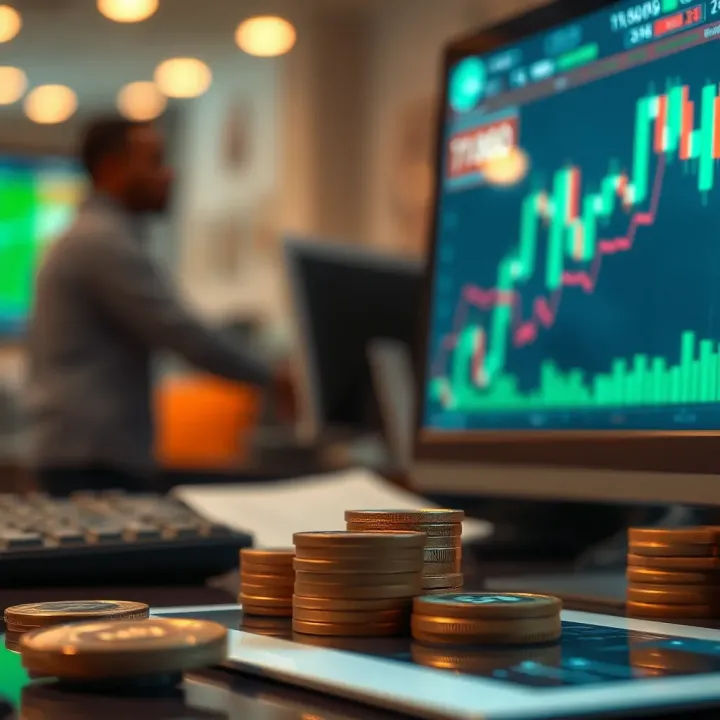
Discover smart forex trading tips for Nigerian traders 🇳🇬. Learn about risk management, local market effects, trusted platforms, and broker advice to trade wisely.
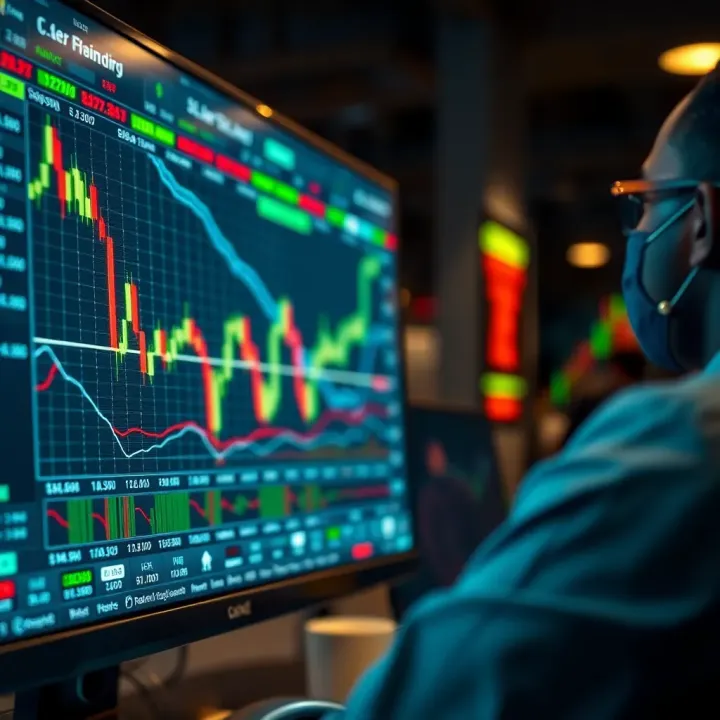
Explore the best forex trading options in Nigeria 🇳🇬! Learn how to pick brokers, understand regulations, manage risks, and create winning strategies.
Based on 8 reviews