
Benefits of Forex Trading for Nigerian Investors
Explore how Nigerian investors can benefit from forex trading with low capital, high liquidity, 24/5 access, and portfolio diversification opportunities 📈💰
Edited By
Henry Mitchell
Forex trading has become a popular way for Nigerian investors to participate in the global financial market. Unlike traditional investing, forex trading lets you buy and sell currencies, capitalising on their daily price fluctuations. This market runs 24 hours a day, which means it fits conveniently around Nigerian business hours and lifestyle.
One clear advantage is accessibility. Thanks to technology and internet penetration in Nigeria, anyone with a smartphone or computer and a stable internet connection can start trading forex. Local platforms like OPay and international brokers provide multiple entry points, allowing beginners and seasoned traders alike to join without huge capital outlay.
Liquidity is another big plus. The forex market is the largest financial market in the world, with daily trading volumes exceeding $6 trillion. This ensures you can enter and exit trades easily—crucial when you want to avoid delays or price slippages. For Nigerian investors dealing with the naira's volatility, forex offers a venue to diversify currency exposure and hedge against local currency risks.
Diversification through forex also means spreading your investment across various currency pairs—such as USD/NGN, EUR/USD, and GBP/NGN—rather than concentrating solely on Nigerian stocks or real estate. This can cushion your portfolio during times of local economic instability or inflation spikes, which Nigerians often experience in the ember months.
Forex trading gives Nigerian investors a flexible, liquid market to build wealth beyond local constraints, although it requires skill and caution.
Finally, forex trading provides learning opportunities around global economic events. Political developments, trade wars, and central bank announcements affect currency values and provide trading signals. For example, changes in CBN monetary policy or crude oil prices often ripple through forex markets affecting the naira.
Traders should be mindful that while forex presents profit chances, it also carries risks like leverage misuse and scams. Education remains key—using reputable brokers, tools like demo accounts, and staying informed about market conditions pays off.
With these benefits and considerations in mind, forex trading certainly fits as a viable option for Nigerian investors looking to diversify and tap foreign exchange markets effectively.
Understanding what forex trading involves is essential for any Nigerian investor keen on expanding their financial portfolio. At its core, forex trading is the buying and selling of currencies, where traders aim to profit from fluctuations in exchange rates. This activity takes place in a global market that never sleeps, offering unique access and liquidity which many traditional investment avenues in Nigeria lack.
Forex operates on currency pairs—think of it as exchanging one currency for another, like swapping naira for dollars or euros. Each pair has a base currency and a quote currency, and their price indicates how much of the quote currency you need to buy one unit of the base currency. For instance, if USD/NGN is quoted at 460, it means ₦460 is required to buy one US dollar. Price movements here matter greatly because gains or losses come from small changes in these rates. Nigerian traders track this closely since their returns often depend on predicting these shifts accurately.
The spot market involves immediate exchange of currencies at current rates, making it the most accessible form of forex trading for Nigerian investors. It reflects the real-time supply and demand, influenced by political events, economic data, and central bank decisions. On the other hand, the futures market deals with contracts to exchange currencies at a determined rate on a future date. While futures can be a tool for hedging or speculation, they tend to require higher capital and are less common among casual Nigerian traders. Understanding this distinction helps investors choose the best approach suited to their risk appetite and resources.
Technology has made forex trading easy to access from Nigeria. Many online platforms like MetaTrader, FXTM, and local apps provide seamless entry points for investors with internet access and modest starting capital. These platforms offer tools for analysis, live pricing, and order execution. For example, someone in Lagos can trade USD/NGN during the night when the US market opens, taking advantage of the 24-hour nature of forex.
Local brokers act as intermediaries connecting Nigerian traders to global forex markets. They often provide customer support tailored to the Nigerian context, including funding through local payment methods like Quickteller or bank transfers. However, it's crucial for investors to work only with brokers licensed by Nigerian authorities or reputable international regulators to avoid scams common in the market. Being alert to regulation ensures protection of funds and helps maintain an honest trading environment.
For Nigerian investors, grasping the basics of forex trading and recognising practical ways to participate builds a strong foundation for navigating this dynamic market confidently.
By seeing forex trading through the lens of currency pairs, market types, and practical access routes, Nigerian traders can approach this market with clear expectations and effective strategies.
Forex trading stands out for its unmatched flexibility and accessibility, which makes it attractive to Nigerian investors who juggle multiple commitments or operate on modest budgets. Unlike traditional markets with fixed trading hours, the forex market runs 24 hours a day across various global time zones. This continuous cycle allows investors from Lagos to Kano to participate at almost any time that suits their schedule.
The forex market operates continuously from Monday morning in Asia to Friday evening in New York. For Nigerian traders, this means opportunities to engage during the Asian, European, and American trading sessions. For instance, the London session overlaps with Nigerian business hours, making it easier to monitor trades without staying up late. Meanwhile, the US session opens in the afternoon Nigeria time, and the Asian session runs overnight. This global clock ensures currency pairs remain liquid and responsive to international news throughout the day.
The round-the-clock nature helps Nigerians who work a 9-to-5 job or run small businesses to trade forex in their spare time, such as early mornings or late evenings. Unlike the local stock market that closes early, forex trading is open when you’re off-duty. Many part-time traders use mobile apps from platforms such as Oanda or IG to catch market moves on the go. This flexibility means even those without dedicated trading hours can manage positions, respond to price changes, and grow their portfolio gradually.

Forex trading generally requires much less starting capital than other investment classes. While the traditional stock market may demand tens of thousands of naira to get started, many forex brokers accept deposits as low as ₦10,000 or even ₦5,000. This lowers the barrier for everyday Nigerians who want to test the waters without risking large sums. Trading with small accounts also suits beginners who are still learning market dynamics.
Most reputable brokers supporting Nigerian traders accept local payment options, including bank transfers through GTBank or Access Bank, and digital wallets like Flutterwave and Paystack. These local payment systems make deposits and withdrawals smoother, eliminating the hassle of currency conversions or long wait times. For example, a trader can fund their account quickly through bank USSD codes or mobile apps and start trading within minutes. This ease also helps curb the challenges posed by unstable foreign exchange rates and naira volatility.
Nigeria’s access to global forex markets has never been easier. Thanks to 24-hour trading and affordable account setups, you can participate actively without needing large capital or special trading hours.
In sum, the flexibility in time and low capital entry make forex trading a practical investment avenue for Nigerians across different walks of life. This accessibility empowers more people to explore forex as a valuable addition to their investment portfolio.
Forex trading stands out among investment options primarily because of its potential for profit through market volatility and the chance to diversify investment portfolios beyond conventional assets. For Nigerian investors, this offers a practical route to capture gains while spreading risk, especially in a market where naira fluctuations and economic uncertainties are common.
Leverage allows traders to control a large position with a relatively small amount of capital, called margin. For example, a leverage of 1:100 means ₦10,000 deposited can control ₦1,000,000 worth of currency trades. This feature amplifies potential gains during favourable market movements but also raises the stakes—losses work the same way, so proper care is essential.
For Nigerian investors, leverage provides an opportunity to maximise profit without committing large capital upfront, suitable when naira liquidity is tight. However, discipline is key: using stop-loss orders and setting clear risk parameters helps manage margin calls and avoid rapid capital erosion.
Hedging involves opening trades that offset potential losses in another position. Nigerian traders often hedge to protect against naira depreciation or sudden shifts caused by government policy changes, such as CBN interventions. For instance, if an investor holds foreign currency deposits, opening a short position in the forex market on that currency can mitigate losses if the naira weakens.
Implementing hedging strategies reduces exposure to unpredictable swings while maintaining investment in growth assets. Though this requires careful monitoring and understanding of market signals, it serves as a tool to protect capital in a volatile environment.
Adding forex trading to a portfolio traditionally composed of stocks and bonds helps spread risk across different asset classes. Nigerian investors often face market-specific risks such as political upheaval or market illiquidity. Forex provides an asset class influenced by global economic factors rather than solely local ones, helping balance the portfolio.
For example, while Nigerian equities can be hit by local regulatory changes, currency pairs like USD/EUR may react more to US Federal Reserve decisions or European economic data, which can cushion portfolio performance during local downturns.
Currency risk, or exchange rate risk, affects Nigerians holding foreign assets or conducting international business. Forex trading enables active management of this risk by taking positions that offset potential currency losses.
Suppose a Nigerian company anticipates receiving payments in US dollars. The company can enter forex contracts to lock in exchange rates, protecting itself from naira depreciation. For individual investors, balancing currency exposure in this way improves stability and helps maintain purchasing power.
Combining profit opportunities with strategic diversification through forex enables Nigerian investors to navigate an often unpredictable economic landscape, making their portfolios more resilient and growth-oriented.
In summary, leveraging the currency market’s volatility and using forex trading to spread investments beyond local stocks and bonds equips investors to improve returns, protect capital, and manage risks more effectively.
Forex trading impacts Nigeria’s economy beyond individual gains. It plays a part in shaping currency stability and supporting the country’s trade dynamics. For Nigerian investors, understanding this connection helps realise forex trading’s bigger economic picture.
The foreign exchange market directly affects the naira’s value against other currencies. Large transactions by investors and businesses trading forex influence demand and supply for the naira, which in turn shifts exchange rates. For example, when many traders sell naira to buy dollars, the naira can weaken, impacting prices for imported goods. This is critical for Nigerian firms that rely on imported raw materials or fuel, as costs rise with exchange rate changes.
Forex trading activities thus contribute to naira volatility but also create a mechanism for price discovery. Through forex, the market sentiment about Nigeria’s economic health and prospects reflects in the naira’s strength or weakness, informing policymakers and businesses alike.
The Central Bank of Nigeria (CBN) monitors forex markets to manage liquidity and inflation. Through interventions such as forex sales or buying operations, the CBN attempts to cushion the naira from harmful swings. Traders need awareness of these policies, as sudden CBN actions can change market conditions sharply.
Moreover, the CBN's exchange rate policies—fixed, floating, or managed float—shape how freely forex trading occurs and at what prices. Recent years saw the CBN relax controls, allowing more market-driven rates, thereby encouraging more forex activity. For investors, this means increased transparency and trading options but also exposure to exchange risk.
Nigeria’s fintech sector is booming, expanding access to forex trading. Platforms like OPay and Flutterwave offer payment systems that make funding forex accounts easier with local bank cards or mobile money. This technology eliminates traditional barriers like physical broker visits or foreign bank accounts.
Online brokers also cater to Nigerian traders by supporting popular payment methods and local language services, making forex trading much more accessible and user-friendly. This step enhances participation among those who were previously excluded due to geography or financial constraints.
The growing use of smartphones and affordable internet in cities opens forex trading to younger Nigerians eager to grow wealth beyond conventional jobs. Urban youths use forex trading apps during leisure time, attracted by the potential quick returns and portfolio diversification.
This demographic also benefits from free online tutorials and social media communities dedicated to forex education. As a result, many young Nigerians now view forex trading as a practical side hustle or investment avenue, enhancing financial literacy and inclusion.
Forex trading in Nigeria is more than a marketplace—it’s a bridge linking individuals to the global economy, while supporting currency stability and fostering digital financial growth.
Fx trading holds promise, no doubt, but it also comes with its own set of risks which Nigerian investors need to understand well. Knowing these risks isn't just about caution – it helps traders take smarter steps to protect their capital and navigate uncertain markets effectively. This section unpacks the two main areas traders should keep in mind: market volatility and regulatory environment.
Worldwide events significantly sway currency values, and Nigerian forex traders feel this impact sharply. For instance, a sudden decision by the US Federal Reserve to hike interest rates often strengthens the dollar, which can affect the naira’s exchange rate. Similarly, geopolitical tensions, such as conflicts or trade disputes, send shockwaves through forex markets, leading to rapid price swings. Nigerian traders who fail to monitor such shifts risk heavy losses because currency prices can jump or drop sharply without warning.
On top of that, local factors like CBN’s monetary policies or political uncertainty during election periods further add to the volatility. Therefore, staying informed about both global headlines and domestic developments is not an option but a must.
Managing risk is key in forex trading, especially for those operating in Nigeria's unique environment. Tools like stop-loss orders allow traders to limit potential losses by automatically exiting a trade at a predetermined price. Using leverage wisely is another vital part — while it can amplify profits, over-leveraging often leads to devastating losses. For example, inexperienced traders betting heavily on a single currency pair during volatile ember months often wipe out their accounts quickly.
Besides technical tools, sensible trading rules help. Many experienced Nigerian traders recommend risking just 1-2% of your total trading capital per trade to avoid wiping out funds in one bad move. Keeping a trading journal to track your trades and emotions can also improve discipline and reduce impulsive decisions.
The Nigerian forex market has attracted numerous brokers, but not all operate above board. Traders should verify if a broker is registered with the Securities and Exchange Commission (SEC) Nigeria, which supervises capital market transactions. A licensed broker adheres to regulatory requirements designed to protect investors, such as maintaining segregated client accounts and offering transparent terms.
For example, some local brokers like Afrinvest and Meristem Securities are SEC-registered and trusted by many Nigerian traders. Using such regulated brokers means your funds are less likely to vanish overnight or be part of fraudulent schemes.
Unfortunately, forex scams are a real menace here. Promoters may promise unrealistic returns, insist on upfront deposits, or push aggressive marketing that overlooks risks. Some scams involve “waiting fees” or fabricated software packages that claim to guarantee profits.
One typical scenario involves social media adverts offering “get-rich-quick” forex systems requiring you to deposit ₦50,000 or more. Once the money is paid, contact drops or the scammer requests more money for “licence renewal.” Always approach such offers with suspicion and never rush into funding without proper due diligence.
Always remember: if it sounds too good to be true, it probably is. Protect yourself by choosing regulated brokers and learning how to spot warning signs early.
Understanding these risks and following good practices helps Nigerian forex traders approach the market with balance – ready to maximise opportunities without getting caught in avoidable losses or scams.
Explore how Nigerian investors can benefit from forex trading with low capital, high liquidity, 24/5 access, and portfolio diversification opportunities 📈💰
🌍 Discover how Nigerian investors can benefit from forex trading, from market access to profit potential, plus key tips to trade wisely and boost financial skills.
Explore the key advantages of forex trading for Nigerian traders, from flexible hours ⏰ and high liquidity 💧 to diverse currency options 💱 and smart risk management 🛡️.
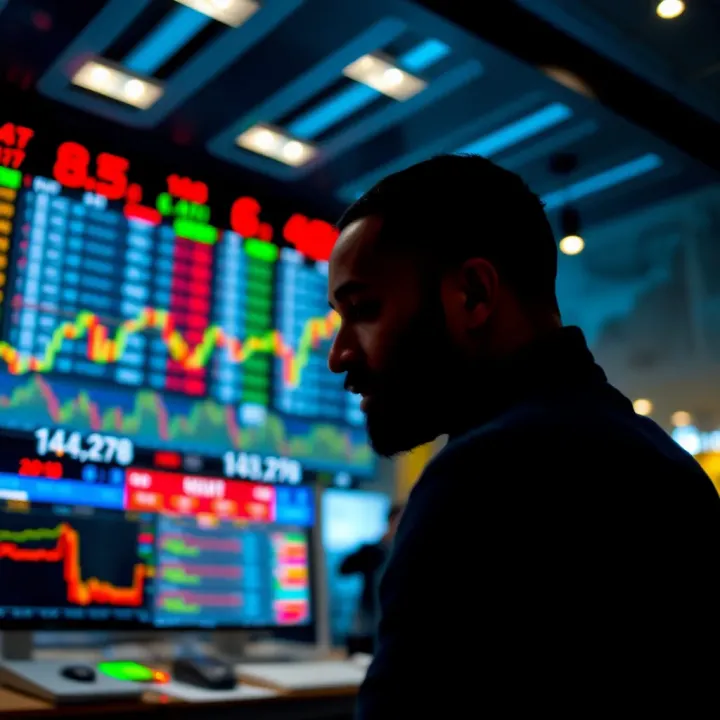
🌍 Discover why forex trading is popular globally and in Nigeria. Learn about its accessibility, liquidity, flexibility, and smart risk management tips. 📈💰
Based on 7 reviews