

Understanding Binary Options Trading in Nigeria
📊 Explore binary options trading in Nigeria with expert tips, legal insights, and risk advice. Learn how to trade wisely and avoid common mistakes.
Edited By
Sarah Mitchell
Binary trading platforms have steadily gained attention among Nigerian traders, especially those keen on fast returns. These platforms allow you to speculate on price movements of assets like currencies, commodities, stocks, and indices, but with a straightforward yes-or-no wager: will the asset’s price go up or down within a set timeframe? While this simplicity is appealing, understanding how these platforms work and the risks involved is critical to avoid losing your ₦.
Binary trading is not about owning the asset itself but predicting its short-term direction. For example, if you believe the price of oil will rise in the next 15 minutes, you place a 'call' option. If it does rise, you earn a fixed profit; if not, you lose your stake. The fixed payout and fixed risk make it different from traditional trading, where your gains or losses depend on price movement extent.

Nigerian traders should be cautious: binary options often carry high risks and have been linked to scams globally. It’s crucial to pick platforms that are transparent, have good user reviews, and ideally operate under some form of regulation.
Fixed expiry times, ranging from seconds to days
Clear payout rates agreed before trade
Simple user interfaces ideal for beginners
Variety of underlying assets, including forex pairs, commodities like gold or crude oil, major stock indices, and sometimes cryptocurrencies
Despite ease of use, binary trading is not a guaranteed way to profit. Volatility, platform manipulation, or unclear terms can wipe out investments quickly. Nigerian traders must understand that while the prospect of doubling ₦10,000 in minutes sounds tempting, many lose money due to lack of experience and informed decision-making.
To navigate this space smartly, keep in mind:
Research the platform thoroughly; verify if it’s registered with Nigerian authorities or respected international bodies.
Start with small amounts to test the platform and build your strategy.
Use demo accounts many platforms offer to learn without risking real money.
Pay close attention to terms, withdrawal processes, and customer support responsiveness.
In Nigeria’s growing fintech ecosystem, some platforms like Olymp Trade and IQ Option have found users, but the absence of a solid regulatory framework remains a concern. Traders must therefore remain vigilant and see binary trading as speculative rather than a steady income source.
By grasping these basics and risks, Nigerian traders can decide if binary trading suits their appetite and avoid falling victim to dodgy schemes promising easy money.
A binary trading platform is an online tool that lets traders predict the price direction of assets within a specified timeframe. For Nigerian traders, understanding what these platforms offer helps make informed decisions and avoid pitfalls common in fast-moving markets. These platforms simplify trading by focusing on a yes/no outcome, which means you either profit a fixed amount or lose your stake.
Binary options are contracts where the trader wagers on whether an asset's price will be above or below a certain level at expiry. The appeal lies in the simplicity—no matter how much the price moves beyond the strike point, the return is fixed. For example, if you predict that the price of gold will be above ₦300,000 in the next hour and it is, you earn a set profit. If not, your initial investment is lost.
Unlike traditional stock or forex trading where profits depend on the asset's price movement size, binary trading has defined risk and reward before the trade starts. This all-or-nothing approach attracts traders who prefer clear outcomes without managing complex factors like margin or leverage. However, this also means the potential to gain or lose is strictly predetermined, unlike conventional markets.
Binary platforms generally offer assets like currencies (USD/NGN, EUR/USD), commodities (gold, oil), stocks (Dangote Cement, MTN Nigeria), and indices (NSE 30). Nigerian traders often focus on widely traded currencies and commodities because those markets tend to be more stable and liquid, providing better chances for success.
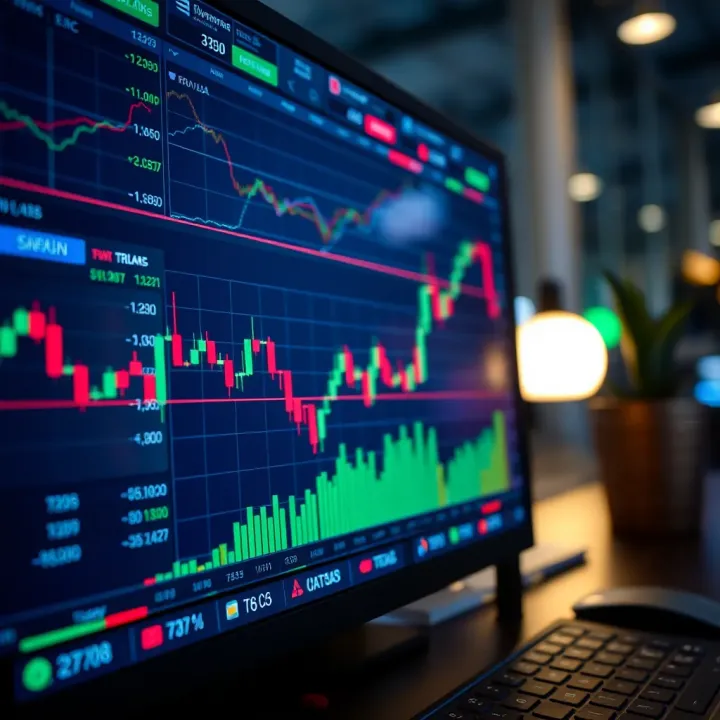
Most platforms have straightforward interfaces designed for fast decisions. You will find charts showing price trends, option to view past trades, and risk indicators. Tools like one-click trade, countdown timers, and notifications keep users informed on the trade status. For instance, platforms like IQ Option or Olymp Trade allow easy switching between assets and access from smartphones, which is crucial given Nigeria’s mobile-first market.
When a trader selects an asset, expiry time, and direction (call/put), the trade executes instantly once confirmed. This immediacy is crucial because price changes happen quickly; any delay could result in a missed opportunity. The platform locks your stake and shows potential payout once you enter the trade.
Binary options typically expire within short periods, ranging from 30 seconds to several hours. This variety lets traders pick timelines that suit their strategies. Payouts usually range from 60% to 90% of the invested amount for correct predictions. If the prediction is wrong, you lose what you staked, making it essential to understand expiry timing to manage risk effectively.
Getting familiar with how these platforms function puts Nigerian traders in a better position to engage profitably and responsibly. Knowing the straightforward payout and risk mechanics helps avoid costly mistakes often seen with newcomers.
When picking a binary trading platform, knowing which features matter can save you from many headaches. Nigerian traders especially should focus on features that ensure safety, ease of use, and compatibility with local payment methods. Choosing wisely means better control over your investments and a smoother trading experience.
A licensed platform gives you some level of protection against scams. Look for platforms regulated by recognised authorities such as the UK’s Financial Conduct Authority (FCA) or the Cyprus Securities and Exchange Commission (CySEC). Even if these aren't Nigerian regulators, global regulation usually indicates more reliable operations. It’s a red flag if the platform shies away from providing licence details.
Always cross-check the platform’s licensing by visiting the regulator's official website or checking public databases. User reviews and feedback from Nigerian trading communities can also offer real-life insight. An established platform with transparent information is less likely to disappear overnight or withhold your money.
Given Nigeria's frequent cyber threats, your trading account and personal data need robust encryption. Secure platforms use SSL certificates and multi-factor authentication to protect users. Some platforms also keep client funds in segregated bank accounts, which reduces the risk of losing your money if the company faces financial trouble.
Good platforms offer up-to-date charts and several technical indicators to help you make informed decisions. For example, Interactive Brokers and IQ Option provide real-time price charts and tools like moving averages and RSI. Such features let you track asset movements directly, improving your chances of success.
Before trading live, you should experiment with a demo account that uses virtual money. This lets you familiarise yourself with the platform’s functions and test strategies without risking real cash. For Nigerian beginners, this is like a training ground before stepping into the real market.
Look out for platforms offering guides, video tutorials, and webinars tailored for new traders. These resources help novices understand market behaviour, binary options mechanics, and risk management. For instance, Olymp Trade provides comprehensive educational content that suits the Nigerian trader keen to learn gradually.
Your platform must support deposit methods convenient in Nigeria. Bank transfers, debit/credit cards (Visa, Mastercard), and local mobile payment systems like OPay or Paystack should be options. The fewer hoops you jump through to fund your account, the better.
Check how long it takes for your withdrawals to reflect in your Nigerian bank account or mobile wallet. Some platforms process withdrawals within 24 hours, while others may take several days. Fast withdrawal times indicate good liquidity and customer service.
Beware of hidden fees on deposits, trades, or withdrawals. Some platforms tack on charges that simply erode your profits. Understand the fee schedule clearly before committing funds. Platforms like Binomo are popular for having transparent cost structures, making it easier to plan your trades.
Remember: The right platform for you balances safety, helpful tools, and practical payment options. Don’t rush; choose one that fits your trading style and local needs.
Binary trading attracts many Nigerians because of its simplicity and the promise of quick returns. Yet, it carries considerable risks that every trader must understand to avoid unnecessary losses. Knowing these challenges helps you trade more wisely, protect your capital, and avoid pitfalls often encountered on these platforms.
Binary trading operates on a simple yes/no proposition—either the asset price moves as predicted or it doesn’t. This structure means you can lose your entire investment on a single trade within minutes or even seconds. For example, if you bet ₦10,000 on oil prices rising but the market moves opposite, you could lose the entire ₦10,000 instantly. This rapid loss potential makes it essential for traders to manage risk carefully and never trade with money they cannot afford to lose.
Markets like forex, commodities, and crypto — common assets in binary trading — move fast and unpredictably. Volatility spikes can cause sudden price swings, triggering unexpected losses even when your analysis seemed solid. For instance, a surprise economic announcement during ember months could lead to wild forex rate shifts, crushing short-term bets. The unpredictable nature of such markets demands that Nigerian traders remain cautious, regularly update their strategies, and avoid overtrading during high volatility periods.
Many new traders jump into binary trading without proper preparation. Some common mistakes include chasing losses by increasing stakes recklessly, overtrading to recover lost funds, or neglecting to use demo accounts for practice. These errors drain trading capital fast. Furthermore, relying solely on tips or rumours from unverified sources instead of sound analysis often leads to poor decisions. Nigerian traders must understand that discipline and continuous learning form the backbone of sustainable trading profits.
The market is flooded with platforms that promise quick riches but disappear with deposits or manipulate trades. Red flags include platforms without clear regulatory licences, aggressive advertising targeting novice traders, unrealistic return claims above 90%, and poor or no customer support. For example, a site asking only for cryptocurrency payments without alternative withdrawal methods should raise suspicion. Spotting these warning signs early prevents falling victim to fraud.
Always verify platform authenticity through recognised financial authorities, such as the Securities and Exchange Commission (SEC) Nigeria or the Central Bank of Nigeria (CBN). These bodies provide updates on authorised operators and warn against known scams. Nigerian traders should also read reviews from reputable financial websites like Nairametrics and TechCabal, alongside checking community feedback on respected forums and social media groups.
If scammed, promptly report to the EFCC (Economic and Financial Crimes Commission) and the Consumer Protection Council. While recovering lost funds can be difficult, acting fast improves chances. Keeping proof of transactions, communication records, and platform screenshots supports investigations. Prevention remains the best defence, but knowing where and how to report scams is vital if misfortune strikes.
Trading on binary platforms in Nigeria is not just about making money fast; it involves constant vigilance against market risks and fraudulent schemes. Trading with knowledge and caution will help you stay on the right side of this highly risky market.
By understanding these risks and challenges, you put yourself in a stronger position to trade responsibly and minimise losses while navigating Nigerian binary trading platforms.
Understanding the regulatory environment is vital for anyone interested in binary trading in Nigeria. Regulations protect traders from scams, ensure transparency, and set the rules that platforms must follow. Navigating this landscape helps traders avoid falling victim to unlicensed operators and aids in making informed decisions.
In Nigeria, the Central Bank of Nigeria (CBN) and the Securities and Exchange Commission (SEC) are the main bodies overseeing financial markets. While the SEC supervises securities and investment activities, the CBN regulates banking, currency, and payments systems. Neither has formally approved binary options as a regulated investment product in Nigeria, meaning traders should be cautious about local offerings.
Many binary trading platforms operate without direct Nigerian licenses, but traders rely on foreign regulators’ approval (such as the UK’s FCA or CySEC in Cyprus) to gauge legitimacy. This absence of domestic regulation requires Nigerian traders to do extra due diligence before committing funds.
True compliance means a binary trading platform must hold valid licences from recognised regulators. For example, platforms licensed by CySEC or the FCA typically undergo background checks, capital adequacy reviews, and are bound to maintain safeguards for clients’ funds.
In Nigeria, no binary trading platform has yet secured official licences from the SEC or CBN specifically for binary options. This regulatory gap means traders should prefer international platforms with credible licences rather than trusting unregistered local sites. Proper licensing offers practical assurance about dispute handling, fund security, and operational transparency.
Nigeria has set general guidelines against unregulated financial schemes to protect consumers. For binary trading, this means no local operator should promote or manage binary options without approval from relevant authorities. Traders should recognise that engaging with unlicensed platforms can have legal risks and make it difficult to recover losses.
Also, financial authorities warn about the high-risk nature of binary options. They recommend that potential traders study market behaviours carefully and avoid chasing unrealistic returns. Knowing these rules encourages responsible trading and helps prevent rash decisions.
Gains from trading binary options are considered taxable income by FIRS. Although many traders overlook this, any profit earned stands as part of assessable income and is subject to personal or corporate income tax based on individual circumstances.
For example, if a trader makes ₦1 million profit from binary options in a tax year, this must be declared along with other income streams during annual tax filing. Failure to report may lead to penalties or audits.
Maintaining detailed records is key. Nigerian traders should save screenshots of trades, bank statements showing deposits and withdrawals, and official statements from trading platforms.
Good record-keeping simplifies tax reporting and helps if the FIRS requests proof of income legitimacy. Many traders use apps or spreadsheets to track profits and losses throughout the year.
Because tax laws can be complex and evolving, consulting a tax professional is advisable. An accountant familiar with Nigerian tax code can guide traders on reducing liabilities legally, claiming allowable expenses, and complying fully with regulations.
Professional advice helps prevent costly mistakes and ensures Nigerian traders remain on the right side of the law while engaging in binary trading.
Navigating binary trading platforms effectively requires Nigerian traders to consider specific factors tailored to their unique market environment. Understanding these tips not only improves the chances of success but also reduces exposure to common pitfalls. This section zeroes in on practical advice that directly applies to Nigerian users, focusing on platform choice and disciplined trading behaviour.
Local payment compatibility is essential because it guarantees seamless deposits and withdrawals using familiar banking channels. Many platforms accept international cards, but those supporting local options like GTBank, FirstBank, or USSD payments ease fund transfers and avoid delays. For instance, some Nigerian traders prefer platforms integrated with Paystack or Flutterwave for quick naira deposits. This convenience can boost your trading speed, avoiding missed opportunities caused by slow payment processes.
Customer support availability matters especially for Nigerian traders who may encounter issues outside standard time zones or face language barriers. A platform with 24/7 live chat support, responsive email, and even phone assistance ensures you won’t be left hanging when urgent problems arise. In one example, a trader lost potential profits simply because their withdrawal request stalled during the weekend and the support team was unresponsive. Look for platforms offering dedicated Nigerian or West African support to get culturally aware assistance.
Accessibility and mobile app quality also play a huge role. Nigerian traders often rely on smartphones due to inconsistent power supply and hectic lifestyles. A robust mobile app with intuitive design, fast loading times, and offline features helps you stay connected and trade on the go—even during NEPA outages or while commuting through Lagos traffic. Platforms lacking quality apps risk losing users who cannot always depend on desktop access.
Setting limits and managing risks is non-negotiable in a market as volatile as binary trading. Nigerian traders must decide on maximum daily losses and stick to these limits, similar to how moisture-sensitive items require careful handling during the rainy season. Effective risk management can involve fixed investment per trade and avoiding chasing losses, which frequently traps beginners. For example, a trader could allocate ₦10,000 per day and quit once losses hit ₦5,000 to protect their capital.
Using demo accounts before live trading is a practical step often ignored. Demo accounts allow practice without risking real naira, helping traders familiarise themselves with the platform’s interface and test strategies against live market conditions. A trader who used a demo account found it easier to understand expiry times and payout quirks before committing actual money — this lowers stress and builds confidence.
Continuously learning and adapting keeps traders sharp amid ever-changing market conditions. Nigerian traders can benefit from regularly reviewing trading outcomes, studying financial news affecting asset prices like oil or forex rates, and exploring educational content provided by some platforms. Adapting strategies after each session, rather than sticking rigidly to one approach, is key in reducing losses and improving returns.
Being disciplined and choosing platforms fit for Nigerian realities significantly enhances your binary trading experience. Without these steps, you risk falling prey to scams or making costly mistakes.
📊 Explore binary options trading in Nigeria with expert tips, legal insights, and risk advice. Learn how to trade wisely and avoid common mistakes.

🤖 Explore how binary bots work in Nigeria’s trading scene, learn their pros, risks, and key tips to navigate automated binary options safely.

Explore how binary investment works in Nigeria 🇳🇬, learn its types, risks, and practical tips to trade wisely in this unique market 📊💡.
🤖 Explore how binary bots operate in trading, their pros and cons, plus legal tips for Nigerians before trying automated binary options trading.
Based on 14 reviews