
Best Trading Apps for Nigerian Investors
📱 Find the best trading app for Nigerian investors by comparing features, costs, security, and ease of use tailored to Nigeria's market. Trade smart! 🇳🇬
Edited By
James Thornton
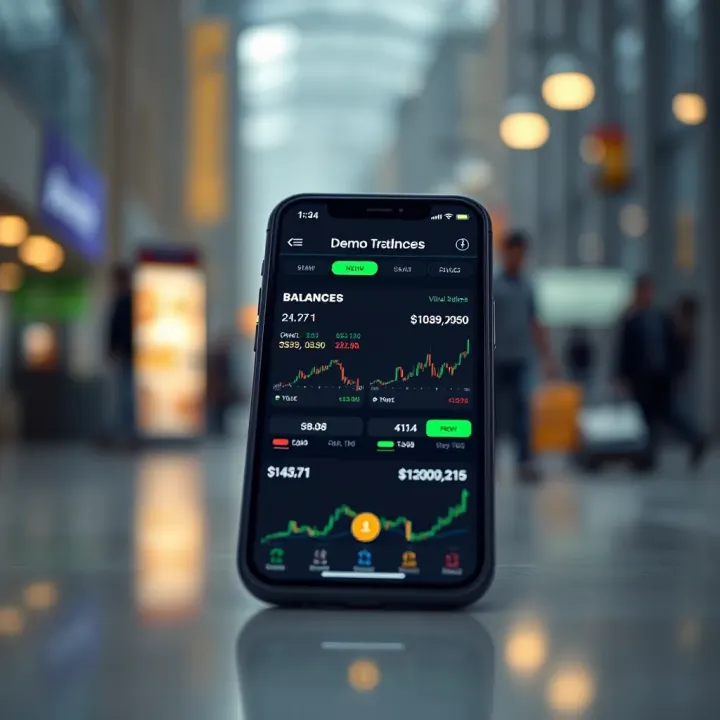
Demo trading apps give Nigerian traders a safe environment to practise trading without risking real money. They use virtual cash, allowing you to test strategies, get familiar with market movements, and build confidence before moving to live trading.
These apps simulate real market conditions using live data from stock exchanges, forex markets, or cryptocurrencies. For example, a trader in Lagos can use a demo app to follow NSE (Nigerian Stock Exchange) prices in real time and place virtual orders just as they would with real funds.
Using demo trading apps brings several advantages:
No financial risk: Your capital stays intact while you learn.
Experience market volatility: You see how prices fluctuate and practice timing your trades.
Try different strategies: From scalping to swing trading, test what works best for you.
Understand platform features: Learn how order types, charts, and indicators work without stress.
That said, demo trading isn’t exactly like live trading. The psychological pressure is often missing because there's no actual money on the line. This can lead to different behaviours when you switch to real funds.
Many Nigerian fintech players like Cowrywise, Kuda, and global platforms such as MetaTrader and TradingView offer demo accounts suited for beginners and seasoned traders alike. Choosing a demo app with a user-friendly interface and access to Nigerian markets helps you relate learning directly to local trading conditions.
Practising with a demo app prepares you for the realities of trading but always remember to transition carefully to live trading, as emotional management becomes key with actual money.
Before starting, assess the app’s features—does it offer real-time data? Can you test multiple asset types, like forex, stocks, and commodities? Also, check if it allows setting stop-loss and take-profit orders to mimic real risk control.
In the next sections, we will explore the common features of demo trading apps, how they differ from live trading, and top options available to Nigerian traders. This will help you choose the platform that suits your trading goals best.
Demo trading apps serve as invaluable tools for traders, especially newcomers in Nigeria’s dynamic financial markets. These platforms simulate real-life trading conditions, enabling users to practice without risking actual money. By understanding demo apps, Nigerian traders can build skills, test strategies, and familiarise themselves with market behaviour before moving to live trading.
Simulated trading environments mimic real market scenarios by reflecting price movements, order books, and other essential trading elements. This simulation replicates the complexity of live markets, offering a practical setting without exposing users to financial losses. For example, a trader interested in the Forex market can experience how currency pairs fluctuate throughout the day without facing real financial exposure.
Use of virtual funds means that instead of using real naira, demo trading apps allocate fake money to your account. This allows you to take positions and explore various trading tactics safely. For instance, a trader could experiment with buying and selling ₦50,000 worth of stocks in the app without risking any actual capital.
Practice without financial risk is the key advantage here. Nigerian traders, who often face high barriers such as broker minimum deposits or volatile markets, get a chance to hone their approach with no risk of losing money. This makes demo apps particularly valuable during ember months when traders tend to be cautious with their funds.
Forex demo apps focus on the foreign exchange market, one of the most actively traded segments globally and in Nigeria. Platforms like MetaTrader 4 or 5 offer demo versions allowing users to trade currency pairs like USD/NGN or EUR/USD with virtual capital. Nigerian traders gain an understanding of spread, leverage, and order types without financial consequences.
Stock and shares demo apps simulate equity market trading, useful for those keen on the Nigerian Stock Exchange (NGX) or international shares. For example, a trader can practice buying shares of Dangote Cement or international stocks like Apple using demo accounts. This helps users grasp market timing, order execution, and portfolio management.
Cryptocurrency demo apps replicate trading in digital assets such as Bitcoin and Ethereum. Given Nigeria's significant crypto adoption, platforms like Binance offer demo modes where traders can practise trading volatile cryptocurrencies without exposure to price shocks in the ₦/$ exchange rates. This builds confidence before committing real funds.
Demo trading apps empower Nigerian traders with hands-on experience, combining learning and risk-free practice in markets ranging from Forex to crypto. Practising in these environments sharpens skills, reduces costly mistakes, and prepares users for the realities of live trading.
Demo trading apps simulate real trading environments, enabling Nigerian traders to get hands-on experience before risking actual money. Understanding how these apps function helps traders navigate the platforms effectively and extract practical benefits. The mechanics, starting with registration to trade execution, mirror live trading, offering a reliable practice ground.
Creating a demo account usually involves a simple sign-up with an email or phone number, often without extensive documentation. This low barrier means anyone can start practising within minutes, ideal for Nigerian traders keen to explore trading alongside daily commitments. For instance, platforms like MetaTrader 4 allow quick demo sign-ups, enabling traders to try forex trading without going through lengthy verification.
Downloading or accessing platforms varies depending on user preference and device. Many demo apps offer mobile versions compatible with Android and iOS, reflecting Nigeria's high smartphone usage. Alternatively, desktop or browser-based versions suit traders who prefer larger screens or stable internet setups. For example, IG Markets provides a web-based demo platform that Nigerian users can access without installation, which is handy during poor power supply periods when quick access is necessary.
Virtual capital allocation assigns a fixed amount of fake money, typically ranging between ₦100,000 and ₦1 million in equivalent virtual funds, allowing users to place trades as if handling real capital. This virtual cash lets you test various strategies without financial risk. Nigerian traders can appreciate the flexibility of adjusting this allocation on some platforms to fit trading styles — whether cautious or aggressive.
Placing orders and executing trades in demo apps follows standard procedures: selecting the asset, deciding buy or sell, setting order types (market, limit, stop-loss), and confirming the trade. This simulates the real market interface fully, helping traders build muscle memory. For example, a trader practising on Binance’s demo mode can experience how swiftly market orders execute in volatile crypto markets.
Market price simulation in demo apps uses either live or delayed feeds to mirror real-world asset prices. This provides realistic trading conditions. However, some apps use slightly smoothed prices to avoid sudden spikes, so traders should expect minor differences compared to live prices. Nigerian traders should verify price sources to ensure their practice aligns closely with actual market movement.
Tracking performance is crucial in demo trading. Most apps offer detailed reports on profit and loss, win rates, and trade history. These insights help traders identify strengths and weaknesses objectively, allowing continuous improvement before moving to live trading. For example, keeping a log of trades in Kuda’s demo platform can help spot recurring mistakes or successful patterns.
Practising with a demo app that mimics real trading mechanics gives Nigerian traders a solid foundation, reducing costly errors when transitioning to live markets.
Understanding these steps ensures traders fully benefit from demo apps, sharpening skills and gaining confidence in a low-pressure setting.
Demo trading apps offer a practical way for Nigerian traders to sharpen their trading skills without risking actual cash. For many aspiring traders in Nigeria, the naira's volatility and the high cost of real investments make demo platforms a smart choice to test waters first. Let's break down why these apps are invaluable.
Using demo trading apps allows you to experiment with different trading strategies without the fear of losing money. You can try out various approaches — like scalping, swing trading, or day trading — to see what works best. For example, a trader in Lagos might test a forex strategy during volatile markets without the danger of wiping out capital. This helps traders refine tactics before risking real funds.
Trading markets can be unpredictable and complex. Demo apps help you get a feel for market patterns such as price fluctuations and volume changes. This is important for Nigerian traders who often face irregular market trends due to local economic factors. Getting familiar with these behaviours via simulation helps build a realistic understanding of how markets react.
Many new traders find live platforms overwhelming at first. Demo apps provide a playground to explore trading interfaces like MetaTrader 4 or Binance’s demo mode, helping users navigate menus, place orders, and read charts comfortably. This familiarity is critical because it reduces mistakes when you shift to real trading environments.
Good trading depends on swift, informed choices. With virtual trading, you can practice analysing market data and making trading decisions without immediate financial pressure. This repetition builds confidence in spotting entry and exit points, something that novice Nigerian traders often struggle with initially.
Most Nigerian traders rely on smartphones for internet access and trading. Demo apps designed for mobile devices allow you to practise trading anytime, anywhere, even at a mama put or during commutes in danfos. This accessibility is crucial given the often unreliable power supply and busy lifestyles.
Unlike live trading accounts that sometimes require upfront capital, demo accounts usually have zero deposit requirements. This removes a major barrier for Nigerian beginners worried about tying down funds. For instance, someone in Abuja can start practising with ₦0 and build skills before investing actual naira.
Demo trading apps bridge the gap between theory and real-world trading, giving Nigerian traders a safe space to learn, practice, and grow confidence without financial risk.
By using demo trading apps, Nigerian traders stand a better chance of succeeding when they eventually move to live markets. It's a chance worth taking before putting your hard-earned naira on the table.
Choosing the right demo trading app matters a lot for Nigerian traders eager to build their skills without risking real money. The app’s features directly affect how effectively you can learn, simulate real market conditions, and prepare for live trading. Here, we explore key features to prioritise when selecting a demo platform.
Ease of navigation makes a big difference in your learning curve. A cluttered or confusing layout can waste precious time and distract from understanding how trading works. Look for apps that organise menus, charts, and trading tools intuitively so you can find what you want without jumping through hoops. For example, MetaTrader 4 is popular partly because its interface makes opening and closing trades straightforward even for beginners. On a smartphone, simple tap and swipe functions matter much, especially given how many Nigerians trade on mobile devices.
Customisable dashboards give you control over the app environment, allowing you to focus on instruments and indicators that suit your strategy. Instead of a one-size-fits-all screen, dashboards that let you adjust chart layouts, add widgets, or save presets make practising much more effective. For instance, being able to pin your preferred currency pairs or stocks so you don’t lose them among dozens of options can save time and boost efficiency.
Live price feeds are critical to mirror actual market behaviour. Demo apps relying on outdated or static prices will not reflect the volatility that characterises financial markets, especially forex and crypto where prices shift rapidly. When prices update in real time, your practice trades better simulate live conditions. This also helps with understanding spread and price slippage effects. For example, Binance’s demo mode shows near real-time crypto prices, allowing users to experience market swings firsthand.
Order execution speed impacts the fidelity of your trading practice. If an app delays order execution or processes trades unrealistically fast, you might not learn to anticipate the delays and slippages common in Nigeria’s network environment or during peak market times. Good demo platforms aim to replicate realistic order processing times so you understand how market liquidity and execution affect trade outcomes.
Tutorials and guides embedded in the app serve as a first port of call for learning how to trade and use the platform’s features. These can range from video walkthroughs, FAQs, to step-by-step strategy guides. For many Nigerian traders, especially beginners, having quality instructional content built into the demo app removes the need to search the web or rely solely on third-party courses.
Analytical and charting tools enable hands-on technical analysis, a skill every trader needs to develop. Robust charting with multiple indicators (like moving averages, RSI, MACD) lets you test strategies under different market conditions. The ability to overlay news feeds or financial calendars adds context, helping you link price movements to real-world events. Platforms like IG Markets provide in-depth analytical tools even in demo mode, giving learners a practical edge.
A demo trading app is more than just a playground—it needs to resemble the real trading world closely to prepare you adequately. Features like intuitive design, realistic market data, and learning aids all combine to create a solid training ground.
Selecting a demo app with these key features will save you from frustration, making your training more productive and your transition to live trading smoother. Nigerian traders should give special attention to these practical aspects, matching them to their device capabilities and trading goals.
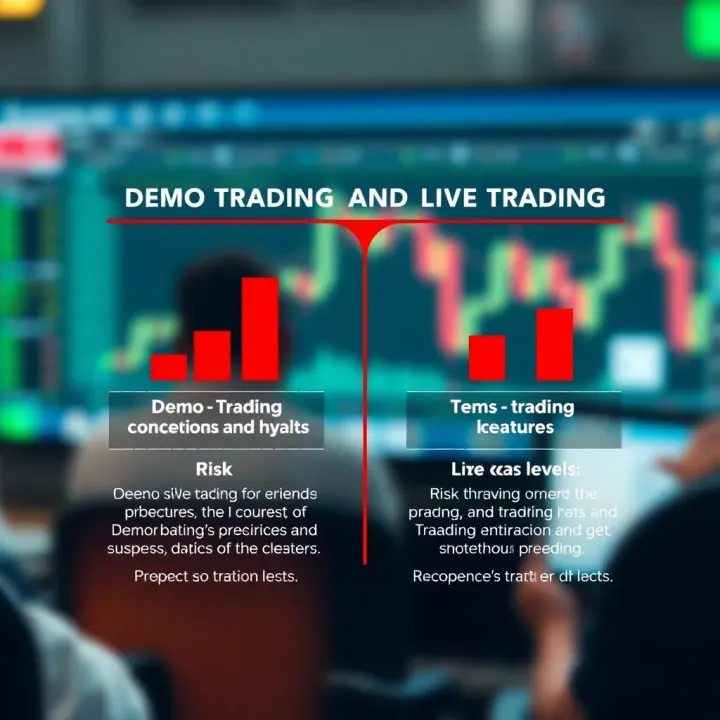
Demo trading apps give you virtual experience, but trading with real money brings quite a different challenge. Comparing both helps you understand the gaps and prepare better for actual markets. Nigerian traders should appreciate these differences to manage expectations and avoid costly mistakes when they move from demo to live trading.
Trading with live funds stirs emotions that demo trading can’t replicate. When ₦10,000 of your hard-earned money is on the line, feelings like fear, greed, and anxiety surface sharply. Even if you have a solid strategy on demo platforms like MetaTrader 4, the pressure of potential losses or winnings affects your decision-making.
In demo accounts, knowing no money is really lost makes it easy to stick to plans. But live trades test your nerve. A trader might hesitate to enter or exit a position on live markets because the stakes feel heavier. Recognising these emotional triggers early can help you build mental resilience.
On demo platforms, losses don’t cause pain, and profits are just numbers on a screen. Yet in live trading, losing ₦20,000 or even ₦5,000 feels personal and can impact your trading discipline. Many traders rush to recover losses, leading to impulsive decisions.
Conversely, profits in a live account bring satisfaction and confidence, but they can also foster overconfidence. Accepting these emotional swings is essential. Nigerian traders often overlook this, jumping into live trades too soon without good emotional control.
In demo apps, trades often execute at expected prices instantly. In reality, live trading faces slippage—when your trade opens or closes at a different price due to market movement or delays. This happens especially during volatile periods or major news events.
For example, if you place a buy order for a stock priced at ₦250 but due to high demand it executes at ₦255, that ₦5 difference affects your profit or loss. Understanding slippage prepares you for such slowness in trade execution that demo trading does not mirror.
Demo accounts simulate ideal market liquidity where everyone can buy or sell anytime. However, live markets depend on liquidity—the availability of buyers and sellers at certain price levels. Low liquidity assets or weird trading hours can cause your orders to be partially filled or not executed at all.
In Nigerian markets or international ones during off-hours, low liquidity can mean wider spreads and unpredictable price swings. Demo apps rarely reflect that, so traders should be ready for these real-world frictions.
Switching to live trading should come after consistent success and confidence in your demo trading results. For instance, if you’ve followed a method for at least 3 months on demo and tracked your trades showing profits without reckless risks, then you might consider live trading.
Cutting corners by starting live too early can lead to heavy losses. It’s wiser to use demo accounts fully, including using stop-losses and trade management techniques before risking real money.
Real capital management involves stricter rules about how much to risk per trade and avoiding emotional impulsiveness. Nigerian traders should start small—perhaps risking no more than 1–2% of their trading capital per position—to protect their funds.
Consistent record-keeping and reviewing your trades remain key even with real money. The transition means balancing ambition with patience because live trading demands careful fund management alongside strong psychological control.
Demo trading prepares your skills, but live trading shapes your character as a trader. Knowing the differences helps you navigate the path confidently.
Understanding these contrasts will improve how you approach both trading styles, making your journey from demo apps to live markets smoother and less overwhelming.
Choosing the right demo trading app is critical for Nigerian traders hoping to sharpen their skills without risking real money. Popular demo apps cater to different markets like forex, stocks, and cryptocurrencies, offering practical experience that mirrors live trading. Both international and local platforms give Nigerian users access to realistic trading environments, complete with virtual money to test strategies.
MetaTrader 4 and 5 remain the gold standard for forex and stock traders worldwide, and many Nigerians rely on these platforms. MT4 and MT5 come with robust charting tools, automated trading options, and access to a wide range of instruments including currency pairs, indices, and commodities. Their demo modes provide real-time market data, so traders can practise placing orders and managing positions just as they would in live markets. For Nigerians, the platforms’ compatibility with mobile devices is a bonus given the high smartphone use across the country.
Binance Demo Mode offers a hands-on introduction to cryptocurrency trading, an area increasingly popular among Nigerian investors. The demo mode allows users to practise trading Bitcoin, Ethereum, and other digital assets without risking capital. This is particularly useful given the volatility of crypto markets. Binance also integrates educational content and market analysis, helping users gain a full picture of how crypto trading works.
IG Markets demo appeals to traders interested in a wide variety of asset classes, including shares, forex, and commodities. Its user-friendly demo interface replicates live market conditions, giving Nigerians a chance to familiarise themselves with the platform’s powerful tools like advanced charting and news feeds. IG Markets also emphasises compliance and transparency, which reassures Nigerian traders wary of scams.
Pocket Option is a locally accessible platform popular for binary options trading, which allows Nigerians to speculate on asset price movements within a fixed timeframe. Its demo account replicates live trading with virtual funds, helping users understand timing and risk management before committing real money. The platform supports easy fund withdrawal and deposit methods suitable for Nigeria, enhancing its practical appeal.
Remitano is primarily a peer-to-peer crypto exchange with a demo function that lets Nigerians practise buying and selling cryptocurrencies within a simulated environment. This is especially useful for novice traders navigating crypto trading challenges like price swings and liquidity. Remitano’s localisation includes support for Nigerian banks and naira deposits, making the transition from demo to real trading smoother.
Other Nigerian fintech options, such as Kuda and Cowrywise, are beginning to incorporate demo features or virtual investing tools. While primarily focused on personal finance and savings, their growing platforms may soon offer simulated trading environments. These homegrown apps reflect local market realities, including naira fluctuations and the informal nature of much Nigerian investing.
Selecting demo trading apps that combine realistic conditions with convenience and localisation can give Nigerian traders an edge when they eventually enter live markets.
In summary, Nigerians have access to a range of demo trading apps that fit varied interests—from global forex giants like MetaTrader to crypto hubs like Binance, to Nigerian fintech startups. Choosing the one that matches your trading style and goals means you're better prepared to succeed for when real money stakes come into play.
Using demo trading apps is a smart way for Nigerian traders to sharpen their skills without risking real cash. However, the benefits come with the need to be intentional and strategic. Making the most out of these apps requires setting clear goals, staying humble about demo results, and tapping into all available learning tools.
Planning your trades begins with defining what you aim to achieve through the demo app. Instead of randomly clicking through trades, set specific objectives such as mastering forex scalping, trying out cryptocurrency trading patterns, or understanding how to react to market news. For instance, if you want to explore Nigerian Stock Exchange (NGX) movements, focus on tracking price shifts around corporate earnings or economic data releases. This approach sharpens your focus and provides a sense of direction, avoiding wasted time.
Record keeping and review matter just as much as planning. Keep a trading journal to note every trade's reasoning, outcome, and any lessons learnt. Review these notes weekly to spot recurring mistakes or successful strategies. A trader who writes down why they sold NGX stocks at a particular time can better understand market triggers and improve decisions next time. This habit also mirrors practices professional traders follow, preparing you for live trading discipline.
Acknowledging differences with live trading is critical. Demo accounts do not carry the emotional weight of losing actual naira. For example, it’s easy to chase risky trades with virtual money because you don’t face real-life consequences. Remember, in live trading, psychological stress can lead to hesitation or rash moves, factors absent in simulated environments. Being aware of this gap helps you keep expectations in check.
Gradual step-up to real accounts cuts down shocks from the live trading world. After consistent profits on demo, try starting with a small real account, say ₦20,000 or ₦50,000. This amount is enough to test your confidence and strategies without endangering your savings. Increasing your investment size slowly builds emotional resilience and helps you adjust to live market pressures over time, rather than jumping straight into large trades.
Practice technical analysis actively within demo apps. Many platforms offer charting tools and indicators like moving averages, RSI, or Fibonacci retracement. Use these to interpret price trends and predict movements. Practising this skill in a demo reduces mistakes when you switch to live trading. Plus, it transforms raw data into meaningful signals, something many Nigerian traders overlook.
Engage with tutorial content provided by demo platforms or Nigerian fintech apps like Pocket Option or Remitano. Take advantage of video lessons, webinars, and articles to deepen your understanding of market concepts. These resources often illustrate trades or strategies directly on the app, making learning practical and hands-on rather than theoretical.
Remember, demo trading is not just about making virtual profits but preparing yourself mentally and technically for real market challenges. Approaching it with clear goals, measured steps, and a hunger to learn sets you up for lasting success on Nigerian and global markets.
📱 Find the best trading app for Nigerian investors by comparing features, costs, security, and ease of use tailored to Nigeria's market. Trade smart! 🇳🇬
Discover the top trading apps in Nigeria 🇳🇬 to safely earn money 💰 with easy registration, unique features, and varied trading options tailored for you!
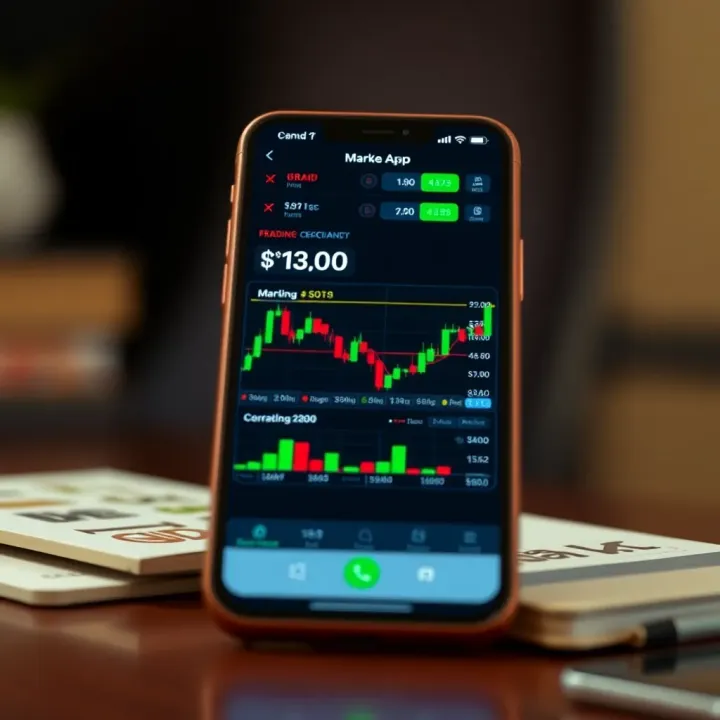
📱Explore top trading apps in Nigeria! Learn how to pick apps with the best security, fees, and assets to trade confidently and safely in Nigeria's market.

Discover the best trading app for beginners in Nigeria 🇳🇬. Learn about key features, security, ease of use, and affordable options to start trading confidently 📈💰.
Based on 6 reviews