

How Risk Management Benefits Businesses
📊 Discover how risk management shields your business assets, cuts costs, improves choices, and builds trust for lasting success in Nigeria's market.
Edited By
Michael Foster
In Nigeria's fast-changing business environment, understanding risk management is no longer a luxury — it's a necessity. With inflation pressures, currency fluctuations, regulatory shifts, and infrastructural challenges, professionals in trading, investment, brokerage, and entrepreneurship face risks daily. Proper risk management skills not only safeguard assets but also improve decision-making and boost investor confidence.
Risk management certifications serve as a solid proof of competence. They signal to employers, clients, and partners that you understand how to identify, assess, and control financial, operational, and strategic risks effectively. For instance, a stockbroker armed with a Certified Risk Manager (CRM) credential can tailor strategies better to volatile market conditions common in Nigerian stock exchanges.
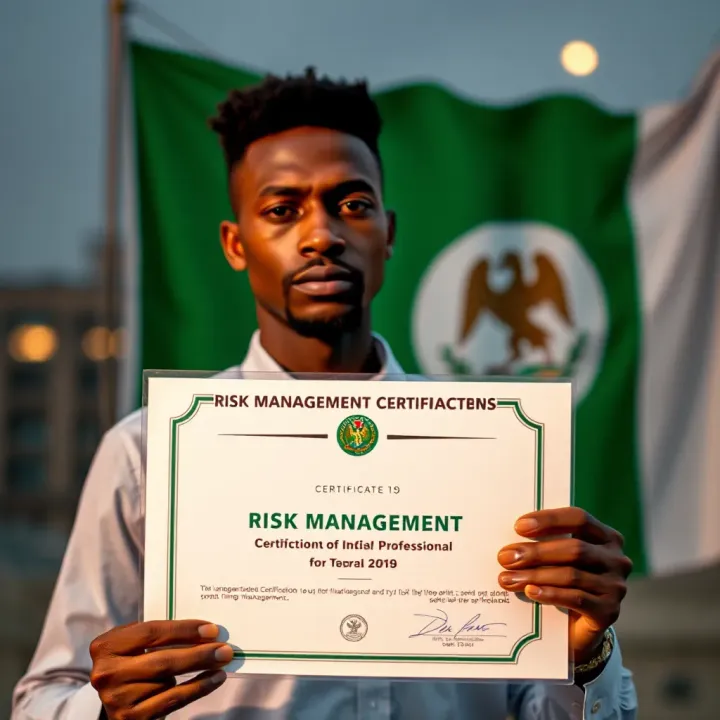
It's important to choose the right certification based on your role and sector. While the Financial Risk Manager (FRM) focuses on market, credit, and operational risks relevant to banks, fund managers, and investment analysts, the Project Management Institute Risk Management Professional (PMI-RMP) suits professionals overseeing projects prone to budget or timeline deviations. Nigerian entrepreneurs dealing with supply chain risks amid currency devaluation might find the Risk Management Professional (RMP) certification practical.
Gaining these certifications often results in better career opportunities and higher earning potential. Employers like GTBank, Access Bank, and large oil firms prefer certified candidates who can navigate Nigeria's unique risk landscape confidently.
Here are key reasons to consider a risk management certification:
Enhances your credibility within Nigerian financial and commercial sectors
Builds practical skills to handle market uncertainties and regulatory changes
Expands your professional network through recognised bodies like GARP (Global Association of Risk Professionals)
Supports career growth and potential salary increments
Starting this journey requires understanding certification requirements, exam schedules, and relevant study materials tailored for Nigerian contexts. Several training centres and online platforms now provide preparatory courses focusing on local case studies and examples.
Choosing the right certification sharpens your edge in a crowded market. It's an investment that protects your future against unpredictable financial and business shocks, common in Nigeria's vibrant but volatile economy.
Risk management is about identifying, evaluating, and controlling risks to protect an organisation's assets, reputation, and profitability. For Nigerian professionals, understanding these principles is not only about minimising losses but also about navigating the unique challenges of local business environments where unpredictability is often the norm. From fluctuating fuel prices to inconsistent power supply, risk management helps businesses stay afloat and competitive.
At its core, risk management involves forecasting potential problems before they hit hard and implementing measures to reduce their impact. In Nigeria, this means dealing with risks that range from political instability to infrastructure deficits and fluctuating exchange rates. For example, a manufacturer relying on imported raw materials may face risks linked to naira volatility and port delays.
Nigerian industries often experience risks uncommon elsewhere. Unreliable power supply forces many businesses to run expensive generators, increasing operational costs unexpectedly. Similarly, transport disruptions caused by traffic congestion or security issues affect supply chain efficiency. Recognising these challenges is critical for professionals who want to manage risks effectively.
Common risks Nigerian businesses face include credit risk, especially for SMEs struggling with late payments; regulatory risks where sudden policy shifts by government agencies like the Nigerian National Petroleum Company Limited (NNPCL) impact operations; and operational risks arising from outdated processes or corruption. For instance, banks and financial institutions continually manage risks related to fraud and cyber-attacks due to increasing digitisation.
Obtaining a professional certification enhances your credibility and skillset, signalling to employers and clients that you understand contemporary risk management strategies. This is critical in Nigeria’s competitive market, where companies seek certified experts who can handle local risks confidently. For example, a certified risk manager is often preferred for roles involving compliance and strategic decision-making in sectors like banking or oil and gas.
Certifications also help professionals align with regulatory requirements and standards. Institutions like the Securities and Exchange Commission (SEC) Nigeria and the Central Bank of Nigeria (CBN) expect firms to follow stringent risk controls. Certified practitioners are better equipped to design frameworks that stay compliant, avoiding hefty fines or operational shutdowns.
Beyond compliance, certified individuals enjoy better employability and career progression. Companies increasingly value certifications such as the Certified Risk Manager (CRM) or Financial Risk Manager (FRM) when considering candidates for promotions or hiring. Certified professionals command higher salaries and have more opportunities across industries where managing risks directly affects profitability, such as agriculture, fintech, and manufacturing.
Effective risk management certification can turn challenges unique to Nigeria into opportunities, providing you with practical tools to safeguard organisations against losses and uncertainties.
Choosing the right certification is vital in Nigeria’s evolving business terrain, especially for traders, investors, and analysts who face diverse risks regularly. These certifications not only sharpen your knowledge but also improve your profile with employers and clients. They provide globally recognised frameworks while addressing local risks like currency volatility, regulatory shifts, and operational challenges caused by infrastructure issues.
The CRM certification is issued by the Global Risk Management Institute (GRMI), a respected organisation focusing on broad risk management disciplines. It’s designed for professionals who want a solid understanding of risk principles beyond a specific sector. CRM’s practical approach makes it useful for Nigerian professionals working across banking, oil and gas, manufacturing, and other industries.
CRM covers key areas like risk identification, analysis, control, financing, and administration. It equips candidates with tools to assess and reduce risks, such as insurance strategies and enterprise risk management. Given Nigeria’s challenging business environment—where risks from theft, power outages, or regulatory changes can affect operations—knowing these fundamentals is essential.
CRM suits those managing cross-sector risks. Entrepreneurs running SMEs, risk analysts in banks, or compliance officers at fintech firms will find it valuable. It also helps professionals aiming to understand risk holistically rather than focusing solely on financial metrics.
PMI-RMP is granted by the Project Management Institute, a global authority in project management. This certification targets professionals who handle risk within projects, emphasising proactive risk assessment and mitigation techniques. Since many Nigerian businesses operate projects in construction, IT, or infrastructure, PMI-RMP builds confidence in managing projects with uncertain factors.
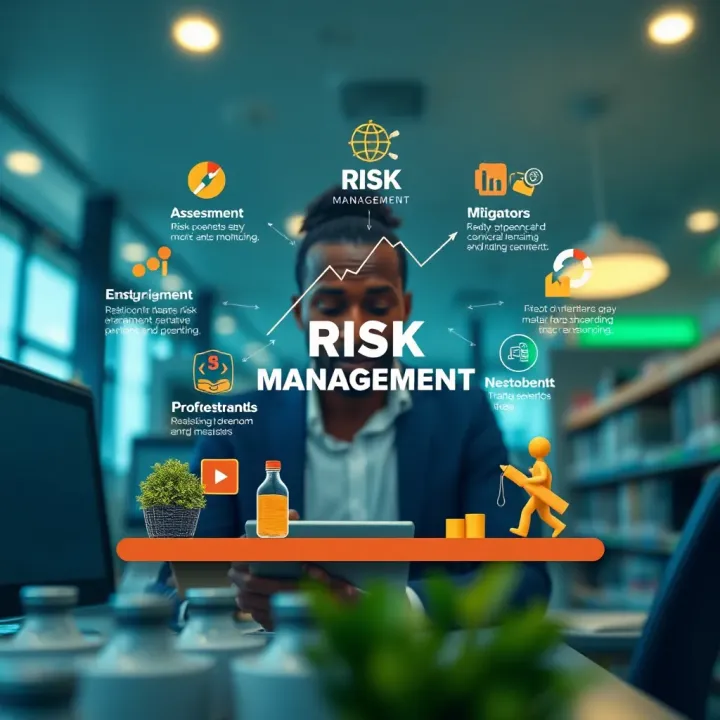
Project managers overseeing large builds or tech deployments benefit most since the course trains candidates to spot risk triggers early and respond efficiently. For example, managing a construction site in Lagos involves risks like funding delays or supply shortages; PMI-RMP equips professionals with strategies to manage and communicate these risks.
Applicants usually need a secondary degree with 3,000 hours of project risk management experience or a four-year degree with 4,500 hours in the field, plus 40 contact hours of formal education. The exam tests knowledge through scenario-based questions, ensuring candidates can apply principles in complex Nigerian project settings.
FRM, from the Global Association of Risk Professionals, delves deeply into market, credit, operational, and liquidity risks. Nigerian traders and banking professionals face unique financial risks like FX fluctuations and non-performing loans, making FRM ideal for understanding these financial exposures.
FRM is highly regarded by Nigerian banks like GTBank, Access Bank, and fintech firms such as Paystack and Flutterwave, where risk assessment is critical. Holding FRM can open doors to roles focused on asset management, credit risk, or compliance.
The FRM exam divides into two parts with a heavy focus on quantitative analysis and risk models. Preparation benefits from using local examples—like the impact of naira depreciation or fuel price shocks—to grasp concepts better. Enrolling in study groups or training centres in Lagos or Abuja that incorporate Nigerian market case studies can improve pass rates.
Nigeria has started developing homegrown courses tailored to its regulatory and business environment. Some universities and professional bodies offer certification focused on risk in sectors like oil and gas, telecommunications, and agriculture. These programmes address challenges like supply chain disruptions, compliance with Nigerian laws, and socio-political risks.
Certifications endorsed by Nigerian bodies such as the Securities and Exchange Commission (SEC) or the Nigerian Deposit Insurance Corporation (NDIC) carry significant weight. They ensure practitioners meet Nigeria-specific risk controls and governance standards.
Beyond certifications, Nigerian risk professionals can attend regular workshops by institutions like the Risk Management Association of Nigeria (RIMAN) or local chapters of global institutions. These events keep practitioners updated on changing regulations, technological advances, and emerging threats, which are frequent in Nigeria’s dynamic market.
Practical reminder: When choosing a certification, look for one blending international standards with Nigerian realities. This balance equips you to manage risks effectively at home while maintaining global professional credibility.
Selecting the right certification depends on your career focus—whether it’s general risk management, projects, finance, or local regulations—and your long-term goals within Nigeria’s unique economic landscape.
Selecting the right risk management certification can shape your professional journey and open doors in Nigeria’s competitive market. It's not just about obtaining a certificate; it's about aligning the qualification with your career path and the industries you want to impact.
Every industry in Nigeria faces different types of risks. For example, financial risk management skills are essential for professionals working with banks, fintech companies like Paystack or Flutterwave, and insurance firms. On the other hand, supply chain or operational risk expertise might be more relevant in sectors such as oil and gas, manufacturing, or agribusiness. Choosing a certification that fits your sector will deepen your skills where you need them most and make your qualification more useful to employers.
Early-career professionals might pursue entry-level or broad certifications like the Certified Risk Manager (CRM) to build foundational knowledge. Meanwhile, those with years of experience could consider advanced certifications such as the Financial Risk Manager (FRM) or Project Management Institute Risk Management Professional (PMI-RMP) to specialise or move into leadership roles. Recognising where you stand in your career helps target the right certification and avoid spending time and money on courses that don’t match your expertise or goals.
Think about where you want your career to go in the next five to ten years. Are you aiming to move into strategic roles, consultancy, or even start your own risk advisory firm? Choose certifications that offer skill sets aligned with those ambitions. For example, if you want to advise Nigerian SMEs on reducing operational risks, a certification with a broad operational risk focus might suit you better than one centred on financial instruments alone.
Training for certifications can be costly, especially with international programs. Materials, exam fees, and study programmes add up, which can be a challenge for many Nigerian professionals. It’s wise to look for certifications with accessible, affordable training options. Some online platforms also offer Nigerian case studies, which enhance relevance and value. Local training centres in Lagos and Abuja sometimes provide affordable group sessions that could be worth exploring.
Certification value varies in recognition across Nigerian industries. For instance, FRM holds significant weight in banks and fintechs, while the CRM or PMI-RMP might be better respected in manufacturing or project-heavy sectors. Research what employers in your target sector prefer. Certifications endorsed by Nigerian bodies or linked with global standards tend to attract more respect and open more doors locally and internationally.
Consider how much time you can commit to studying. Some certifications, like PMI-RMP, require extensive preparation and experience, while others offer faster tracks. Balancing exam difficulty with your available study time and current workload is crucial. Realistically, a young trader juggling the volatile Lagos market might need a flexible, self-paced course, whereas a corporate risk analyst could carve out consistent time for a rigorous certification.
Choosing the right risk management certification is a strategic move. Taking the time to assess your industry, career stage, goals, and practical constraints ensures you invest wisely in advancing your career in Nigeria’s dynamic business world.
Risk management certifications equip Nigerian professionals with skills to evaluate risks logically, even when information is incomplete or unclear. In volatile markets like Nigeria’s, where currency fluctuations, policy shifts, or power outages can occur frequently, certified experts apply structured methods to make better decisions. For instance, a certified risk manager at a manufacturing firm might use scenario analysis to prepare for recurrent fuel scarcity, ensuring production lines keep running despite disruptions.
Effective risk mitigation directly cuts down losses caused by unforeseen events. Nigerian banks and fintech firms that employ certified risk managers often notice fewer incidences of fraud or system downtime because these professionals design controls that anticipate vulnerabilities. A telecom company, for example, could avoid millions of naira lost from network outages by implementing early-warning systems recommended by certified experts.
Various Nigerian regulators such as the Securities and Exchange Commission (SEC) demand robust risk frameworks from financial institutions and listed companies. Having certified risk professionals ensures organisations meet these standards without lapses. Banks with risk-certified staff comply more easily with Central Bank of Nigeria (CBN) directives relating to credit risk or operational risk management, avoiding penalties and reputational damage.
Growth in sectors like banking, oil and gas, telecoms, and capital markets increases demand for skilled risk managers. Nigerian businesses, faced with operational and economic uncertainties, increasingly seek certified experts to reduce exposure. This surge in demand translates to abundant job opportunities for certified individuals, especially in Lagos, Abuja, and Port Harcourt.
Certified risk managers find roles as compliance officers, credit risk analysts, investment analysts, and project risk specialists. Industries ranging from banking and insurance to oil servicing and government agencies give preference to applicants with certifications like FRM or PMI-RMP. For example, a fintech startup in Lagos might prioritise hiring a certified risk professional to safeguard customer data and payment systems.
Certified professionals tend to attract better salaries and enjoy more stable roles. Banks and multinationals in Nigeria offer higher pay packages to those with recognised risk credentials, seeing them as assets who reduce costly surprises. Moreover, certification signals commitment and expertise, which boosts career longevity amid economic shifts, especially during challenging ember months.
Risk management certifications not only sharpen your skills but also enhance your value in Nigeria’s ever-changing business environment, opening doors to better roles and increased earnings.
This blend of practical risk skills with local relevance makes these certifications invaluable for professionals and organisations aiming to thrive in Nigeria’s complex market.
Securing a risk management certification is just the start; preparing thoroughly and keeping the certification valid are just as vital. For Nigerian professionals, the investment in time and resources must translate to real-world expertise that improves risk mitigation and decision-making within local contexts. Proper preparation equips candidates with the knowledge to confidently pass exams and apply principles in industries often marked by volatility, such as oil and gas, banking, and agriculture.
Recommended training centres and online platforms in Nigeria
Several reputable training centres in Lagos, Abuja, and Port Harcourt offer courses tailored for risk management certifications. Institutions like the Lagos Business School and the Institute of Risk Management Nigeria provide face-to-face classes that focus on Nigerian regulations and case studies. Besides, online platforms such as Coursera and Udemy host courses from global providers, allowing busy professionals in Nigeria to learn flexibly without the need for travel. Local fintechs like Paystack and Flutterwave also partner occasionally with training providers, offering webinars relevant to Nigeria’s financial risk environment.
Use of local case studies and scenarios
Applying risk management concepts to Nigerian-specific situations aids comprehension and relevance. For instance, studying the risk mitigation strategies employed by Nigerian banks during exchange rate volatility or analysing operational risks at power generation plants helps candidates connect theory with familiar realities. Incorporating case studies involving challenges like supply chain disruptions due to danfo strikes or regulatory changes from Nigerian agencies makes learning practical and relatable.
Time management tips for busy professionals
Balancing work, family, and studies can be daunting. It’s advisable to map out study sessions during less hectic periods, such as weekends or after office hours. Breaking down syllabuses into manageable chunks and setting clear weekly goals prevent last-minute cramming. Tools like digital calendars and study apps can help track progress. For traders and analysts, recognising periods of lower market activity can free up study time without affecting job performance.
Maintaining certification validity
Most risk management certifications require periodic renewal, often every two to three years, to ensure holders stay current with industry developments. This process typically involves earning Continuing Professional Development (CPD) credits through approved activities. Nigerian regulatory bodies and professional associations often provide CPD opportunities tailored to local risk realities, helping professionals meet renewal criteria without travelling abroad.
Opportunities for Nigerian workshops and seminars
Various bodies organise workshops and seminars focused on risk management topics relevant to Nigeria. These events are excellent for networking and learning about recent regulatory updates or technological advancements. For example, seminars on new CBN risk guidelines or EFCC compliance measures offer practical insights. Attending these sessions can earn CPD credits required for certification maintenance.
Staying updated with industry developments
Risk environments evolve, especially in Nigeria’s dynamic economy. Professionals must keep an eye on shifts in monetary policy by the Central Bank of Nigeria, changes in sector regulations, or emerging risks from digital payment platforms like OPay and PalmPay. Subscribing to industry publications and joining risk management forums aids continuous learning. This proactive approach not only meets certification requirements but also strengthens practical competence.
Successful preparation and certification maintenance are investments that pay off in increased job security, better risk control, and stronger professional reputation within Nigeria’s competitive market.
📊 Discover how risk management shields your business assets, cuts costs, improves choices, and builds trust for lasting success in Nigeria's market.

📈 Discover how beginners in Nigeria can pick the best stock trading app with tips on features, security, costs, and easy steps to start investing today! 🇳🇬

Discover how Nigerian traders can pick the perfect Forex app ✅ Explore features, security, costs & get tips to trade smarter in Nigeria 🇳🇬📈

📈 Learn forex trading basics in Nigeria with this clear guide! Understand market terms, risk tips, broker choices, and how to create a trading plan.
Based on 13 reviews