
How to Sign Up for Forex Trading in Nigeria
Ready to start forex trading in Nigeria? Learn how to pick the right broker, register your account, fund it securely, and follow local rules confidently 📈💹
Edited By
Mia Richardson
For many Nigerians, forex trading represents an opportunity to earn extra income or build wealth through the global foreign exchange market. Yet, starting out can be tricky if you don’t know where or how to begin. This guide aims to clear that fog by walking you through the essentials of signing up for forex trading in Nigeria.
Unlike local market investments, forex trading involves buying and selling currencies like the US dollar, euro, or pound against the Nigerian naira and others worldwide. The market runs 24/5, offering plenty of chances, but you must take careful steps to avoid pitfalls and scammers.
One of the first and most important steps is selecting a broker. Your best bet is to choose a broker regulated by credible authorities such as Nigeria’s Securities and Exchange Commission (SEC) or international bodies like the Financial Conduct Authority (FCA) in the UK. Regulated brokers give you a layer of protection and assure you that your deposits won’t suddenly disappear without a trace.
Once you have picked a broker, you’ll need to register on their platform. This usually involves filling out personal details, providing identification – including a valid means of ID (national ID card, international passport, or driver’s licence), and sometimes verifying your address. These steps follow Know Your Customer (KYC) guidelines which protect both trader and broker.
Funding your trading account typically requires more than just bank transfers. Many Nigerian traders prefer using local payment methods such as USSD codes provided by banks, e-wallets like Opay and PalmPay, or platforms like Paystack and Flutterwave. These make deposits and withdrawals faster and cheaper compared to international bank wires.
Keep in mind, never rush to fund an account or start trading without verifying your broker’s credentials and reading their terms carefully. Be wary of promises of guaranteed profits or extremely high leverage offers, which usually end in losses.
Starting forex trading in Nigeria means understanding local and global factors influencing currency values, bridging your tech tools, and knowing how to execute trades wisely. This clear process of broker selection, registration, and funding will give you a sound foundation to trade confidently and avoid common traps.
Forex trading, or foreign exchange trading, involves buying and selling currencies to make a profit from their changing values. It is the largest financial market worldwide, with daily trading volume exceeding US$6 trillion. For Nigerians, forex trading offers a few clear advantages, such as accessibility via smartphones, potential for quick returns, and availability even outside conventional banking hours.
Forex trading means exchanging one currency for another at a specified rate. Traders speculate on whether a currency will strengthen or weaken against another. For example, if a trader believes the US dollar will rise against the Nigerian Naira, they can buy dollars and sell them later for a profit. The market operates 24/5, which fits well with the Nigerian lifestyle where internet access and mobile platforms make entry easy.
Many Nigerians see forex trading as a chance to diversify income beyond local business or job constraints. The appeal is strong especially in times when the naira is volatile or inflation rises. With just ₦10,000 or less, you can start trading, thanks to brokers offering micro accounts. Plus, the market’s flexibility lets Nigerians trade from anywhere—in Lagos traffic, at a mama put, or even during power outages with a simple generator.
Besides, the growth of fintech platforms like Paystack and Flutterwave has simplified funding and withdrawals, attracting new traders. Some Nigerians also view forex as a skill to master, not just a quick way to make money—learning chart analysis and economic factors opens doors to smarter investing.
Forex trading isn’t a guaranteed path to wealth. The market moves fast and unpredictably, meaning losses can come just as quickly as profits. For example, sudden political events or CBN policy changes often cause sharp currency swings. Without proper risk management—like setting stop-loss orders—new traders can lose their entire capital.
However, with discipline, continuous learning, and choosing reputable brokers, traders can limit risks and increase chances of success. It’s worth understanding leverage; this tool can magnify your gains but also your losses.
Remember, forex trading requires patience, a clear strategy, and must be approached as a serious business rather than gambling.
In summary, understanding forex basics and the underlying appeal helps Nigerian traders set realistic expectations. It prepares them for both the opportunities and challenges ahead as they enter this dynamic market.
Choosing the right forex broker is a big step for Nigerians interested in forex trading. Your broker acts as the bridge between you and the global currency market, so getting this part right can make a huge difference to your trading experience, potential success, and security. For Nigerian traders, this means finding brokers who understand local realities, comply with Nigerian regulations, and offer reliable platforms suited to our everyday lifestyle and technology use.
In Nigeria, the Central Bank of Nigeria (CBN) and the Securities and Exchange Commission (SEC) regulate financial institutions and capital markets respectively. While forex brokers may operate internationally, working with those registered or recognised by either CBN or SEC adds a layer of trust and protection. This oversight helps prevent scams and fraudulent practices which have been issues in the local market.
The practical benefit here is straightforward: a broker compliant with CBN or SEC rules facilitates safer transactions and better dispute resolution. For instance, brokers that abide by local rules are more likely to support Nigerian payment channels and currency conversions, reducing risks linked to naira volatility.
Besides local regulation, many Nigerian traders look at brokers supervised by international bodies, such as the Financial Conduct Authority (FCA) in the UK or the Australian Securities and Investments Commission (ASIC). These global regulators have stringent rules on client fund security, transparent trading practices, and fair market conduct.
Using a broker regulated abroad provides access to advanced trading standards and sometimes better protection funds in case of broker insolvency. However, Nigerian traders should still ensure these brokers permit Nigerian clients and offer payment options compatible with the Nigerian banking system.
Given Nigeria’s internet infrastructure and high mobile phone penetration, having a responsive mobile trading platform is crucial. Platforms like MetaTrader 4 and MetaTrader 5 are popular because they work smoothly on both mobile devices and desktops, allowing Nigerians to trade anytime, even during commutes in a danfo or while waiting at a mama put.
A good platform should load quickly, have an intuitive interface, and integrate real-time charts and quotes without glitching during peak times. Remember, slow or unreliable platforms can lead to missed chances or unexpected losses.
Nigerian traders benefit especially from platforms offering diverse order types beyond the simple market and limit orders. Stop-loss, take-profit, and trailing stops help manage risks without the need to watch the market constantly. For example, with recent naira fluctuations, an effective stop-loss order can prevent major losses during sudden currency swings.
Plus, access to technical indicators, news feeds, and economic calendar tools within the platform support informed decisions. Brokers offering these features make it easier to develop trading strategies suited to local market conditions.
Forex markets operate 24/5, but having customer support that aligns with Nigerian working hours (West Africa Time, WAT) is a real advantage. Immediate assistance during trading hours can help solve issues with deposits, platform glitches, or withdrawal requests.
A broker with support active during Nigerian business hours reduces downtime and confusion. For example, if a trader hits a snag at 11 am WAT and can’t reach anyone for hours, their trading can suffer unnecessarily.
Clear communication matters, especially for beginners. Brokers offering support in English with quick response times ease the learning curve. It also avoids misinterpretations around trades or account issues.
Responsive customer service through multiple channels—live chat, phone, email—and staff familiar with Nigerian trading challenges, including local payment delays or documentation needs, gives traders confidence and reduces friction.
Choosing a forex broker is not just about the lowest fees or fancy platforms; it's about securing your funds, accessing reliable tools, and having support when you need it most in Nigeria’s unique trading environment.
Signing up for a forex trading account is the stepping stone to entering the global currency market. For Nigerian traders, this process demands attention to detail, as brokers require specific documents and verifications before you can start trading. Getting your registration right avoids delays and gives you a firm footing to trade confidently.
Every reputable forex broker asks for valid identification to confirm who you are. This usually means submitting a government-issued ID such as your National Identity Card (NIN card), International Passport, or Driver’s Licence. These documents help brokers comply with anti-money laundering (AML) and know your customer (KYC) rules, which protect both the trader and the platform.
For example, if you use your NIN card, ensure the details are clear and the photograph is visible to prevent rejection. Brokers may request coloured scans or pictures of your ID, so it’s best to provide high-quality copies. When Nigerian verified accounts are involved, this verification step has become more stringent since the Central Bank of Nigeria (CBN) and Securities and Exchange Commission (SEC) have tightened regulatory oversight.
Besides your ID, brokers ask for proof that you live where you say you do. Documents like utility bills (electricity, water, or internet), bank statements, or official government letters dated within the last three months usually suffice. The goal is to reduce fraud and comply with local and international regulations.
For instance, if your name appears with a Lagos Electricity Distribution Company (DisCo) bill showing your home address, that will typically be accepted. Make sure these documents match the address you provided during registration; mismatched details often result in account delays or outright refusal.
Once you've uploaded your documents, the broker’s compliance team reviews them carefully. This verification process usually takes between 24 to 72 hours, depending on the broker. If any document is unclear or missing, they will contact you to provide the correct information. This step ensures your account is secure and ready for trading.
Remember that rushing this process can cause frustration. Some brokers do faster verification but may compromise security, which is a red flag. Verified accounts benefit from smoother deposit and withdrawal procedures and better protection against fraud.
After approval, you move on to fine-tuning your trading profile. This includes selecting your account type (standard, mini, or Islamic account), base currency (often USD or NGN), and leverage level. For Nigerians, leverage settings are critical to manage risk because high leverage means higher potential losses.
You will also set your preferred trading platform—Metatrader 4, Metatrader 5, or web-based interfaces are common—and configure any notifications or risk management tools. At this stage, it’s wise to update your contact details and set a secure password.
The registration and verification stages build the foundation of your forex trading journey. Proper preparation, including gathering valid personal documents and proof of address, avoids unnecessary hold-ups. Always ensure you deal with regulated brokers who respect these procedures to protect your funds and data.
Taking these steps seriously will have you ready to trade without worry, focusing on strategies instead of paperwork.
Funding your forex account is an essential step before you can start trading effectively. In Nigeria, understanding the most practical and secure payment methods not only saves you time but also ensures your funds are available quickly without unnecessary charges. Given the fluctuations in the naira-dollar exchange rate and practical challenges like banking hours and network downtime, choosing the right deposit method matters a lot for your trading experience.
Bank transfers remain a favoured option among Nigerian traders because they are straightforward and widely accepted by most forex brokers. You can use internet banking or visit your local bank branch to initiate transfers. However, the traditional process can be slow, especially during ember months when banking networks get congested. To avoid this, many Nigerians turn to USSD banking codes like *737# or *894#, which provide instant, secure payments without internet access. For example, a trader might fund their forex account from a GTBank or Zenith Bank USSD menu, bypassing delays often seen with online banking licenses.
Mobile money platforms and e-wallets such as OPay and PalmPay offer a quick and flexible alternative for forex deposits. These platforms cater not only to smartphone users but also those relying on basic phones, providing excellent accessibility across Nigeria’s diverse geography. Funding a forex account through OPay can be as simple as transferring from your mobile wallet to the broker’s designated account, eliminating the need for traditional banks and reducing downtime. This option is particularly useful during periods of power outages or poor internet connectivity when accessing full online banking might be difficult.
Forex trading demands deposits in foreign currencies, most commonly the US dollar. The naira-dollar exchange rate directly affects how much you get to trade with after converting your naira. If the rate is unfavourable, you might lose trading power before even starting. For instance, a trader depositing ₦1,000,000 when the dollar rate is ₦750 per $1 gets about $1,333. However, if the rate lowers to ₦820, the same naira amount only buys around $1,220. Monitoring exchange rates and choosing the right time to convert can help you retain more value in your trading capital.
Many Nigerian traders rely on licensed forex bureaux and online currency exchange services to convert naira to dollars at competitive rates. Some brokers partner with these services to offer direct funding in dollars, simplifying the process. Using reputable forex bureaus with valid licences from the Central Bank of Nigeria (CBN) reduces risks of scams or unfair rates. Online platforms with real-time quotes can also notify you of favourable rates, so you can time your conversion properly. Leveraging these helps bypass banks, which often have stricter fee structures and less convenient access.
Withdrawing profits from your forex account is as important as funding it. Nigerian traders must confirm the withdrawal options their broker provides, including methods, any applicable fees, and processing times. Some brokers allow direct transfers to Nigerian bank accounts, while others may require withdrawals in dollars via international wire transfer. Processing times can range from a few hours to several business days, influenced by regulatory checks and banking operations. Always factor in withdrawal timelines when planning your trading strategy and cash flow to avoid surprises.
A practical approach to funding and withdrawing is vital for consistent trading. Knowing the safest and fastest ways to handle money in and out keeps you focused on trading, not payment headaches.
Being aware of these payment considerations equips you to fund your forex account with confidence and flexibility in the Nigerian context.
Starting forex trading is the turning point where knowledge meets action. For Nigerian traders, this phase demands sharp focus and practical tools to turn strategies into actual profits, while keeping risks manageable. Properly monitoring your trades helps you learn from successes and mistakes, preventing costly repetition and building confidence over time.
Before putting real money on the line, it's wise to test your strategies on demo accounts. These accounts simulate real market conditions but use virtual funds, allowing you to familiarise yourself with trading platforms and understand how market fluctuations affect your positions. For example, OANDA and XM offer demo platforms favoured by Nigerian traders. Practising on a demo account helps sharpen decision-making without exposing you to losses. You can try various trade sizes, orders, and instruments like USD/NGN or EUR/USD pairs until you develop a comfortable rhythm.
Beginners should keep their strategies simple. One common approach is trend trading, where you follow the general market direction — buying when prices rise and selling when they fall. For instance, if the US Dollar is steadily gaining against the Naira due to economic news, you might open a long position anticipating further gains.
Another straightforward method is range trading, where you identify support and resistance levels and buy near the support, sell near the resistance. It’s useful in less volatile sessions typical during Nigerian market holidays.
Applying stop-loss orders is also vital; this limits your losses if the market goes against you. Starting with small trade sizes and patiently growing your exposure helps avoid rash decisions influenced by emotion.
Keeping a trading journal is a practical way to track your progress. Record key details: entry and exit points, trade size, profits or losses, and your mood or market conditions during the trade. Reviewing this regularly uncovers patterns — like which strategies work best or when emotional trading clouds judgment.
Risk management must be routine. Set limits on how much of your total capital you risk per trade — often suggested under 2%. Use take-profit orders to secure gains without constantly watching the screen. Nigerian traders should also factor in naira fluctuations and potential delays in withdrawals when planning.
Tracking and managing your trades isn’t just about numbers; it’s about learning and evolving. Over time, this disciplined approach builds the foundation for consistent profits and greater control over your financial future.
Starting forex trading with patience and sharp monitoring equips you to handle market twists more confidently. By practising on demo accounts, adopting simple strategies, and vigilantly tracking each move, you move beyond guessing into calculated decision-making, the mark of a serious trader.
Ready to start forex trading in Nigeria? Learn how to pick the right broker, register your account, fund it securely, and follow local rules confidently 📈💹
Find the best forex trading app for Nigerians 🇳🇬 with key tips on features, security, and how to boost your mobile trading game for better ₦ gains.
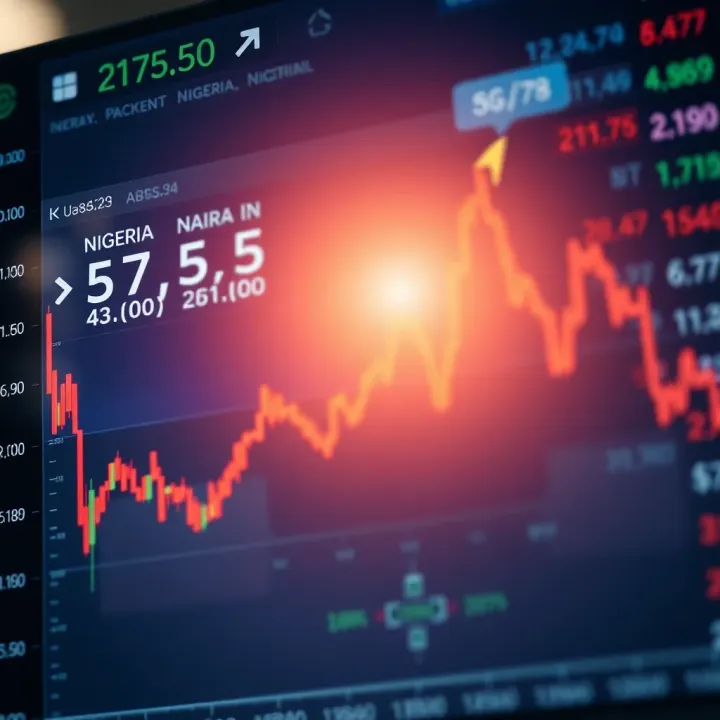
Learn how to start forex trading in Nigeria safely 🇳🇬. Understand currency factors, pick the right brokers, manage risks, and navigate local regulations. 💹
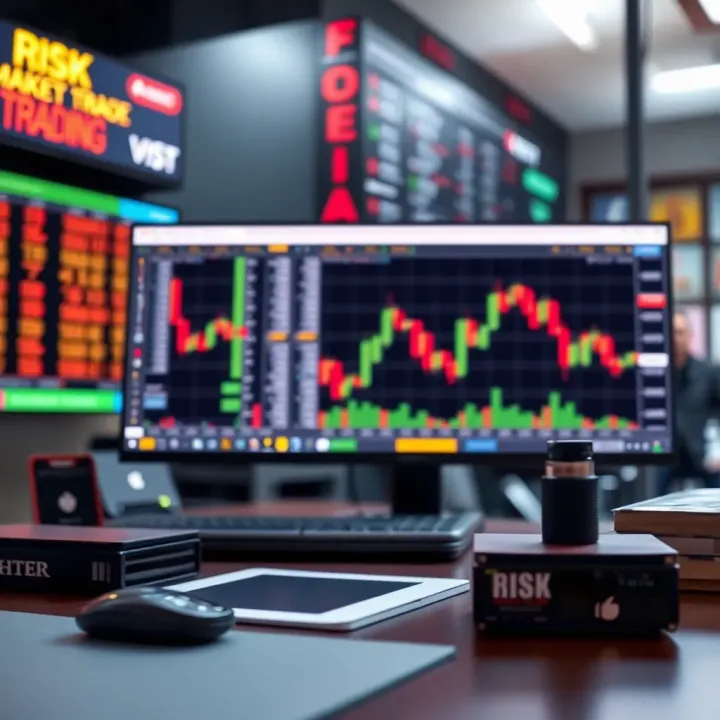
Discover how to profit from forex trading in Nigeria 🇳🇬 by choosing the right brokers, smart strategies, and solid risk management to grow your ₦ safely.
Based on 9 reviews