
How to Learn Forex Trading in Nigeria: A Beginner's Guide
Learn forex trading in Nigeria with clear steps on basics, strategies, and risk management. Build skills fit for our market and start earning ₦ in the forex world 💱📈
Edited By
Oliver Bennett
Forex trading has steadily gained attention in Nigeria, attracting traders, investors, and entrepreneurs eager to tap into the world's largest financial market. However, many beginners stumble because they lack a practical roadmap tailored to Nigerian realities—such as platform reliability, currency risks, and local regulations. This introductory part sets a foundation for understanding forex trading with a focus on the Nigerian experience.
Forex, short for foreign exchange, involves buying and selling currencies to profit from their price fluctuations. Unlike buying shares in the NSE (Nigerian Stock Exchange), forex operates 24 hours across global financial centres—ideal for those balancing trading with day jobs or other businesses.
To effectively learn forex trading, start with these essentials:
Understand the basics: Familiarise yourself with key terms such as pips, lots, leverage, and margin. For example, if USD/NGN rises from 410 to 412, that 2-unit move is a 200-pip gain.
Know the market dynamics: Factors like Nigeria's economic indicators, CBN forex policies, oil price shifts, or US Federal Reserve decisions influence currency pairs involving naira.
Pick trustworthy platforms: Not all brokers servicing Nigerian clients have good regulation or transparent operations. Firms regulated by recognised authorities such as the Financial Conduct Authority (FCA) or the Nigerian SEC are generally safer bets.
Practical learning beats theory alone. Start with demo accounts on platforms like FXTM or OctaFX. Practice placing trades, managing stops and limits, then move to real betting with small ₦ amounts once confident.
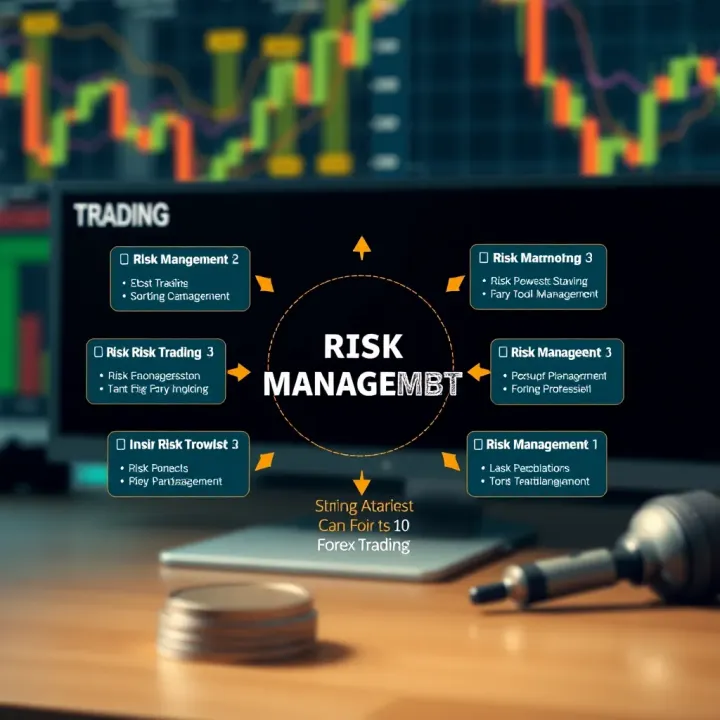
Besides technical know-how, risk management is vital. Use stop-loss orders to limit losses, never risk more than 1-2% of your trading capital per trade, and avoid chasing losses—a common trap in Nigerian trading communities.
By focusing on these foundational steps, you can build confidence and avoid costly mistakes common among beginners. Next, we'll explore selecting the right forex platforms and tools suited for Nigerian traders.
Understanding the basics of forex trading is essential for anyone aiming to step into the currency market confidently. This foundation helps you navigate complex market movements, avoid costly mistakes, and make informed decisions that can protect your capital. For Nigerians, where the naira’s volatility and global economic shifts often influence trading, mastering the basics is more practical than ever.
Forex trading, simply put, involves buying and selling currencies against one another. It’s a global marketplace where currencies like the US dollar, euro, or naira are exchanged. The market runs 24 hours during weekdays, reflecting the constant economic activities worldwide. Imagine a trader in Lagos exchanging naira for US dollars, hoping to profit when the naira weakens or strengthens.
The forex market operates as an over-the-counter (OTC) market, meaning trades happen directly between parties without a central exchange. This setup allows traders to execute deals anytime from New York to Lagos, making it highly liquid. Banks, corporations, governments, and individual traders all participate, providing constant price fluctuations driven by supply and demand.
Nigeria relies heavily on foreign trade and oil exports, so understanding forex is not just about trading but grasping economic health. For example, a sharp change in the oil price can affect the naira’s value and, consequently, trading decisions involving the NGN/USD pair.
The main currency pairs usually traded include the majors like EUR/USD, USD/JPY, and GBP/USD, but for Nigerian traders, pairs involving the naira such as USD/NGN and EUR/NGN are vital. These pairs reflect direct economic ties, and their movements offer opportunities and risks unique to the Nigerian context.
Knowing key terms like pip, lot, spread, and leverage is crucial because these measure how trades are placed and profits or losses calculated. A pip is the smallest unit in forex, often 0.0001 of a currency pair’s price. For instance, if USD/NGN moves from 460.0000 to 460.0100, that's a 1 pip movement.
A lot represents the trade size, commonly 100,000 units of the base currency for a standard lot. Smaller lot sizes exist and are useful for beginners to limit exposure. The spread is the difference between the buy (ask) and sell (bid) price; tighter spreads mean less cost for entering and exiting trades, especially important when trading frequently.
Leverage allows you to control larger positions with a smaller amount of capital — for example, using 50:1 leverage means ₦1,000 can control ₦50,000 worth of currency. While this can boost gains, it also increases risks, especially if the market moves against you.
Understanding bid and ask prices is key. The bid price is what buyers are willing to pay, while the ask price is what sellers want. The spread arises here. Proper trading means buying at the ask and selling at the bid to earn profits.
Margin is the collateral needed to open a leveraged position, meaning you only need part of the full amount upfront. A margin call happens if your losses push your margin below required levels, prompting your broker to demand more funds or close your position to prevent further loss. For instance, if a trader ignores margin calls, their account can wipe out quickly, a common trap for novices.
Grasping these terms and mechanisms helps you handle trades prudently, manage risks, and avoid surprises, which is crucial in Nigeria's fluctuating forex environment.
This knowledge also prepares you for using trading platforms effectively and assessing your broker’s offers. Without these basics, even the best strategies may falter. Start here and build steadily for longer-term trading success.
Selecting the right forex trading platform is a key step for any Nigerian trader aiming to succeed. The platform acts as your bridge to the forex market, so it must be reliable, user-friendly, and tailored to your needs. A poor platform choice can slow down your trades, result in higher costs, or even expose you to fraud. Traders should focus on several factors, including broker reliability, fees, and convenient access, to get the best value.
A core element of a trustworthy broker is proper regulation and licensing. Nigerian traders should choose brokers licensed by reputable authorities like the Financial Conduct Authority (FCA) in the UK, the Cyprus Securities and Exchange Commission (CySEC), or regulators approved by the Securities and Exchange Commission (SEC) Nigeria. Regulation offers some level of protection against malpractice and ensures brokers follow certain operational standards.
Though some brokers claim to operate from Nigeria or nearby regions, verifying their regulatory status can save you trouble later. For example, a regulated broker must keep client funds separate from business funds, reducing the risk of theft or mismanagement. Without such safeguards, you might risk losing your money entirely.
Fees vary widely across brokers and can seriously affect your profitability. These fees come in different forms—spreads (the difference between buy and sell prices), commissions per trade, or inactivity charges. For instance, some brokers might offer a tight spread on the major pairs like EUR/USD but charge a commission per trade, while others bundle fees in wider spreads.
Nigerian traders should carefully assess fee structures by comparing brokers. A very low-cost broker might compensate with hidden fees or poorer service. Consider your trading style: if you trade frequently, low spreads and commission-free trades become more important. On the other hand, occasional traders may prioritise straightforward fee plans that avoid surprise charges.
Good customer support can save you stress, especially when technical or financial issues arise. Brokers with 24/7 support covering multiple channels—phone, live chat, email—are preferable. Also, support offered in English and local languages is a plus for Nigerian users.
Take note of the broker's responsiveness and willingness to resolve complaints. Imagine trying to withdraw your profits or correct a trading error; unhelpful or slow support could cost you more than just time. Before committing, test their customer service by asking specific questions or reporting fake issues to gauge their professionalism.
MetaTrader 4 (MT4) and MetaTrader 5 (MT5) remain the most widely used platforms in Nigeria. They offer a balance of simplicity and power, helping both beginners and experienced traders execute trades smoothly. MT4 focuses mainly on forex but supports basic charting and automated trading via Expert Advisors (EAs). MT5 adds features like more asset classes (stocks, commodities) and enhanced analytical tools.
Both platforms provide reliable charts, real-time data, and risk management tools. However, some brokers offer only one option, so Nigerian traders should confirm availability based on their preferences.
Besides global brands, some brokers develop or support platforms suited to Nigerian users' realities. These platforms integrate local payment options—like bank transfers, USSD payments, or mobile money—which makes deposits and withdrawals easier amid Nigeria’s unique banking challenges. For example, a Nigerian-friendly platform might allow you to fund your account using your BVN-verified bank details or through popular mobile wallets.
Additionally, platforms tailored for Nigerians often provide timely customer support and educational content sensitive to the local market. This practical touch helps traders make better decisions amid Nigeria’s economic volatility and naira exchange rate fluctuations.
With smartphone use booming in Nigeria, mobile forex trading is now a necessity, not a luxury. Platforms with well-designed mobile apps let you trade from anywhere—even on the go in a danfo or during power outages when you rely on mobile data.
Apps like MetaTrader Mobile, plus those by local fintech brokers, offer real-time quotes, instant execution, and alerts. This flexibility can make the difference when markets move fast. Nigerian traders should look for apps that are light on data usage and battery-friendly due to unstable power and costly internet.
Choosing the right platform is where many Nigerian traders set their pace. Investing time to pick a broker and platform that meet your needs protects your funds and boosts your trading confidence.
Starting forex trading without a solid foundation is like trying to drive a danfo without knowing the routes — you’ll likely get lost or crash. Building a strong base in forex involves understanding the market, learning strategies, and practising consistently. This process arms you with knowledge and confidence, helping you navigate volatile markets and avoid costly mistakes.
Online courses and tutorials offer structured learning paths from basics to advanced concepts. Many platforms provide video lessons, quizzes, and live demonstrations that cater to different learning speeds. For instance, Nigerian beginners can benefit from courses that focus on forex nuances applicable to local market conditions, such as naira volatility and local broker regulations. This makes learning more relevant and practical.
Forex trading books and articles add depth to your understanding, allowing you to explore strategies and market psychology at your own pace. Books like "Currency Trading for Dummies" or articles from Nigerian financial news sites can explain complex ideas in accessible language. Moreover, reading regularly helps you catch updates on market trends, which is crucial since forex is influenced by global and local events.
Local workshops and webinars create opportunities to connect directly with experts and fellow traders. Events organised by fintech firms or trading academies in Lagos, Abuja, or Port Harcourt often provide hands-on sessions tailored to Nigerian traders. Such interactions help clarify doubts and offer real-time insights, which online learning alone might not provide. Plus, engaging with a local community boosts morale and encourages disciplined trading.
Practising on demo accounts is like rehearsing before the main show. Demo accounts simulate real forex trading without risking your money, allowing you to test strategies and learn the mechanics of trading platforms. This experience is invaluable because it builds familiarity with order execution, chart analysis, and market timing. Many brokers, including those popular in Nigeria, offer free demo accounts with virtual funds.
Transitioning from demo to live trading requires cautious steps. First, apply lessons learned from your demo experience but start with small stakes. This helps you manage emotions and understand that real money trading involves psychological pressure absent in demo sessions. Always set limits on daily losses and profits to avoid reckless trades. Over time, increase your investment as you build confidence, discipline, and consistency.
Taking time to learn and practise thoroughly with reliable resources and demo trading is the bedrock of successful forex trading. It saves you from jumping into the market blind and facing hefty losses.
A strong foundation supported by consistent education and practical practise empowers you to approach forex trading not as a gamble but as a calculated investment activity, especially within Nigeria's unique financial environment.
Mastering trading strategies and managing risks are essential for consistent success in forex trading, especially for Nigerian traders dealing with volatile markets. Without a solid strategy, you may end up reacting emotionally, leading to losses. Effective risk management, on the other hand, helps protect your capital so you can trade another day. Together, these skills sharpen your decision-making and turn trading from guesswork into a disciplined activity.
Trend following involves identifying the direction of the market—whether it’s moving up or down—and trading along with that momentum. For instance, if the dollar-naira pair shows a steady upward movement over several hours or days, a trend follower would buy expecting the price to keep rising. Breakout strategies work by spotting when the price breaks past established support or resistance levels, signalling a potential strong move. In Nigeria, where news like CBN policy changes or oil price shifts can impact forex trends, spotting breakouts early can be very profitable.
Scalping is about quick, small trades that take advantage of tiny price movements. It’s like catching a danfo at a short distance rather than running after it for hours. Scalpers might close trades within minutes, aiming for small profits that add up. This approach requires discipline and a low spread platform because the costs eat into gains if not managed well. Nigerian traders with limited capital often find scalping a practical way to build experience without risking large sums.
Swing trading holds positions for several days to benefit from shifts in market sentiment or economic news. This strategy suits traders who cannot watch the market all day but want to capture bigger price swings than scalping offers. For example, if Nigerian economic data suggests the naira will weaken over the week, a swing trader might open a sell position and hold it for days, locking in profits as the trend unfolds.
Using stop-loss orders ensures you limit losses if the market moves against you, while take-profit orders lock in gains automatically when a target price is reached. For example, if you buy the euro-dollar at ₦480 to ₦1, you might set a stop-loss at ₦475 to limit loss and a take-profit at ₦490 to secure earnings. This approach prevents emotional decisions, especially when sudden market swings happen during ember months or around key Nigerian economic announcements.
Leverage lets you control large positions with little capital, but it multiplies both profits and losses. Nigerian traders often get tempted to use high leverage to increase returns quickly, but this can wipe out accounts rapidly. It’s wiser to start with low leverage, say 1:10 instead of 1:100, giving you breathing space against volatility. Managing leverage carefully avoids the common pitfall of margin calls and blown accounts.
Diversification spreads risk across various currency pairs or trading styles. For instance, you might trade both USD/NGN and EUR/USD instead of putting everything on one pair. You could combine scalping with swing trades to balance short-term gains with longer holds. By not putting all eggs in one basket, you reduce the chance of significant losses when markets behave unpredictably, like during global shocks or local political events.
Mastering strategies and risk control is not optional but necessary. With clear plans and careful risk limits, Nigerian traders can navigate forex markets with more confidence and less stress.
Staying on top of the forex market and steering clear of common mistakes are essential steps for anyone serious about trading. The forex scene is constantly shifting, influenced by global events, economic data, and local Nigerian factors. Traders who stay informed can anticipate changes rather than react to surprises, which is key to protecting and growing their capital.
Keeping updated with reliable news sources and economic calendars is critical for timely trading decisions. Economic calendars list scheduled releases such as inflation data, employment numbers, and GDP reports from major economies like the US, Eurozone, and China, which can sharply influence currency movements. For instance, a surprise increase in US inflation data often triggers the dollar to strengthen instantly. Traders using platforms like Bloomberg, Reuters, or Investing.com can track these events closely.
On the Nigerian front, economic happenings like the Central Bank of Nigeria's (CBN) monetary policies or budget announcements affect the naira’s value and the trading environment. Understanding these local factors helps traders position themselves accurately. For example, during times of fuel subsidy removal announcements or election seasons, market volatility rises, and the naira’s exchange rate might fluctuate sharply.
Central bank announcements are among the most watched events in forex trading. The CBN’s decisions on interest rates or liquidity measures directly affect naira demand and supply dynamics. A rate hike by the CBN could strengthen the naira, making it attractive to traders, while a rate cut might do the opposite. Moreover, announcements from global central banks like the Federal Reserve or European Central Bank also ripple into the forex market. Monitoring these helps you adjust your trades in time.
Overtrading is a trap many new traders fall into – it happens when you make too many trades driven by emotion rather than solid strategy. This often leads to bigger losses. For example, after a win, some traders rush to open multiple positions without proper analysis, chasing profit but increasing exposure and risk.
Scams remain a significant threat in Nigeria’s forex space. Some schemes promise guaranteed returns or claim insider knowledge. It’s vital to trade only with brokers registered by Nigerian regulatory bodies or internationally recognised regulators. Avoid platforms lacking clear contact information or those pressuring you to deposit funds quickly.
Ignoring risk management is another major pitfall. Risk management tools like stop-loss and take-profit orders help you limit losses and protect gains. Many beginners overlook these safeguards and end up blowing trading accounts during market swings. Always decide in advance how much you are willing to lose on a trade and stick to that limit.
Keeping abreast of both local and global market news while avoiding emotional and risky behaviours will elevate your forex trading experience and reduce failures.
By understanding these vital aspects and applying them diligently, Nigerian forex traders can navigate the market with more confidence and less chance of costly errors.
Learn forex trading in Nigeria with clear steps on basics, strategies, and risk management. Build skills fit for our market and start earning ₦ in the forex world 💱📈
📈 Master forex trading in Nigeria with this clear, step-by-step guide. Learn market basics, risk control, and build strong strategies to trade confidently and protect ₦. Start smart today!
📈 Master forex trading in Nigeria with this step-by-step guide. Learn essentials, smart strategies, risk management, and top platforms. Download helpful PDFs now!
💱 Wondering if forex trading in Nigeria is a scam? Learn how currency trading works, spot common scams, and trade safely for genuine profits in the ₦ market.
Based on 10 reviews