
Key Forex Trading Tips for Nigerian Traders
📈 Discover key forex trading tips for Nigerian traders! Learn how to pick reliable brokers, manage risks, and navigate Nigeria's forex regulations safely.
Edited By
Sophia Green
Cryptocurrency trading has grown fast in Nigeria, where many investors look beyond local platforms to global crypto exchanges. These marketplaces connect buyers and sellers from around the world, making them key players in the crypto ecosystem. Nigerian traders need to grasp how these global exchanges work before diving in to avoid surprises.
Global crypto exchanges operate by matching buy and sell orders for various digital assets like Bitcoin, Ethereum, and many altcoins. They provide market pricing, order books, and often sophisticated trading tools. Unlike Nigerian local exchanges which may focus mostly on Naira-pegged pairs, international platforms offer access to a wider range of tokens and higher liquidity.
Beware that not all global exchanges accept Nigerian Naira directly, so users often have to convert from their local bank accounts to foreign currencies or stablecoins first.
Security remains a critical concern. Global exchanges usually employ measures such as two-factor authentication (2FA), withdrawal whitelists, and cold storage of funds. Still, users must be cautious of phishing scams and secure their login details. Choose platforms with solid reputations and transparent track records.
Regulation is another area Nigerian investors should watch carefully. Most global exchanges operate under foreign jurisdictions, so they might not be fully covered by Nigerian regulatory bodies like the Securities and Exchange Commission (SEC). This lack of local regulation increases risks but also offers broader access, albeit with caution.
Here are key points Nigerian traders should focus on before using global exchanges:
Understand funding methods: Know if the platform supports deposit and withdrawal in Naira or requires intermediaries like Paxful or Binance P2P
Check fees: Transaction and withdrawal costs vary widely and impact your profitability
Verify trading pairs: Select exchanges that list tokens you intend to trade
Study platform usability: A smooth user interface reduces errors and trading delays
In summary, global crypto trading exchanges provide a gateway to a diverse range of digital assets and deep liquidity. But Nigerian investors must approach them with careful planning, keeping an eye on currency conversions, security practices, and regulatory nuances to make informed decisions.
Global cryptocurrency exchanges act as digital marketplaces where users around the world can buy, sell, or trade cryptocurrencies like Bitcoin, Ethereum, and many others. For Nigerian investors, these exchanges serve as vital gateways to the global crypto economy, offering access to a wide variety of assets beyond what local platforms might provide. Understanding their nature and operations is key to making informed investment decisions.
Crypto exchanges function similarly to traditional stock exchanges but deal exclusively with cryptocurrencies. Their main roles include matching buyers and sellers, maintaining order books that list available trading pairs, and providing secure wallets for user assets. They also support functions such as market orders, limit orders, and stop-loss orders. For instance, Binance operates a platform where users can trade Bitcoin against the US dollar or Nigerian Naira, offering liquidity and price discovery.
There are two primary types of crypto exchanges: centralised exchanges (CEX) and decentralised exchanges (DEX). Centralised exchanges operate like conventional businesses, managing users' funds and executing trades within a controlled system. They usually offer better liquidity and customer support but pose risks like hacks or regulatory restrictions. Decentralised exchanges, on the other hand, allow peer-to-peer trading without a middleman, increasing privacy and control but often lacking in user-friendliness and volume.
For Nigerian traders, centralised platforms like Binance and Coinbase are popular because they provide straightforward interfaces and support for Naira deposits through partners. However, some adventurous investors explore DEX platforms such as Uniswap or PancakeSwap for specific tokens not listed elsewhere.
Several global exchanges attract Nigerian users due to their accessibility, security, and variety of cryptocurrencies. Binance is the leading choice, offering Naira trading pairs and local payment integrations. Others include KuCoin, known for its broad selection of altcoins; Kraken, appreciated for strong compliance and security measures; and Huobi, which also supports Nigerian traders with multiple deposit options.
Nigerian investors should prioritise exchanges with transparent fee structures, reliable customer support, and ease of funding their accounts locally. Choosing the right platform not only impacts trading success but also the safety of your investments.
In summary, global cryptocurrency exchanges link Nigerian traders to the international crypto market. Knowing their functions, types, and popular platforms helps you navigate this space confidently and securely.
Understanding how crypto trading operates on global platforms is crucial for Nigerian investors aiming to enter this expanding market. These exchanges serve as the bridge between your naira and global cryptocurrencies like Bitcoin or Ethereum. Knowing how to open and fund accounts, grasp trading pairs, and manage wallets can make the difference between smooth trading experiences and expensive mistakes.
Starting on any global crypto exchange begins with creating an account. Nigerian traders often face challenges due to restrictions on foreign payments and KYC (Know Your Customer) rules. Platforms like Binance, KuCoin, and Kraken require valid identification and sometimes proof of address. After registration, the key is funding your account. Direct naira deposit is rare, so many Nigerians use stablecoins like USDT or USDC as intermediaries. For example, you can buy USDT on local platforms such as Yellow Card or Binance P2P using bank transfer or USSD codes, then transfer to your global exchange wallet.
Moreover, understanding deposit limits and fees linked to your payment method can save you from surprises. Peer-to-peer (P2P) transactions have become popular for Nigerian users looking to circumvent scarce foreign exchange channels.
A trading pair combines two cryptocurrencies or fiat-to-crypto options you can trade, such as BTC/USDT or ETH/BTC. Nigerian investors often start by exchanging stablecoins for popular cryptocurrencies. Knowing your trading pairs helps you pick the most liquid and cost-efficient options.
When trading, you can execute different order types:
Market orders: Buy or sell immediately at the current price.
Limit orders: Set the price at which you want to buy or sell, waiting for the market to reach it.
Stop orders: Trigger a market or limit order when the price hits a certain level.
Each order type has its place. For instance, if you want to grab Bitcoin before the price drops further, a market order might suit you. However, if you want to buy Bitcoin only at ₦15 million, placing a limit order at that price is safer.
Wallets are digital accounts where your cryptocurrencies are stored. Exchanges provide built-in wallets but using external wallets enhances control and security. Bitcoin wallets like Electrum or hardware wallets like Ledger prevent the risk of losing assets if the exchange is hacked.
Deposits into your exchange wallet typically come from other wallets or P2P transactions. Withdrawals transfer funds back to your external wallet or local platforms to convert to naira. Note that withdrawal fees and minimum limits vary, so confirm these before trading to avoid unexpected losses.
Remember: Always double-check wallet addresses and transaction details. Sending funds to the wrong address might mean losing your money for good.
In summary, mastering account setup, funding routes, understanding order types, and managing wallets gives Nigerian investors tangible control over their crypto trading. It’s about combining local financial realities with global online platforms efficiently and safely.
Nigerian crypto traders face unique security and regulatory hurdles when using global exchanges. Understanding these challenges is essential to avoid loss of funds, legal troubles, and scams. Unlike regulated local financial markets, the crypto space operates with varied rules internationally, making it critical for Nigerian investors to be vigilant.
Crypto exchanges remain frequent targets of cyberattacks and fraud. In recent years, platforms like Binance and Bitfinex suffered hacks resulting in millions of dollars lost. Nigerian users, already battling naira volatility and power issues, risk losing investments if exchanges suffer breaches or insider fraud. Phishing scams and fake exchange sites also deceive unsuspecting traders. For example, impersonators on social media sometimes pose as customer care agents to steal login credentials.
Using exchanges without proper security measures significantly raises these risks. Moreover, global exchanges may not recognise Nigerian banks for withdrawals, creating windows for fraudulent intermediaries. Traders relying on third-party sellers for funding accounts sometimes fall prey to scams.
Nigerian regulators like the Central Bank of Nigeria (CBN) have issued cautions and banking restrictions around cryptocurrencies. Since early 2021, Nigerian banks have been barred from facilitating crypto transactions officially, forcing traders to use informal channels or foreign bank accounts. The Securities and Exchange Commission (SEC) Nigeria is working towards a regulatory framework but progress remains gradual.
This uncertain landscape means Nigerian traders must navigate risks of seizure or frozen funds when dealing with local banks. The clampdown also pushes many towards decentralised platforms, which lack oversight and consumer protection. This regulatory gap challenges investors to stay informed and comply with evolving guidelines to avoid penalties.
To protect investments, Nigerian traders should put security first. Here is a practical checklist:
Enable two-factor authentication (2FA) on all exchange accounts to add a layer of security.
Use strong, unique passwords for trading platforms and change them regularly.
Verify URLs and avoid phishing links by bookmarking official exchange websites.
Opt for exchanges with cold wallet storage practices that keep most funds offline.
Limit daily withdrawal limits where possible to reduce theft impact.
Consider hardware wallets for storing large cryptocurrency amounts instead of leaving them on exchanges.
Regularly review account activity and immediately report suspicious transactions.
Nigerian investors gain an edge by combining awareness of regulatory limits with practical security steps to minimise risks. Keeping up with announcements from the CBN, SEC Nigeria, and reputable crypto communities is also vital.
In summary, Nigerian crypto traders must balance opportunities on global exchanges against the risks of hacks, scams, and uncertain regulations. Following sound security practices and staying updated on local rules will help ensure safer trading in this dynamic digital space.
Picking the right global crypto exchange matters a lot for Nigerian investors. The market has many platforms, but not all fit the realities of Nigerian traders. Your choice affects trading costs, security, convenience, and access to specific coins. A platform that works smoothly with Nigerian payment methods, offers reasonable fees, and has solid customer service can make your experience less stressful.
Fees vary between exchanges and impact your profit margins directly. Look beyond mere trading fees—consider deposit, withdrawal, and currency conversion fees, especially for naira transactions. Some platforms charge extra for using certain local payment providers or USSD channels. Binance, for instance, offers competitive trading fees but sometimes imposes high withdrawal fees on naira. Conversely, platforms like Luno might have higher trading fees but better integration with Nigerian banks. Always calculate total costs over regular trades to avoid surprises.
Good customer support is key, especially in Nigeria where internet glitches or payment delays could happen. Find exchanges with responsive support through WhatsApp, live chat, or email. For example, platforms like Remitano provide Nigerian-specific support. Also, user-friendly interfaces matter. A clear dashboard with simple navigation helps avoid costly mistakes, particularly for new traders. Mobile apps that work well on low data plans or basic smartphones make a big difference given Nigeria’s varying internet quality.
Check the range of cryptocurrencies available. If you’re focused on popular coins like Bitcoin or Ethereum, most exchanges cover these. But if you want to trade lesser-known altcoins, not every platform supports them. High trading volumes indicate better liquidity, making it easier to buy or sell without big price swings. For example, Binance and FTX usually handle large volumes, reducing slippage. On the flip side, smaller exchanges may have fewer coins and low liquidity, which can delay your trades or cause price issues.
Remember, the best exchange for you balances fees, support, usability, and coin options that fit your trading style and needs from Nigeria.
Choosing wisely saves you money, minimises frustration and helps you focus on smart investing rather than battling the platform.
Navigating global crypto exchanges from Nigeria demands careful attention to unique challenges such as currency fluctuations, payment options, and optimal trading times. These practical tips help investors avoid costly mistakes while making the most out of their trading activities.
The naira (₦) often faces volatility against major currencies like the US dollar. This impacts how much crypto you can buy or sell when using platforms priced in dollars or euros. For example, if ₦₦₦410 fluctuates to ₦₦₦460 per dollar, your buying power changes sharply within weeks, affecting trade profitability.
To manage this, keep an eye on the Central Bank of Nigeria's (CBN) exchange rates and known market spreads. Use exchanges or platforms that allow you to lock in prices temporarily to avoid sudden losses during deposit or withdrawal conversions. Some Nigerian fintech firms and payment providers offer competitive exchange rates that are often better than official CBN rates, which can slightly improve your transaction cost.
Nigerian traders benefit from integrating local payment options when funding crypto accounts. Many global exchanges accept bank transfers, but adding local payment providers like Flutterwave or Paystack can simplify transactions. These services often support quick debit/credit card funding or bank account payments.
USSD channels remain useful where internet access is patchy or when quick transfers are needed without logging into apps. Platforms like GTBank Quickteller and UBA USSD codes can fund wallets or pay for crypto purchases indirectly. Always ensure the payment channel is secure and confirmed to avoid fraud or lost funds.
Global markets operate 24/7, but liquidity varies depending on local and international times. Nigerian traders should consider trading during peak hours overlapping with European and American markets (typically 8 am to 4 pm WAT). Trading during these times enhances liquidity, reduces slippage, and often shows better price stability.
Avoid making large transactions right before Nigerian banking hours close, or on weekends when local banks may not process transfers quickly, leading to delays in funding your crypto account. Planning trades around these hours can prevent missed opportunities or forced selling due to cash flow issues.
Tip: A smart investor knows not only what to trade but also when and how to move funds efficiently. Proper timing and payment strategy can save thousands of naira in fees and missed trades.
By mastering these practical aspects, Nigerian crypto investors can navigate global exchanges with greater confidence, minimise risks related to local market dynamics, and maximise their returns.
📈 Discover key forex trading tips for Nigerian traders! Learn how to pick reliable brokers, manage risks, and navigate Nigeria's forex regulations safely.
📊 Learn crypto trading basics, strategies, and risk tips designed for Nigerian investors. Stay informed on Nigeria's crypto rules for smarter trades.
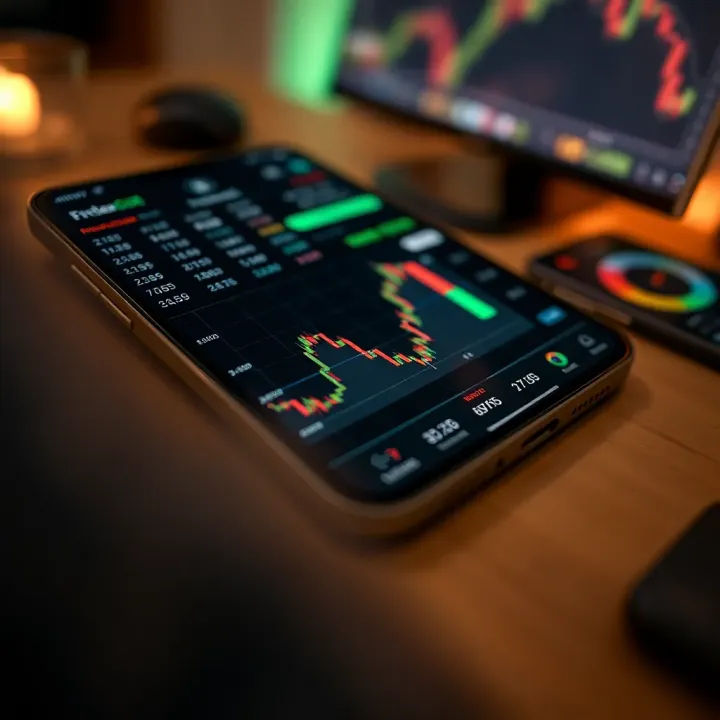
Discover how Nigerian traders can pick the perfect Forex app ✅ Explore features, security, costs & get tips to trade smarter in Nigeria 🇳🇬📈
📈 Learn forex trading basics in Nigeria with this clear guide! Understand market terms, risk tips, broker choices, and how to create a trading plan.
Based on 12 reviews