
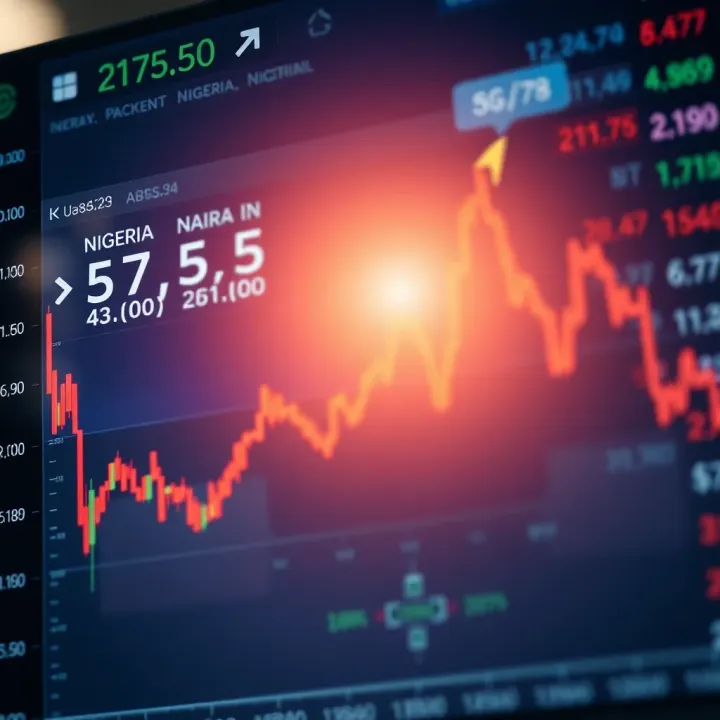
Forex Trading in Nigeria: What You Need to Know
Learn how to start forex trading in Nigeria safely 🇳🇬. Understand currency factors, pick the right brokers, manage risks, and navigate local regulations. 💹
Edited By
Thomas Reed
Forex trading bots have become a popular tool for Nigerian traders looking to automate their trading strategies in the foreign exchange market. These bots are computer programs that use algorithms to analyse currency pairs, identify trading opportunities, and execute buy or sell orders without direct human input. Given the volatility of forex markets, particularly for naira pairs affected by local economic factors and Central Bank of Nigeria (CBN) policies, automation can help traders act quickly and consistently.
Unlike manual trading, where emotions and delayed reactions can lead to missed chances or losses, forex trading bots operate 24/7 with discipline. For example, a trader using a bot can programme it to monitor the USD/NGN rate and open positions at certain technical indicators like moving averages or RSI levels. This reduces the stress of constant screen-watching in Lagos traffic or during off-hours.
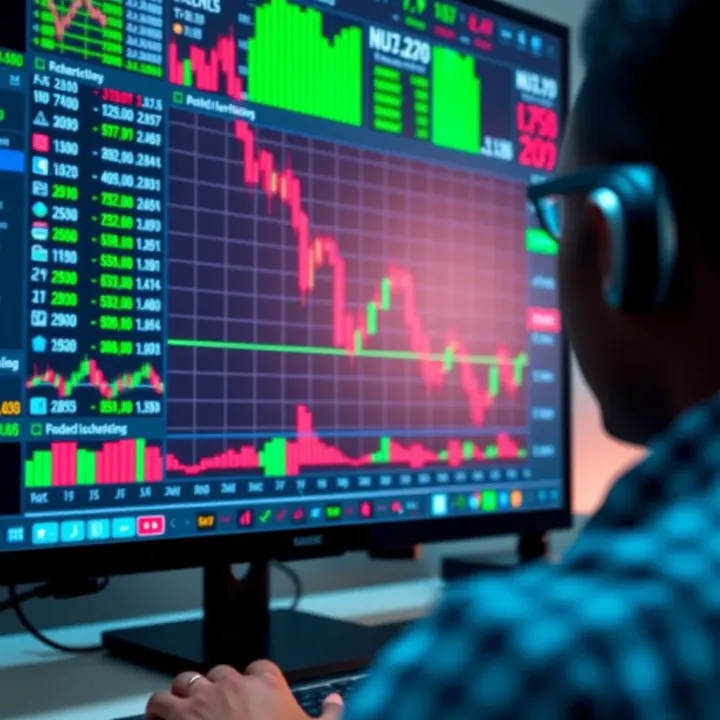
That said, bots are not magic. While they handle timing and calculations, they depend heavily on the quality of their programmed strategies and market data. Poorly configured bots can result in repeated losses. Nigerian traders should therefore pay attention to factors such as backtesting results, real-time performance, and broker compatibility before adopting any trading bot.
Automated trading systems can improve efficiency, but understanding their workings and risks is key to avoid costly mistakes.
When selecting a forex trading bot in Nigeria, consider the following:
Strategy fit: Does the bot’s approach suit your trading style (scalping, swing, or position trading)?
Customisability: Can you adjust risk parameters like stop-loss and take-profit?
Broker support: Is it compatible with your chosen broker?
Security: Does it protect your login details and funds adequately?
Cost: Are subscription fees or commissions reasonable compared to potential gains?
By understanding these basics, Nigerian traders can leverage forex trading bots to reduce manual effort, capitalise on market moves, and manage risk better. The next sections will break down how these bots work and practical tips on using them effectively in Nigeria’s forex environment.
Understanding how forex trading bots operate is key for Nigerian traders looking to automate their trading activities. These bots rely on pre-set algorithms to make decisions, analyse live market data, and execute trades swiftly without human input. This automation ensures faster response to market changes, which can be the difference between profit and loss in the volatile forex market.
At the heart of every forex trading bot lies an algorithm—a set of rules and conditions coded to make trading decisions. These algorithms interpret market indicators, price movements, and historical data to decide when to buy or sell. For instance, a bot might be programmed to buy when the moving average crosses a specific threshold or sell when the Relative Strength Index (RSI) signals an overbought condition. This removes emotional judgement common in manual trading and enables consistent execution of strategies.
Forex markets move rapidly, with prices changing by the second. Trading bots connect to live data feeds, allowing them to assess market conditions in real time. This is critical because delayed data could lead to missed opportunities or poor trade execution. For example, when the US dollar strengthens abruptly against the euro due to economic news, a bot analysing real-time data can enter or exit positions immediately, outperforming a trader reacting manually.
Once the bot identifies a trading signal, it executes orders directly on the trading platform without needing the trader’s intervention. This feature is valuable in Nigeria, where internet fluctuations and power instability might prevent timely manual trades. By automating execution, bots can place trades within milliseconds, minimising slippage and capturing favourable prices.
These bots track price movements and follow prevailing trends. They buy when prices rise steadily and sell as the momentum dies off. Nigerian traders can benefit by capturing major market moves without constantly watching screens. For example, a trend-following bot might detect the naira weakening due to Central Bank policy changes and automatically short the currency to profit from the decline.
Scalping bots focus on making small profits from numerous quick trades throughout the day. They exploit minor price changes and often operate on shorter timeframes like minutes. This method suits traders who prefer steady, incremental gains rather than holding positions long-term. Given Nigeria’s market hours and sometimes unpredictable forex volatility, scalping bots can take advantage of short price bursts before conditions shift.
Arbitrage bots exploit price differences for the same currency pair across multiple platforms or brokers. Suppose ₦/US$ is priced slightly differently on two brokers; the bot can buy cheap on one and sell higher on the other. In the Nigerian context, arbitrage opportunities sometimes appear due to regional liquidity gaps or broker spreads. However, these bots require fast execution speeds and access to multiple accounts.
Some bots allow Nigerian traders to set personalised parameters tailored to their strategies. Whether it’s restricting trading during volatile embers months or focusing on specific currency pairs like USD/NGN, customisable bots provide flexibility. Traders can adjust risk levels, stop-loss values, or trading hours, helping align automated actions with individual goals, market conditions, and personal risk appetite.
Mastery of how forex trading bots operate empowers Nigerian traders to choose solutions that fit their trading style and local market challenges. Understanding these basic operational principles leads to smarter use and better control of automated trading.
Understanding the strengths and limits of forex trading bots helps Nigerian traders make informed decisions. While automated bots streamline trading tasks and can boost efficiency, they are not foolproof. Knowing the advantages and drawbacks allows traders to harness these tools effectively while managing risks tied to automation and market conditions.

Forex markets operate around the clock, and bots keep watch continuously without breaks. For Nigerian traders, this means no opportunity is missed even if you are asleep or attending to other work. The bot tracks price movements and executes trades exactly when the set conditions are met, such as entering a position when the naira-dollar exchange rate hits a target. This constant vigilance helps especially in a volatile trading environment where market moves can happen anytime, including nights and weekends.
Trading decisions often suffer when emotions like fear or greed take control. Bots stick strictly to programmed strategies, ignoring market hype or panic. For example, a bot won’t suddenly exit a position out of fear during brief market dips, preventing rash choices that many human traders make. This discipline can improve trading consistency and avoid costly emotional blunders common in manual forex trading.
Bots analyse market data and place orders faster than any human can. This speed advantage matters when trading forex pairs like USD/NGN, where fractions of a second can influence profit or loss. The bot’s ability to instantly respond to price changes helps capture fleeting opportunities before competitors do. Moreover, bots execute trades without delays caused by distractions or fatigue, ensuring efficient use of capital.
While forex bots simplify trading, depending on them entirely can backfire. Markets shift unexpectedly, and bots might fail to adapt quickly to new trends or news events, like a sudden CBN policy change affecting naira liquidity. Nigerian traders must balance bot use with hands-on supervision to intervene when strategies underperform or markets behave unusually.
No software is flawless. Bots can encounter glitches or connectivity drops, especially in Nigeria’s intermittent power and internet conditions. A bot stuck due to a bug or offline at a crucial moment may miss profit chances or suffer losses. Traders should ensure reliable setups and keep software updated to minimise such technical risks.
Bots operate based on historical data and predefined rules, but sudden shocks—like political unrest or fuel scarcity—can lead to erratic forex market behaviour that bots cannot predict. In such times, automated trades might trigger undesired positions or fail to exit losing trades promptly. Nigerian traders must remain alert and ready to pause bot activity during extreme volatility.
Using forex trading bots offers clear operational benefits but comes with trade-offs. Nigerian traders will do well by combining automation’s strengths with cautious oversight to optimise their forex trading efforts.
Selecting the right forex trading bot is a key step for Nigerian traders aiming to succeed in the automated forex market. The choice directly affects your trading results, risk management, and how well the system adapts to local challenges like naira fluctuations and power inconsistencies. A good bot aligns with your trading strategy, offers transparency, and integrates smoothly with platforms you already use, such as MetaTrader. With forex trading bots gaining popularity in Nigeria, it’s vital to evaluate tools carefully to avoid costly mistakes.
Most Nigerian traders prefer MetaTrader 4 or 5, as these platforms support a wide range of forex brokers, including local and international ones. Choosing a bot that works with MetaTrader ensures easy installation, access to various currency pairs, and seamless trade execution. It also means you can leverage familiar tools like technical indicators alongside the bot. For example, if you use a broker like FXTM or HotForex, a MetaTrader-compatible bot will plug directly into your account without complicated setup.
Forex markets vary day to day, and a one-size-fits-all approach rarely works. Bots that allow you to tweak settings—such as risk levels, lot sizes, and indicators—offer a practical edge. This means you can adjust your bot’s behaviour to fit market conditions or your personal risk appetite. For instance, if you are cautious about naira volatility, you might set stricter stop-loss points. Customisable bots also support different trading styles, from scalping to trend-following, letting you tailor automation to your preferred approach.
A transparent bot provides clear reports on its trades, including reasons for opening or closing positions. User control means you can pause, modify, or stop the bot anytime. In Nigeria’s volatile forex space, these features help you stay in charge and avoid surprises. Imagine a bot making large trades during sudden naira devaluation—being able to step in and halt operations could save you serious losses. Transparency also builds trust, which is crucial when you’re placing real money on the line.
Not all forex bots are created equal, and some may be scams preying on hopeful traders. Research the vendor’s credibility by reading reviews on trusted Nigerian forex forums and platforms like Nairametrics or TechCabal. Well-known vendors with a track record tend to offer better support and product quality. For instance, bots associated with established fintech companies or partnered with reputable brokers often have higher trust levels.
Forex bots require access to your trading account via an API key, making data security a major concern. Choose bots that clearly state their data protection policies and use encryption to safeguard your information. Since Nigerian cyber threats are on the rise, never share sensitive account credentials or use bots from unknown sources. Secure bots prevent your account details from leaking or misuse.
The forex market constantly changes, so bots need regular updates to stay effective. A reliable vendor provides ongoing support and timely software patches to fix bugs or improve performance. For Nigerian traders dealing with internet irregularities and evolving market conditions, a vendor who can respond swiftly by phone, email, or chat can make all the difference. Before committing, check if the vendor has a local presence or responsive customer service.
Picking the right forex trading bot is not just about features but trust and adaptability. In Nigeria’s dynamic forex environment, a bot that can marry technology with local realities will boost your chances of consistent success.
In Nigeria’s forex market, practical tips are vital for success with trading bots. These tools automate trades, but without good management and attention to local factors, they can run into trouble. This section gives clear advice on managing risks, setting important limits, and adjusting tactics according to Nigeria’s specific trading environment.
Using stop-loss and take-profit orders is a basic rule to protect your capital. Stop-loss helps limit losses by exiting trades automatically if the market moves against you. Take-profit sets a target for locking in gains before the market reverses. For instance, if you set a stop-loss at 2% below your entry price and a take-profit at 3% above, your bot will automatically close trades to preserve profits or limit downside. This keeps your exposure in check, especially in volatile pairs like USD/NGN.
Allocating reasonable capital share means not putting all your funds into the bot at once. Many Nigerian traders make the mistake of overcommitting, risking their entire trading account. As a practical approach, start with no more than 30% of your available capital dedicated to the bot. This way, you can manage losses better and avoid wiping out your account due to unexpected market swings or bot errors.
Regular monitoring and adjustments remain essential, even for automated trading. Bots react to rules, but markets change fast and bots don’t sense news or political shifts. Taking time once a day or every few days to check performance and fine-tune strategies keeps your trades relevant. For example, during major events affecting naira volatility, adjusting your bot’s risk parameters can reduce exposure to sudden shocks.
Considering naira volatility is key. The naira often moves sharply against major currencies due to factors like CBN policy changes, petrol subsidy removals, or foreign exchange scarcity. Bots must be configured to handle this volatility; otherwise, they’ll trigger stop-loss orders frequently, eating into your capital. Nigerian traders can benefit from bots that adapt to wider price swings rather than use tight limits.
Account for intermittent power and internet issues which are common in many parts of Nigeria. Since bots rely on stable connections and constant power, running your bot on a laptop or desktop at home can be risky. Many traders now use Virtual Private Server (VPS) hosting providers locally or abroad to keep bots running 24/7 without interruption. This approach avoids downtime when NEPA or the internet acts up.
Working with Nigerian brokers and payment methods ensures smoother transactions and fewer hurdles. Choose brokers authorised by the Nigerian Securities and Exchange Commission (SEC) or recognised by local regulatory bodies. Also, ensure the broker supports convenient payment options like bank transfers, USSD platforms, or popular fintech wallets (OPay, PalmPay). Reliable payment processing helps you fund or withdraw from your trading account without unnecessary delays or charges.
Managing forex trading bots effectively requires blending sound risk management with an understanding of Nigeria’s economic environment. Practical adjustments and strategic planning can make the difference between steady profits and costly losses.
By carefully setting limits and acknowledging local challenges, Nigerian traders can maximise the potential of forex bots while reducing risks inherent in automated trading within Nigeria.
Navigating the world of forex trading bots can be tricky, especially without a clear understanding of the common pitfalls. For Nigerian traders, recognising these challenges can be the difference between profitable trading and unnecessary losses. Being aware of typical mistakes helps you protect your ₦ investment, manage risks, and make wiser choices when selecting or managing a trading bot.
Many forex bot vendors, especially online, promise sky-high returns without much evidence. They might claim doubling your trading account in days or guaranteeing consistent gains regardless of market conditions. Such promises are usually too good to be true. Forex trading—automated or not—has inherent risks, and no bot can guarantee profits. Falling for such claims often leads to serious financial losses.
Watch out for aggressive marketing, claims of secret algorithms, or pressure to invest quickly. Vendors who discourage due diligence or avoid answering clear questions about strategy and performance raise suspicion. Also, bots that claim to be "risk-free" or use testimonials that seem overly rehearsed or fake should be treated carefully. These tactics usually signal a scam or low-quality product.
Before putting your money into any forex bot, check for verified user reviews from reputable sources, participation in known trader communities, or endorsements by respected industry figures. Legitimate bots often have transparent performance history that can be verified on actual trading platforms like MetaTrader. Avoid software lacking clear vendor information or those without support and updates, as these tend to be unreliable.
Forex markets change daily, and your trading bot needs regular updates to adapt to new conditions and fix software bugs. Bots left without updates tend to underperform or even malfunction, exposing you to losses. Nigerian traders should keep their bot software current, ensuring compatibility with latest trading platforms and security patches.
Automated systems don't automatically adjust to sudden economic shifts, like naira volatility or unexpected geopolitical events impacting currency pairs. If you fail to review and adjust your bot settings accordingly, the bot might keep executing outdated strategies, leading to losses. Regular review of market trends and bot parameters is essential.
Even with automation, you must monitor your bot’s trades. Blindly trusting a bot means missing early warning signs of poor performance or technical glitches. Set a routine to check key metrics like win rate, drawdowns, and profit/loss. Adjust your strategy or pause bots when results deviate significantly from expectations.
Staying alert to scams and managing your forex bot with care—through updates, market awareness, and regular performance checks—forms the foundation of successful automated trading for Nigerian forex traders.
With these challenges in mind, you can better avoid common traps and build a more dependable trading routine.
Learn how to start forex trading in Nigeria safely 🇳🇬. Understand currency factors, pick the right brokers, manage risks, and navigate local regulations. 💹
Explore the best forex trading options in Nigeria 🇳🇬! Learn how to pick brokers, understand regulations, manage risks, and create winning strategies.
Explore forex trading in Nigeria 🇳🇬 with our detailed guide. Learn key strategies, platform tips, benefits, risks, and Nigeria-specific insights to trade smart.
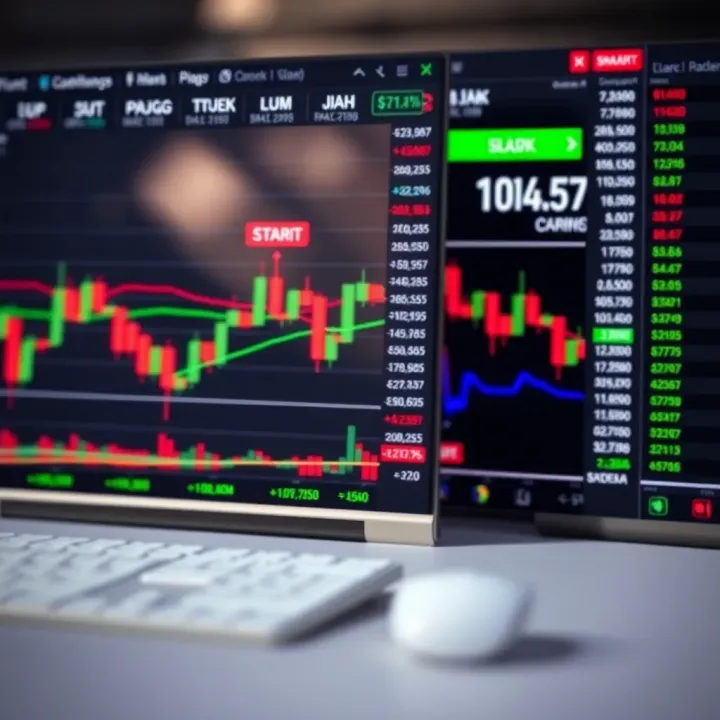
Master forex trading in Nigeria 🇳🇬 with practical tips on strategies, broker selection, risk control, and understanding local regulations for safer investing 💹.
Based on 7 reviews