
Best Crypto Trading Platforms in Nigeria: A Practical Guide
🔍 Need the best crypto trading platform in Nigeria? Discover top tips on security, fees, features, and local regulations for smarter trading decisions! 📈🇳🇬
Edited By
Charlotte Hughes
Cryptocurrency trading in Nigeria has rapidly gained traction in recent years, driven by the growing appetite for digital investments and alternative financial solutions. Nigerian traders are drawn to crypto for its potential to multiply wealth quickly, especially in a country where traditional banking services sometimes struggle with accessibility and efficiency.
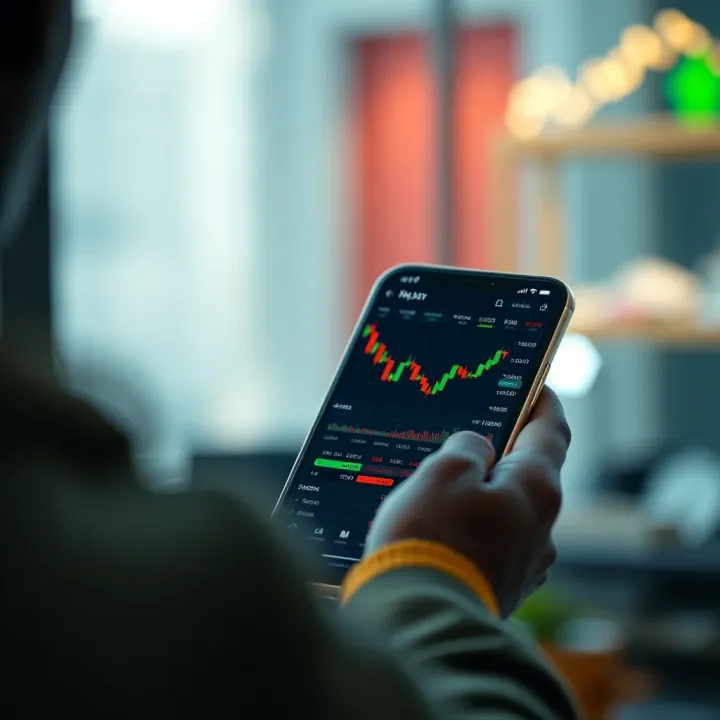
The process of trading cryptocurrencies involves buying and selling digital coins like Bitcoin, Ethereum, or Binance Coin on various exchanges. Nigerian traders typically use platforms such as Binance, Luno, or local peer-to-peer (P2P) services like Paxful and Remitano to navigate the market. These platforms enable users to trade naira against cryptocurrencies, often via bank transfers or USSD codes.
Crypto trading in Nigeria thrives despite regulatory uncertainty, making it crucial for traders to stay informed about changing rules and risks.
However, trading in Nigeria isn’t without challenges. The regulatory environment remains fluid. The Central Bank of Nigeria (CBN) issued directives in 2021 restricting banks from dealing with crypto exchanges, driving many traders to rely on P2P methods. This shift adds complexity but also showcases Nigerian traders’ resilience in adapting.
Key risks include market volatility, susceptibility to scams, and fluctuation in naira exchange rates. For example, sudden price swings can wipe out gains if you’re not careful. Fraudulent schemes promising guaranteed returns also pop up severally, so caution and due diligence are essential.
To succeed practically, traders should:
Choose reputable exchanges with clear verification processes
Use secure wallets for holding cryptos rather than keeping funds on exchanges
Start with small amounts to understand market behaviour before scaling
Keep abreast of local and global crypto news impacting currency prices
Navigating crypto trading in Nigeria demands both awareness of opportunities and preparedness for pitfalls. This guide will walk you through the essentials, offering practical insights tailored to Nigerian traders aiming to grow their digital assets smartly and safely.
Understanding crypto trading is vital for anyone looking to navigate Nigeria’s fast-evolving digital economy. Cryptocurrencies offer new ways to invest, move money, and protect wealth from traditional financial challenges such as inflation and currency devaluation. This section unpacks the basics of crypto, explaining why it has become particularly relevant for Nigerian traders and investors.
What is cryptocurrency? Cryptocurrency is a digital form of money secured by cryptography, which makes it tough to counterfeit or double-spend. Unlike traditional currencies issued by a central bank, cryptocurrencies like Bitcoin and Ethereum operate on decentralised networks called blockchains. This decentralisation means no single entity controls it, providing users with a level of financial autonomy unfamiliar in Nigeria’s conventional banking system.
For instance, Nigerians can use cryptocurrency to bypass restrictions imposed by banks or fintech platforms, especially when moving funds internationally. This autonomy makes crypto appealing to those frustrated by delays and fees associated with cross-border transfers.
How does crypto trading work? Trading cryptocurrency involves buying and selling digital coins or tokens through exchanges or peer-to-peer platforms. Traders speculate on price movements, aiming to buy low and sell high. Unlike stock markets, crypto markets run 24/7, which provides flexibility but demands constant attention.
In practice, a trader might use a platform like Binance or the local BuyCoins to exchange naira for Bitcoin. As prices fluctuate due to market demand or news, the trader can decide to hold or sell. Some Nigerians also engage in arbitrage—exploiting price differences between local and international platforms—to earn profit quickly.
Common types of cryptocurrency traded Among the many cryptocurrencies available, a few dominate trading in Nigeria. Bitcoin (BTC) remains the most popular due to its first-mover status and robust global adoption. Ethereum (ETH) follows, prized for its smart contract capabilities.
Stablecoins like Tether (USDT) have gained traction because they peg their value to the US dollar, helping traders reduce exposure to volatility. Additionally, newer coins occasionally attract attention during hype cycles, but these carry higher risk and require thorough research.
Hedging against naira volatility Naira has faced significant devaluation and inflation pressures in recent years, reducing savings' value. Many Nigerians turn to cryptocurrencies as a hedge, storing wealth in assets perceived to hold or grow value better over time.
For example, during periods when the naira’s value dips sharply against the dollar, those holding Bitcoin or stablecoins often find their assets comparatively safer. This is especially true for diaspora Nigerians who use crypto to protect earnings sent back home.
Access to global financial systems Traditional banking services in Nigeria sometimes exclude large parts of the population or impose foreign exchange restrictions. Cryptocurrencies provide an open entry point to global finance without needing international bank accounts.
This access allows Nigerian entrepreneurs and freelancers to receive payments directly from clients worldwide, avoiding costly and slow intermediaries. Platforms such as Flutterwave and Paystack have integrated crypto methods, expanding payment options.
Opportunities for profit and investment Beyond protection, Nigerians see crypto as a means to grow wealth. The rapid price movements in cryptocurrencies offer chances for short-term gains through active trading or long-term investment by holding promising coins.

Moreover, the emergence of decentralized finance (DeFi) provides novel possibilities such as lending crypto for interest or staking tokens to earn rewards. While these carry risks, they represent new frontiers often unavailable in Nigeria’s traditional investment scene.
Crypto trading in Nigeria isn't just a trend; it's a dynamic financial tool that adapts to local realities and global opportunities, making it essential to understand its foundation and appeal before diving in.
Nigeria’s interest in cryptocurrency necessitates a clear understanding of the trading platforms where most activity takes place. Choosing the right platform affects trading costs, security, and ease of use, all of which are particularly relevant in Nigeria’s unique financial environment. From international giants to native options and peer-to-peer markets, each platform type offers practical benefits and considerations.
Binance and other global exchanges hold a significant place for Nigerian traders seeking diverse assets and high liquidity. Binance, for example, supports trading in many different cryptocurrencies, offering popular coins like Bitcoin, Ethereum, and emerging altcoins. The platform’s global reach means Nigerians can access markets not always available on local exchanges. However, due to Central Bank of Nigeria (CBN) restrictions, funding accounts directly via Nigerian banks often requires workarounds such as using stablecoins or peer-to-peer transactions.
Local platforms like BuyCoins and Quidax cater specifically to Nigerian traders by allowing easier naira deposits and withdrawals. These exchanges typically integrate local payment methods such as bank transfers and USSD, smoothing the trading process. BuyCoins also touts straightforward trading and wallet services, while Quidax provides a user-friendly interface focusing on safer crypto activities within Nigerian regulation limits. Choosing local platforms often reduces the stress linked with currency conversion and banking lockouts faced on global exchanges.
Peer-to-peer trading options (P2P) offer Nigerians a flexible way to trade cryptocurrencies directly with other users. Platforms supporting P2P, like Binance P2P or Paxful, connect buyers and sellers, enabling transactions with local payment methods like bank transfers or mobile money. P2P trading is vital in Nigeria because it bypasses banking restrictions and allows users to negotiate prices. While it introduces risks if users are not cautious, escrow services provided by reputable P2P platforms minimise fraud chances, making it a practical choice for many.
Transaction costs and spreads vary widely, and Nigerians should watch these closely because fees affect profitability. Local exchanges often provide competitive fees to attract users but might have wider spreads (difference between buying and selling prices). Conversely, global platforms like Binance might offer lower fees but additional costs when converting naira to stablecoins or foreign currencies. Knowing these costs upfront helps traders plan effectively.
User interface and mobile compatibility considerably influence trading efficiency. Many Nigerian users rely on mobile phones for internet access, so platforms with responsive mobile apps or websites perform better. Platforms like Quidax and BuyCoins offer beginner-friendly designs, whereas Binance offers extensive features that cater to advanced users. Traders benefit from selecting platforms that balance usability and advanced tools according to their experience.
Security measures and wallet options are non-negotiable for Nigerian traders who face scams and cyber threats regularly. Trusted exchanges provide robust security like two-factor authentication (2FA), cold wallets for storing crypto offline, and regular security audits. For example, Binance uses SAFU (Secure Asset Fund for Users) to protect funds, while local platforms usually provide direct wallet management options. Choosing a platform with strong security reduces exposure to hacking and fraud.
Selecting the right crypto trading platform is key to managing costs, ensuring safety, and maintaining smooth access — elements especially critical in the Nigerian crypto scene given the regulatory and infrastructural challenges.
In summary, Nigerians navigating crypto trading should weigh their needs between global reach, local convenience, and safety. Understanding platform features, fee structures, and trading methods empowers effective trading and long-term success.
Navigating the regulatory landscape is essential for anyone involved in crypto trading in Nigeria. Understanding how government policies and legal frameworks affect crypto can help traders and investors avoid pitfalls and make informed decisions. This section outlines key regulatory issues and their practical implications.
The Central Bank of Nigeria (CBN) has issued circulars restricting banks and financial institutions from facilitating cryptocurrency transactions. Since February 2021, banks must not process payments to or from crypto exchanges, effectively limiting direct access to fiat currency for crypto traders. This policy aims to mitigate fraud and money laundering risks but has also created friction between traders and traditional banks.
Consequently, banks have tightened controls around transactions involving cryptocurrency platforms. Many Nigerian banks now flag crypto-related activities as high-risk, leading to blocked accounts or declined transactions. This environment pushes traders towards peer-to-peer (P2P) platforms and cryptocurrency wallets, bypassing formal banking channels. While this workaround offers flexibility, it introduces challenges for deposit and withdrawal processes, often requiring cash-based trades or informal payment methods.
For traders and investors, these banking restrictions complicate liquidity access. It becomes vital to choose exchanges that offer reliable P2P features and to establish relationships with trustworthy payment partners. For example, platforms like Binance and LocalBitcoins facilitate P2P trades that help traders convert crypto to ₦ without direct bank intervention. Still, caution is necessary to avoid scams prevalent in informal channels.
The Federal Inland Revenue Service (FIRS) views cryptocurrency profits as taxable income. Although no dedicated crypto tax laws exist yet, profits from trading, mining, or investing in crypto assets are subject to Personal Income Tax or Company Income Tax as applicable. This means Nigerian traders must declare gains from crypto transactions in their annual tax returns.
Proper record keeping is essential for compliance. Traders should maintain detailed logs of transactions, including dates, amounts, exchange rates, and counterparties. Such records simplify calculations of net profits and losses and support transparency during tax assessments. Without clear documentation, traders risk disputes or penalties if the FIRS audits their financial activities.
Avoiding legal troubles requires good bookkeeping and understanding your tax obligations. Using digital tools or spreadsheet software to track trades is advisable. Also, engaging professional tax consultants familiar with digital assets helps clarify grey areas and ensures declarations are correct. Remember: the Nigerian tax system is evolving, but being proactive reduces risks of fines or inquiries.
Nigerian crypto traders should treat their activities like any other investment — keep records, declare profits, and avoid shortcuts that might invite regulatory penalties.
In summary, awareness of CBN regulations, banking limits, and tax duties forms the basis for safer and more successful participation in Nigeria’s crypto market. Staying informed and prepared protects your investments and positions you well in a shifting legal environment.
Understanding the risks and challenges of crypto trading is vital for Nigerian traders aiming to navigate this volatile market successfully. The fast-changing nature of cryptocurrencies demands both caution and awareness to protect investment and optimise gains. Failing to consider these risks can lead to significant financial losses, especially in a market influenced by local factors like naira instability and regulatory uncertainties.
Price swings and how to manage them: Cryptocurrency prices can change dramatically within minutes. For Nigerian traders, sudden swings may wipe out gains or increase losses unexpectedly. Managing this means setting stop-loss orders, which automatically sell an asset at a certain price to prevent deeper losses. Also, tracking market trends closely through reliable platforms helps in timing trades better.
Ember months and market behaviours: The ember months (September to December) typically see increased market activity due to festive spending and economic changes, including foreign exchange fluctuations. Traders may face sharper price movements during this period, driven partly by economic uncertainties and increased liquidity flowing into the market. Being cautious during ember months by avoiding overexposure or locking profits early can protect traders from erratic dips.
Psychological impact on traders: The crypto market’s unpredictability can cause emotional stress. Fear of losses may lead to panic selling, while greed might push traders into risky decisions. For instance, Nigerian investors new to crypto have lost millions of naira chasing quick profits during hype cycles. Keeping a calm mindset, adopting realistic goals, and avoiding impulsive trades will reduce psychological strain and lead to better decision-making.
Common scams targeting Nigerian traders: Scammers try to exploit Nigerian traders with fake investment schemes, phishing messages, and clone apps resembling legitimate platforms. For example, bogus social media adverts promising high returns lure unsuspecting users into sending funds or sharing private keys. It's essential to verify any opportunity by cross-checking with trusted sources and being wary of promises that sound too good.
Protecting digital wallets and accounts: Security of digital wallets is non-negotiable. Many Nigerians have fallen victim to hacks due to weak passwords or sharing private keys carelessly. Using hardware wallets, enabling two-factor authentication, and regularly updating software reduce vulnerability. Never storing large sums on exchange wallets can also minimise losses in case of breaches.
Recognising trustworthy trading platforms: Not all platforms serve Nigerian traders reliably. Choosing exchanges with clear regulatory compliance, transparent fee structures, and responsive customer support matters. Platforms like Binance and local exchanges such as BuyCoins have built reputations for security and usability. Traders should confirm platform reviews and look out for red flags like unreasonably low fees or opaque operations.
Staying alert to these risks helps Nigerian crypto traders shield their investments and make informed decisions in an unpredictable market.
For Nigerians eager to grow their ₦assets through crypto trading, practical steps ensure you do not just trade blindly but trade smartly and securely. This section points out vital tips that reduce risks, improve your chances of profit, and help you navigate Nigeria’s unique trading environment effectively.
Choosing the right crypto to trade is a key consideration. Not every cryptocurrency suits every trader, especially beginners. For example, Bitcoin and Ethereum tend to be more stable and widely accepted, making them safer bets compared to newer altcoins with unpredictable value swings. You should always study market trends and fundamentals behind a coin, rather than just chasing hype. This can prevent needless losses in the volatile crypto space.
Using demo accounts and tutorials helps beginners practise without risking real money. Many platforms offer simulated trading, which allows you to understand market behaviours and platform features before going live. For Nigerians, this is crucial given how often market moves react to local factors like naira fluctuations or regulatory announcements. Demo trading builds confidence and sharpens decision-making skills.
Diversifying to reduce risk means spreading your investments across several cryptocurrencies. Putting all your money into one coin can be dangerous because if that specific coin crashes, you lose everything. By holding a mix—like Bitcoin, Binance Coin, and stablecoins—you hedge your bets. Diversification is much like buying both okada and danfo tickets when commuting: if one option is too costly or unavailable, you still have other routes to reach your destination.
Integrating platforms like Paystack and Flutterwave eases deposits and withdrawals, crucial for timely trades. These fintech services provide smooth conversion between naira and cryptocurrencies, making your trading flow seamless. For instance, if you want to move ₦100,000 into your Binance account, these payment gateways help you avoid delays and high charges common with international wire transfers.
Handling naira deposits and withdrawals efficiently saves you from unnecessary stress or loss. Some exchanges insist on using USDT or Bitcoin to cash out, which may mean extra conversion fees or waiting days to receive your money. Choosing platforms that support direct naira transactions or P2P options reduces waiting time and cuts costs.
Managing transaction costs effectively means paying attention to fees that could eat into your profits. Nigerian traders often face high transfer fees from banks or international platforms. Using local payment options during ember months or busy periods can keep fees down. It also involves timing your trades to avoid peaks when network fees surge unpredictably.
Trading crypto in Nigeria requires attention to detail, from understanding coin choice to handling naira payments — these practical approaches will help secure your investments and minimise unnecessary losses.
By starting small, conducting research, and leveraging trusted Nigerian fintech tools, you can build a foundation for effective trading without risking more than you can afford to lose.
🔍 Need the best crypto trading platform in Nigeria? Discover top tips on security, fees, features, and local regulations for smarter trading decisions! 📈🇳🇬
Explore crypto trading bots designed for Nigerian traders! Learn key features, risks, and tips to choose the best automated tools 📈🔧🇳🇬
Explore top crypto trading apps in Nigeria 🔍 Learn about features, security, costs, user experience, and support to pick the best platform for you 📱
🔍 Choosing the best crypto trading app in Nigeria? Learn about key features, fees, security, top platforms, and local rules to trade confidently! 🇳🇬📱
Based on 6 reviews