
Understanding Crypto Trading for Nigerian Investors
📊 Learn crypto trading basics, strategies, and risk tips designed for Nigerian investors. Stay informed on Nigeria's crypto rules for smarter trades.
Edited By
Emma Sinclair
Cryptocurrencies have come to stay, shaking up the way Nigerians think about investment and money. From Bitcoin to Ethereum and newer altcoins, crypto trading offers a way to grow wealth outside traditional banks and stock markets. But the landscape can be tricky without clear guidance.
For Nigerians, crypto presents both a promising opportunity and unique challenges. The naira’s volatility and restrictions on direct crypto transactions through local banks complicate matters. Plus, the regulatory environment is still evolving, making it vital to stay informed.
Understanding the basics is the first step: cryptocurrencies are digital assets secured by blockchain technology. Instead of physical coins or notes, they exist purely online. This means you can trade them 24/7 on various platforms, from global exchanges like Binance and Coinbase to local ones like BuyCoins and Bundle.
Crypto trading involves buying these digital coins when prices are low and selling when prices rise. But it’s not as simple as flipping a phone on Lagos traffic — it requires strategy, patience, and discipline.
Choose trustworthy platforms: Many Nigerians prefer platforms with clear regulatory compliance and local support. This helps avoid scams and wallet hacks.
Know your payment options: Due to CBN policies, direct naira deposits might be blocked for crypto exchanges. Using P2P (peer-to-peer) platforms where you trade directly with sellers is common.
Understand market volatility: Price swings in crypto are much sharper than conventional assets. Prepare mentally and financially to ride out fluctuations.
Start small and learn: Don’t rush into big investments. Begin with a small amount, try out the wallets, understand transaction fees, and observe market trends.
Getting up to speed with these essentials will give you a solid foundation. Next, we will explore how to buy and sell crypto securely in Nigeria, along with strategies tailored to local market dynamics.
Understanding what crypto trading entails and how it functions is the first step for any Nigerian looking to explore this growing market. Crypto trading involves buying and selling digital currencies in an online market. Unlike regular stocks, cryptocurrencies operate 24/7, giving you the chance to trade any time of the day. Getting familiar with how this works can help you make informed decisions and avoid quick losses common among new traders.
Digital currencies are forms of money that exist only electronically. Unlike the naira you keep in your wallet, cryptocurrencies are not physical notes but data stored on a digital ledger. The most popular example is Bitcoin, but there are thousands of others designed for various uses. Their value depends on supply and demand, and this can swing widely, so knowing they are different from traditional money is vital for anyone trading.
In Nigeria, Bitcoin (BTC) and Ethereum (ETH) dominate because they are widely accepted and have large trading volumes. Other notable coins include Binance Coin (BNB), USDT (Tether), and Ripple (XRP). Many Nigerians also engage with stablecoins like USDT because their value is pegged to the U.S. dollar, providing some shield against naira volatility.
Blockchain is the engine behind cryptocurrencies. It is a public ledger that records every transaction securely and transparently, distributing copies across thousands of computers worldwide. This decentralisation means no single person or organisation controls the currency, reducing risks of fraud and manipulation. For Nigerian traders, understanding blockchain helps build trust and clarity on why crypto is unique compared to traditional money.
In crypto markets, you trade currencies in pairs—like BTC/USDT or ETH/₦. This pairing shows what you’re exchanging and at what value. Spot markets allow immediate purchase or sale at current prices, while other market types, such as over-the-counter (OTC), may involve larger trades negotiated directly between parties. Being clear on market types helps you pick the right platform and strategy.
Spot trading is straightforward: you buy or sell crypto and own the asset instantly. Futures and derivatives, however, are contracts betting on future prices without owning the underlying asset. For new Nigerian investors, spot trading is often safer and simpler. But as experience grows, traders may use derivatives to profit from price moves without holding the coins physically.
Exchanges like BuyCoins, Quidax, or international ones such as Binance act as marketplaces where you trade cryptocurrencies. Wallets, on the other hand, are software tools or physical devices where you store your crypto securely. Choosing reputable exchanges and properly securing wallets is critical, especially in Nigeria where scams and cyber threats target unaware traders.
Starting crypto trading without grasping these basics is like entering Lagos traffic blindfolded – risky and likely to cause problems. Take time to understand, protect your assets, and act smart.
Crypto trading is rapidly gaining traction among Nigerian investors as a practical avenue to diversify portfolios and potentially grow wealth. Understanding how to engage effectively is vital, especially with Nigeria’s unique regulatory and economic environment. From opening accounts to choosing strategies, every step demands clarity and care.
Opening accounts with local and international platforms is the first step for any Nigerian entering the crypto space. Local exchanges like BuyCoins and Quidax provide user-friendly interfaces and accept naira deposits directly, making them an excellent choice for beginners. At the same time, international platforms such as Binance and Coinbase offer broader asset selections and higher liquidity but may require additional verification steps, including submitting identification documents tied to Nigeria’s Bank Verification Number (BVN).
Account setup usually involves KYC (Know Your Customer) checks, designed to protect against fraud and comply with regulatory standards. Choosing platforms with strong customer support and clear policies helps prevent future headaches. Always compare fees and trading limits before committing, because these can differ significantly between local and international services.
Securing your digital wallet is equally important. Your wallet acts like a digital bank account where cryptocurrencies are stored. Hardware wallets such as Ledger or Trezor provide offline storage, reducing hacking risks, while software wallets like MetaMask or Trust Wallet offer convenience but require rigorous password protection. Losing access or falling victim to phishing scams can wipe out your holdings within moments. For example, many new traders underestimate the need for two-factor authentication (2FA) — a simple but effective layer of defence often available on trusted exchanges and wallet apps.
Funding your account using naira can be straightforward but requires attention to transfer methods and conversion rates. Local bank transfers or USSD codes can deposit naira directly into exchange wallets, but fluctuations in exchange rates and bank charges might affect your buying power. Services like OPay and PalmPay integrate with some crypto platforms, smoothing the funding process and allowing for quick top-ups even during peak demand in ember months. Understanding these payment options and timing your deposits can save costs and avoid delays.
One basic yet effective method is the buy and hold approach. This strategy involves purchasing cryptocurrencies with strong fundamentals, then holding onto them for months or years. For example, many Nigerians bought Bitcoin or Ethereum several years ago and have seen substantial returns by simply not panicking during market dips. It suits investors who prefer a hands-off approach and are less interested in daily price swings.
On the other hand, short-term trading demands more attention. Traders monitor price movements and market news to buy and sell within days or even hours. Given the volatile nature of crypto, especially now when naira faces external pressure, short-term strategies can generate quick profits but come with higher risks. Tools like stop-loss orders and tight trade management are essential to avoid severe losses in sudden market crashes.
Finally, savvy traders often combine technical and fundamental analysis. Technical analysis relies on chart patterns and indicators such as moving averages to predict price directions, while fundamental analysis examines the value proposition of a coin—its project team, use cases, market demand, and regulatory environment. In Nigeria, following announcements from the Central Bank of Nigeria (CBN) or SEC can heavily influence crypto valuations, so staying informed provides an edge. For example, a new policy restricting bank transfers to crypto platforms usually triggers immediate price reactions.
Starting smart with clear setup steps and realistic strategies positions Nigerian investors to navigate the thrills and spills of crypto trading more confidently.
Crypto trading offers exciting opportunities for Nigerian investors, but it also carries significant risks unique to this environment. Understanding these challenges is essential to making smart decisions and protecting your investments. From market volatility to a complex regulatory landscape, plus the risk of scams, being aware of the obstacles helps you navigate the crypto space more confidently.
Cryptocurrency prices are notorious for their wild swings. Unlike traditional stocks, crypto can jump or drop sharply within hours due to speculative trading, news events, or global market trends. For example, Bitcoin or Ethereum prices might surge following favourable global trends, then drop suddenly if governments announce stricter regulations. These rapid changes make crypto both an opportunity and a hazard.
Small investors often feel the brunt of volatility more severely. With limited capital, a sharp price drop can wipe out months of gains in a day. Many Nigerians new to trading might buy crypto after hearing hype, only to see prices plunge soon after, causing losses that discourage further investment. To manage this, it is vital for small traders to set stop-loss limits or use stablecoins to shield against extreme swings.
The Central Bank of Nigeria (CBN) has issued multiple directives restricting banks from facilitating cryptocurrency transactions. This affects liquidity and ease of funding accounts since many traders rely on bank transfers to fund platforms. Such policies complicate the buying and selling process, sometimes forcing traders to use peer-to-peer platforms or fintech apps with varying levels of security.
Crypto remains largely unregulated in Nigeria, which creates a grey area for traders. While buying and holding cryptocurrencies is not illegal, trading activities are not explicitly protected by law. This means if a trader falls victim to scams or platform failures, legal recourse can be limited or unclear. Investors should be cautious and avoid engaging in dubious deals.
Enforcement by Nigerian authorities has been inconsistent. The Economic and Financial Crimes Commission (EFCC) occasionally arrests suspects involved in crypto fraud or money laundering. At the same time, no comprehensive regulatory framework supervises crypto trading. Investors should expect continuing government scrutiny but also prepare for evolving regulations, adapting their practices accordingly.
Crypto scams are rampant, including Ponzi schemes promising high returns, fake exchange platforms, and phishing attempts targeting investors’ wallets. For example, many Nigerians have lost funds to fake initial coin offerings (ICOs), where promoters disappear after collecting investors’ money. Being able to identify typical fraud patterns is critical to avoid falling victim.
Hackers often target individual wallets or exchange accounts through phishing emails or malicious apps. Storing crypto on unsecured devices, using weak passwords, or ignoring two-factor authentication (2FA) increases risks. Traders must regularly update passwords, use hardware wallets when possible, and verify all communication sources before clicking links or sharing sensitive info.
Choosing the right exchange or trading platform requires thorough research. Nigerians should check if a platform is registered with the Securities and Exchange Commission (SEC) Nigeria or features positive user reviews. Beware of deals that seem too good to be true or demand upfront payments without clear terms. Confirming legitimacy helps reduce exposure to fraud.
Awareness of these risks will empower Nigerian investors to trade more safely and avoid common pitfalls in the fast-moving crypto scene.
Choosing the right platform to trade cryptocurrencies is a foundation for every investor, especially Nigerians facing unique market conditions. The platform determines not only your access to coins but also impacts security, ease of transactions, fees, and even your ability to react quickly to price movements. Your choice can either make crypto trading straightforward or introduce avoidable headaches.
Local exchanges such as BuyCoins and Quidax have grown in popularity because they cater specifically to Nigerian users. These platforms allow trading in naira (₦), removing the hassle of currency conversion and enabling quick funding through Nigerian bank accounts or popular mobile payment methods. For instance, BuyCoins offers a simple interface suited for beginners, while Quidax appeals to more experienced traders with advanced features and a relatively high liquidity pool for the Nigerian market.
On the other hand, many Nigerians also access international platforms like Binance, Kraken, and Coinbase. These offer a wider variety of cryptocurrencies and typically have more sophisticated trading tools. While international exchanges provide better liquidity and global reach, they often require additional verification processes and dealing with foreign currency conversions, which can be cumbersome due to naira volatility and foreign exchange regulations.
When choosing between these exchanges, comparing fees, liquidity, and user experience matters a lot. Local exchanges might charge slightly higher transaction fees due to their specialised services but make up for it with ease of use and quick naira funding options. International platforms often benefit from lower trading fees and allow trading in many crypto pairs but may lag in customer support responsiveness for Nigerian users. Liquidity is key — higher liquidity means you can buy or sell large crypto amounts without slippage. User-friendly interfaces and reliable platforms prevent losses from errors or delays, so weigh these aspects carefully.
Mobile payment apps have transformed how Nigerians fund crypto trading accounts. Apps like OPay and PalmPay not only facilitate quick transfers but also integrate with some crypto exchanges, enabling seamless deposits in naira. This integration removes the delays common with traditional bank transfers and lowers the cost of funding your crypto wallet.
Funding your account via bank transfer or USSD codes remains popular, especially for larger sums. Banks such as GTBank and Zenith support instant transfers to crypto platforms directly from Nigerian bank accounts. USSD remains a reliable fallback when internet stability is poor; however, it might come with transaction limits.
When it comes to transaction limits and speed, these vary widely across platforms. Some local exchanges allow instant deposits and withdrawals up to ₦1 million daily, which suits most retail traders. International exchanges often impose stricter limits, particularly for new users. Transaction speed is critical during volatile market spells; a delay of even a few minutes can lead to missed opportunities or excess losses, so understanding these limits beforehand saves frustration.
Picking the right exchange and funding method isn’t just about convenience — it safeguards your investments and improves your ability to respond smartly in a market that swings fast. Always check reviews, test apps, and ask about hidden fees before committing.
Making informed choices on platforms can boost your chances of success in Nigeria’s bustling crypto space. Always prioritise security, accessibility, and costs when navigating crypto trading platforms.
Successful crypto trading demands more than just buying and selling coins. It requires a clear strategy, discipline, and staying informed. Nigerians face unique challenges such as market volatility, regulatory shifts, and scams, so adopting best practices is necessary to protect investments and maximise returns.
Setting clear investment goals is the foundation of smart trading. Without defined objectives, it’s easy to get lost in market noise and make decisions driven by emotion. For instance, you might decide to invest ₦100,000 in crypto over six months aiming for steady growth rather than quick gains. This clarity helps you avoid panic selling during sudden dips or overcommitting when prices surge. Investors who set a target, like buying a Bitcoin fraction for long-term holding, typically stick to their plan and experience less stress.
Diversifying your crypto portfolio reduces risk by spreading investment across various assets. If you put all your funds into one coin, like Bitcoin (BTC), you risk losing heavily if its price tanks. Instead, consider adding Ethereum (ETH), Binance Coin (BNB), or even smaller altcoins with growth potential. In Nigeria, some investors allocate funds between established coins and emerging projects listed on platforms like Quidax. Diversification also includes mixing short-term trades and longer holds. This approach cushions your portfolio against market swings common during ember months or political events.
Avoiding impulsive trades during ember months or market hype is crucial. The last quarter of the year often excites traders due to festive spending, crypto airdrops, or speculative hype. However, this period also sees sharp price fluctuations. Many beginner traders jump into buying based on rumours or social media trends, which can lead to losses. Patience pays better; waiting for confirmation signals or sticking to your investment plan prevents costly mistakes. For example, rather than chasing sudden surges in Meme coins, focus on coins with sound fundamentals regardless of hype.
Following credible Nigerian crypto news sources helps you keep track of real developments rather than hearsay. Trusted websites and platforms specialising in local crypto markets, such as TechCabal or Nairametrics, provide updates on prices, regulations, and opportunities relevant to Nigerian investors. Regularly reading these sources ensures you react in time to policy shifts or exchange updates that could affect your holdings.
Joining trusted online communities offers grassroots insights and support. Platforms like Telegram groups or dedicated forums provide a space to ask questions, share tips, and learn from experienced traders. In Nigeria, communities often exchange practical information on which local platforms offer the best rates or how to avoid scams. Being part of these groups can sharpen your trading skills and help spot warning signs early.
Keeping track of CBN and SEC announcements is necessary given the uncertain legal landscape around crypto in Nigeria. The Central Bank of Nigeria (CBN) frequently issues guidelines that affect how banks interact with crypto exchanges, while the Securities and Exchange Commission (SEC) has a role defining crypto asset classifications. Being current with their announcements helps you comply with the law and avoid blocked transactions or frozen accounts. For instance, knowing the latest about CBN’s ban on direct bank dealings with crypto exchanges enables you to use reliable alternatives like P2P platforms.
Staying informed and adopting disciplined strategies are your best tools to navigate Nigeria's crypto space safely and profitably.
By managing risks wisely and keeping up to date with market and regulatory changes, Nigerian investors can better weather the unpredictable nature of crypto trading while seizing opportunities that others might miss.
📊 Learn crypto trading basics, strategies, and risk tips designed for Nigerian investors. Stay informed on Nigeria's crypto rules for smarter trades.

📊 Explore practical crypto trading tips for Nigerians including basics, styles, tools, key strategies, plus risks & security to trade wisely!
📱Explore top trading apps in Nigeria! Learn how to pick apps with the best security, fees, and assets to trade confidently and safely in Nigeria's market.
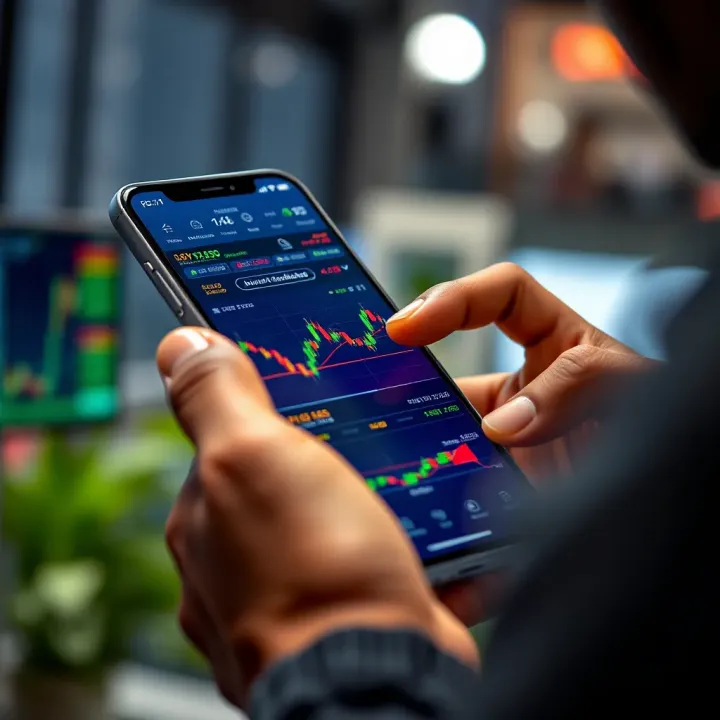
Looking for the best trading app in Nigeria? Explore user-friendly features, strong security, local market focus, and tips to trade smarter 📈🇳🇬
Based on 7 reviews