

Benefits of Forex Trading for Nigerian Investors
Explore how Nigerian investors can benefit from forex trading with low capital, high liquidity, 24/5 access, and portfolio diversification opportunities 📈💰
Edited By
Oliver Turner
Binary trading presents a straightforward way to gain from price changes in assets like currencies, stocks, commodities, or indices. Traders only need to predict whether an asset’s value will go up or down within a set period, making it simpler than traditional trading. For Nigerian investors, this method offers quick entry into financial markets but demands solid strategies to guard against risks and capitalise on opportunities.
The volatile nature of global and local markets affects Nigerian traders significantly. Factors such as naira instability, fuel scarcity impacting running costs for trading devices, and fluctuating international commodity prices can cause erratic market movements. Hence, a clear trading plan tailored to these realities is essential.

Understanding key strategies can help Nigerian investors avoid common pitfalls like overtrading or emotional decisions. These strategies range from simple time-based predictions to using technical indicators for better entry and exit points. For instance, a trader might combine trend analysis with expiry times to time trades around market openings in London or New York, where liquidity is higher.
Effective binary trading hinges on discipline, knowledge of the market environment, and sharp risk management.
Risk control is crucial since binary trading often involves all-or-nothing outcomes. Nigerian traders should allocate a sensible portion of their capital to each trade, typically no more than 2-5%, and use demo accounts to practice without risking real money. Brokers offering local payment options like bank transfers or USSD ease fund management amidst Nigeria’s banking challenges.
Lastly, navigating Nigerian market challenges requires patience and continuous learning. Many traders succeed by analysing past trades, adapting strategies to prevailing economic conditions, and avoiding promises of quick riches. By focusing on consistent, educated decisions, Nigerian investors can improve their odds in binary trading while managing market uncertainties effectively.
Understanding how binary trading functions is vital for Nigerian investors looking to make quick, informed decisions in the markets. Binary options involve predicting whether an asset’s price will rise or fall within a fixed timeframe. The simplicity of a yes-or-no outcome reduces complexity, making it accessible for both beginners and seasoned traders.
Definition and structure of binary options: At its core, a binary option is a financial bet: you decide if a chosen asset will increase or decrease in value by the end of a specified period, such as 15 minutes or an hour. Unlike traditional trading where gains depend on how much the price moves, binaries pay a fixed return if your prediction is correct, or you lose your stake if it’s wrong. This all-or-nothing nature makes managing potential losses straightforward.
Common asset types for trading in Nigeria: Nigerian traders often focus on assets like currency pairs involving the Nigerian Naira (₦), as well as major commodities (like crude oil), and stock indices from global markets. For instance, Brent crude oil prices often influence Nigeria’s economy, so many binary traders keep an eye on its price movements. Foreign exchange pairs such as USD/NGN attract interest too, given frequent naira fluctuations.
Accessibility and simplicity: One big draw for Nigerians is how easy it is to start trading binary options. Unlike the stock market that requires minimum capital and complex processes, binary trading platforms allow entry with as little as ₦1,000. The straightforward win-or-lose setup means traders don’t need to fully grasp complex market fundamentals to participate.
Potential for quick returns: The short expiry times of binary trades—sometimes just a few minutes—appeal to Nigerians who want swift results. With markets open nearly 24/7 online, you can place multiple trades daily without being tied down. In a country where extra income streams are often welcome, this potential is attractive, albeit risky.
Suitability for mobile and online platforms: Nigerians are heavy mobile internet users, and most binary trading providers optimise for smartphones. Platforms like Pocket Option and IQ Option support simple, responsive apps, meaning you can trade binary options while waiting for danfo or even at your favourite mama put. With internet access improving and data costs lowering, mobile trading fits seamlessly into daily life.
For Nigerian investors, binary trading offers a blend of accessibility, quick potential profits, and convenience through mobile platforms, but it demands disciplined risk management to avoid pitfalls.
This section sets the stage for understanding why binary trading has rapidly gained traction among Nigerian investors despite market volatility and economic uncertainties.
Binary trading in Nigeria demands strategies that balance simplicity with effectiveness, especially given the market's volatility and the ease of access via smartphones. Adopting popular trading strategies helps investors navigate asset price movements with more confidence and structure. These approaches vary from following market trends to reacting to economic news, each offering distinct advantages for timing trades and managing risk.
Identifying and confirming market trends is the core of the trend-following method. This involves spotting the direction in which an asset's price is moving over time—whether upward, downward, or sideways—and trading in line with that trajectory. For instance, if the Nigerian Stock Exchange (NGX) shows rising stock prices for a company like MTN Nigeria, a trader might predict continued upward movement and place binary calls accordingly. Confirming trends helps avoid jumping into false signals driven by short-term price fluctuations.
Using moving averages and trend lines provides concrete tools for trend validation. Moving averages smooth out price data to reduce noise, with common periods like 10-day or 50-day averages helping traders see the general direction. When a short-term moving average crosses above a long-term average, it could signal a bullish trend, suggesting a call option. Conversely, trend lines drawn beneath price lows (support) or above price highs (resistance) help traders determine entry and exit points. For Nigerian traders, these tools simplify analysis without needing complex software, making them ideal for mobile platforms.
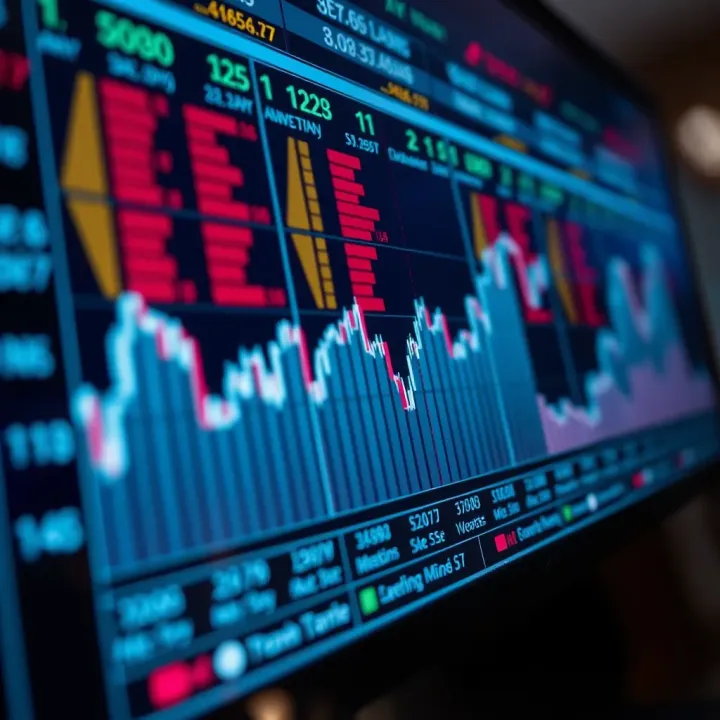
Recognising price ranges means identifying when an asset’s price oscillates between a high and low level without a clear up or down trend. Many commodities traded in Nigeria, like crude oil or cocoa, often experience such sideways movements due to seasonal demands or supply uncertainties. A trader noting these stable ranges can avoid risky bets on breakouts and instead focus on predicted price movements within these limits.
Building boundary forecasts for trading involves setting upper and lower price limits (boundaries) that define expected price movement. If the asset price remains within these boundaries, traders can predict whether the price will stay inside or cross them during the option’s life. For example, during Nigeria’s ember months, when fuel demand spikes, petrol prices might fluctuate within a known price corridor. A boundary strategy would target such patterns to place put or call trades effectively.
Trading around economic reports and announcements is particularly relevant for Nigerian markets as key indicators like CBN’s monetary policy rate, inflation figures, or oil production quotas can trigger sharp price movements. Binary traders closely monitor the timing of these announcements to predict market reactions, such as a spike in the naira’s value or dip in stock prices of oil companies post OPEC decisions.
Managing risks from volatility spikes is essential when engaging in event-driven trades. Sudden price swings can make quick profits possible but also increase risks. Nigerian traders could use smaller trade sizes or limit expiry times close to event releases to reduce exposure. For instance, placing shorter expiry binary options around the weekly naira exchange rate report can help contain losses if the market moves unpredictably.
Smart traders combine these strategies depending on market conditions and personal risk tolerance, ensuring they stay ahead in Nigeria’s fast-moving financial environment.
By understanding and applying these popular strategies, Nigerian binary investors stand a better chance of navigating the market successfully, balancing potential gains with manageable risk.
Managing risks in binary trading is essential, especially for Nigerian investors navigating a market known for its unpredictability and volatility. Having clear risk management strategies helps protect your capital and increases the chances of sustained profits over time. Without effective controls, quick losses can drain your funds before you have a chance to learn from the market.
Knowing how much to trade per position is a key risk management step. A common rule is to risk no more than 2–5% of your total trading capital on a single trade. For instance, if you have ₦50,000 set aside for trading, placing ₦1,000 to ₦2,500 per trade allows you to absorb losses without wiping out your account. This approach helps you keep breathing room for future opportunities and reduces emotional trading.
Avoiding overexposure means not piling all your money in a few trades or chasing losses by increasing stake sizes recklessly. Overexposure can quickly turn small setbacks into significant losses. Consider diversifying your trades across various assets or expiry times. Like not putting all your eggs into one basket, spreading risk makes your trading journey steadier over time.
Demo accounts provide a risk-free way to test your strategies on real market data without risking actual money. Many Nigerian brokers offer free demo platforms where you can try trading binary options to understand the mechanics and timing. Practising in this environment builds confidence and helps spot mistakes before real funds are at stake.
Backtesting involves applying your strategies to historical price data to see how they would have performed. This method assists in assessing the effectiveness of your trading plan before committing capital. For example, if a trend-following strategy succeeded during past market conditions in Nigeria, it suggests higher chances of repeated success. However, keep in mind that past results don’t guarantee future performance, so combine backtesting with live demo practice.
Scams and unreliable platforms are some of the biggest risks Nigerian traders face in binary trading. Always verify the broker's licence status and user reviews before depositing funds. Avoid platforms that promise guaranteed returns or pressure quick decisions. Staying cautious can save you from losing money to fraudsters.
Binary options often expire within minutes or hours, which makes short duration trades risky if market moves unpredictably. Understanding these short-term risks lets you adjust your trading style accordingly. You might prefer longer expiry times or limit the number of fast trades. By acknowledging the volatile nature of these contracts, you shield yourself from impulsive losses.
Risk management isn't just about shielding losses but creating a foundation that lets you trade smarter and longer. For Nigerian investors, applying these practical steps improves both confidence and outcomes in the binary trading space.
Binary trading’s success often hinges on the tools and resources a trader uses. For Nigerian traders, having access to practical and reliable software, platforms, and payment methods can greatly improve decision-making and execution speed. Without the right tools, even a solid strategy may suffer losses due to poor timing or unreliable information.
Charting software is the backbone of technical analysis in binary trading. Nigerian traders benefit when these tools provide real-time data and user-friendly interfaces, since binary trading involves short expiry times. Popular charting platforms like MetaTrader 4 and TradingView offer features well suited for binary options, including candlestick charts, zoom functions, and adjustable timeframes. These allow traders to spot price patterns or trends quickly, helping them predict whether asset prices will rise or fall within their chosen expiry period.
Many Nigerian traders rely on indicators like the Relative Strength Index (RSI), Bollinger Bands, and Moving Average Convergence Divergence (MACD). RSI helps gauge whether an asset is overbought or oversold, which can signal potential reversals suitable for binary trades. Bollinger Bands give insight into price volatility and possible breakout points, while MACD offers information on trend direction and momentum. Using these indicators in combination improves the odds of making timely and profitable binary trades amid Nigeria’s often volatile markets.
Selecting platforms regulated by credible authorities is critical. Though Nigeria currently lacks specific regulation for binary options, platforms licensed by global bodies such as the Financial Conduct Authority (FCA) or Cyprus Securities and Exchange Commission (CySEC) tend to be more trustworthy. Nigerian traders should look for platforms offering transparent terms, fast execution speeds, and clear payout structures. Platforms like IQ Option and Binomo are popular but verifying their legal status and reviews will help avoid scams or unethical operators.
A convenient, fast, and affordable payment method makes a big difference for Nigerian traders. Platforms supporting local payment options such as bank transfers, cards issued by Nigerian banks like GTBank or Access Bank, and popular fintech wallets like OPay or PalmPay improve the trading experience. Avoiding expensive fees and delays linked to international credit cards or wire transfers can preserve your capital and allow rapid deposit or withdrawal cycles, essential for active binary traders.
Choosing the right tools and platforms tailored for Nigerian traders can significantly reduce risks and elevate the chances of consistent success in binary trading.
Trading binary options in Nigeria comes with its own set of challenges that can impact your success. Understanding these obstacles helps you make better decisions and avoid costly mistakes. The key issues are regulatory uncertainty, risks from unregulated brokers, naira volatility, and global economic pressures.
Currently, binary trading is not fully regulated in Nigeria. The Securities and Exchange Commission (SEC) and other agencies have warned about unlicensed activities, but there isn’t a clear framework specifically for binary options. This lack of formal regulation means traders don’t have strong legal protection or clear recourse if things go wrong.
This regulatory gap leads many Nigerians to rely on offshore platforms, which may not be accountable to local authorities. Without proper oversight, the risk of fraud increases, making it vital for traders to verify platform authenticity. Always check if the platform is licensed by reputable bodies like the Financial Conduct Authority (FCA) in the UK or similar.
Unregulated brokers often lure traders with attractive offers but can impose unfair terms or withhold withdrawals. For example, some may suddenly change payout rates or demand extra verification that causes delays. Such practices hit Nigerian traders hard, especially when trying to convert dollars earned into naira amid currency restrictions.
Besides financial risks, unregulated brokers generally lack transparency and customer support. Many traders face difficulties resolving disputes, leading to frustration and financial loss. Nigerian investors need to prioritise platforms with clear regulatory backing to protect their funds and trading interests.
The naira’s instability affects your binary trading outcomes because most platforms operate in dollars or other foreign currencies. When the naira weakens sharply—as frequently happens due to forex scarcity or policy shifts—your trading capital in naira terms can drop significantly, even if your position performs well.
For instance, converting dollar profits back to naira might result in less than expected during sharp naira declines. Planning for such fluctuations and using platforms with local payment options like GTBank or Access Bank can help reduce this impact.
Global issues like oil price changes, geopolitical tensions, or US Federal Reserve decisions create volatility in asset prices, directly affecting binary trading outcomes. Nigerian traders following oil or forex markets may find themselves caught in unpredictable swings caused by events outside local control.
For example, an unexpected hike in US interest rates can strengthen the dollar, putting pressure on emerging market currencies like the naira. In turn, this shifts asset prices and trading signals, making it harder for Nigerian traders to make accurate predictions. Staying informed through reliable news sources and economic calendars is essential for adapting strategies timely.
Traders who understand these challenges can better navigate Nigeria’s unique binary trading environment and avoid common pitfalls that cause financial loss.
In summary, handling regulatory uncertainty, choosing trustworthy brokers, and managing currency and global risks are vital steps toward safer binary trading in Nigeria. Approaching binary options with caution and insight increases the chance to grow your investment confidently.
Explore how Nigerian investors can benefit from forex trading with low capital, high liquidity, 24/5 access, and portfolio diversification opportunities 📈💰
📈 Master effective strategies for trading binary options in Nigeria. Learn risk control, key concepts, and technical tips to boost your success rate today.

🌍 Discover how Nigerian investors can benefit from forex trading, from market access to profit potential, plus key tips to trade wisely and boost financial skills.

🤖 Explore how binary bots operate in trading, their pros and cons, plus legal tips for Nigerians before trying automated binary options trading.
Based on 11 reviews