
Best Crypto Trading Apps in Nigeria
🔍 Choosing the best crypto trading app in Nigeria? Learn about key features, fees, security, top platforms, and local rules to trade confidently! 🇳🇬📱
Edited By
Chloe Foster
Picking the right crypto trading app in Nigeria isn’t just about convenience—it's about trust, security, and making sure you don’t get burned in a market that can be a bit wild sometimes. With more folks jumping into crypto, knowing where your money is going and how easy it is to trade can save you a lot of headaches down the line.
This write-up digs into the key factors you should keep an eye on, like how secure the app is, what kind of fees you’ll face, and whether it plays nice with local rules. We’ll also break down what coins the apps let you trade because nobody wants to find out halfway that their favourite coin isn't supported.
Whether you’re just starting out or have been around the block with crypto, understanding these points helps you pick an app that’s a good fit for your goals. It’s all about keeping your investments safe and your trading smooth.
Remember, the best trading app is the one that balances strong security with ease of use and fits your personal trading style and needs.
Getting to grips with cryptocurrency trading in Nigeria is essential for anyone looking to jump into this market. The crypto world here operates in a somewhat unique environment, shaped by local trends and regulations that can change the game entirely. Knowing how Nigerians approach crypto trading can help you pick the right app, avoid common pitfalls, and make smarter decisions.
The Nigerian crypto scene has been buzzing for years now, thanks in part to the country's youthful population and widespread mobile internet access. Mobile money services and peer-to-peer platforms like Paxful and Binance P2P have made it easier for everyday Nigerians to buy and sell cryptocurrencies directly. Dollar shortages and inflation have pushed many to use crypto as a store of value and a means for remittance.
For instance, a Lagos-based entrepreneur might prefer trading Bitcoin and Ethereum not just as investment but as a hedge against naira volatility. This surge in interest means crypto trading apps with features that cater to quick transactions and local currency support tend to be the go-to choices.
In Nigeria, Bitcoin and Ethereum top the charts due to their liquidity and widespread acceptance. However, other coins like Binance Coin (BNB), Tether (USDT), and Ripple (XRP) also enjoy attention for different reasons. USDT’s stablecoin status is particularly attractive for those wanting to avoid the wild swings of crypto prices.
Traders often rely on platforms that offer these tokens paired with the Nigerian Naira, making the trading experience smoother and fees more predictable. Apps that support a broader range of cryptos can open up more opportunities, especially for those looking to diversify.
The Central Bank of Nigeria (CBN) has historically taken a cautious approach. In 2021, the CBN issued a directive stopping banks from facilitating crypto transactions, citing concerns about fraud and volatility. This move rattled the market but did not eliminate the appetite for crypto.
It's crucial to note that despite restrictions, peer-to-peer trading filled the gap, keeping the ecosystem alive. Apps that work around banking limitations or integrate with trusted payment gateways gain an edge in this climate.
While there's no outright ban on crypto ownership in Nigeria, legal waters are murky. Traders should understand that protections you find in more regulated markets might be lacking here. Due diligence is key — always choose apps that comply with Nigerian regulations and provide clear terms of service.
For example, verifying that the platform demands KYC (Know Your Customer) and AML (Anti-Money Laundering) compliance can safeguard against fraud. Also, keep an eye out for platforms that cooperate with local authorities where necessary, which adds a layer of security for your investments.
When dealing with crypto in Nigeria, being informed about current rules and choosing a compliant trading app can save you from legal headaches down the road.
Understanding these local nuances puts you in a stronger position to navigate the Nigerian cryptocurrency market and select a trading app suited to your needs.
One of the very first things to check is how safe your assets and personal info will be. Scams and hacks happen more often than you'd expect, so don’t cut corners here.
Two-factor authentication (2FA) is like a double lock on your account. Beyond just passwords, it usually asks you to enter a code sent to your phone or generated by an app like Google Authenticator. This extra step stops hackers who might have guessed or stolen your password from getting in.
For example, if someone manages to nab your password, they still can’t access your trading account without that second code. It’s a simple but powerful shield that every solid crypto app in Nigeria should offer, especially with increasing cyber risks.
Cold storage means keeping most of the crypto funds offline, away from internet-connected devices. This is crucial because it protects your assets from online threats. Apps that store a significant part of their coins in cold wallets are less vulnerable to hacks.
If an app proudly mentions its cold storage strategy, that’s a good sign. For instance, Binance and Luno use cold storage for the bulk of customer funds, which adds a layer of safety when you’re not trading actively.
Nobody wants to wrestle with a clunky app when the market’s moving fast. A smooth interface makes trading less stressful and more efficient.
A crypto app should be intuitive. You want quick access to market data, your portfolio, and buy/sell options without hunting around. If you have to jump through hoops to find basic functions, you’re more likely to make mistakes or miss trading opportunities.
Look out for apps with clean layouts and clear labels. Apps like Quidax and Bundle tend to score points here because their straightforward design suits both newbies and veterans.
Considering how many Nigerians trade on their phones, app speed and stability matter. A laggy or crash-prone app can cost you dearly when prices shift suddenly.
Test apps for responsiveness across your network – some Nigerian traders have reported better experiences on apps that prioritize lightweight design, which works better on spotty internet connections.
Variety matters. If you’re limited to just Bitcoin or Ethereum, you might miss out on other promising coins.
Look for platforms offering more than the usual suspects. Coins like Cardano (ADA), Polkadot (DOT), and even newer altcoins can sometimes be lucrative if you do your homework.
In Nigeria, platforms like Binance and Remitano have broad coin selections, letting you diversify your portfolio or explore smaller tokens.
Trading directly with Naira saves you from currency conversion hassles and extra charges. Apps offering NGN trading pairs make it way easier to buy and sell cryptocurrencies without jumping through multiple steps.
For instance, Binance NG and Paxful support NGN, making deposits and withdrawals straightforward for Nigerian users.
Fees can quietly eat into your profits if you’re not careful.
Check if the app charges makers and takers differently or offers volume-based discounts. Lower fees mean more of your gains stay in your pocket.
Quidax, for example, charges between 0.1% to 0.15%, which is competitive for Nigerian standards. Always compare fees because what looks small per trade adds up if you’re active.
Also, watch out for costs when moving money in or out of the app. Some apps slap fees on withdrawals, others on deposits, or both.
For Nigerian users, apps supporting local bank transfers with minimal or zero charges stand out. Platforms like Luno and Bamboo often provide free deposits but might charge a small withdrawal fee.
Picking an app involves balancing these factors—security, usability, asset range, and fees. Do your homework upfront to avoid nasty surprises later on.
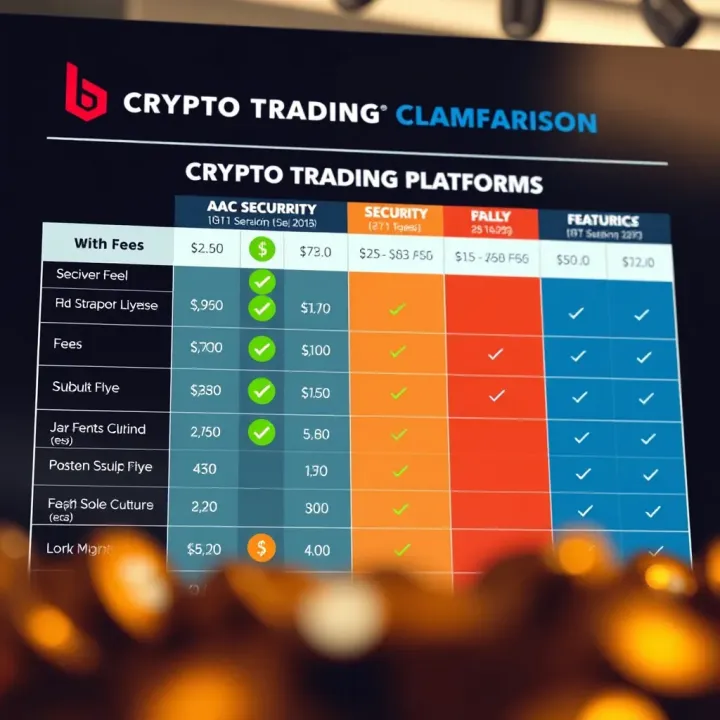
Choosing the right crypto trading app can be a game-changer for Nigerian traders. Apps differ in terms of security, ease of use, fees, and asset options, which directly impact your experience and success in the market. Comparing popular apps helps you sidestep pitfalls like hidden fees or slow transaction times, and find a platform that fits your trading style.
For example, while one app might offer a broad variety of altcoins, another might excel in local currency support and Nigerian banking integration, crucial for smooth deposits and withdrawals. Knowing what each app brings to the table saves you time and helps avoid frustration down the line.
App A is widely appreciated for its user-friendly interface, allowing beginners to dip their toes without feeling overwhelmed. It supports key cryptocurrencies including Bitcoin, Ethereum, and Binance Coin, with options to trade directly in Nigerian Naira (NGN). The app also includes a straightforward two-factor authentication process bolstering user security.
Practically, this means you can start trading quickly and securely without needing to convert your funds multiple times. App A also offers competitive trading fees that don’t eat too much into your profits, making it a solid choice if you’re budget-conscious but want reliability.
App B markets itself as a more advanced tool, catering to experienced traders. It provides advanced charting tools and real-time market data that are vital for making informed trades. What sets it apart is its integration with several Nigerian banks, enabling faster deposits and withdrawals without the usual delays common in crypto transactions.
If you've been frustrated with slow payment processes in other apps, App B’s partnerships might be a relief. Also, it supports over 50 cryptocurrencies, including some lesser-known tokens, offering more diversity in your portfolio.
App C is popular among users keen on security and compliance. It has stringent KYC (Know Your Customer) measures and regularly updates its security protocols, including cold storage for the majority of user funds, mitigating risks from hacks.
Even though it has fewer crypto options than App B, App C is perfect if you prioritize safety and regulatory adherence. The app also offers educational resources, which is handy for traders still learning the ropes within Nigeria’s evolving crypto landscape.
Nigerian users often highlight the reliability and ease of use as standout features for these apps. For instance, users praise App A for its simple design and quick access to NGN trading pairs. Traders using App B commend its fast funding options, which allow them to react quickly to market changes.
On the security front, App C frequently receives positive mentions for handling user data and assets responsibly. These trustworthy apps provide peace of mind, which is especially important in a market where trust is still building.
Despite the positives, users also report some drawbacks. Common complaints about App A include occasional app crashes during high traffic periods. For App B, fees—particularly withdrawal charges—sometimes catch users off guard, highlighting the need for clear fee disclosures.
App C users occasionally mention slow customer support response times, which can be frustrating during urgent trading issues. These insights remind us that no app is perfect, so it's wise to assess what issues you’re willing to work around and what aren’t deal-breakers.
Remember, user feedback can reveal the real-life performance of these platforms beyond their promotional claims, so it’s worth paying close attention before committing.
Getting started with crypto trading in Nigeria doesn't have to be a headache. This section walks you through the nuts and bolts of setting up an account, funding it with local options, and placing your very first trade. Once you get the hang of these steps, you’ll find trading less daunting and more straightforward—exactly what you want when the market’s moving fast.
Most crypto trading apps require some form of ID to keep everything above board and follow local regulations. In Nigeria, you’ll typically need a government-issued ID—like your National Identity Card, International Passport, or Driver’s License. Along with that, some platforms might ask for proof of address, such as a utility bill or bank statement dated within the last three months. This helps fight fraud and money laundering, ensuring only legit traders can participate.
Being prepared with the correct documents right from the start speeds up the signup process. Imagine trying to open an account with no valid ID—you’d just hit a wall and get frustrated. So, hang on to your IDs and document copies, preferably scanned clearly for upload.
Verification is more than a checkbox; it's your gateway to unlocking full trading features and withdrawal privileges. After submitting your documents, expect to go through a few checks like facial recognition or a selfie with your ID to confirm identity. This step thwarts identity theft and keeps your account safe.
Some apps also verify your phone number or email, sending a code to confirm it's really you. It might sound like extra work, but it adds a layer of security that's worth the hassle. Plus, once verified, you can rest easy knowing your assets and data are well-protected.
Funding your account should feel like a breeze, and Nigerian banking options have made that easier. Most apps accept direct bank transfers from major Nigerian banks like Guaranty Trust Bank or First Bank. Some even link to USSD codes for instant deposits right from your phone without the internet.
Alternatively, you might use cards like Verve or Mastercard, or popular mobile wallets like Paga or Opay. The key is to select a deposit method that is fast, low-cost, and convenient so you can jump into trading without delay.
How fast your money lands in your crypto wallet matters, especially when price swings can be sudden. Bank transfers usually clear within a few minutes to an hour, depending on the bank and the app’s integration.
Card payments often show up instantly, but check the fees—it might cost a bit more. Mobile wallets can offer lightning-fast deposits but aren't universally supported yet. Knowing the typical processing times helps you plan your trades better so you’re never caught off guard by delays.
Once your account is funded, picking what to trade is your next move. Crypto trading apps list pairs like BTC/NGN or ETH/BTC. For Nigerians, trading with the Naira pair (e.g., BTC/NGN) is often easier, as it avoids the need for foreign currency conversions.
Focus on well-known cryptocurrencies like Bitcoin, Ethereum, or Binance Coin for starters—they usually have more liquidity and tighter spreads, reducing your risk. Pick a pair that matches your risk appetite and market interest.
Understanding order types saves you from surprises. The two common types you’ll see are market orders and limit orders. A market order buys or sells immediately at the current price, handy when you want quick execution.
Limit orders let you set a specific price to buy or sell, which won’t fill until the market hits that level. This is useful if you want to avoid buying at too high or selling too low. Some apps offer stop-loss or take-profit orders to help manage risk automatically.
Starting trading smart means knowing these basics inside out. It doesn’t just stop you from making careless mistakes, it also lets you seize opportunities quickly when they pop up.
Getting through registration, funding, and your first trade doesn’t have to be a leap into the unknown. With the right steps, you’ll soon be navigating crypto markets in Nigeria with confidence.
Navigating the crypto trading space in Nigeria means more than just picking a good app or finding a hot coin. Safety must be front and center. With scams and tricky platforms lurking, knowing how to protect yourself and your assets makes all the difference. These tips help traders avoid common pitfalls and keep their investments secure in a market that can feel like the wild west at times.
One of the best defense mechanisms is spotting a scam before it gets the chance to bite. Common warning signs include promises of guaranteed massive returns with little to no risk, pressure tactics urging you to act quickly, and platforms lacking clear contact or company information. For example, if an app requires you to pay upfront fees just to start trading or offers referrals schemes that seem more like a pyramid, it’s time to pause and rethink. Always research the app’s background, check reviews from other Nigerian traders on trusted forums, and be wary of outlandish claims.
Downloading crypto trading apps only from trusted sources can prevent exposure to fake or hacked versions. Official app stores like Google Play or the Apple App Store are generally safer bets, although not immune to issues. Confirm the developer’s name and check user ratings before installing. Avoid downloading apps from random websites or social media links—these often host malware or steal login details. Sometimes Nigerian banks or telecom companies promote legitimate crypto apps, so keep an eye on those endorsements as a checkpoint.
Your private key is like the master key to your crypto vault; losing it means losing access to your funds forever. Never store it online in plain text or take screenshots of it on your phone. Instead, write it down on physical paper and tuck it away in a safe place or use a reputable hardware wallet such as Ledger Nano or Trezor. These offline devices safeguard your keys from hackers and phishing attempts. Remember, if someone else gets hold of your private key, they effectively own your crypto, so treat it with the same caution as cash or physical valuables.
Keeping your app and device security settings current is an ongoing task. Updates often patch vulnerabilities that hackers try to exploit. Enable features like two-factor authentication (2FA), biometric login, and alerts for account activity to add layers of protection. Nigerian traders should also periodically review connected apps and revoke access where unnecessary to minimize attack surfaces. Simple habits—like avoiding public Wi-Fi for trades and using strong, unique passwords—can drastically reduce the chances of falling victim to cyberattacks.
Safety is not a one-time setup but a habit. Consistent vigilance makes the difference in safeguarding your crypto journey in Nigeria.
🔍 Choosing the best crypto trading app in Nigeria? Learn about key features, fees, security, top platforms, and local rules to trade confidently! 🇳🇬📱
Explore top crypto trading apps in Nigeria 🇳🇬, learn key features, security tips 🔒, and choose the best platform for safe, smart trading 💹.
Discover the top trading apps in Nigeria 🇳🇬 to safely earn money 💰 with easy registration, unique features, and varied trading options tailored for you!
📱 Find the best trading app for Nigerian investors by comparing features, costs, security, and ease of use tailored to Nigeria's market. Trade smart! 🇳🇬
Based on 7 reviews