
Best Forex Trading Robots for Nigerian Traders
Explore how forex trading robots work, their risks & benefits, plus tips for Nigerian traders to choose and customize the best automated tools 🤖📊💡
Edited By
Olivia Bennett
Forex trading robots, sometimes called automated trading systems, are tools that execute trades on your behalf using pre-set rules. For Nigerian traders, these robots can offer a way to trade with greater speed and discipline, reducing emotional decisions that often lead to losses.
Unlike manual trading where you stare at charts and make split-second calls, forex robots work 24/7, scanning the market for opportunities based on algorithms. This efficiency can be quite handy given how volatile and fast-moving currency pairs are, especially against the backdrop of local economic changes like exchange rate swings and monetary policies set by the Central Bank of Nigeria (CBN).
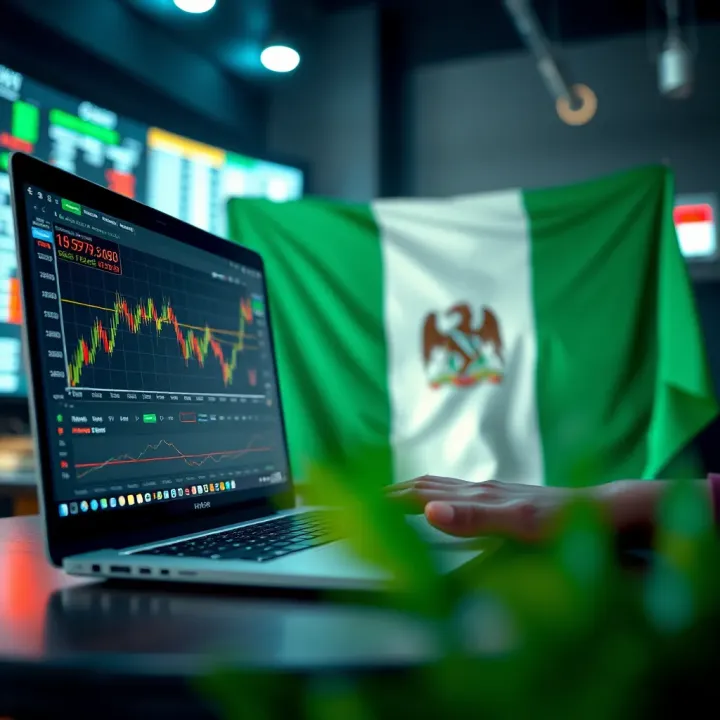
However, not all robots are created equal. A well-programmed robot tailored to the forex market can help improve your trading outcomes by sticking strictly to tested strategies. On the flip side, relying entirely on a poorly developed robot can drain your account quickly, especially when it cannot respond to sudden geopolitical events or local market shocks common in Nigeria’s trading environment.
They analyse market data based on criteria such as price movements, indicators, and volume.
Execute buy or sell orders automatically when conditions meet.
Operate continuously without fatigue or distraction.
Eliminates emotions: Trading decisions become objective, not based on fear or greed.
Saves time: No need to monitor charts constantly when managing other ventures.
Consistency: Maintains trading discipline which is usually the hardest part for beginners.
For Nigerian traders, integrating robots should involve understanding specific currency pairs like USD/NGN or EUR/NGN, which often behave differently compared to majors like USD/EUR due to local economic factors. Also, consider the costs of internet data and power supply reliability, which affect continuous robot operation.
This background sets the stage for a detailed exploration of choosing the right robot, understanding associated risks, and practical advice on effective usage tailored for the Nigerian forex trading landscape.
Understanding forex trading robots is essential for Nigerian traders seeking to improve efficiency and consistency in the fast-moving forex market. These automated systems execute trades based on programmed algorithms, removing much of the guesswork and emotional bias that often leads individual traders into losses. In Nigeria, where volatility and rapid market shifts happen frequently, using these robots can help traders act promptly, regardless of time or location.
A forex trading robot is essentially software that buys and sells foreign currencies automatically without constant human intervention. It scans the market, analyses currency price movements, and executes trades as instructed by a set of predefined rules. For instance, a robot might be programmed to buy dollars when the naira weakens beyond a certain point and sell when it strengthens. This removes the need for manual chart reading or decision-making, making trading accessible even to busy Lagos-based investors who can‘t monitor the market around the clock.
These robots rely on technical indicators — like moving averages, Relative Strength Index (RSI), or Fibonacci retracements — to make sense of market trends and determine entry or exit points. When conditions meet the programmed criteria, the robot sends orders to buy or sell to the trading platform instantly. The operating system runs 24/7, suitable for the forex market, which never sleeps due to different global time zones. For example, while the Nigerian market rests, robots can still trade actively in the Asian or American sessions, making sure no opportunity is missed.
There are several types of forex trading robots, each tailored to different strategies:
Trend-following robots: These seek to capture profits by following the direction of a currency pair’s price over time.
Grid robots: They open buy and sell orders at preset intervals to profit from market fluctuations within a range — useful in sideways markets.
Scalping robots: Designed for rapid trades, these focus on small price movements and require a low-latency connection.
News-based robots: They execute trades based on economic events or news releases, reacting fast to market-moving information.
For Nigerian traders, understanding these types helps pick the right robot that matches their risk appetite and market outlook.
Using robots for forex trading is not an automatic ticket to profit. Yet, with careful selection and understanding of their operations, these tools can sharpen trading strategies and reduce human error, especially in Nigeria’s dynamic forex ecosystem.
Using forex trading robots offers several benefits that can significantly improve trading efficiency and outcomes, especially for Nigerian traders navigating volatile market conditions. These automated systems bring speed, discipline, and consistency to trading, which human traders often struggle to maintain.
One major advantage is the ability of robots to execute trades automatically based on pre-set criteria. This means you don’t have to watch the screen all day or place orders manually, which reduces the chance of missing profitable signals. For example, a trader using a robot on MetaTrader 4 can set it to open and close positions exactly when market conditions align with their strategy. This is particularly helpful in Nigeria, where power outages and unreliable internet sometimes disrupt manual trading.
Moreover, the robot continuously monitors the market without break, scanning multiple currency pairs simultaneously. Unlike a person who gets tired or distracted, the robot can respond instantly to market changes, ensuring timely trades. This relentless market surveillance can help spot opportunities that a single trader might miss during busy days or disruptions caused by Lagos traffic or erratic electricity supply.
Manual trading often suffers from emotional pitfalls like fear and greed, which lead to poor decisions. Forex robots trade based on rules and data, eliminating emotional interference. For instance, when the naira-dollar exchange rate suddenly spikes due to political news or CBN policy shifts, a human might panic and close good trades prematurely. A robot, however, sticks to its programmed plan, helping traders avoid rash decisions.
This discipline supports a consistent trading approach that can withstand market noise and volatility common in Nigerian forex trading. Over time, relying on a well-tuned robot can help you develop a more objective market perspective and improve your long-term results.
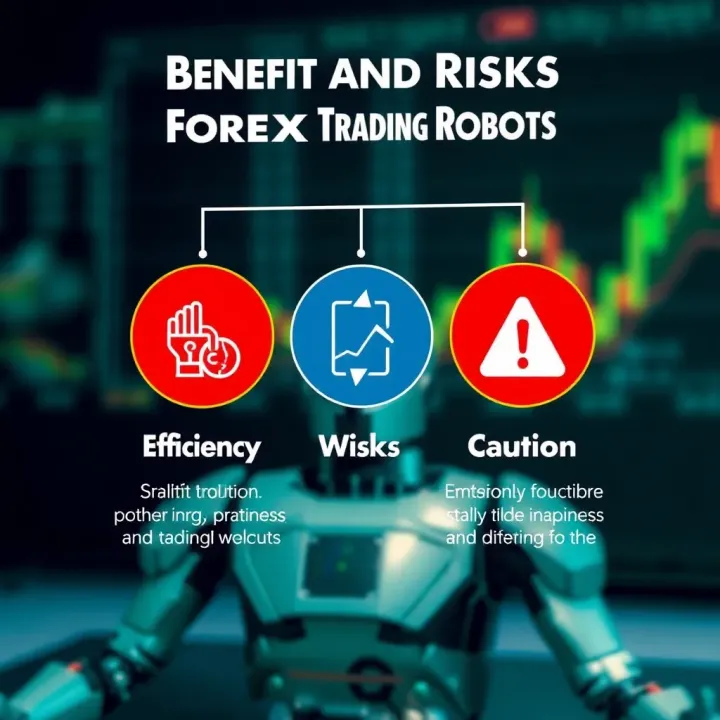
Forex markets operate 24/5, and keeping up with this nonstop action is demanding for anyone. Robots excel here because they run round the clock without fatigue or distraction. Whether it’s a middle-of-the-night move in the EUR/USD or a sudden market swing during Lagos’ ember months, your robot will keep working.
Continuous operation ensures no trade signal is missed, unlike manual trading which depends on your availability and alertness. For Nigerian traders balancing multiple jobs or businesses, this constant presence can mean more opportunities captured.
Automation via trading robots offers Nigerian traders a powerful way to mitigate challenges like unreliable power, market volatility, and emotional bias. Still, success depends on careful setup and ongoing monitoring.
Overall, incorporating robots in forex trading can improve execution speed, foster discipline, and extend trading hours without fatigue, helping traders focus on strategy refinement and risk control rather than watching charts nonstop.
Forex trading robots offer appealing benefits, but Nigerian traders must be aware of their risks and limits to avoid costly pitfalls. These automated systems are not magic; they come with challenges that can affect your trading outcomes significantly. Understanding these risks ensures you use robots as helpful tools rather than blind shortcuts.
One major risk of using forex trading robots is over-optimisation, often called curve fitting. This happens when a robot is excessively tuned to past market data, shaping its parameters to perform perfectly in historical scenarios. While this may look impressive on paper, the robot often fails under real-time market conditions because it’s too rigidly designed for past price movements.
For example, a robot customised to profit during the quiet hours of the London forex session might struggle badly during the volatile US market hours. Nigerian traders relying solely on such optimised robots risk losing money when market behaviour shifts unexpectedly. It’s similar to memorising answers for a past exam only to face a completely different question paper next tomorrow.
Forex markets can be unpredictable—news events, geopolitical tensions, or unexpected economic shifts often cause sharp price swings. Robots operate by following predefined algorithms and lack the ability to interpret breaking news or global developments in real time.
Consider sudden changes like CBN’s surprise policy hikes or fuel subsidy decisions; such events can cause steep and fast market reactions that robots cannot anticipate. Nigerian traders using these systems without manual oversight might suffer significant drawdowns because robots can’t adjust their strategy beyond what they were programmed to do.
Remember, robots are tools, not fortune tellers; they don’t have the judgment or intuition humans apply when assessing major market moves.
Forex trading robots run on software that depends on stable internet connections and reliable hardware. Technical failures—like power outages, server downtime, or broken internet in Nigeria’s less consistent network areas—can interrupt trading and cause missed or incorrect trades.
For instance, if your robot executes trades from a shared hosting server and there’s a disruption in the Lagos data centre, your trading orders might be delayed or lost. These hiccups can be costly, especially when the market moves quickly.
To mitigate such risks, Nigerian traders should use reliable brokers with strong infrastructure, maintain backup internet options, and regularly monitor their systems even when automating.
In summary, while forex trading robots can improve efficiency, Nigerian traders must weigh these risks carefully. Understanding over-optimisation, market fragility, and technical pitfalls helps you use robots smarter, reducing the chance of unexpected losses in Nigeria’s dynamic forex market.
Selecting the right forex trading robot is vital for Nigerian traders seeking to improve their trading efficiency without falling prey to costly mistakes. Given the volatility of the forex market, especially with naira fluctuations and varying international rates, a well-suited robot can make the difference between steady profits and serious losses. It's not just about buying any automated system but choosing software that fits the unique challenges Nigerian traders face.
When evaluating forex robots, start by checking for clear and adjustable trading strategies. An effective robot should allow you to tailor parameters such as stop-loss, take-profit levels, and trade size to fit your risk tolerance. Consider robots with demonstrated adaptive capabilities—those that adjust to sudden market changes rather than sticking rigidly to old patterns. For example, a robot that monitors both global news impacting dollar exchange rates and local economic indicators can better navigate Nigeria's forex environment.
Another key aspect is transparency. Legitimate robots provide detailed trade logs and performance reports. Avoid those that promise unrealistic gains without verifiable data. Also, pay attention to compatibility with trading platforms popular in Nigeria, such as MetaTrader 4 (MT4) or MetaTrader 5 (MT5), which support local brokers.
Reliable performance is non-negotiable. Instead of focusing just on past profit claims, assess the robot’s performance over varying market conditions, including periods of high volatility like the ember months or during CBN policy shifts. Many traders opt to backtest the software using historical naira-dollar pair data to see how it would have performed.
Trustworthy vendors usually offer trial periods or demo accounts. Nigerian traders should take full advantage by running the robot with virtual funds using a demo before risking real money. Pay attention to the consistency of trade execution times and the robot’s ability to handle connectivity issues common in parts of Nigeria.
Nigeria’s forex trading landscape comes with unique challenges such as exchange rate volatility, regulatory policies, and intermittent internet connectivity. Ensure your chosen robot is compatible with brokers licensed by the Securities and Exchange Commission (SEC) Nigeria or those well-known within the Nigerian market.
For instance, a robot that performs excellently when connected to an international broker but lags when coupled with local brokers due to server differences or trade execution delays would not be ideal. Besides, factor in brokers’ spreads and commissions as they affect profitability—robots that require tight spreads may struggle with local broker conditions where spreads tend to be wider due to market realities.
Choosing a forex trading robot without considering these local specifics is like planning an okada route without knowing Lagos traffic patterns — you’re bound to hit roadblocks.
Overall, Nigerian traders must scrutinise robots not only for technical prowess but also for their fit within Nigeria's economic climate and trading infrastructure to ensure sustainable success.
Incorporating forex trading robots into your overall trading approach is a vital step for Nigerian traders aiming to boost efficiency and consistency. Robots can automate trades, but relying on them blindly can expose you to avoidable risks. The key lies in blending automation with hands-on oversight and solid risk controls.
Testing your chosen forex robot on a demo account is non-negotiable. This gives you a clear idea of how the robot behaves in different market conditions without risking real naira. For example, you might see that a robot performs well during calm market periods but struggles during the volatile embers months when global currencies fluctuate. Demo trading enables you to tweak the robot’s settings or even switch to another more suitable for Nigerian market peculiarities such as sudden naira volatility or broker restrictions. It’s like a rehearsal before the main event, helping you avoid costly mistakes.
Even the best forex robots need your watchful eye. Automated systems work tirelessly, but markets can change abruptly. For instance, if there is political uncertainty or unexpected news affecting the Central Bank of Nigeria's policies, your robot might continue trading based on outdated patterns. Personal monitoring enables you to intervene or pause trading when necessary. Nigerian traders can blend automated trade execution with manual checks on news, currency trends, or even broker communication, ensuring a balanced strategy where technology complements human judgment rather than replacing it.
Managing risk remains critical even when you use robots. Set limits on trade sizes and the number of trades your robot can open to avoid overexposure. Use stop-loss levels tailored to your risk appetite and the particular currency pairs you trade, such as USD/NGN or EUR/USD. Remember, robots execute trades fast, so manual stop-losses let you cap potential losses quickly. Good risk management also means preparing for technical glitches or connectivity issues that might disrupt automated trading. For instance, using backup internet services or setting fail-safes to halt trading when unusual activity is detected can save your account from big losses.
Successfully integrating forex robots means combining the strengths of technology with human insight and solid safeguards—especially in Nigeria’s fast-changing forex environment.
By rigorously testing, continuously monitoring, and carefully managing risk, Nigerian traders can harness robots not just to speed up trades but to build a more resilient and adaptable forex strategy.
Knowing the cost structure and reliable sources for forex trading robots is essential for Nigerian traders before investing their hard-earned money. While some robots appear cheap or even free, hidden charges or poor performance can lead to losses. Understanding price ranges and subscription models helps you budget properly and avoid unexpected expenses.
Forex robots vary widely in cost, depending on their sophistication and features. Basic robots can go for as low as ₦10,000, while advanced solutions with adaptive algorithms might cost upwards of ₦150,000. You will also find different payment structures:
One-time purchase: Pay once and own the robot indefinitely, but updates or support may be limited.
Subscription model: Monthly or annual fees (ranging from ₦5,000 to ₦30,000 per month), often including updates and technical support.
Performance-based fees: Some providers charge a percentage of profit generated, although this is rarer and requires careful contract review.
Demo accounts or trial periods are common and worth exploring before full commitment. For instance, a robot offered by a local fintech platform might allow a 14-day free trial before subscription.
Scams are rife in the forex robot market, especially online. Some sellers promise guaranteed profits or use fake testimonials. Nigerian traders must be cautious because falling for scams can result in financial loss or exposure of personal data.
Signs to watch for include:
No verifiable performance history or audited track records.
Pressure tactics asking for immediate payment.
Sellers unwilling to offer demo versions or clear terms.
Always check reviews on trusted forums or social media groups dedicated to Nigerian forex traders. Moreover, beware of robots that require large upfront payments without trial or refund options.
Always verify the seller’s credentials and seek peer recommendations before purchasing any forex trading robot.
Several platforms provide access to forex robots tailored for Nigerian market conditions:
Local fintech companies: Platforms like OPay and PalmPay occasionally offer or partner with developers to provide automated trading tools.
Forex broker platforms: Some brokers regulated by the Nigerian Securities and Exchange Commission (SEC) offer proprietary robots or allow integration with well-known robots such as MetaTrader Expert Advisors (EAs).
International marketplaces: Websites like MQL5 provide a wide range of tested forex robots compatible with MetaTrader, popular among Nigerian traders since many brokers support MetaTrader 4 and 5.
Besides, active Nigerian online communities and Telegram groups dedicated to forex trading often discuss and recommend trustworthy robots, though cross-checking is necessary.
Making informed decisions on cost and sourcing protects your investment and improves your chance of successful automated trading in Nigeria's dynamic forex market.
Explore how forex trading robots work, their risks & benefits, plus tips for Nigerian traders to choose and customize the best automated tools 🤖📊💡
🕒 Discover the best time for forex trading in Nigeria! Learn about global sessions, overlaps, and top tips to boost your trading success effectively.
Master forex trading in Nigeria with practical strategies 🏦. Learn risk management, market analysis, solid trading plans, and stay disciplined for better results 📈.
Discover how to pick the best forex trading platform in Nigeria 🏦. Learn about features, costs, security, and tips to trade confidently in forex markets.
Based on 14 reviews