

Understanding Binary Options Trading in Nigeria
📊 Explore binary options trading in Nigeria with expert tips, legal insights, and risk advice. Learn how to trade wisely and avoid common mistakes.
Edited By
Oliver Turner
Binary options signals offer traders timely alerts on potential opportunities to buy or sell binary options assets. These signals come in the form of recommendations based on technical analysis, market trends, or automated algorithms. Nigerian traders, navigating both local conditions and global platforms, can benefit from understanding exactly how these signals work and what risks to watch out for.
Unlike straightforward trading tips, binary options signals often include specific details such as the asset to trade (like currency pairs or commodities), direction (call or put), expiry time, and entry price. For example, a signal might suggest investing in the Naira/USD pair with a call option expiring in 15 minutes.
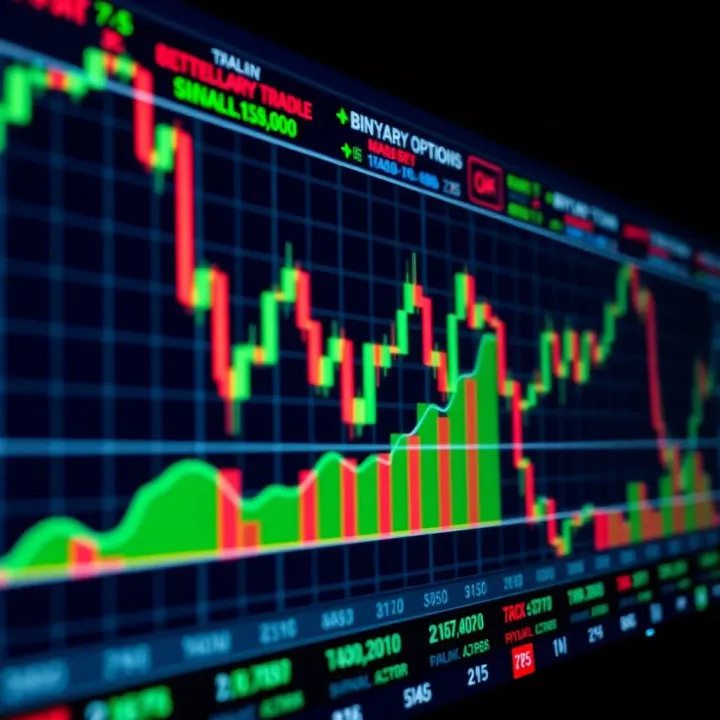
Signal providers vary widely in reliability and transparency — choosing a trusted source is essential to avoid losses.
Signals can be generated manually by professional traders or automatically by computer programs scanning market data. Manual signals may come through chat groups, emails, or dedicated apps, while automated signals arrive via software integrated with trading platforms. However, no method guarantees profits; the market remains unpredictable.
Nigerian traders should consider these key aspects when dealing with binary options signals:
Source credibility: Check if the provider has a proven track record, user reviews, or regulatory oversight.
Cost structure: Some services offer free signals, while others charge subscription fees running into tens of thousands of naira monthly.
Signal frequency: Too many signals can overwhelm and reduce focus; too few may limit trading chances.
Risk management guidance: Good providers often include advice on managing stake sizes and stop-loss levels.
Understanding signals also involves recognising their limitations. High volatility in Nigeria’s currency markets, fuel subsidy changes, and political events can disrupt patterns that signals depend on. Traders should combine signals with personal analysis rather than follow blindly.
By grasping how binary options signals operate and scrutinising providers carefully, Nigerian investors stand a better chance of making informed decisions and avoiding costly mistakes in these fast-paced markets.
Binary options signals help traders spot potential opportunities quickly in the fast-moving market. They act like alerts, telling you when to buy or sell an option based on patterns, trends, or market data. Understanding how these signals work is essential if you want to use them well and avoid losses.
Binary options trading involves betting on the direction of an asset's price within a fixed time frame. You either predict the price will go up or down, and if you’re right, you earn a fixed payout. For example, suppose you think the price of crude oil will increase in the next 30 minutes; you place a binary option accordingly. If the prediction holds, you profit; if not, you lose your stake.
Signals are recommendations generated to help traders decide when to enter or exit trades. They save you the stress of analysing every price movement yourself. Signals might say, “Buy this option now because the trend points upward” or “Sell before expiry due to resistance level.”
Their practical value lies in cutting through market noise, especially for beginners who can’t afford to monitor charts round the clock.
Signals function as alerts based on technical indicators, news events, or algorithmic calculations. They do not guarantee profit but reduce guesswork. For instance, if a signal advises buying the NGX stock option linked to a rising trend and confirming indicators, you can execute that trade with more confidence.
Good signals consider factors like volatility, volume, support and resistance levels, alongside recent news. So, they offer more than a simple gut feeling; they provide data-backed guidance.
Signals offer clear instructions – either a 'call' to buy or a 'put' to sell – along with expiry time. For example, a signal might recommend buying a USD/NGN binary call option with 15 minutes until expiry following a momentum spike.
Using these signals, traders can time entries and exits more precisely. However, signals should complement your own analysis, not replace it. This is because conditions can shift quickly, affecting signal accuracy.
Signals come from varied origins, each with different methods and reliability.
These systems scan markets, using technical indicators like moving averages, RSI, or Bollinger Bands, to trigger signals. Automation means they can monitor multiple assets constantly without fatigue. For example, an algorithm might flag an entry point on the NSE index option when patterns match historical profitable setups.
While fast and consistent, automated signals risk false alerts during volatile or news-driven periods unless finely tuned.
Experienced traders or market experts analyse price movements, news, and economic reports to offer signals. Their reading of context, like a pending CBN policy announcement, can spot opportunities algorithms may miss.
For example, a seasoned analyst might recommend betting on the value of a bank's stock option just before dividend declaration based on insider knowledge.
However, analyst signals come with subjective biases and may not be available 24/7.
Many traders now watch and copy signals from social platforms where experienced traders share their picks live. This crowd-sourced approach combines collective wisdom and allows beginners to learn from pros.
Still, it requires careful vetting. Heavy reliance on popular social signals without your own strategy can lead to losses if the crowd moves irrationally.
Using binary options signals effectively means understanding their source, purpose, and how they fit your risk appetite. Signals work best when paired with your own analysis and cautious testing, especially in Nigeria’s dynamic market environment.

When trading binary options, recognising the types of signals available helps you align your strategy with your trading style and goals. Different signals have unique traits, giving you varying insights and levels of reliability.
Automated signals rely on data algorithms and technical indicators to spot potential trades. These systems analyse patterns like moving averages, RSI (Relative Strength Index), or Bollinger Bands, generating alerts when specific conditions are met. For example, an automated system might flag a call option when a stock’s price crosses above its 50-day moving average. This instant data processing is valuable, especially for traders who want timely signals without manually scanning markets.
On the other hand, human-curated signals come from expert analysts or experienced traders who interpret market news, economic indicators, and price action to recommend trades. They may consider events not immediately visible in raw data, such as pending government policy changes or geopolitical risks affecting certain assets. For instance, a human analyst might suggest a put option on oil based on expected OPEC production cuts that automated systems may miss.
Each type brings advantages and drawbacks. Automated signals offer speed and consistency but can be rigid; they react strictly to preset rules and might miss nuanced market shifts. Manual signals are flexible and factor in wider context but can suffer from human bias or slower reaction times. Many traders combine both for balanced decision-making.
Free signal services often provide basic alerts sourced from generic algorithms or less detailed analysis. They can be a good starting point for new traders but may lack depth or accuracy. For example, a free service might send you multiple daily signals with broad recommendations that occasionally contradict, making effective trade decisions harder.
Paid services, meanwhile, usually come with higher-quality signals generated by sophisticated algorithms or seasoned professionals. They also tend to offer features like historical performance data, risk management advice, and customer support. A typical paid provider might charge ₦10,000 monthly for signals that demonstrate statistically verified success rates above 70%, adding real value.
A good paid service is worth the cost if it consistently delivers accurate, timely signals, provides transparency about performance, and integrates smoothly with your trading platform. Quality providers also offer trial periods or money-back guarantees, allowing traders to evaluate their usefulness before committing.
Choosing the right type of signals depends on balancing cost, accuracy, and the level of insight you need. For Nigerian traders, especially, aligning signals with the local market realities and ensuring trustworthiness pays off in the long run.
In summary:
Automated signals: fast, data-driven, best for traders needing quick alerts
Manual signals: context-rich, flexible, ideal for those valuing expert insight
Free signals: good for beginners, but often less reliable
Paid signals: higher quality and features, worth investing if they prove consistent
Understanding these distinctions helps you pick signals that suit your trading style and protect your investments from poor recommendations or scams.
Using binary options signals effectively means integrating them wisely into your overall trading approach to boost your chances of success. Signals can offer helpful alerts, but without proper strategy, they might lead you astray. For Nigerian traders especially, who often face volatile naira exchange rates and sudden market shifts, combining signals with your own analysis helps make smarter decisions.
Signals should complement, not replace, solid technical and fundamental analysis. For instance, if a signal suggests buying a currency pair like USD/NGN, check charts for support or resistance levels before acting. At the same time, monitor economic news, such as Central Bank of Nigeria (CBN) policies or global oil prices, as these can shift market sentiment rapidly. This layered approach reduces rash decisions based on signals alone.
When you manage trades after receiving signal alerts, always stick to your risk limits. For example, if a signal prompts you to open a trade, decide beforehand how much naira you can lose without stress, say ₦5,000 per trade. Set stop-loss or take-profit levels if your trading platform allows, to guard against sudden price swings amplified by Nigeria's often unstable energy supplies, which affect markets.
Timing and execution are critical for success with signals. Consider this: a signal might arrive indicating a good buy opportunity for an asset expected to rise in the next 15 minutes. If you hesitate or delay by several minutes, market moves might already have eroded potential gains or triggered losses. Use a reliable internet connection and a platform with quick execution speeds, so you don’t miss critical entry or exit points.
Signal accuracy can vary widely. Some providers might boast high success rates but fail to offer consistent results. This unreliability means Nigerian traders should approach signals cautiously, verifying past performance and cross-checking alerts with their own analysis. Blind trust in any single source can lead to losses.
Overreliance on signals is another danger. If you depend fully on signals without understanding market forces, you risk missing out on learning key trading skills. This dependence can also result in emotional decision-making if a signal service hits a losing streak. Even the top Nigerian traders balance signals with their own insights and experience.
Common pitfalls include scams posing as signal providers. Many dubious services promise quick profits but ask for heavy upfront fees or subscription costs without delivering value. Others might share outdated or generic signals not suited to Nigerian markets. Always research the provider's reputation, check user reviews, and beware of guarantees for returns, which are typically red flags.
Use binary options signals as one tool among many. Treat them as advisories to inform, not dictate, your trades. Educate yourself continuously and stay alert to local market nuances and global shifts.
By combining signals with careful analysis, proper timing, and cautious trade management, you stand a better chance at navigating the challenges of binary options trading, especially within Nigeria’s unique economic context.
Selecting a dependable binary options signal provider is a step that can significantly influence your trading success. Since these signals often shape your buy or sell decisions, choosing one with proven quality saves you from costly errors and disappointment. A trustworthy provider offers transparency, reliability, and support, which are crucial for navigating the volatile market confidently.
A signal provider’s track record shows their historical performance — it’s like a report card for their service. Look for providers who openly publish past results, including both wins and losses, rather than cherry-picking only successful trades. Transparency here means clear communication about how signals are generated, underlying methods, and realistic expectations. For example, if a provider claims a 90% success rate but offers no verifiable data or hides losses, it’s a red flag. A solid track record backed by auditable results helps you gauge the provider’s consistency and trustworthiness.
Beyond numbers, real user feedback paints a fuller picture. Check forums, social media, and trading communities where traders share their experiences. Positive reviews often highlight ease of use, timely alerts, and responsive support. However, be wary of overly glowing testimonials that sound generic or fake. Instead, focus on balanced insights — how the provider handles poor signals or technical problems is just as revealing as success stories. A good reputation within the Nigerian trading community or among traders in similar markets can indicate reliability suited to your needs.
Trial periods let you test signal services without a full commitment. Providers offering free or low-cost trials give you firsthand experience of their alert quality, timing, and interface. During the trial, compare signal suggestions against market movement using your preferred platform. Verified performance means these results can be independently confirmed or reviewed through third-party sites or trading journals. Such trials reduce risk by allowing you to assess how compatible the signals are with your trading style before subscribing long term.
Signal services vary in cost, so it’s essential to weigh the price against what you actually gain. A cheap or free service might be tempting but often falls short in accuracy or timely delivery. Conversely, an expensive provider should justify its fees with consistent, high-quality signals and practical benefits like detailed analyses or coaching. For example, a ₦50,000 monthly subscription doesn’t make sense if signals lag behind market moves or lack clarity. Look for services that offer clear payment structures with no hidden fees and provide satisfactory support and returns on your investment.
Before committing, confirm the signal provider works smoothly with your trading platform. Whether you use MetaTrader, IQ Option, or local brokers’ platforms, signal integration affects how quickly and easily you can act on alerts. A signal service that delivers notifications via email or app but doesn’t sync with your platform might cause delays, making timely trades difficult. Ensuring compatibility helps avoid awkward switching between systems and reduces the risk of missing opportunities.
Strong customer support distinguishes reliable providers from fly-by-night operators. You want quick, helpful responses when questions or technical issues arise. Assess their support channels — do they offer live chat, phone support, or email? How fast do they reply? Nigerian traders often face unique challenges like payment bottlenecks or platform restrictions, so a responsive support team familiar with local conditions is a big plus. Good support strengthens your overall trading confidence, especially when you rely on their signals to make decisions.
Choosing the right binary options signal provider means balancing proven performance with practical support and compatibility. Take time to verify these factors before subscribing to avoid unnecessary losses and frustration.
Trading binary options in Nigeria requires a sharp understanding of local regulations, payment hurdles, and platform choices to avoid unnecessary losses or legal trouble. Unlike in some countries, Nigerian traders face specific challenges such as fluctuating naira rates and the presence of unlicensed brokers targeting the market. Knowing these realities helps traders protect their investments and trade confidently.
The Central Bank of Nigeria (CBN) and the Securities and Exchange Commission (SEC) regulate aspects of financial trading in Nigeria. While binary options fall into a somewhat grey area, there’s clear guidance on preventing illicit activities and protecting investors. Traders should check whether a broker is registered with the SEC or compliant with CBN policies, as this adds a layer of safety.
For example, a trader using an unregistered platform may not have any legal recourse if the broker shuts down or engages in fraudulent activities. Hence, observing Nigerian regulatory frameworks is practical, not just theoretical.
Many unlicensed brokers operate online offering binary options trading without proper oversight. These brokers can vanish with client funds or manipulate software to make trades unfair. Nigerian traders have reported cases where withdrawal requests were delayed indefinitely or accounts suddenly blocked.
Choosing unregulated brokers is a risk that often results in loss of capital. It’s safer to stick with brokers recognised globally and allowed or recommended by Nigerian financial authorities.
Binary options trading inevitably involves sharing personal data and financial details. Nigerian traders should prioritise platforms with strong security measures such as two-factor authentication and encryption. Using public Wi-Fi or inexperienced intermediaries heightens the risk of identity theft.
Always verify a platform’s data protection policy before opening an account. Nigerian cybersecurity awareness is growing, but the dangers of phishing and scams remain. Safeguarding your information minimizes exposure to fraud.
Platforms that offer Nigerian customer support, including reasonable response times and local payment methods (such as direct bank transfers or mobile money), make trading easier and safer. For instance, brokers that allow funding through Nigerian banks like GTBank or Access Bank reduce dependence on unstable foreign exchange channels.
Having access to local help clarifies issues quickly and reduces delays that could affect time-sensitive trades.
Fluctuations in the naira-dollar rate often affect deposit and withdrawal values. To manage this, Nigerian traders should consider platforms that provide transparent exchange rates and low fees. Using channels like Paystack or Flutterwave for deposit helps avoid excessive conversion charges.
Planning fund transfers to avoid high volatility periods, such as ember months or pre-election times, can also preserve more capital.
Many Nigerian traders fall victim to hype, promises of guaranteed profits, and trading without proper research. Avoid following signals or platforms blindly—always verify their track record. Don't chase losses recklessly; it's a quick route to wiping out your trading account.
Networks and forums where traders share experiences can help spot red flags early. Remember that patience, discipline, and using reliable insights keep you ahead.
Trade safely in Nigeria by verifying brokers, protecting your info, and handling funds wisely to avoid losses from scams or market quirks.
Navigating binary options trading in Nigeria might be challenging, but with the right steps, you can trade responsibly and grow your portfolio steadily.
📊 Explore binary options trading in Nigeria with expert tips, legal insights, and risk advice. Learn how to trade wisely and avoid common mistakes.

Explore how binary operations work in advanced math 🧮, their key properties, examples, and role in algebraic structures like groups and rings 📚.

Learn how binary addition in base 2 works with step-by-step examples and tips 🧮 Perfect for tech enthusiasts and students in Nigeria wanting clear computing basics.

🔢 Explore how binary numbers power computing! Learn their basics, conversion, operations, and why they matter in everyday tech and digital electronics.
Based on 15 reviews