
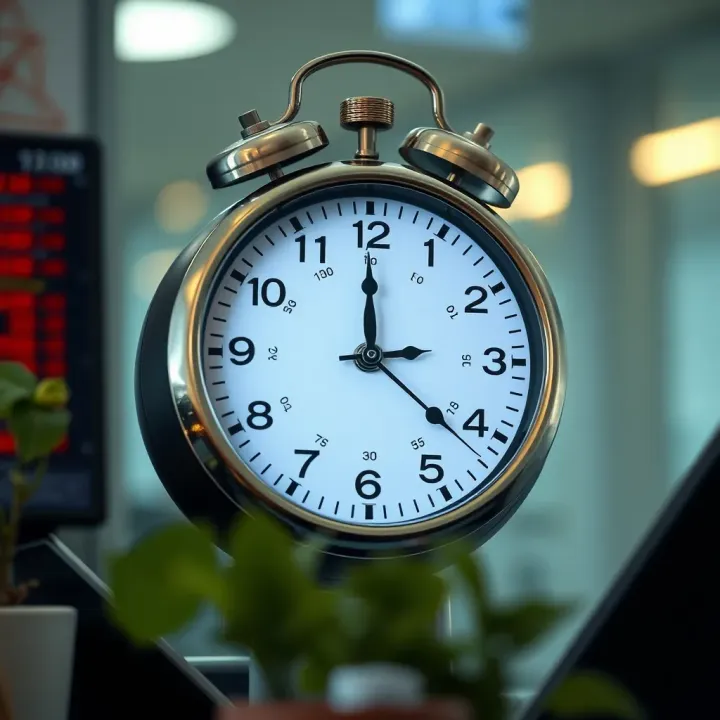
Best Time for Forex Trading in Nigeria
🕒 Discover the best time for forex trading in Nigeria! Learn about global sessions, overlaps, and top tips to boost your trading success effectively.
Edited By
Oliver Bennett
Forex trading in Nigeria has become a practical way to earn money from home by capitalising on currency price changes. Unlike traditional businesses that might need physical presence or large capital, forex allows you to participate in global financial markets using just a computer or smartphone and internet access.
To begin, you need a solid understanding of how the forex market works. Currencies trade in pairs, like USD/NGN or EUR/USD, and the goal is to buy low and sell high, or sell high and buy low, depending on market direction. Unlike stock trading, forex operates 24 hours on business days, offering flexibility to trade at any time favourable to you.
Choosing a reliable broker is key. Brokers act as the bridge to the market, so look out for those registered with Nigeria’s Securities and Exchange Commission (SEC) or reputable international regulators. Avoid unknown platforms with questionable reviews; Nigerians have lost funds to scams claiming to be forex brokers. Popular local-friendly brokers include FXTM, HotForex, and XM, which offer user-friendly platforms and support.
Setting up your trading environment involves downloading a platform like MetaTrader 4 or 5, which are widely accepted and simple to navigate. Ensure your internet connection is stable to avoid order execution delays. Fund your trading account through secure methods available locally, such as bank transfers or payment platforms like Paystack and Flutterwave.
Study basic trading strategies before risking real money. Techniques like support and resistance analysis or trend following help you make informed decisions. Demo accounts offered by brokers are essential practice grounds, allowing you to trade using virtual funds while learning market behaviours.
Risk management cannot be overstated. Use stop-loss orders to limit potential losses and never risk more than 1-2% of your trading capital on a single trade. Forex can be profitable, but it is volatile and can drain your capital if you trade recklessly.
Successful forex trading starts with preparation: thorough research, careful broker selection, sound strategies, and disciplined money management.
Stay updated with economic news impacting the naira and global currencies, particularly announcements from the Central Bank of Nigeria (CBN) and international events that can sway the market. This awareness can help you anticipate market moves and adjust your trades accordingly.
In this guide, we will detail these aspects step-by-step to help you start forex trading from your home in Nigeria with confidence and a clear plan.
Starting with the basics is key when you want to venture into forex trading from home. Getting to know forex trading means understanding how the currency market operates and why it offers an opportunity for Nigerians to earn from exchange rate movements. Without this foundation, it becomes difficult to make informed trading decisions or judge what influences price swings.
Forex trading involves buying one currency while simultaneously selling another. Traders speculate on currency price differences to make a profit. For instance, if you believe the US dollar will strengthen against the Nigerian naira, you might buy USD/NGN, hoping to sell later at a higher rate. The ability to access currency pairs gives people in Nigeria a direct way to engage with the global economy.
Currencies are traded in pairs like USD/NGN, EUR/USD or GBP/USD. Each pair shows how much of the second currency you need to buy one unit of the first. Forex operates on the over-the-counter (OTC) market via brokers rather than a central exchange. In Nigeria, traders connect with brokers online using trading platforms such as MetaTrader 4 or 5. This setup allows for quick entry and exit from trades at any time.
Globally, forex markets facilitate international trade and investment by enabling currency conversion. For Nigeria, forex rates directly affect import costs, fuel prices, and remittance values. For example, a sharp naira depreciation can raise the price of imported goods and increase inflation. Forex trading by individuals provides a way to potentially profit from such market shifts, especially when the Nigerian Central Bank's policies impact currency values.
The forex market runs around the clock from Monday morning in Asia until Friday evening in the US. This continuous operation means Nigerian traders can engage whenever they have time, including late nights or early mornings. However, liquidity varies with time zones: London and New York sessions typically see higher trading volumes and better price stability.
Nigerian traders often focus on pairs involving the naira (USD/NGN) and major global currencies such as the US dollar (USD), euro (EUR), British pound (GBP), and South African rand (ZAR). The USD/NGN is deeply watched because the naira’s value impacts everyday life, from fuel prices to school fees. Trading major pairs tends to be less volatile than exotic pairs but still offers good opportunities.
Forex is known for its volatility, meaning prices can change rapidly within minutes. For Nigerian traders, this can be a double-edged sword: quick moves offer profit chances, but also risk sudden losses. Liquidity—the ease of buying or selling without affecting price—is usually high in major pairs. Low liquidity is common in exotic pairs or during off-peak hours, leading to wider spreads and less predictable pricing.
Understanding the forex market’s operating hours, currency pairs relevant to Nigeria, and market volatility helps you plan your trades better, avoid costly mistakes, and manage risks effectively.
Selecting the right forex broker is one of the most crucial steps for any Nigerian trader starting from home. The broker acts as your gateway to the currency markets, so their reliability, costs, and ease of transaction directly affect your trading experience and profits.
Every trader should prioritise brokers regulated by recognised financial bodies. In Nigeria, brokers authorised or licensed by reputable regulators like the Financial Conduct Authority (FCA) in the UK or the Cyprus Securities and Exchange Commission (CySEC) offer a safer trading environment. Regulation ensures that brokers maintain proper standards, including segregated client funds and adherence to anti-money laundering rules.
While Nigeria does not yet have a fully developed forex regulatory framework, relying on internationally regulated brokers helps protect your capital and minimise the risk of fraud. For instance, some brokers operating locally may claim to be licensed by unverified bodies—this should be a clear warning. Always check for a valid licence and confirm the regulator’s authenticity.
Trading costs have a direct impact on your overall profitability. Spread—the difference between the buying and selling price—is often how brokers earn. Lower spreads mean cheaper trades. However, beware of brokers offering extremely tight spreads but charging high commissions or other hidden fees.
Transparent brokers clearly display spreads and commissions. For example, a broker offering a spread of 1.2 pips on EUR/USD with no other fees is generally cheaper than one quoting 0.5 pips spread but charging a commission per trade. You should compare this based on your trading style; scalpers working with many trades need different costing considerations than long-term traders.
A critical practical point for Nigerian traders is how smoothly you can fund your account and withdraw profits. Popular brokers supporting local bank transfers, USSD payments (like those accessible via GTBank or Access Bank), and fintech platforms such as Paystack or Flutterwave make life easier.
Some brokers may only accept international wire transfers or credit cards, which can be expensive and slow because of foreign exchange and intermediary bank charges. Choosing brokers with multiple local payment options prevents delays and reduces costs. Also, check withdrawal processes to avoid unnecessary hold-ups on your earnings.
Nigerian traders often turn to brokers like XM, HotForex, and FXTM, which combine strong regulation, accessible platforms, and good customer support. These brokers provide services tailored for Nigerian markets, including naira account options and fast local deposits.
Many of these brokers also have local offices or agents, which can be reassuring for novice traders unfamiliar with forex intricacies. This local presence helps with resolving issues and can offer timely market insights specific to Nigerian and African contexts.
Your broker’s trading platform must work well on devices you already own, such as laptops or smartphones. Platforms like MetaTrader 4 (MT4) or MetaTrader 5 (MT5) remain popular due to their stability, features, and widespread acceptance.
Make sure your chosen broker supports these platforms or their own apps with features like real-time charts, one-click trading, and mobile push notifications. Besides tech, reliable customer support—preferably including Nigerian working hours and communication channels like WhatsApp or live chat—makes a huge difference in getting help when you need it.
Before committing funds, study customer reviews and feedback on forums or social media communities where Nigerian traders share experiences. Frequent issues like slow withdrawals, sudden platform downtime, or poor customer service are red flags.
Positive reviews that mention smooth funding through Naira transfers and quick resolution to problems increase your confidence in a broker. However, always balance online reviews with your own research and start small to test the broker’s reliability yourself.
Choosing a forex broker is not just about low fees or flashy platforms—it’s about trust, transparency, and convenience tailored to your unique Nigerian trading experience.
Making a thoughtful decision at this stage sets you up for a smoother, better trading journey from home in Nigeria.
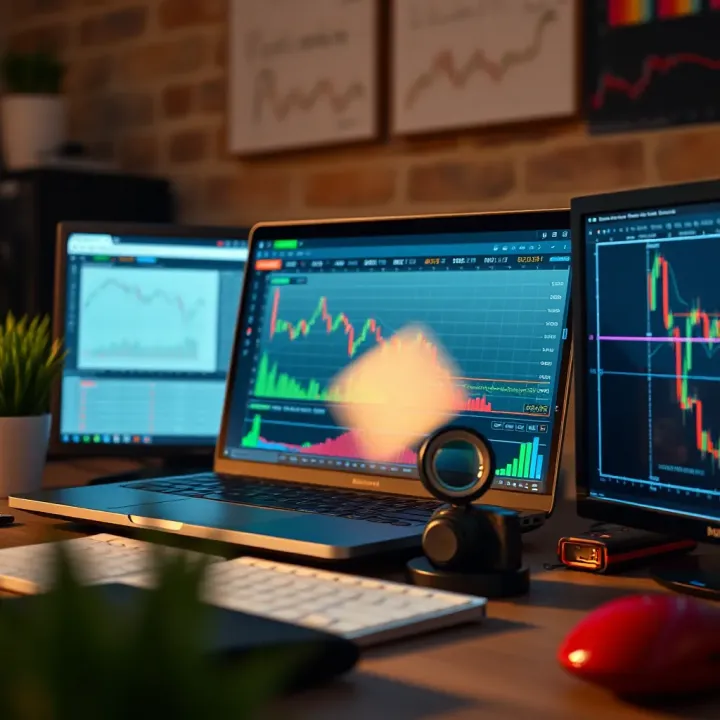
Having a dedicated workspace is key to treating forex trading as a serious business, even though you’re operating from home. A well-arranged trading corner boosts productivity and helps you avoid costly mistakes caused by distractions or technical glitches. For many Nigerian traders balancing family life and other duties, setting up the right environment ensures you can focus when the forex markets are most active.
Your device is the heart of your trading setup. While many new traders start on mobile phones due to affordability and convenience, a laptop or desktop computer offers more power and better visibility. For instance, a 15-inch laptop screen gives you enough room to view multiple charts and tools simultaneously, which is rough on smaller phone screens. When selecting your computer, prioritise reliability and speed since charting software and trading platforms like MetaTrader or MT5 need decent processing power for smooth operation.
Stable internet is a must-have. Frequent disconnects can cause missed trades, leaving your capital exposed. Nigerians often grapple with network fluctuations, so consider a fibre-optic connection with at least 10 Mbps where available. Additionally, keep a simple backup plan ready—like a mobile hotspot from MTN or Airtel using 4G/5G data—and an alternative power source, considering how often the national grid cuts off (NEPA outages). This precaution keeps your platform online and trading uninterrupted.
Once your device and internet are set, install the trading platform offered by your broker. Follow Nigerian-specific instructions if available, such as Paystack or Flutterwave integration for deposits. Personalise settings to suit your strategy—for example, setting default stop-loss and take-profit levels, and configuring chart timeframes. Proper platform setup reduces entry errors and speeds up decision-making. Always run a test using demo accounts before going live to confirm everything performs as expected.
Home environments can be noisy, with family members, neighbours, or street traders often causing interruptions. Dedicate a quiet room or corner where you can close the door and switch off unnecessary notifications. Using noise-cancelling headphones also helps to stay focused. Inform your household about your trading hours so they respect your space, just as you’d expect in an office.
Forex markets operate 24/5 across different time zones, so you need to align your activities with major sessions like London and New York. Nigerian traders usually find London session (2 pm to 11 pm WAT) accessible and active. Plan your trading activities during these hours but also consider local factors such as power availability and personal energy levels. Having fixed trading hours keeps you disciplined and avoids burnout.
Discipline is your best trading asset. Stick to planned sessions, avoid chasing the market impulsively, and keep regular breaks to refresh your mind. Use digital tools like calendar reminders or trading journals to track progress and reflect on mistakes. Proper mental attitude keeps emotions like fear or greed at bay, which are common pitfalls among beginner Nigerian traders.
Setting up your trading space at home is more than buying gadgets; it’s about creating conditions that support sharp decisions and steady performance in the volatile forex market.
By focusing on the right technology and environment, you enhance your chances to trade effectively and avoid common mistakes linked to poor setups or home distractions.
Developing effective forex trading strategies is at the heart of becoming a successful trader. Without clear methods, you risk losing capital quickly or missing profitable opportunities. In Nigeria, where markets can be volatile and external economic factors weigh heavily, mastering strategies tailored to local and global conditions gives you a practical edge.
Understanding technical analysis basics means learning how to read price charts, identify trends, and use indicators like Moving Averages or Relative Strength Index (RSI). This helps you spot entry and exit points. For example, if the RSI shows a currency pair is oversold, you might decide to buy, expecting a price rebound. Technical analysis simplifies complex market movements into visual guides, which beginners can use to plan trades rather than relying on guesswork.
Fundamental analysis with attention to global and Nigerian economic data involves monitoring economic reports such as Nigeria's inflation rate, Central Bank of Nigeria (CBN) policies, or US Federal Reserve interest rate decisions. These influence currency values dramatically. When Nigeria announces a new monetary policy or oil prices swing, the naira can react sharply. Understanding these fundamentals helps traders anticipate market shifts beyond technical charts.
Demo accounts for hands-on practice are essential for beginners to apply theory without risking real money. Most Nigerian brokers offer demo platforms with virtual capital where you can execute trades and test strategies. This practice builds confidence and exposes you to platform functions and market timing before committing your trading capital.
Setting stop-loss and take-profit points protects your funds by automatically closing a trade at a predetermined loss or profit level. For instance, if you buy EUR/USD at 1.1000, you might set a stop-loss at 1.0950 to limit losses to 50 pips and take-profit at 1.1100 to secure gains. Using these orders prevents emotions from forcing bad decisions during volatile sessions.
Deciding on position size and leverage means choosing how much of your capital to risk per trade and how much borrowed money (leverage) to use. In Nigeria, where volatility can be high, low to moderate leverage (e.g., 1:10) and small position sizes protect you from heavy losses. For example, risking just 2% of your trading budget per trade helps manage drawdowns and sustain longer-term trading.
Avoiding overtrading and emotional decisions is vital. Beginners often get tempted to trade frequently after losses or gains, driven by impatience or fear of missing out. Nigerian traders should keep to their trading plans and take breaks when emotions rise. Discipline keeps you from chasing losses or entering trades without proper analysis.
Smart trading strategies, coupled with disciplined risk management, form the backbone of consistent forex success. Always approach trading as a business, not a gamble.
By practising these techniques and managing risks carefully, you can navigate the forex markets with clear direction and a better chance of growth while trading from home in Nigeria.
Managing your trading capital and profits carefully is vital for long-term success in forex trading. Without a clear plan, even the best trades can lead to losses when funds are mismanaged. Handling your money responsibly protects you from unnecessary risks and helps build steady growth, especially when trading from home in Nigeria, where market unpredictability and exchange rate swings are common.
Starting with a reliable funding method makes trading smoother. Nigerian banks like GTBank, Access Bank, and Zenith support transfers to reputable forex brokers. USSD codes (e.g., *909# for FirstBank) enable quick transactions without internet access, serving traders in areas with unstable connectivity. Plenty of fintech platforms like Paystack, Flutterwave, and OPay also facilitate swift deposits, often with lower transaction charges compared to traditional bank transfers.
Since forex trading involves foreign currencies, the naira’s fluctuating value can affect your trading capital. For example, funding an account in dollars today might cost ₦520/$1, but next week, it could rise to ₦540/$1, meaning you pay more naira for the same amount of forex funds. Traders should monitor the exchange rates closely and consider timing their deposits when the naira is relatively stable or strong to maximise capital.
Security must be non-negotiable when moving money. Always use verified bank accounts linked with your forex broker and avoid third-party transfers. Never share your banking details or PINs over calls or messages. Using fintech platforms with strong security layers, such as two-factor authentication (2FA), adds extra protection. While scams exist, sticking to trustworthy brokers and official payment channels minimises exposure.
Withdrawing profits promptly prevents issues with blocked funds or sudden policy changes. Always check your broker’s withdrawal policies—some require minimum withdrawal amounts or charge fees that can reduce your payout. Timing withdrawals around favourable forex rates can also increase your naira returns. Keeping withdrawal records helps track your earning timeline and highlights any discrepancies for quick resolution.
Profits from forex trading are subject to taxation under Nigerian tax law, classified as capital gains or business income depending on your trading frequency. The Federal Inland Revenue Service (FIRS) expects you to declare your earnings for proper assessment. Ignoring this can lead to penalties or complications during audits. It’s wise to consult tax professionals familiar with trading income to stay compliant.
Maintaining accurate records of all trades, deposits, withdrawals, and fees is essential. Use digital tools like Excel sheets or dedicated finance apps to organise transactions by date and amount. This practice simplifies tax filing and offers clear evidence during tax reviews. Plus, consistent record-keeping provides insight into your trading performance to guide future decisions.
Responsible handling of your trading funds, both in and out of the forex market, is the backbone of sustainable trading success. Doing so protects your investments, ensures legal compliance, and builds confidence to grow your trading career from home in Nigeria.
🕒 Discover the best time for forex trading in Nigeria! Learn about global sessions, overlaps, and top tips to boost your trading success effectively.
Master forex trading in Nigeria with practical strategies 🏦. Learn risk management, market analysis, solid trading plans, and stay disciplined for better results 📈.
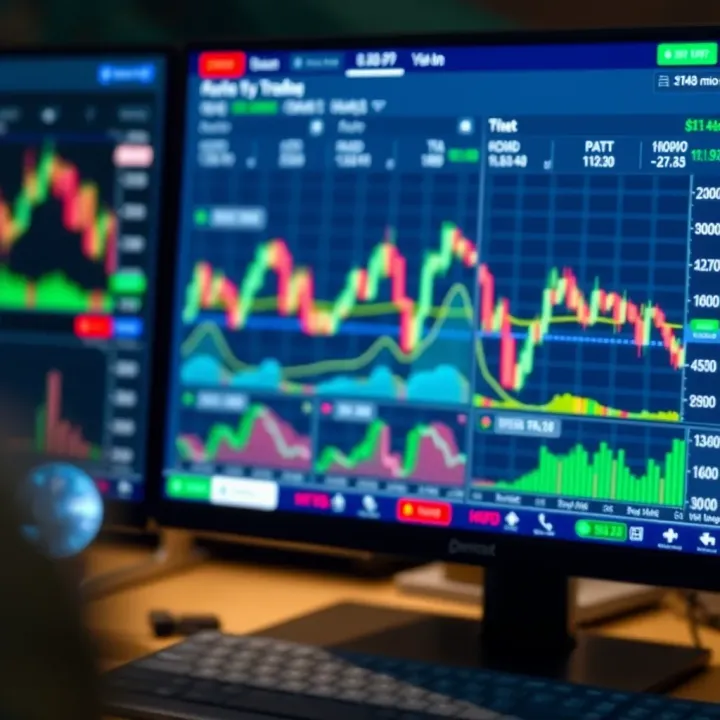
Discover how to pick the best forex trading platform in Nigeria 🏦. Learn about features, costs, security, and tips to trade confidently in forex markets.
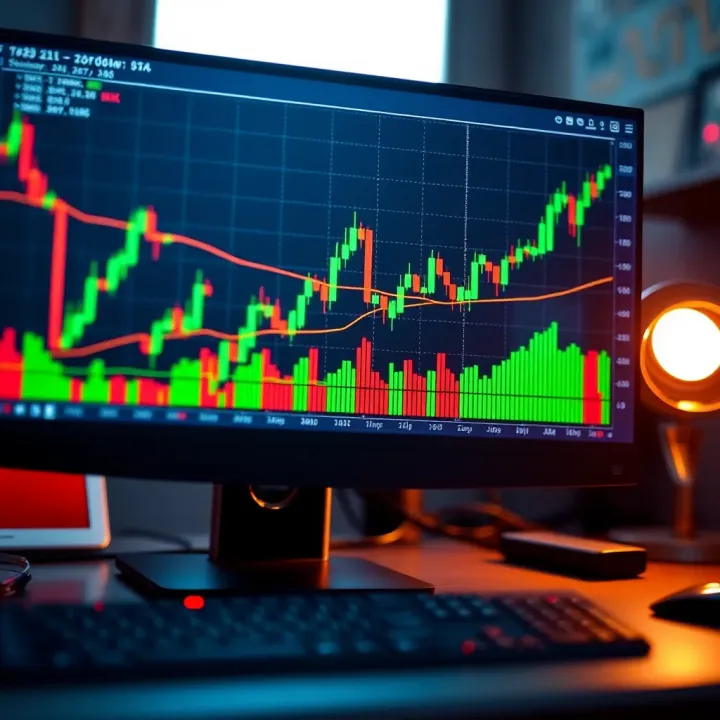
Discover smart forex trading tips for Nigerian traders 🇳🇬. Learn about risk management, local market effects, trusted platforms, and broker advice to trade wisely.
Based on 11 reviews