

Best Time for Forex Trading in Nigeria
🕒 Discover the best time for forex trading in Nigeria! Learn about global sessions, overlaps, and top tips to boost your trading success effectively.
Edited By
Charlotte Spencer
Forex trading in Nigeria continues to attract many as a viable way to earn extra income or build a professional trading career. However, starting out without the right knowledge can lead to losses rather than gains. That's why a free forex trading course, designed with Nigerian traders in mind, can be a practical and cost-effective way to acquire essential skills without risking ₦100,000 or more on paid courses.
Learning forex basics involves understanding currency pairs like USD/NGN or EUR/USD, how pricing moves, and key terms such as pips, leverage, and margin. A good course will break down these concepts clearly, often with local examples that reflect market conditions unique to Nigeria—like the effect of naira volatility and the Central Bank of Nigeria's policies.
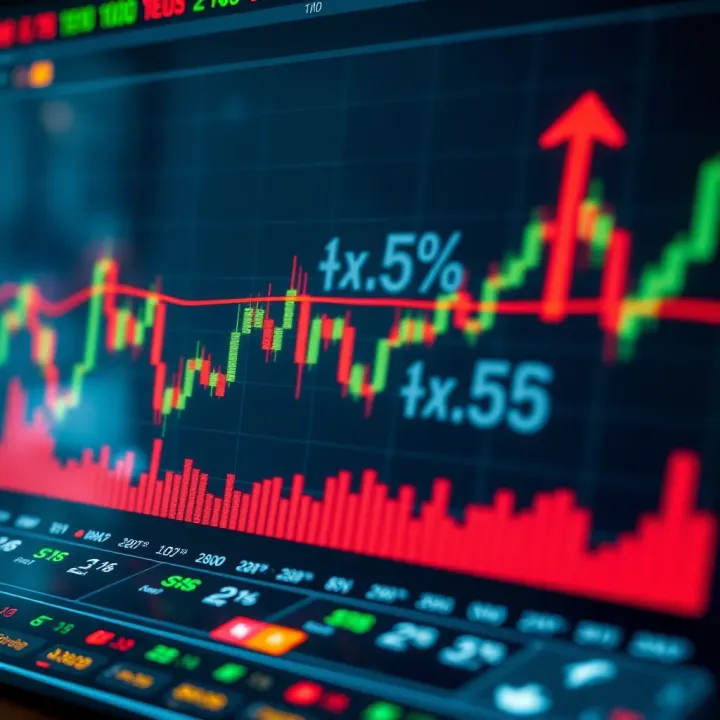
Choose your course provider carefully. Look for established platforms that offer practical lessons, demo account access, and credible instructors. Several Nigerian fintech innovators and forex educators offer free video tutorials and webinars, making it easier to grasp trading platforms like MetaTrader 4 and 5 or local options such as OPay's trading features.
Market fundamentals: What moves forex markets and how economic events in Nigeria or globally create trading opportunities
Technical analysis: Using charts, indicators, and patterns to predict price movements
Risk management: Techniques to protect your capital, including stop-loss orders and proper position sizing
Trading psychology: Managing emotions like fear and greed, which can undermine decision-making
Starting with a free forex trading course helps you learn by doing, using demo accounts to practice without real money. This safe environment builds confidence before you risk actual funds in live markets.
For Nigerian traders, it's useful to also understand how to fund your trading account securely via local banks, USSD, or trusted fintech payment systems, plus be aware of regulations by the Securities and Exchange Commission (SEC) Nigeria.
By following a structured, no-cost course tailored to local realities, you avoid common pitfalls and develop strategies aligned with Nigerian market dynamics. This approach sharpens your skills and positions you better to trade confidently and sustainably in the forex space.
In the sections ahead, we'll explore specific courses, strategies, and practical tips to set you up for success in forex trading within Nigeria's financial environment.
Understanding the basics of forex trading is a critical step for anyone looking to enter this market, especially Nigerian traders. Knowing how the market works helps you make informed decisions and manage risks effectively. Forex, or foreign exchange trading, involves buying and selling currencies to profit from their price movements. This knowledge foundation prevents costly errors and builds confidence before committing real money.
Forex trading is the process of exchanging one currency for another at current or expected future prices. It operates through a global, decentralized marketplace where banks, governments, corporations, and individual traders participate. Unlike stock markets with fixed trading hours, the forex market runs 24 hours a day across different time zones, making it accessible for Nigerian traders at almost any time. For example, a trader in Lagos can engage when European markets open in the morning or when the US market starts in the afternoon.
The goal is to buy a currency pair at a lower price and sell it at a higher price, or vice versa. For instance, if you expect the US dollar (USD) to strengthen against the Nigerian naira (NGN), you might buy USD/NGN, hoping to sell later at a better rate.
Key currency pairs include majors like EUR/USD, GBP/USD, USD/JPY, and also the USD/NGN pair, which is crucial for Nigerian traders. Market players range from multinational banks and hedge funds to retail traders using platforms like MetaTrader. Each player’s actions influence liquidity and price volatility, which can create trading opportunities or risks.
The Central Bank of Nigeria (CBN) plays a significant role in Nigeria’s forex market. It sets policies that affect currency stability and trading conditions. For example, the CBN controls foreign exchange interventions to manage naira value and curb excessive volatility. This intervention shapes the market environment Nigerian traders operate within and can affect potential profits or losses.
In terms of regulations and compliance, the CBN mandates that forex trading in Nigeria must occur through licensed brokers and authorised dealers to protect consumers from fraud. Nigerian traders are required to follow guidelines that include proper registration with the relevant bodies and due diligence by brokers. These rules help reduce the risk of scams, which have been common in unregulated forex dealings. Traders should verify their broker’s regulatory status to stay safe.
Trading forex in Nigeria requires understanding both global market mechanics and local regulatory frameworks to succeed and protect your investment.
By grasping these fundamentals, Nigerian traders can better navigate the forex world and participate confidently, whether investing spare funds or building a trading career.
Finding a reliable free forex trading course is the first step towards becoming a confident trader in Nigeria’s dynamic market. A quality course builds your foundation, helps you avoid common pitfalls, and equips you with skills that actually work. With many options online, it’s easy to waste time on shallow or outdated content. So, knowing how to identify a serious and practical course saves you both time and money.
Not all courses cover what you really need. A good course should address specific basics such as how currency pairs work, market hours relevant to Nigeria, and practical trading techniques. Beyond the basics, it should explain technical tools like candlestick charts and indicators while also touching on macroeconomic factors affecting naira pairs.
Courses that dive deep into topics with step-by-step examples usually fare better. For instance, a course that teaches setting stop-loss orders with clear examples of ₦-naira-denominated trades offers more value than one that only talks about concepts vaguely. Avoid courses that cram too much theory with little practical use, especially those failing to address the peculiarities of trading from Nigeria.
Who teaches the course matters a lot. Ideally, instructors should have proven trading experience, preferably in African or specifically Nigerian markets. This practical insight translates to lessons that respect local realities like naira volatility and internet reliability challenges.
Before committing, check reviews and testimonials. Some platforms allow learners to rate courses or instructors, highlighting strengths and weaknesses. For example, if many students say an instructor explains concepts clearly and provides ongoing support, that’s a positive sign. Avoid courses with little feedback or overly generic praise, as these might signal low-quality content.
Several reputable online platforms provide free forex training accessible to Nigerian traders. Websites like BabyPips have earned respect worldwide for beginner-friendly content. Others, including Investopedia's forex section and various YouTube channels, offer comprehensive video lessons.
Additionally, fintech companies and Nigerian investment communities on platforms such as Twitter and Facebook often share free webinars and guides. These local gatherings sometimes address Nigeria-specific issues like CBN policies or naira exchange fluctuations, adding an extra layer of relevance.
Choosing a local course provider means the content often focuses on Nigeria’s trading environment. Trainers can account for common challenges like power outages, internet interruptions, or local broker reviews. Nigerian platforms also tend to explain how to navigate deposit methods involving local banks or wallets without high charges.
On the other hand, international providers generally offer a wider range of strategies and market perspectives. They can introduce global best practices and advanced technical skills but might not fully address local trading hurdles. For beginners, blending both approaches benefits learning — start with local-focused content, then expand to international resources as you gain confidence.
Remember, finding the right free forex trading course is not just about cost but the practical value it brings to your trading journey. Investing time in selecting quality material pays off well.
Developing solid trading skills and strategies is essential for any trader, especially beginners in Nigeria aiming to navigate the forex market successfully. Practical knowledge of how markets move, identifying trends, and managing risks can mean the difference between steady profits and costly losses. Getting these fundamentals right builds confidence and discipline necessary to trade effectively.
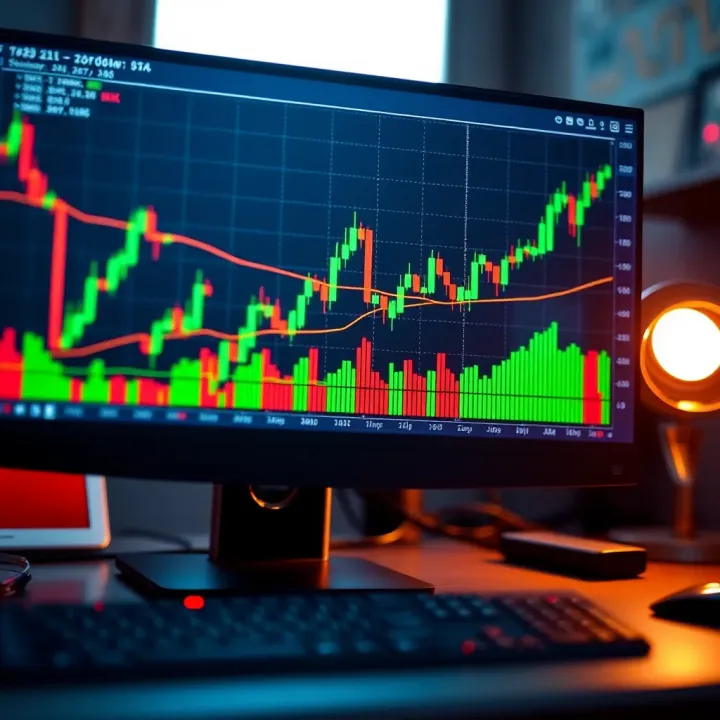
How to read charts and price movements: Charts are like maps that show where price has been and hint where it might go. Learning to read candlestick charts can provide your first insight. For example, a long green candle generally signals strong buying pressure. Watching how prices react around support and resistance levels helps traders know when to enter or exit a trade. Nigerian traders often rely on free charting tools like TradingView or MetaTrader for these. Understanding chart patterns such as head and shoulders or double tops gives clues to upcoming price shifts, guiding better decisions.
Understanding economic indicators relevant for forex: Economic data affects currencies directly. Indicators like Nigeria’s inflation rate, GDP growth, or Central Bank of Nigeria (CBN) interest rate decisions influence how the naira performs against other currencies. For instance, if the CBN raises rates, it may strengthen the naira by attracting foreign investment, impacting your forex trades. Keeping an eye on US non-farm payrolls or Eurozone GDP figures is also useful since these major economies affect global forex flows. Traders need to interpret these numbers, not just follow headlines, to anticipate market moves and adjust their strategies accordingly.
Setting stop-loss and take-profit points: These are basic tools to protect your capital and lock in profits. A stop-loss automatically sells a position if the price hits a certain level, limiting losses. For example, if you buy USD/NGN at ₦450 and set a stop-loss at ₦440, your loss will be limited to ₦10 per unit if the price falls. Similarly, a take-profit point closes your trade at a pre-set profit level. Using both ensures emotions don’t force poor decisions during volatile market swings.
Managing trading capital wisely: Many new traders risk too much money on a single trade, often wiping out their accounts. A recommended approach is to risk only 1–2% of your trading capital per trade. So, if you have ₦100,000, you shouldn’t risk more than ₦1,000–₦2,000 per trade. This strategy helps survive losing streaks and stay in the game longer. Also, avoid overtrading or chasing losses; patience and discipline pay dividends in the long run.
Mastering these skills ensures you don’t gamble but trade with a plan, increasing your chances of consistent success in Nigeria’s dynamic forex market.
Taking a free forex trading course is just the beginning. Knowing how to practically move from theory to hands-on trading is essential, especially given the specific challenges Nigerian traders face. This section focuses on the key steps to get started confidently, from selecting the right broker to opening trading accounts, giving you a solid footing to trade in Nigeria's forex market.
Your broker needs to be licensed by a recognised authority, preferably regulated by international bodies like the Financial Conduct Authority (FCA) or Australian Securities and Investments Commission (ASIC). While Nigeria's own regulatory environment for forex brokers is still evolving, opting for brokers with strong global licences reduces the risk of fraud. A trustworthy broker safeguards your funds, offers transparent trading conditions, and obeys financial rules. For instance, many Nigerian traders prefer brokers regulated internationally because they offer clearer customer protection compared to unregulated operators in the local market.
Good brokers provide deposit methods friendly to Nigerian traders, such as bank transfers via GTBank, Access Bank, or local payment apps like Paystack and Flutterwave. Accepting naira deposits without excessive conversion fees helps you save money. Beyond payment convenience, customer support is critical. Ideal brokers respond quickly via live chat or phone, especially during Nigerian market hours, helping you resolve technical or account issues before losses occur. For example, access to a responsive support team can make the difference if you encounter delays during fund withdrawal or software glitches.
Demo accounts let you trade with virtual money, mirroring real market conditions without risking your capital. This practice is invaluable for testing strategies and gaining familiarity with the broker's platform. Many Nigerian traders use demo accounts to understand how to execute orders, interpret charts, or set stop-loss points before moving to real money trading. It’s the trading equivalent of driving a tokunbo car before buying a brand-new one — you get to know the ins and outs without stress.
Once confident on the demo platform, switching to live trading should be smooth. Many brokers allow you to use the same login credentials, keeping your settings and preferences intact. Starting small is key — begin with a modest amount, like ₦50,000 or ₦100,000, to manage risk while you gain real market experience. A seamless transition prevents you from feeling overwhelmed and keeps the learning curve gentle, improving your chance to make steady profits rather than rushing in blind.
Taking practical and cautious steps after your course will greatly improve your forex trading success in Nigeria. Choosing a reliable broker and starting with demo accounts before live trading can protect you from early pitfalls.
Through these steps, you move beyond theoretical knowledge and set yourself up for real, realistic trading in Nigeria's forex environment.
Navigating Nigeria's forex trading scene presents unique challenges that every trader needs to understand. From dealing with the naira's unpredictable swings to frequent power cuts, these obstacles can directly affect your trading results. Recognising these hurdles and adopting solid strategies helps you stay ahead and protect your capital.
Managing naira volatility and exchange rate fluctuations is a major concern for Nigerian traders. The naira often faces sudden shifts due to factors like changes in Central Bank of Nigeria (CBN) policy, oil price swings, and import demands. For instance, a sudden drop in crude oil prices can weaken the naira, affecting your trading funds if you rely on naira deposits. To cope, traders can consider using stable foreign currency accounts where possible or hedge against currency risk. Also, keep tabs on official CBN exchange rates and the parallel market to avoid unpleasant surprises when funding or withdrawing your accounts.
Handling power outages and network issues during trading is a practical challenge in many parts of Nigeria. Frequent NEPA/DISCO blackouts and poor internet connectivity can cause losses when you miss timely trade executions or fail to close positions. To minimise risk, ensure you have a reliable power backup system like a UPS or generator. Using mobile data alongside a stable broadband connection is also wise, especially during volatile market periods. Traders in Lagos and Abuja often carry power banks and portable routers as a backup. Preparing for these disruptions safeguards your trades and reduces stress during critical moments.
Identifying red flags in brokers and courses is vital because the Nigerian market has seen a rise in scams hidden among forex promises. Watch out for brokers demanding unusually high initial deposits, refusing transparency about their licences, or lacking clear customer support. Similarly, some "free" courses may push paid signals or require hidden fees. A good practice is to verify broker registration with the Securities and Exchange Commission (SEC) Nigeria or recognised international authorities. Also, read reviews carefully and try contacting existing users for honest feedback.
Verifying authenticity of free resources helps you avoid wasting time or falling victim to fraud. Authentic free forex courses usually provide clear curriculum outlines, credible instructor backgrounds, and sometimes even offer demo videos or snippets. Beware of sites promising guaranteed profits or overnight success — these are typical bait. Trusted Nigerian platforms or established forex education websites tend to offer genuine free content without pressuring you to buy. Always cross-check the resource's credibility through independent forums or social media communities dedicated to Nigerian traders.
Staying alert to these practical challenges can make the difference between consistent profits and costly mistakes in forex trading within Nigeria.
In summary, managing local market risks and discerning trustworthy information are non-negotiable skills for Nigerian forex traders. Armed with these insights, you can trade wisely and build confidence in your forex journey.
🕒 Discover the best time for forex trading in Nigeria! Learn about global sessions, overlaps, and top tips to boost your trading success effectively.
Master forex trading in Nigeria with practical strategies 🏦. Learn risk management, market analysis, solid trading plans, and stay disciplined for better results 📈.
Discover how to pick the best forex trading platform in Nigeria 🏦. Learn about features, costs, security, and tips to trade confidently in forex markets.
Discover smart forex trading tips for Nigerian traders 🇳🇬. Learn about risk management, local market effects, trusted platforms, and broker advice to trade wisely.
Based on 9 reviews