
Best Forex Trading Tips for Nigerians
Explore the best forex trading options in Nigeria 🇳🇬! Learn how to pick brokers, understand regulations, manage risks, and create winning strategies.
Edited By
William Hughes
Forex trading software is transforming how Nigerian traders access the global currency markets. These tools offer the convenience and speed that manual trading methods simply cannot match. If you want to engage in forex trading in Nigeria, understanding the software landscape is necessary to make smart decisions.
At its core, forex trading software is a platform enabling you to buy and sell currencies directly from your computer or smartphone. Unlike traditional methods reliant on phone calls or manual charts, this software automates much of the trading process and provides real-time market data to guide your moves.
There are different types of forex software available, tailored for various skill levels. Beginners often start with user-friendly apps like MetaTrader 4 (MT4) or MetaTrader 5 (MT5), which offer simple interfaces plus educational tools. More advanced traders might prefer platforms with algorithmic trading capabilities or integrated expert advisors (EAs) for automated strategies.
For Nigerian traders, selecting the right software means considering both local challenges and market opportunities. Network reliability and data costs are major factors in software performance. Platforms that allow offline analysis or low-data modes help tackle Nigeria’s fluctuating internet quality.
Using forex software without understanding its features is like driving a danfo in rush hour traffic without knowing the routes. You need clarity on what each tool offers before committing your funds.
Key features to look for include:
Real-time price feeds and charting tools for accurate market analysis
Easy access to currency pairs popular within Nigerian markets, like USD/NGN and EUR/NGN
Reliable order execution speed to avoid slippage during volatile periods
Risk management tools such as stop-loss and take-profit settings
Beyond features, Nigerian traders should also check the software’s regulatory compliance and security standards. Platforms regulated by credible bodies like the Securities and Exchange Commission (SEC) Nigeria or international equivalents add trustworthiness.
Practical use of forex trading software in Nigeria is rising, with popular providers like MT4, MT5, and cTrader dominating among retail traders. Local brokerages often integrate these platforms with payment solutions such as Paystack or Flutterwave, easing deposits and withdrawals.
This guide will walk you through types, features, risks, and best practices so you can make confident software choices for your forex trading journey in Nigeria.
Forex trading software is the backbone of modern currency trading, especially for Nigerian traders who want to navigate the complexities of the foreign exchange market. This software tools provide practical benefits such as faster trade execution, better market analysis, and access to global markets not easily reachable without technology. Understanding what these programs do and how they operate helps traders avoid costly mistakes and improve their chances of success.
Automating trades and analysis
Forex trading software automates many tasks that would otherwise require hours of manual effort. For example, some platforms allow the use of expert advisors (EAs) or trading bots that execute trades based on pre-set rules without manual intervention. This is especially useful for Nigerian traders who want to avoid losing time while stuck in traffic or during power outages, as they can have trades managed in real time. Automation also reduces human error and emotional decision-making, which often leads to losses.
Providing real-time market data
One key feature of forex software is delivering live market prices, news, and updates as they happen. Since currencies fluctuate every second, having up-to-the-minute data ensures traders don't miss critical trading opportunities or react too late. For Nigerian traders, real-time data is essential when trading major pairs like USD/NGN or EUR/USD, where sudden news or Central Bank of Nigeria (CBN) policy changes can rapidly affect prices.
Facilitating technical analysis and charting
Forex software comes with tools for technical analysis such as moving averages, RSI, and Fibonacci retracements. These allow users to spot patterns, trends, and key support or resistance levels through charts. Access to multiple chart types helps Nigerian traders analyse market behaviours clearly—even if they're novice—enabling more informed decisions. For instance, a trader might identify a breakout pattern on a candlestick chart and plan their entry accordingly.
Access to global markets
Forex software connects Nigerian traders to currency markets worldwide 24/7, something that would be impossible manually or through local intermediaries alone. It breaks down barriers, enabling you to trade pairs involving the naira and other international currencies from anywhere in Nigeria. This access is critical because local naira liquidity markets are often limited or less transparent.
Speed and efficiency in trading
In forex trading, every second counts. Software ensures fast execution of orders, so you’re less likely to get stuck with delayed trades or slippage, which are common problems in unstable internet environments. For example, trading manually through phone calls or emails would be too slow in comparison. The software speeds up processes, making it easier to react quickly to market movements and secure better prices.
Bridging gaps caused by local market challenges
Nigerian traders often face challenges like intermittent power supply and unreliable internet connections. Forex trading software offers features that help mitigate these issues, such as offline data analysis or alerts that notify users of price changes via SMS or mobile notifications. Many platforms now also offer mobile apps optimised for Nigerian networks, letting traders operate seamlessly even on limited data plans.
Using forex trading software intelligently allows Nigerian traders to work around local constraints and tap into global opportunities with better speed, accuracy, and confidence.
Understanding the types of forex trading software available is essential for Nigerian traders to navigate the complexities of the currency market effectively. Each type serves different trading styles and needs, offering specific tools that can optimise decision-making and improve trade execution.
Expert advisors (EAs) and bots automate trade execution based on pre-set rules and strategies. These programs monitor the market constantly and can execute trades without human intervention, which is particularly beneficial for Nigerian traders dealing with internet fluctuations or irregular power supply. For instance, EAs can open or close positions at certain price levels, ensuring timely responses to market movements even when the trader is offline.
Algorithm-based trading uses complex mathematical models to analyse vast amounts of data and execute high-frequency trades. This approach suits more advanced Nigerian traders who rely on quantitative analysis and speed. Algorithmic systems often spot short-term opportunities that might be missed in manual trading, but they require reliable internet and server connections for optimal performance.
User-controlled trading with software assistance provides a balance between automation and trader input. Here, the trader makes the final decisions, but the software offers real-time data, alerts, and trade suggestions. This method suits Nigerian traders who want control over their strategies while benefiting from digital tools powering their decisions.
Customisable indicators and signals allow traders to tailor their technical analysis to suit their preferences and trading goals. Many platforms let users add or adjust indicators like moving averages or RSI (Relative Strength Index), enhancing the ability to predict market trends. Nigerian traders can tweak these tools to respond better to local market volatility or specific currency pairs such as USD/NGN.
Trading on mobile devices has grown significantly, especially in Nigeria where smartphone use outpaces desktop access. Mobile apps give traders the flexibility to monitor and execute trades anytime, even while commuting in a danfo or at a barbing salon. This mobility supports swift reactions to market changes, crucial in forex where timing affects profitability.
Popular apps used in Nigeria include MetaTrader 4 and 5, OANDA, and IG Group. These apps are well-regarded for their reliability and user-friendly interfaces. For example, MetaTrader apps provide comprehensive charting tools and access to numerous forex brokers, making them a preferred choice among Nigerian traders seeking both manual and automated trading options.
Choosing the right type of forex trading software depends on your trading style, available resources, and the level of control you want over your trading decisions. Nigerian traders should weigh these aspects carefully to maximise their chances of success in forex markets.
Choosing the right forex trading software matters a lot for Nigerian traders because it directly impacts your efficiency, analysis, and overall trading success. The software needs to fit well with your trading style and adapt to local challenges like internet and power issues. Below, we look at key features every trader should weigh before committing.
A straightforward, user-friendly interface helps traders get started fast without the need for long tutorials or technical help. For Nigerians, especially beginners, software that’s clutter-free with clear menus and easy-to-understand options reduces the learning curve and prevents costly mistakes. Imagine trying to navigate complex menus while Lagos traffic drains your patience—it doesn't help patience at all. Popular platforms like MetaTrader 4 (MT4) earn favour partly because of their intuitive design.
Forex traders differ widely in approach, so being able to personalise software matters. Customisation can include setting up favourite currency pairs, adjusting chart styles, or creating alerts for specific trade triggers. For instance, if you prefer trading Naira against the dollar or euro, you want quick access and tailored indicators rather than hunting through irrelevant data. Customisable layouts also help during busy market hours so you can focus on what matters most to you.
Good forex software must provide a solid selection of technical indicators like Moving Averages, RSI, MACD, and Fibonacci retracements with precise calculations. Nigerian traders rely on these tools to make sense of volatile markets affected by factors such as naira fluctuations or CBN policies. Inaccurate or limited indicators can lead to poor decisions, like entering trades late or exiting too soon.
Different chart types (line, bar, candlestick) suit various trading styles. For example, candlestick charts are totally popular among day traders since they give lots of information on price movement, while long-term investors might prefer line charts for a cleaner overview. Having an option to switch easily between these views within Nigerian forex software helps traders spot opportunities without jumping between apps.
Internet in Nigeria can be patchy, especially outside major cities. Trading software that works smoothly even on slower or unstable connections ensures you don’t lose valuable moments when markets move fast. Some apps store data offline or reconnect automatically. If you rely on real-time quotes, software with adaptive data fetching reduces dropouts during power outages or network glitches.
Even a second’s delay can make the difference between profit and loss in forex trading. Fast software execution lets traders enter or exit positions promptly, which is critical when naira-dollar rates swing sharply. Nigerian traders should look for platforms that guarantee low latency and quick order processing without freezes or delays, especially during busy trading hours.
Financial data is sensitive. Look for forex software that uses strong encryption to protect your account details, trading history, and personal information from interception. Encryption shields your data when trading on public Wi-Fi spots like a barbing salon or busy market. It's non-negotiable for keeping your funds and identity secure.
Cybersecurity threats are rising worldwide, including Nigeria. Reliable forex platforms offer features like two-factor authentication (2FA), continuous monitoring, and alerts for unusual activity. Such protection prevents unauthorised access and fraud attempts, giving you peace of mind while focusing on your trades.
Always match software features with your trading needs and local realities. A combination of ease, solid charts, reliability, and strong security will help you trade more confidently and avoid common pitfalls prevalent in the Nigerian forex scene.
Forex trading software offers distinct advantages for Nigerian traders, but it also comes with risks that deserve careful consideration. Understanding these pros and cons helps traders navigate the forex market more confidently, leveraging technology without falling into common pitfalls.
Forex trading software opens doors to the global currency markets, which Nigerian traders can access directly without needing intermediaries. This access is crucial because it lets traders respond to market events in real time and take advantage of price fluctuations across different regions. For instance, a trader in Lagos could react quickly to changes in the USD/EUR pair driven by European market news without delays that manual checks might cause.
Moreover, the software provides powerful analysis tools, including live charts, trend indicators, and economic calendars. These features help users interpret market signals that can boost their decision-making accuracy. For example, software like MetaTrader 4 or 5 gives easy access to Fibonacci retracements and RSI indicators which can guide entry and exit points, unlike trading by gut feeling.
Automation is one of the most practical benefits of forex software. Given how hectic everyday life can be in Nigerian cities like Abuja or Port Harcourt, automated systems let traders set predefined conditions for buying or selling currencies. The software then executes these trades automatically, saving time and reducing the need to monitor markets constantly.
For example, a trader using expert advisors (EAs) can focus on their day job while the software handles trade openings and closures based on preset strategies. This feature also cuts down reaction time during volatile periods, potentially limiting losses and securing profits without being physically online all the time.
By combining better market access, comprehensive analysis, and automation, forex trading software can improve overall profitability. Sophisticated algorithms can spot profitable trades that might escape human eyes and manage multiple trades simultaneously more efficiently than manual efforts.
Nigerian traders who consistently use software to analyse data and automate trades often find they can secure steady returns, especially when employing disciplined strategies. However, consistent profitability depends on choosing the right software and understanding its features fully.
Depending too much on automated trading is a significant risk. Some traders might treat the software as a "set and forget" tool, believing that profits will come without involvement. Unfortunately, this mindset can lead to careless trading because software can't sense market sentiment shifts or unexpected news events that require human judgment.
For example, during unexpected political announcements in Nigeria or key US Federal Reserve meetings, markets may behave erratically. Automated systems may not adapt well unless specifically programmed, which can result in losses.
Technology is prone to faults, and forex software is no exception. Poor internet connectivity, common in some Nigerian regions, can cause execution delays or disconnections. Such glitches could result in missed trades or unintended trades.
Additionally, bugs or outdated versions may give false signals or fail to process data correctly. Traders have reported cases where a glitch caused significant financial loss because a stop-loss order did not trigger as intended.
The forex scene in Nigeria has its share of fraudulent schemes. Traders must be vigilant because many scam platforms promise unrealistic returns or use fake software to lure investors.
Legitimate trading software and platforms are usually licensed and regulated by reputable financial authorities. Nigerian traders should verify such credentials and avoid software linked with unlicensed brokers or those demanding large upfront fees without transparency. For instance, platforms without verifiable regulation by SEC Nigeria or international regulators like FCA should be treated with suspicion.
Always remember, while forex trading software can enhance your trading, it's not a guaranteed way to make money — vigilance, knowledge, and careful choice of tools remain essential.
In summary, forex trading software equips Nigerian traders with tools that improve access, efficiency, and possibly earnings, but these benefits come with risks. A balanced approach, combining technology and informed trading decisions, is the best bet to succeed in Nigeria's dynamic forex market.
Selecting the right forex trading software is key for Nigerian traders aiming to succeed in this competitive market. The right software should match your trading style and meet local challenges like intermittent internet and power supply. Without a good fit, you risk poor trade execution, lost opportunities, or even exposure to scams. This section highlights practical ways to pick software that suits your needs and provides examples relevant to Nigerian traders.
Day trading vs long-term strategies: Your trading strategy determines the kind of software that will work best. Day traders, who open and close multiple positions within the day, need platforms with fast execution, real-time data, and robust charting tools. For instance, a Lagos-based day trader might rely heavily on software with reliable order execution and low latency due to the unstable internet conditions. On the other hand, long-term traders or swing traders look for software with deep analytical tools and portfolio tracking to monitor trends over weeks or months. For example, a Nigerian investor focusing on trends across global markets would benefit from software offering detailed economic calendars and fundamental analysis.
Manual vs automated preferences: Some traders prefer manual control, making decisions based on their own analysis with assistance from indicators. These traders value software that provides easy-to-read charts and customisable tools. Conversely, automated traders rely on expert advisors (EAs) or bots to manage trades based on preset rules. For example, a Nigerian trader with limited time might use automated bots from platforms like MetaTrader 4, but must carefully backtest to adapt them to local market noise. Choosing between manual and automated approaches depends on your availability, technical comfort, and trust in automation.
Sources of trusted reviews: Not all online reviews are reliable; many can be biased or sponsored. Nigerian traders should look for reviews from reputable fintech websites, verified user testimonials, or independent forums like Trader’s community on Nairaland. These sources tend to highlight practical issues Nigerian traders face, such as local payment gateway integration or customer support responsiveness.
Feedback from Nigerian users: Local users’ experiences matter because some software perform differently in Nigeria’s unique environment. A forex app might work perfectly in Europe but face delays under Nigerian internet conditions. Communities and social media groups dedicated to Nigerian forex trading provide helpful insight into software behaviour, scam alerts, and even how to tweak settings to reduce data usage during peak hours.
Why demo testing matters: Demo accounts let you try a platform without risking real money. This trial period lets you understand the user interface and test trade execution times under your actual internet conditions. For Nigerian traders dealing with frequent power outages, a demo can show how well the software handles sudden disconnections or session timeouts.
Key features to try out: While testing demos, focus on order placement speed, customisation of charts and indicators, ability to place stop losses, and alerts for price movements. Also, ensure the platform’s mobile app works well if you rely on your smartphone for trading on the go in places like Lagos or Abuja where mobility is key.
Selecting software isn’t just a matter of picking a popular brand. It’s about matching that tool to how you trade, where you trade, and what local conditions demand. Taking the time to assess trading needs, check reviews, and test demos can save you from costly mistakes down the line.
Using forex trading software efficiently demands attention beyond just knowing how to trade. Nigerian traders face unique challenges like unstable power supply and inconsistent internet connections. This section offers practical advice to help you overcome these hurdles while enhancing your trading experience.
Backup internet options are vital for uninterrupted trading. Many Nigerian traders rely on mobile data, which can become patchy or slow during peak hours, especially in cities like Lagos or Abuja. Having a secondary internet source, such as a different network provider's SIM card or a portable Wi-Fi device, ensures you stay connected during crucial trade moments. For example, if MTN experiences downtime, switching to Airtel or Glo may keep your trades active and prevent losses from missed opportunities.
Power saving practices are equally important because frequent blackouts can disrupt trading software and cause data loss or delayed trade execution. Using an uninterruptible power supply (UPS) or a reliable generator can keep your computer or device powered during outages. Beyond that, optimise your device settings to consume less power—dim your laptop screen and close unnecessary apps to extend battery life. This way, you can maintain focus during long trading sessions without the risk of sudden power failure pulling the plug on your activities.
Regular updates and patches keep your forex trading software running smoothly and protected from vulnerabilities. Developers release updates to fix bugs and improve performance; neglecting these updates may expose your system to crashes or security breaches. Nigerian traders should schedule regular checks for updates, especially since software with outdated versions often fails to comply with new market regulations or trading protocols.
Antivirus and firewall use are crucial for defending your system against malware or hacking attempts. Given the number of cyber threats targeting Nigerian internet users, running trusted antivirus software alongside an active firewall adds layers of defence. This reduces the risk of malicious programs interfering with trading activities or stealing sensitive data like your bank details or BVN (Bank Verification Number).
Recognising legitimate platforms protects you from costly scams prevalent in the Nigerian trading space. Genuine forex software comes from well-known providers with a track record of reliability, clear contact details, and positive user feedback, including testimonials from Nigerian traders on forums or social media groups. Be wary of platforms promising guaranteed high returns or requiring unusual payment methods.
Confirming regulation and licensing is a sure way to avoid falling victim to fraud. Traders should verify if software providers or brokers are registered with recognised authorities like the Nigerian SEC (Securities and Exchange Commission) or international bodies such as the FCA (Financial Conduct Authority) in the UK. Legitimate firms usually display their licences openly and provide documentation upon request, helping you trade with confidence.
Consistent preparation in managing power, internet, updates, and platform credibility helps Nigerian forex traders avoid pitfalls and improve their chances of success.
By integrating these practical steps, you can ensure your trading software functions reliably in the Nigerian environment and safely navigates market opportunities.
Choosing the right forex trading software is not just about picking the most popular or feature-packed option. Nigerian traders must account for local realities such as internet stability, power fluctuations, and regulatory compliance. This conclusion pulls together practical points discussed earlier, focusing on how you can successfully integrate software tools while avoiding common pitfalls.
Using forex trading software as a tool rather than a crutch is vital for sustainable success. While software can process trades and analyse market data faster than any human, relying solely on it risks ignoring crucial market nuances or unexpected events. For example, a sudden policy change from the Central Bank of Nigeria (CBN) or an ember months fuel scarcity can disrupt markets in ways no bot or indicator could predict instantly.
Consider software like MetaTrader 4 or 5 — they offer excellent automated features, but traders still need a good grasp of market fundamentals and risk management. You should continuously develop trading skills such as interpreting economic news, understanding candlestick patterns, or reading market sentiment. That hands-on knowledge helps you interpret software outputs better and make wiser decisions when charts or algorithms send mixed signals.
The fintech sector in Nigeria is growing rapidly, bringing fresh opportunities for forex traders. New payment integrations, faster transaction methods, and more localised financial products mean trading platforms can become more accessible and efficient. Consider fintech startups like Flutterwave or Paystack which have revolutionised payments and now influence trading settlements and funding.
This fintech acceleration suggests that forex software will improve in user experience and adaptability to Nigerian market conditions. Expect tighter integration with mobile wallets, better security layers, and possibly AI-driven insights tailored to the local market.
Moreover, prospects for localised software solutions are becoming brighter. Many global platforms lack features built around Nigerian market behaviours, currency restrictions, or local regulatory frameworks. Homegrown software developed by Nigerian fintech developers will likely address these gaps. For instance, software that understands ₦-dollar exchange volatility, power outage schedules, or LIRS tax regulations could help traders make smarter, compliant decisions.
Localised software may also incorporate simplified interfaces and Nigerian English language support, making forex trading more approachable for beginners and those outside Lagos or Abuja with slower connections.
In summary, handling forex trading software well in Nigeria means balancing automated assistance with personal skill, staying updated on fintech trends, and keeping an eye out for software built especially for the Nigerian environment.
With practical knowledge and the right tools, Nigerian traders can navigate forex markets confidently and potentially improve their profitability despite market challenges.
Explore the best forex trading options in Nigeria 🇳🇬! Learn how to pick brokers, understand regulations, manage risks, and create winning strategies.
Explore forex trading in Nigeria 🇳🇬 with our detailed guide. Learn key strategies, platform tips, benefits, risks, and Nigeria-specific insights to trade smart.
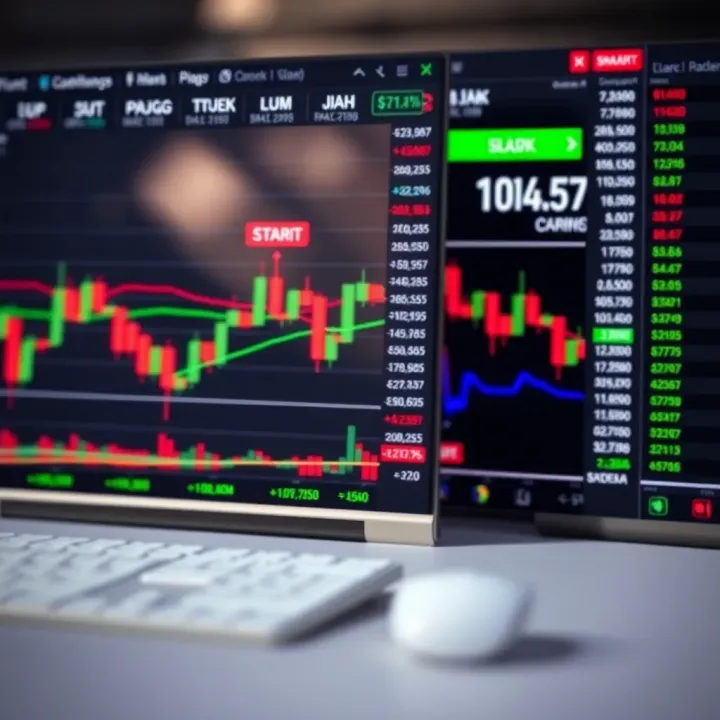
Master forex trading in Nigeria 🇳🇬 with practical tips on strategies, broker selection, risk control, and understanding local regulations for safer investing 💹.
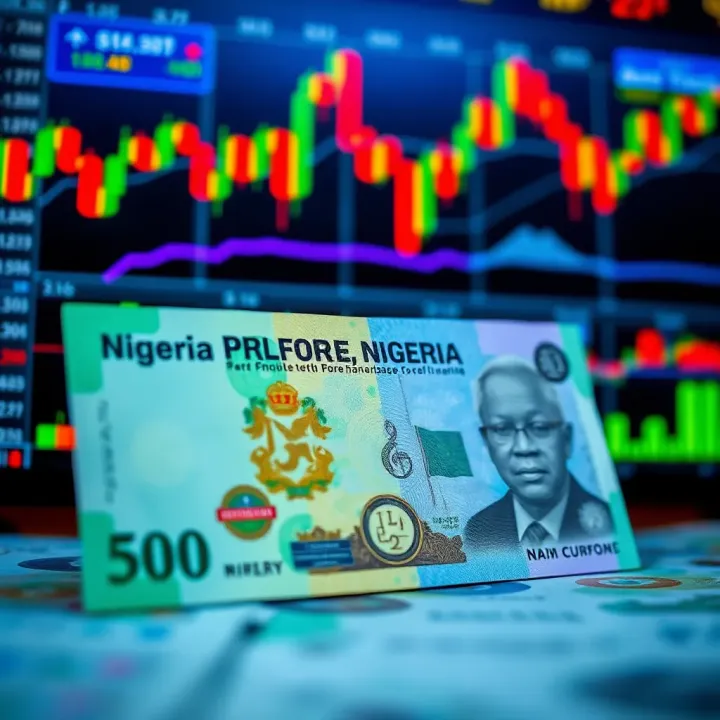
🌍 Discover forex trading basics in Nigeria! Learn market terms, pick the right broker, manage risks, and avoid common beginner mistakes today.
Based on 11 reviews