

Best Time for Forex Trading in Nigeria
🕒 Discover the best time for forex trading in Nigeria! Learn about global sessions, overlaps, and top tips to boost your trading success effectively.
Edited By
Oliver Bennett
Forex trading operates 24 hours a day, but it doesn’t mean the markets are equally active at every hour. Understanding when major forex trading sessions open and close helps Nigerian traders spot the best times to enter and exit the market to capture real movement.
The global forex market is divided into four main sessions: Sydney, Tokyo, London, and New York. Each session corresponds to a financial centre that drives trading activity during its business hours. As Nigeria sits in West Africa Time (WAT), which is UTC+1, knowing how these sessions align with Nigerian local time is key.
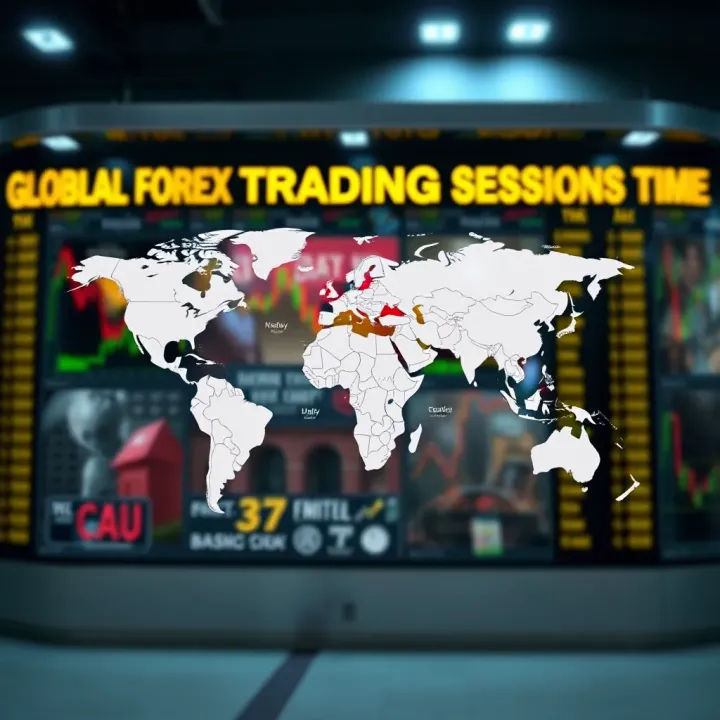
Here’s a quick rundown of the major trading sessions and their Nigerian time equivalents:
Sydney Session: Opens at 8 pm and closes at 5 am WAT. This session starts the trading day but tends to have lower liquidity when compared with European and US sessions.
Tokyo Session: Runs from 12 am to 9 am WAT. It’s quite active with Asian currencies but relatively calm for major pairs.
London Session: From 8 am to 5 pm WAT, it’s the most liquid and volatile time of the trading day, especially for pairs involving the euro (EUR), British pound (GBP), and Swiss franc (CHF).
New York Session: Opens at 1 pm and closes at 10 pm WAT. This session overlaps with London for a few hours, creating some of the day’s highest volatility.
Liquidity peaks when the London and New York sessions overlap between 1 pm and 5 pm WAT. Nigerian traders often find this period ideal to capitalize on sharp price swings.
To trade smartly in Nigeria, monitor market news and economic data releases that frequently happen during these sessions, especially London and New York. Also, align trading strategies with the sessions’ volatility and liquidity profiles. For instance, scalping and day trading may work best during volatile overlap periods, while swing trading could prefer quieter sessions like Sydney or Tokyo.
By matching forex trading sessions to Nigerian time, you get to navigate the market more effectively, avoid periods of low liquidity, and make timely decisions that can enhance profitability.
Next up, we’ll explore how session overlaps impact specific currency pairs and the best practices for Nigerian traders to manage risks.
Understanding forex trading sessions and their relation to Nigerian time is crucial for anyone keen on trading the forex market effectively from Nigeria. The forex market operates 24 hours a day but is divided into distinct sessions based on the opening and closing hours of major financial centres around the world. Knowing when these sessions begin and end in West Africa Time (WAT) helps traders time their activities to match periods of high liquidity and volatility.
Forex trading sessions are specific time blocks when major global markets are open for business. These sessions include the Asian, European, and North American trading hours. Because forex is a decentralised market, trading volume and price movements fluctuate during different sessions. For example, the Tokyo session is known for steady market activity, while the London session often brings sharper price swings due to its heavier trading volume. Nigerian traders who understand these sessions can decide when is best to enter or exit trades.
The three main forex sessions are tied to Tokyo, London, and New York markets. Tokyo’s session typically runs from 9:00 am to 6:00 pm local time, London from 8:00 am to 5:00 pm GMT, and New York from 8:00 am to 5:00 pm Eastern Time. Local times vary because of time zones and daylight saving changes. Each of these sessions influences global currency pairs differently. For instance, the GBP/USD pair sees most action during London and New York hours, while USD/JPY is more active in the Asian session.
Nigeria operates on West Africa Time (WAT), which is UTC +1. To align with Nigerian time, traders need to convert the opening and closing times of these forex markets accordingly. For example, London trading hours run from 8:00 am to 5:00 pm GMT, which translates to 9:00 am to 6:00 pm in Nigeria. Meanwhile, the New York session runs 1:00 pm to 10:00 pm WAT during standard time. Traders must also remember to adjust these times during periods of daylight saving, as Nigeria does not observe it.
Timing your trades according to Nigerian time zones maximises your chances to tap into the most active market hours, where liquidity and volatility offer better trading opportunities.
Knowing the forex session schedules in Nigerian time helps traders avoid low liquidity periods often marked by erratic price movements, and instead focus on sessions that fit their lifestyle and boost potential profits. This is especially useful for Nigerian traders balancing daily routines and market demands while navigating the unique hours of global forex activity.
Understanding the main forex trading sessions and how they align with Nigerian time is essential for any trader aiming to optimise their strategies. Each global session has its peak activity periods, and knowing these helps Nigerian traders catch the best moments of liquidity and price movement. The three major sessions—Asian, European, and North American—cover nearly 24-hour market activity. Aligning your trading hours with these sessions can improve trade timing significantly.
The Asian trading session focuses mainly on the Tokyo market, which operates roughly between 12:00 am and 9:00 am West Africa Time (WAT). Although this session tends to have lower liquidity compared to London or New York, it’s vital for traders interested in Asian currency pairs like the Japanese yen (JPY), Australian dollar (AUD), and New Zealand dollar (NZD).
For example, if you prefer trading AUD/JPY or NZD/USD pairs, mornings in Nigeria provide an active environment to execute trades before European markets open. The Asian session usually presents smaller price moves but can be less volatile, offering opportunities for conservative traders who want to avoid sharp swings.
The London session is the most active forex timeframe, running from 8:00 am to 5:00 pm Nigerian local time (WAT). Since London is a global financial hub, this period sees a surge in trading volume and volatility, particularly around market open and close. Currency pairs involving GBP, EUR, and USD typically experience stronger price action during these hours.
Because the Nigerian WAT zone shares significant overlap with London time, traders can participate in key market moves without disrupting their daily routines. For instance, if you trade EUR/USD or GBP/USD, focusing on morning to mid-afternoon trading hours local time can maximise your chance to catch decisive trends and breakouts.
The New York session runs from 1:00 pm to 10:00 pm WAT, covering the US market’s major trading hours. This session tends to have high liquidity, especially during the overlap with the London market between 1:00 pm and 5:00 pm WAT. Currency pairs like the US dollar (USD), Canadian dollar (CAD), and Mexican peso (MXN) see significant activity.
For Nigerian traders, the New York session is ideal for trading after work hours. For example, focusing on USD/NGN or USD/CAD pairs between mid-afternoon and evening can be strategically sound when the market is most responsive. The overlap period also offers tighter spreads and increased volatility—good for timely entries and exits.
Knowing how the Asian, European, and North American sessions fit into Nigerian time allows you to plan your trades around liquidity and volatility, improving your overall forex performance.
In summary, matching forex trading with these market hours—Asian session in the early morning, European during the Nigerian day, and North American in the afternoon to evening—helps traders exploit different market behaviours without clashes to daily commitments. This practical schedule enables informed positioning and better risk management for Nigerian forex participants.
Trading across forex sessions offers Nigerian traders a way to optimise their strategies by timing their activities with global market rhythms. Each session has unique characteristics in liquidity and volatility, and understanding these can directly affect profit potential and risk management.
The hours around the London and New York sessions overlap between 2 pm and 6 pm Nigerian time. This period offers heightened liquidity as both European and American traders are active, creating more opportunities for price movements and tighter spreads. For example, the EUR/USD pair often sees sharp moves during these hours, ideal for traders seeking swing trades or scalping.
On the other hand, for traders who prefer less volatile conditions, the Asian session—primarily Tokyo market hours from 1 am to 9 am Nigerian time—can provide steadier price trends, particularly for currency pairs involving the Japanese yen (JPY). Traders aiming to avoid market noise should consider this session.
Liquidity varies notably among sessions. The London session is the most liquid, handling about 35% of daily forex volume, with New York following next. Higher liquidity generally means lower transaction costs and less slippage, advantageous to Nigerian traders working with smaller accounts.
Volatility peaks during session overlaps. Liquidity spikes when London and New York overlap, leading to vigorous price action but also increased risks. For instance, sudden news releases from Europe or the US during this time can cause rapid price jumps, demanding swift decisions from traders.
Conversely, the Asian session tends to show subdued volatility, but exceptions exist with commodities-linked currencies such as AUD/USD reacting to news from Australia.
Forex trading isn't a full-time job for many Nigerians, especially those juggling other work or family responsibilities. The optimal approach is aligning trading times with personal schedules to avoid burnout and poor decisions.
For example, a day job holder might focus on the London-New York overlap post-work hours for intense trading bursts. Meanwhile, freelance traders with flexible hours may exploit the Asian session in the early mornings.
Tip: Using alerts from trading platforms can help Nigerian traders stay updated without staring at screens all day. This approach saves energy and sharpens focus on the most promising trade setups.
Balancing market hours and personal life maintains discipline and preserves capital, which is vital given the mental strain forex trading can bring.
Understanding these nuances equips Nigerian traders to pick profitable windows, stay alert to risk, and manage their time well, ultimately improving trading outcomes in a challenging, ever-shifting market.
Successfully navigating the forex market from Nigeria requires more than just understanding global trading hours. Practical tips on managing trades in Nigerian time help traders align their strategies with market rhythms, ensuring they don’t miss key opportunities or fall into avoidable pitfalls. These tips focus on how to use technology effectively, schedule trades around local demands, and handle risks linked to market volatility.
Modern technology is a trader’s best ally when managing forex trades in Nigeria time. Forex trading platforms such as MetaTrader 4 or 5, plus mobile apps from Nigerian fintech players like OPay and PalmPay, come with built-in market session timers. These tools convert global market hours to West Africa Time (WAT), keeping you updated without constantly doing the maths.
Additionally, apps like Forex Factory provide live updates and economic calendars tailored to Nigerian time. This way, when London or New York sessions open, you get alerts in real time, helping you act swiftly. Using VPS (Virtual Private Server) hosting can also guarantee your trades execute promptly even during unstable home internet connections, especially relevant during ember months when power outages strain connectivity.
Trading outside ordinary Nigerian business hours can be tricky, especially for those balancing forex with office jobs or businesses. The European session, overlapping with Nigerian daytime (roughly 8 am to 4 pm WAT), typically offers good liquidity while aligning with a typical workday.
Traders can plan to place orders or set alerts early in the morning before heading out, then monitor exit points during breaks or after work. Since the Asian session happens late at night or early morning Nigerian time, occasional night owl sessions are unavoidable for those who want that market diversity. Scheduling trades during these windows thoughtfully can reduce stress and improve focus.
A practical example is using limit orders during busy hours to automatically open or close positions at desired price points, removing the need to watch screens constantly while attending to daily activities.
Volatility floods markets during session overlaps—for instance, between London and New York—but it can ease sharply during off-hours. Nigerian traders need a clear risk management strategy tailored to these fluctuations.
During high volatility periods, it’s wise to tighten stop-loss orders and reduce trade sizes. For example, a trader handling ₦500,000 in capital might limit exposure to ₦50,000 per trade when volatility spikes to prevent large drawdowns.
Conversely, during quieter Asian sessions, a more patient approach with wider stop-loss margins might work better, accepting slower movements. Risk tools like trailing stops and take-profit settings help lock gains or minimise losses without constant oversight.
Good risk management adjusts dynamically to market conditions. Nigerian traders who ignore session volatility risk losing capital fast, especially if they trade during ember months when market liquidity fluctuates more.
Practical management of forex trades in Nigerian time means blending tech tools, sensible scheduling, and solid risk controls. This approach increases your chances of consistent profits while fitting forex trading snugly into Nigeria’s unique day-to-day reality.
Understanding the misconceptions around forex trading sessions in Nigerian time is vital for traders aiming to optimise their strategies. Misinformation can lead to poor timing, unnecessary risks, and missed opportunities. Before diving into specific myths, it’s important to recognise how forex trading hours coincide with Nigeria’s West Africa Time (WAT) and affect market liquidity and volatility.
This is largely a myth. Timing matters a lot in forex trading because market activity isn’t uniform throughout the day. Liquidity and volatility peak when major sessions overlap — particularly the London and New York sessions. For example, between 2 pm and 4 pm WAT, you’ll notice stronger price movements and tighter spreads, offering better trading conditions.
Ignoring timing might work for some long-term traders using position trading styles, but for day traders or scalpers in Nigeria, trading outside these hours can mean lower liquidity and wider spreads, making profitable trades harder. So, a trader who dismisses timing could struggle, especially when naira pairs behave differently across sessions.
No, not all pairs show equal activity all day. While major pairs like EUR/USD, USD/JPY, and GBP/USD tend to be active during their respective market hours, others like AUD/USD are more lively during the Asian session. For Nigerian traders, this means focusing on pairs active during Nigerian waking hours if trading full-time is the goal.
For instance, the USD/NGN pair might have brief bursts of activity aligned with Nigerian government and banking hours but could be quiet at midnight WAT. Routine banking closures and CBN policy announcements also influence when local pairs move. Hence, understanding which pairs are active during your trade hours helps avoid unnecessary risks.
Nigeria does not observe daylight saving time, unlike many countries in Europe and North America. This difference can cause the time gap between Nigerian time and major forex sessions to vary during the year.
For example, during British Summer Time, London markets open an hour earlier in Nigeria’s time compared to the standard time. Traders must adjust their schedules accordingly to catch optimal trading windows. Missing this adjustment can lead to wrong timing, such as entering trades when liquidity is low or spreads widen unexpectedly.
Staying aware of these shifts ensures Nigerian traders do not trade blindly but align activities with peak sessions, safeguarding capital and increasing chances of success.
In all, shedding light on these misconceptions builds a solid foundation for better forex trading decisions tailored to Nigerian realities. Timing, pair selection, and awareness of time changes all carry real weight for traders in Nigeria's vibrant but complex forex environment.
🕒 Discover the best time for forex trading in Nigeria! Learn about global sessions, overlaps, and top tips to boost your trading success effectively.
Explore the best forex trading options in Nigeria 🇳🇬! Learn how to pick brokers, understand regulations, manage risks, and create winning strategies.
Explore forex trading in Nigeria 🇳🇬 with our detailed guide. Learn key strategies, platform tips, benefits, risks, and Nigeria-specific insights to trade smart.
Master forex trading in Nigeria 🇳🇬 with practical tips on strategies, broker selection, risk control, and understanding local regulations for safer investing 💹.
Based on 5 reviews