

Best Time for Forex Trading in Nigeria
🕒 Discover the best time for forex trading in Nigeria! Learn about global sessions, overlaps, and top tips to boost your trading success effectively.
Edited By
Isabella Hughes
Forex trading in Nigeria often raises questions about its legality. Some believe it is outright banned, while others claim it thrives despite regulatory restrictions. The truth sits in between these extremes.
In Nigeria, forex trading is not banned. The Central Bank of Nigeria (CBN) regulates foreign exchange activities according to Nigerian laws. However, the key lies in distinguishing regulated forex trading from unauthorized operations.
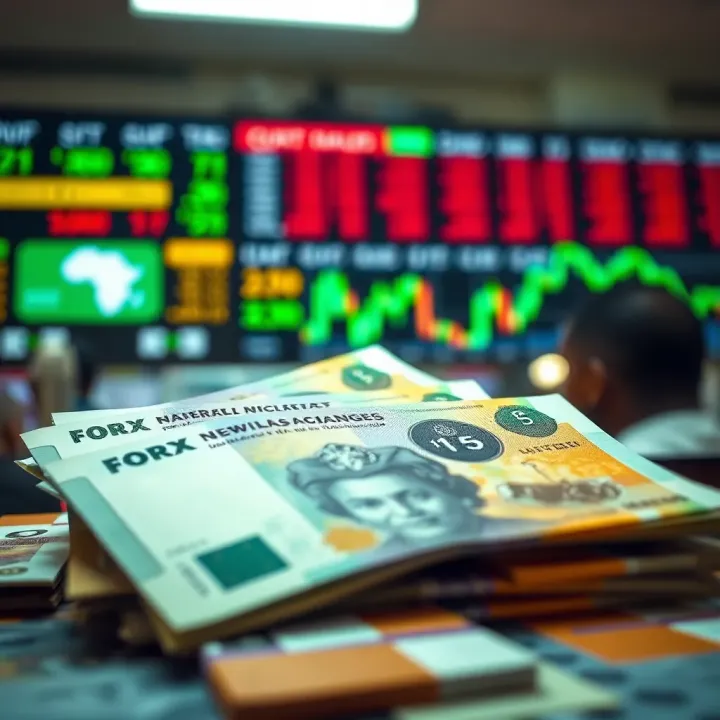
The CBN allows forex trading through licensed dealers such as commercial banks and authorised brokers. These institutions follow guidelines designed to protect investors and maintain financial stability. For instance, you cannot freely trade forex on any foreign platform without ensuring the platform complies with Nigerian regulations or has the proper licences.
Common misconceptions include assuming any forex-related activity outside banks is illegal or that all foreign platforms operate unlawfully. While some unlicensed entities exist, they do not represent the legal forex market. Traders must carefully verify brokers’ licences with the Securities and Exchange Commission (SEC) Nigeria or CBN to avoid scams.
Forex trading in Nigeria is legal only when conducted via authorised dealers. Using unregistered brokers or platforms may expose traders to legal risks and financial loss.
Understanding the legal framework helps traders navigate the market confidently. Those interested should focus on:
Checking brokers’ licences with SEC Nigeria
Using platforms that comply with Nigerian forex regulations
Avoiding high-leverage offers from unlicensed operators
Keeping up-to-date with CBN circulars impacting forex trade
By knowing the law, traders avoid pitfalls common in the market and operate within Nigeria’s financial system safely. This clarity dispels myths of blanket bans and highlights the regulated space open to serious investors and forex enthusiasts.
Understanding forex trading in Nigeria is vital due to the growing interest among individuals seeking alternative income sources. Given the economic challenges and fluctuating naira value, many Nigerians view forex as a promising avenue to earn foreign currency and diversify earnings outside the traditional job market. This section sheds light on what forex trading entails and why it holds significance within the Nigerian context.
Forex trading involves buying and selling currencies against one another in pairs, such as the US dollar against the naira (USD/NGN). The goal is to profit from fluctuations in exchange rates. For example, if a trader buys USD/NGN when the dollar is ₦480 and later sells it when it hits ₦500, they make a gain from the price movement. Essentially, it is a market where global currencies are exchanged at constantly changing prices due to supply and demand.
This market operates 24/5, allowing traders worldwide to participate almost anytime. It plays a critical role in global finance because it determines exchange rates that affect imports, exports, investments, and tourism.
Globally, forex trading takes place over-the-counter (OTC), meaning transactions don’t happen on a physical exchange but through electronic platforms and banks. Major financial centres like London, New York, and Tokyo drive daily trading volumes. For Nigerians, this means access to a global marketplace where currency values react to international news, central bank decisions, and geopolitical events.
Participants include international banks, hedge funds, companies aiming to hedge currency risks, and retail traders. The high liquidity ensures quick trade executions and tight spreads, which can benefit Nigerian traders who use online brokers.
Nigerians are attracted to forex trading mainly because of the potential to earn foreign exchange, which offers stability compared to the naira’s volatility. With many businesses and individuals experiencing challenges like inflation and fluctuating fuel prices, forex becomes a way to hedge against naira depreciation.
Moreover, forex trading offers flexibility; traders can start with relatively small capital, conduct business from home, and participate at times that suit their schedules. This appeals especially to young entrepreneurs, students, and those affected by the unstable job market.
In Nigeria, traders often use popular platforms like MetaTrader 4 (MT4) and MetaTrader 5 (MT5), combined with brokers registered internationally or locally. Payment methods include bank transfers, debit cards, or USSD codes linked to banks like GTBank, Zenith, and Access Bank, catering to ease of funding accounts.
Some traders rely on social trading platforms, where they copy strategies from experienced traders. Others participate through local fintech startups that link payments to forex brokerage accounts, making transactions smoother amid the country’s financial ecosystem challenges.
Forex trading in Nigeria is not just about speculation; it reflects broader economic realities and offers opportunities when approached carefully and legally.
Understanding the legal status of forex trading in Nigeria is essential for anyone involved or interested in the market. It helps traders, brokers, and investors navigate the complex regulatory landscape and avoid falling victim to scams or legal troubles. Also, knowing the rules protects you from dealing with unregistered entities that might exploit the lack of clarity, which is common in emerging markets like ours.
The Central Bank of Nigeria (CBN) plays a significant role in regulating currency markets, including forex trading. It chiefly controls foreign exchange supply, sets exchange rates, and monitors transactions involving foreign currencies. For example, the CBN manages the official naira-dollar exchange rate and frequently issues directives to financial institutions on handling forex transactions.
For traders, this means the availability and turnover of foreign currency through official channels are tightly controlled. The CBN's policies can impact access to forex liquidity and influence trading conditions on both local and international platforms. Therefore, understanding CBN guidelines is vital for Nigerian forex traders aiming to stay compliant while managing access to foreign exchange resources.
The SEC regulates securities and investment markets in Nigeria, which covers many aspects of online trading, including forex platforms that operate as investment providers within the country. The commission licences and supervises entities offering forex trading services to protect investors from fraud and market abuses.
When a forex broker is SEC-registered, it implies compliance with Nigerian investment laws, and the investor has some level of protection under Nigerian financial legislation. Traders should prioritise using brokers licensed by the SEC or regulated by similar authorities to avoid unregistered outfits notorious for scams.
Contrary to some beliefs, forex trading itself is not banned in Nigeria. The government and regulatory bodies like the CBN and SEC acknowledge forex trading as a legitimate financial activity when conducted within the legal and regulatory framework. The CBN, however, restricts direct access to foreign currency from licensed bureaus and encourages transacting through authorised banks or registered platforms.
This means you can engage in forex trading without legal hindrance provided you follow regulatory requirements and use recognised channels. It is not uncommon to hear about restrictions on accessing forex for speculative purposes but outright banning forex trading is inaccurate.
Many Nigerians confuse the restrictions on forex for certain uses (like speculation with naira at official rates) with a total ban. This misunderstanding often stems from reports on CBN's tight forex control policies aimed at stabilising naira and limiting capital flight. Some also wrongly believe that all online forex trading is illegal because of scams or unregulated brokers being arrested.
However, these actions target illegal operators, not forex trading itself. Legitimate forex trading, especially with SEC or CBN-registered entities, is legal and encouraged as a way to deepen Nigeria's financial markets. The key is distinguishing between fraudulent activities and lawful trading practices.
Trading forex in Nigeria is allowed but must be done within the framework set by regulatory bodies to ensure your money and transactions are protected.
By understanding this legal status and regulatory environment, traders can confidently pursue forex opportunities without fear of running afoul of Nigerian law.
Forex trading in Nigeria carries significant challenges that every trader must understand to avoid costly mistakes. The market’s appeal comes with risks linked to unscrupulous brokers and general market volatility. Recognising these hurdles is key for anyone wanting to trade forex effectively and safely in the Nigerian context.
A major concern in Nigeria’s forex space is the prevalence of unregulated brokers. Signs of fraudulent brokers often include promises of guaranteed profits, unusually high leverage offers, and reluctance to provide clear company details or licenses. For example, some brokers claim to be registered with international bodies but fail to show verification, or they ignore withdrawal requests entirely.
These scams can swiftly drain traders' funds without recourse. Nigerian traders suffer significant losses when dealing with such brokers, who exploit the lack of strict local enforcement. It's common to hear stories where traders deposit tens or even hundreds of thousands of naira only to find their accounts frozen or their funds disappeared. This has created distrust and hesitance towards forex trading despite its potential.
Currency values can swing sharply due to factors like Nigerian political developments or changes in Central Bank policies. For instance, sudden naira devaluation often triggers rapid price shifts in forex pairs involving NGN, catching many traders off guard. This volatility increases both potential profit and potential loss.
Managing these risks is critical. Experienced traders use stop-loss orders and diversify their trades to limit exposure. They also keep abreast of Nigerian economic news to anticipate sudden moves. In contrast, novices who trade without risk controls may lose heavily in volatile markets.
Practicing disciplined risk management, such as setting clear trade limits and using regulated platforms, greatly reduces exposure to financial harm in forex trading.
To trade forex safely in Nigeria, always verify your broker’s registration with the SEC or CBN, avoid offers promising unrealistic returns, and develop a solid risk management plan. Real success comes from understanding the risks and navigating them properly, not chasing quick wins.
Unregulated brokers and volatile markets explain why so many Nigerians approach forex trading with caution. But with the right safeguards and knowledge, traders can still tap into forex’s opportunities without falling victim to common pitfalls.
Trading forex in Nigeria requires a careful approach that respects the country's legal boundaries while protecting your investment. Many traders lose funds not because the market is bad, but because they engage with unlicensed brokers or use risky payment methods. Understanding how to navigate through these risks is key to success and security.
Picking a reliable broker is the first step toward legal and safe forex trading in Nigeria. Traders should look for brokers registered with Nigerian regulators such as the Securities and Exchange Commission (SEC) or authorised by the Central Bank of Nigeria (CBN). Importantly, registered brokers follow local laws concerning transparency and funds protection, reducing the risk of scams. For example, a licensed broker like GTI Securities adheres to these regulatory standards, providing assurance to traders.
Practical criteria to select a broker include verification of registration status, clear communication channels, and the availability of a local office or Nigerian customer support. Additionally, check that the broker offers user protection measures such as segregated client accounts and anti-money laundering policies. Avoiding brokers that promise guaranteed profits or operate anonymously helps navigate fraud risks common in the market.
The importance of dealing with SEC or CBN-registered platforms cannot be overstated. These platforms are monitored to ensure compliance with Nigerian financial rules, playoff traders’ funds, and provide mechanisms for dispute resolution. Using these registered brokers means your trading activities are recognised and protected under Nigerian law, unlike many offshore firms who may operate outside Nigeria’s jurisdiction.
Using local payment channels for deposits and withdrawals greatly enhances safety and convenience in forex trading. Options like bank transfers through Nigerian banks, or USSD codes such as those offered by First Bank or GTBank, facilitate quick and traceable funding. These methods reduce the reliance on risky international wire transfers or questionable third-party services.
Besides security, local payment methods ease integration with Nigerian banks and wallets, allowing traders to manage their funds more effectively. The naira exchange rate can fluctuate rapidly, and using local funds with local platforms helps mitigate the impact of such volatility. For example, depositing ₦50,000 via a USSD transfer to a licensed broker avoids conversion fees and possible delays that come from using foreign currencies.
Addressing the challenges of naira exchange and fund accessibility depends on choosing brokers that support naira transactions directly. This practice ensures faster access to your profits and reduces potential losses from currency conversion. Moreover, local payment solutions accommodate Nigerians who may face restrictions on using international cards or bank transfers, especially during ember months when forex restrictions tighten.
Trading forex legally in Nigeria is a balance of choosing accredited brokers and using trusted local payment methods to protect your investments. Always verify credentials and maintain a clear record of transactions to avoid pitfalls.
Government efforts in regulating and shaping forex trading in Nigeria significantly affect how traders and investors operate within the market. Understanding these actions helps clarify the country's stance on forex activities and reveals what the future might hold for this sector. Effective regulation promotes a safer trading environment, protects investors from fraud, and encourages market growth.
The Central Bank of Nigeria (CBN) and the Nigerian Securities and Exchange Commission (SEC) have recently introduced policies aimed at tightening control over forex trading. For instance, the CBN’s directive on restricting forex transactions to approved dealers helps limit foreign exchange abuse and curb illegal capital flight. Similarly, SEC’s supervision of licensed brokers ensures that traders deal only with credible operators, reducing exposure to scams.
These policies are practical because they offer a framework that balances opportunity with protection. For example, a trader now knows to verify whether their chosen broker is registered with SEC or CBN before investing. This reduces risks and builds confidence in the Nigerian forex market.
Steps aimed at improving market transparency have also picked up pace. Both regulators have intensified efforts to enhance reporting standards and enforce compliance among brokers. Making transaction records more accessible and auditing financial activities regularly help detect irregularities early.
Transparency is key; without it, traders cannot make informed decisions or trust market integrity.
Such moves make the market more attractive for institutional investors and fintech companies interested in entering Nigeria’s forex space. It also helps curtail underground forex dealings, which often rob the central bank of vital data about currency flows.
Nigeria’s fintech sector is growing rapidly, opening new avenues for forex market participation. Platforms like Paystack, Flutterwave, and OPay are innovating payment systems, enabling seamless fund transfers for forex trading. This increases accessibility, especially for retail traders who previously struggled with cross-border payments.
Besides, the forex market itself holds potential for those willing to learn and adapt. The fluctuation of the naira against major currencies creates opportunities for savvy traders to profit, especially when combined with disciplined risk management.
Education plays a huge role in this. Improving traders’ understanding of market dynamics, regulations, and risk control will lead to better outcomes. Initiatives by regulators and private organisations to train traders and conduct awareness programmes are steps in the right direction. For instance, webinars and online courses tailored to Nigerian market conditions equip traders with practical skills.
Ultimately, well-informed traders are more likely to succeed and help build a credible, transparent forex market in Nigeria.
This section highlights the current government interventions and the bright prospects forex trading holds for Nigerians who approach the market wisely and legally.
🕒 Discover the best time for forex trading in Nigeria! Learn about global sessions, overlaps, and top tips to boost your trading success effectively.
Master forex trading in Nigeria with practical strategies 🏦. Learn risk management, market analysis, solid trading plans, and stay disciplined for better results 📈.
Discover how to pick the best forex trading platform in Nigeria 🏦. Learn about features, costs, security, and tips to trade confidently in forex markets.
Discover smart forex trading tips for Nigerian traders 🇳🇬. Learn about risk management, local market effects, trusted platforms, and broker advice to trade wisely.
Based on 11 reviews