
Best Forex Trading Tips for Nigerians
Explore the best forex trading options in Nigeria 🇳🇬! Learn how to pick brokers, understand regulations, manage risks, and create winning strategies.
Edited By
Mia Richardson
Forex trading, or foreign exchange trading, is fast becoming a popular investment avenue for many Nigerians. Unlike traditional stock markets, forex operates 24 hours a day across global financial centres, allowing traders to buy and sell currencies for profit. In Nigeria, the appeal lies in forex’s potential for quick returns and the accessibility provided by online platforms.
That said, forex trading is not a guaranteed way to make money. The market is highly volatile, influenced by world events, political developments, and economic data. For instance, the naira's fluctuations against the US dollar can swing sharply due to Central Bank of Nigeria (CBN) policy shifts or changes in crude oil prices—which Nigeria heavily depends on.
Understanding how the forex market operates is key. Trades involve currency pairs, such as USD/NGN or EUR/USD, where one currency is exchanged against another. Traders speculate on whether one currency will strengthen or weaken relative to the other. The high liquidity and leverage options can boost profits but also amplify losses.
Here are important fundamentals for Nigerian investors to keep in mind:
Market accessibility: With internet access and mobile apps like Oanda, IG, or local platforms such as Chaka, Nigerians can trade forex with relatively low capital.
Leverage caution: Many brokers offer high leverage, sometimes up to 1:500. While attractive, this can wipe out investments swiftly if not managed carefully.
Regulatory environment: The Nigerian Securities and Exchange Commission (SEC) oversees forex brokers operating in Nigeria. Investors must confirm brokers are registered to avoid scams—a growing concern in the market.
Proper knowledge and disciplined risk management separate profitable traders from those who lose money quickly.
Getting started involves choosing a reliable broker, learning technical and fundamental analysis, and practising with demo accounts before committing real funds. As economic factors like inflation rates, CBN interest decisions, and geopolitical issues move currency prices, staying informed is part of successful trading.
Ultimately, forex trading offers Nigerian investors a chance to diversify their portfolio beyond local equities and bonds. Still, it demands active learning, patience, and clear strategies to navigate the risks and tap available opportunities effectively.
Getting a good grip on the forex market is essential for any Nigerian investor eager to explore currency trading. Forex trading is unlike other investment avenues; it demands understanding how currency values fluctuate based on global economics and investor sentiment. Mastering the basics helps you make better decisions, such as when to buy euros with naira or sell dollars for profit. For example, during times of naira depreciation, savvy traders often switch focus to stronger currencies or hedge their positions.
Forex trading involves buying one currency while simultaneously selling another. This market operates on currency pairs, so when you trade, you speculate on whether one currency will strengthen or weaken against the other. For instance, if you believe the US dollar will rise against the euro, you may buy USD/EUR, aiming to sell later at a profit. This activity is especially relevant in Nigeria where exchange rates can move fast due to economic policy changes or market demand.
The major pairs include USD/EUR, USD/JPY, GBP/USD, and USD/CHF, representing the most traded currencies worldwide. These pairs are the most liquid with tight spreads, offering better opportunities for Nigerian traders to enter or exit trades without losing much on transaction costs. Since the naira is not freely traded globally, investors often use the dollar against major currencies as a reference for forecasting and hedging risks.
Unlike stocks or real estate, forex trading is highly liquid and operates 24 hours on weekdays. It allows accessing leverage, meaning traders can control larger positions with smaller upfront capital. However, this also raises the stakes, as both profits and losses are magnified. Also, forex depends heavily on worldwide economic events, so traders need to watch international news closely, unlike with local equities where domestic factors dominate.
The forex market never sleeps during the working week because it's spread across major financial centres—London, New York, Tokyo, and Sydney. This global activity means Nigerian traders can act at any time that suits them, including late-night hours, increasing flexibility. Knowing when the market is most active is useful; for example, volatility spikes during overlapping London and New York sessions, creating more trading opportunities.
Banks act as major liquidity providers, moving huge sums daily to facilitate trade and investment. Brokers serve as intermediaries, giving retail traders access to the market. Traders, including individuals and institutions, drive price movements with their bids and offers. Nigerians must choose brokers authorised by regulatory bodies like the Securities and Exchange Commission or recognised international agencies to ensure safety of funds.
Prices in forex shift constantly due to supply and demand influenced by economic indicators, political events, or market sentiment. Because of deep liquidity in major pairs, you can enter or exit positions quickly without major price changes caused by your trade. However, less popular pairs or certain times of day may see wider spreads and slippages. Understanding these dynamics helps manage costs and avoid unexpected losses.
Success in forex trading starts with a clear grasp of how the market functions day-to-day and what drives currency prices.
This knowledge equips Nigerian traders to plan their strategies, control risk, and spot promising opportunities amid global currency fluctuations.
Understanding what moves currency prices is vital for Nigerian forex traders because it shapes when and how to enter or exit positions. Currency values don't shift randomly; they respond to specific economic and political signals that influence investor confidence and demand.
GDP, inflation, and employment reports give a clear snapshot of a country's economic health. For instance, Nigeria's GDP growth rate signals how well the economy is expanding, which impacts the naira's strength against other currencies. Inflation affects purchasing power and can prompt central banks to adjust monetary policy. Employment figures reflect economic activity; high unemployment may weaken the currency as it suggests less production and demand.
Interest rates set by Central Banks like the Central Bank of Nigeria (CBN) directly influence forex prices. Higher interest rates tend to attract foreign capital because investors seek better returns on their investments, pushing up the naira's value. Conversely, if the CBN cuts rates to stimulate borrowing during tough times, the naira might depreciate as investors look elsewhere for higher yields.
Trade balances and fiscal policies also affect currency movements. A trade surplus, where exports exceed imports, usually strengthens a currency since more foreign buyers need the local currency to pay for goods. Nigeria's reliance on oil exports means shifts in global oil demand impact the naira too. Fiscal policies like government spending and taxation influence market confidence; overspending or rising debt can weaken the naira.
Election results and government stability are critical for forex traders watching the naira. Political unrest or uncertainty ahead of elections can scare off investors, causing currency depreciation. Stable administrations with clear economic plans often encourage inflows of foreign investment, supporting currency strength.
International conflicts and relations can disrupt market trust. For example, tensions affecting Nigeria's trade partners or instability in oil-producing regions can cause volatile price swings in the naira. Traders need to keep an eye on developments like sanctions, border disputes, or shifts in diplomatic relations.
Policy announcements affecting currencies including new regulations on forex markets or changes in foreign investment laws impact liquidity and demand. When the CBN introduces restrictions on forex access or eases controls, the naira's value can respond sharply. Similarly, global moves—like US Federal Reserve policies—tend to ripple through forex markets, affecting Nigerian traders’ positions.
Staying informed on these factors allows Nigerian traders to anticipate currency moves rather than react late, improving chances for profit while managing risks wisely.
To sum up, tracking economic reports, understanding central bank decisions, and monitoring political events provide the groundwork for smarter forex trading decisions in Nigeria. Being alert to these signals can help traders navigate the market’s ups and downs with confidence.
Understanding both the rewards and risks in forex trading is vital for Nigerian investors to make smart decisions. The forex market offers unique opportunities, but it also demands rigorous caution because of the volatility involved. This balance affects how traders allocate capital and manage trades.
The forex market is the largest financial market globally, with daily trading volumes exceeding US$6 trillion. This immense liquidity means traders can enter and exit positions swiftly without affecting prices significantly. For Nigerian investors, this ensures they can quickly convert their holdings into cash, unlike assets such as real estate or some stocks which may take longer to sell.
Thanks to digital trading platforms like MetaTrader and brokers accessible through local payment options, Nigerians can participate in forex trading nearly 24/7. This wide market access allows investors outside major cities to engage in trading without physical presence in financial hubs.
Forex trading allows investors to capitalise on both rising and falling currency pairs. For instance, if the naira weakens against the US dollar due to economic pressures or policy decisions, traders can take short positions to profit from the decline. Similarly, when the naira strengthens, long positions can yield gains.
This flexibility provides a practical advantage, especially given Nigeria’s occasional naira instability influenced by foreign exchange policies, fuel subsidy removals, or global oil price fluctuations. Unlike traditional investment avenues that usually profit only in rising markets, forex trading offers more ways to earn.
Since the forex market operates across global financial centres—London, New York, Tokyo, Sydney—it remains active 24 hours on weekdays. Nigerian traders benefit from this arrangement as they can trade after work hours or during times that suit their schedules.
This flexibility is particularly useful for those waiting for key economic releases or political developments affecting currency movements. A trader could monitor the Central Bank of Nigeria (CBN) policy announcements and position trades accordingly even late at night, which is often not possible in other markets.
Leverage amplifies both profits and losses by allowing traders to control larger positions with smaller capital. While this can multiply returns, it can quickly wipe out an investor's account if the market moves unfavourably. For example, a 1:100 leverage means that ₦10,000 controls ₦1,000,000 in forex trades — a small adverse move can erase the entire ₦10,000.
It’s crucial for Nigerian traders to use leverage cautiously and avoid overexposure. Many brokers offer adjustable leverage levels; setting a lower one or using margin calls sensibly helps reduce the risk of a total loss.
Currencies can swing wildly within minutes due to unexpected events — a political crisis, central bank interventions, or global economic data releases. Such volatility can deliver sudden profits but can also lead to steep losses.
A Nigerian trader relying solely on news headlines without a robust strategy might find themselves caught off guard. Monitoring market conditions and avoiding trading during high-volatility periods without adequate preparation can mitigate unpredictable losses.
Effective risk management ensures that losses remain manageable and profits are protected. Using stop-loss orders to limit how much you lose per trade, diversifying positions, and investing only what you can afford to lose are sensible approaches.
For instance, allocating no more than 2% of your trading capital on a single trade helps weather losing streaks. Moreover, regular review and adjustment of trading plans safeguard against emotional decisions. Risk management remains the backbone of sustainable forex trading success.
Forex trading isn’t just about chasing profit — mastering risk controls and understanding the market’s nature are essential steps for Nigerian investors aiming to thrive.
Risks and rewards work hand in hand in forex. While the market offers fantastic chances to grow capital, it demands respect and deliberate strategies to avoid costly mistakes.
Navigating the forex market as a Nigerian investor calls for practical, hands-on knowledge. This section focuses on real steps and considerations you must take to trade effectively. From finding a trustworthy broker to understanding trading tools, each aspect helps build a strong foundation so you avoid common pitfalls and make informed choices.
A key first step is ensuring your broker is properly regulated. In Nigeria, the Securities and Exchange Commission (SEC) oversees brokers, though many Nigerians trade with brokers regulated in the UK, Australia, or the US. Regulated brokers follow strict rules that protect clients, including segregation of funds and fair dealing. Dealing with unregulated brokers risks losing your money outright or facing hidden charges.
For example, a broker registered with the UK's Financial Conduct Authority (FCA) or the Australian Securities and Investments Commission (ASIC) offers an added layer of security. Always check your chosen broker’s regulatory status before depositing funds.
Different brokers offer various account types, such as standard, mini, or Islamic accounts. These cater to different investors’ needs, from those wanting to start small to those requiring sharia-compliant options. Review each type carefully to choose what suits your trading style and capital.
Trading platforms also matter. MetaTrader 4 (MT4) and MetaTrader 5 (MT5) remain the most popular globally, but some brokers provide their own apps with special features. Platforms should be user-friendly, responsive, and offer essential tools like charting and order execution. For example, a beginner might prefer a simple MT4 platform, while an advanced trader may need extra analytics offered by some brokers.
Strong customer service can save you headaches, especially because forex trading involves real money and market risks. Brokers offering local Nigerian support, including phone or WhatsApp channels, tend to ease communication. Also, check if the broker allows deposits in Naira or convenient methods like bank transfers, Paystack, or Flutterwave.
Withdrawal times and transparency on fees are critical. A broker slow to process withdrawals or unclear about charges might not be trustworthy. Hence, test customer support responsiveness before committing funds.
Opening a trading account usually involves providing identification like your National Identity Number (NIN) and proof of address for verification. This step complies with anti-money laundering laws and protects both parties.
Once verified, funding your account is next. Always begin with an amount you can afford to lose and avoid borrowing to trade. To illustrate, some Nigerian traders start with ₦50,000 just to familiarise themselves with the process before scaling up.
Traders use indicators like Moving Averages, Relative Strength Index (RSI), and Bollinger Bands to make decisions. Learning these tools helps you spot market trends or reversals.
For instance, the RSI can signal an overbought currency pair, suggesting a potential price drop. Using these indicators alongside news — such as CBN policies or changes in U.S. interest rates — can improve your chances of making smart trades.
Most brokers offer free demo accounts to trade virtual money in real market conditions. This lets you practise without risk, understand your platform, and refine strategies.
Many Nigerian traders take weeks or months on demo accounts to build confidence. Imagine playing a football match without training; trading live without practice can cost heavily. So, start demo trading to better manage emotions and expectations before investing real naira.
Taking these practical steps seriously prevents unnecessary losses and builds your skillset steadily. Forex trading isn’t only about luck; preparing properly increases your chances of success.
Understanding the regulatory and legal landscape is vital for Nigerians engaging in forex trading. The market's openness combined with regulatory nuances can affect how traders operate and protect their investments. This section breaks down the key aspects Nigerian traders must watch out for, giving practical insight into how regulations influence daily trading activities.
The Central Bank of Nigeria (CBN) plays a defining role in shaping forex trading policies within the country. While it does not directly regulate forex brokers, the CBN issues guidelines affecting currency exchanges, especially relating to the use of foreign currencies. For instance, forex trading in Nigeria typically involves trading foreign currency pairs against the Nigerian Naira (₦), and the CBN monitors these transactions to control currency flow and maintain monetary stability.
One critical practical effect of CBN policy stems from its management of foreign exchange reserves and intervention in the market to stabilise the naira. These interventions sometimes cause sudden shifts in currency valuations, impacting open trades. Traders who understand these moves can better navigate price swings caused by policy changes, especially during periods of currency volatility due to fuel subsidy adjustments or import restrictions.
As for foreign exchange restrictions, the CBN enforces controls on access to hard currency. For example, the official exchange window restricts the amount of dollars available to individuals and businesses, which also impacts forex trading liquidity for naira-related pairs. This means some retail traders find difficulty withdrawing or converting profits in foreign currency at the official rate, pushing many towards unofficial exchange rates or alternative platforms.
The implication here is significant: retail traders need to be aware of the potential gap between official and parallel market rates. This awareness helps in planning trades, managing expectations on profit repatriation, and avoiding loss due to exchange rate disparities.
Forex trading attracts scams targeted at Nigerians, especially beginners eager to invest but unfamiliar with the market's red flags. Common scams include fake brokerages promising unrealistically high returns within short times, often demanding upfront deposits with no real trading activity behind them. Such schemes exploit traders by vanishing with their funds once deposited.
To steer clear of these traps, Nigerian traders should verify broker legitimacy carefully. Checking for registration with Nigerian regulatory bodies like the Securities and Exchange Commission (SEC) or international regulators such as the Financial Conduct Authority (FCA) in the UK adds a layer of protection. Legitimate brokers also have transparent websites, verifiable addresses, and well-reviewed trading platforms like MetaTrader 4 or 5.
Reporting and seeking redress is equally critical when faced with fraud. The SEC Nigeria offers channels for complaints against fraudulent operators, and the EFCC (Economic and Financial Crimes Commission) is another authority handling large-scale financial crimes. Prompt reporting not only increases chances of recovering lost funds but also helps protect the wider community by warning others and possibly leading to prosecutions.
Always confirm a broker’s regulatory status before committing your funds. Vigilance and due diligence are the best safeguards against scams in Nigeria’s forex market.
In summary, staying informed about the CBN’s policies, working within the official foreign exchange framework, and being cautious against scams form the backbone of safe forex trading in Nigeria. Retail traders who understand these regulatory and legal aspects stand a better chance of trading profitably and securely.
Explore the best forex trading options in Nigeria 🇳🇬! Learn how to pick brokers, understand regulations, manage risks, and create winning strategies.
Explore forex trading in Nigeria 🇳🇬 with our detailed guide. Learn key strategies, platform tips, benefits, risks, and Nigeria-specific insights to trade smart.
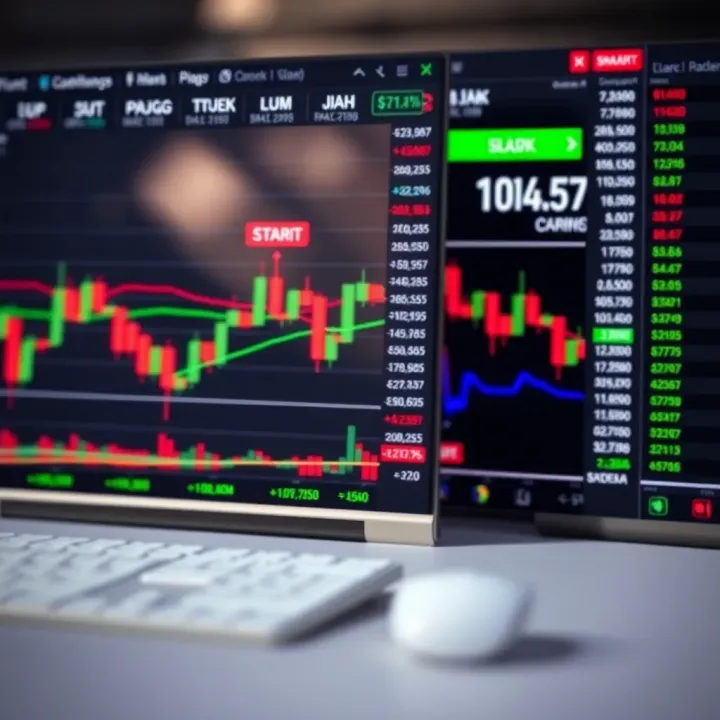
Master forex trading in Nigeria 🇳🇬 with practical tips on strategies, broker selection, risk control, and understanding local regulations for safer investing 💹.
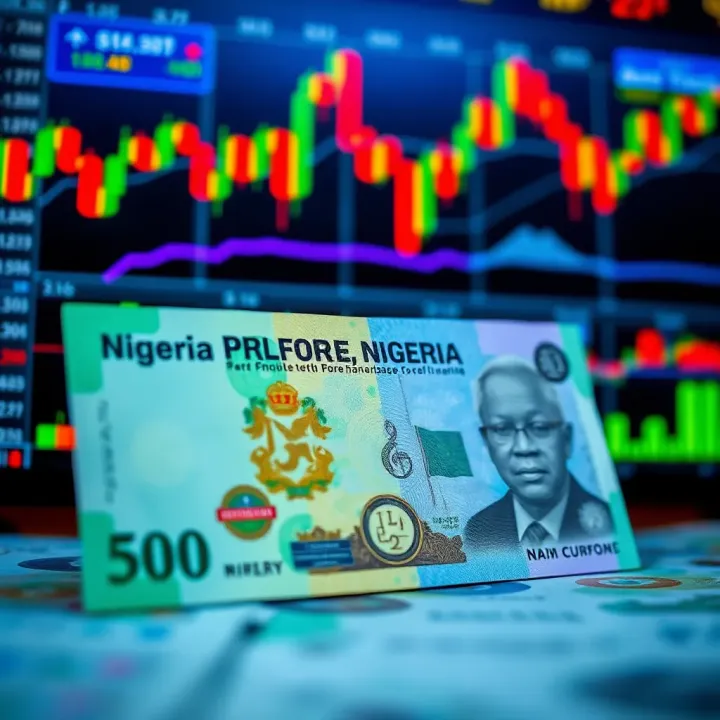
🌍 Discover forex trading basics in Nigeria! Learn market terms, pick the right broker, manage risks, and avoid common beginner mistakes today.
Based on 13 reviews