

Best Time for Forex Trading in Nigeria
🕒 Discover the best time for forex trading in Nigeria! Learn about global sessions, overlaps, and top tips to boost your trading success effectively.
Edited By
Charlotte Hughes
Forex trading involves buying and selling currencies on a global market. In Nigeria, this activity has grown rapidly due to increased internet access, mobile trading platforms, and interest in making extra income. Understanding how forex trading works can help you make informed decisions and avoid common pitfalls.
At its core, forex trading is about exchanging one currency for another. For example, you might buy the US dollar (USD) using Nigerian naira (₦) if you believe the dollar will strengthen. When the dollar value rises against the naira, you can sell back to make a profit.
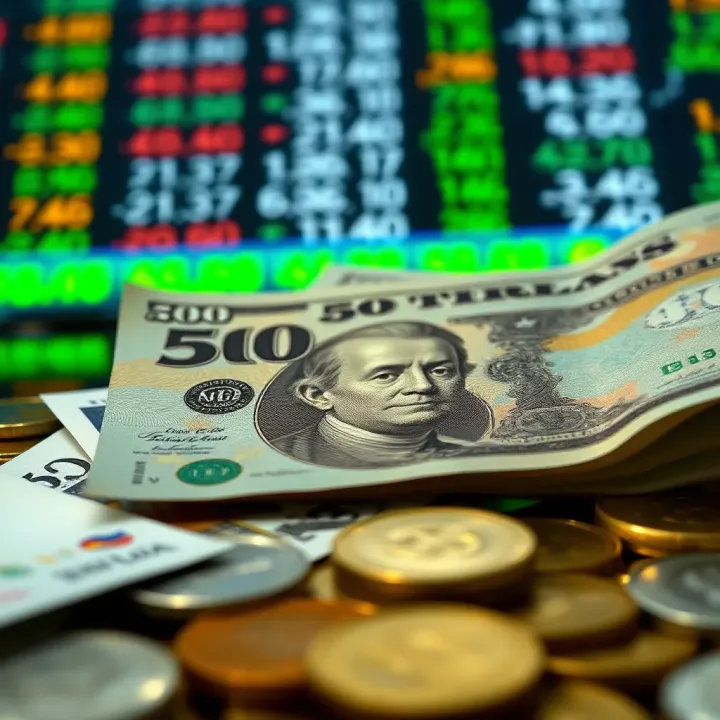
Imagine you start trading with ₦50,000. You see the USD/NGN pair trading at 780.50. This means 1 USD equals ₦780.50. Buying $64.10 (₦50,000 ÷ 780.5) means you own dollars at that rate. If the exchange rate later rises to 790, your $64.10 is now worth ₦50,639. This increase of ₦639 represents your profit before fees.
USD/NGN: Most actively traded, influenced by Nigerian economic events
EUR/USD: Reflects Eurozone and US relations, popular worldwide
GBP/USD: British pound against the US dollar
USD/JPY: US dollar and Japanese yen
Knowing these pairs helps you choose which markets to watch closely.
Choose a reliable broker: Look for regulated firms offering transparency and good customer support.
Open a trading account: Provide identification like your BVN and NIN.
Deposit funds: Use bank transfer, USSD, or local platforms like Paystack.
Learn to read charts: Understand price movements and market trends.
Start with small trades: Manage risk by trading amounts you can afford to lose.
Forex trading is not a get-rich-quick scheme. Careful study and risk management can greatly improve your chances of success.
Exchange rates can be volatile, affected by political changes, global crises, or central bank policies.
Leverage can amplify both profits and losses.
Unregulated brokers or scams are common, so due diligence is essential.
Understanding these basics prepares you better to navigate forex trading in Nigeria confidently and actively.
Understanding how forex trading operates is essential for Nigerian traders, investors, and brokers aiming to navigate the global currency markets effectively. This overview covers the practical aspects of currency trading, including the types of currency pairs popular in Nigeria and the fundamental process of buying and selling. Knowing these basics equips you with the necessary insight to make informed decisions and manage risks better.
Forex trading involves the buying and selling of currencies on the foreign exchange market. It is the largest financial market worldwide, where currencies are traded in pairs—meaning you exchange one currency for another. Nigerian traders typically participate in forex trading to take advantage of price movements between currencies, such as profiting from the changes in exchange rates between the US Dollar and the Nigerian Naira. Forex trading operates 24 hours a day across different time zones, allowing traders to engage at any time convenient for them.
The USD/NGN pair is the most significant for Nigerian traders because the US Dollar is the dominant foreign currency used in Nigeria's import and export markets. Fluctuations in this pair affect everyday business, from buying electronics to paying for oil imports. For instance, if the Naira weakens against the Dollar, imported goods become more expensive, affecting consumer prices and company costs. Many Nigerian forex traders monitor this pair closely due to its direct impact on the local economy.
The EUR/USD pair is one of the most liquid and frequently traded pairs globally. While it doesn't involve the Naira directly, Nigerian traders often watch it because it reflects the broader strength of major world economies. Movements in EUR/USD can affect other currency pairs, including USD/NGN, indirectly. For example, a strong Euro against the Dollar might signal shifts in global trade dynamics, which can alter Nigeria’s trade balance and foreign exchange rates.

The GBP/USD pair represents the exchange rate between the British Pound Sterling and the US Dollar. Given Nigeria's historical and trade ties with the United Kingdom, fluctuations here can impact sectors like education, travel, and remittances. Many Nigerians living in the UK or doing business there pay close attention to this pair. Understanding its movement helps traders anticipate how shifts in international markets could affect the Nigerian Forex market.
Buying and selling in forex is straightforward but requires timing and strategy. When you buy a currency pair, you’re essentially buying the first currency and selling the second. For example, if you expect the US Dollar to strengthen against the Naira, you buy USD/NGN. If the Dollar rises, you sell later at a higher rate to make a profit. Conversely, selling a pair means you believe the first currency will weaken; you sell it now and buy it back later at a lower price.
Trading forex requires a firm grasp of market movements and currency relationships because sudden shifts can result in profits or losses quickly. Nigerian traders benefit from understanding these basics to avoid common pitfalls, especially amid the nation's economic volatility.
In summary, this overview lays the foundation for understanding forex trading in Nigeria by explaining what forex is, highlighting key currency pairs, and describing how buying and selling work. This prepares you to delve deeper into practical trading strategies and risk management in subsequent sections.
Understanding the practical process of a forex trade is essential for Nigerian traders looking to navigate the forex market confidently. This section breaks down the trading journey into clear, manageable steps to show how currency trading actually happens. It highlights real-world considerations, making it easier to grasp how profits or losses come about and what decisions to make along the way.
The first step in any forex trade is selecting the currency pair to trade. This choice depends largely on market familiarity and liquidity. For Nigerian traders, the US Dollar to Nigerian Naira (USD/NGN) pair is particularly popular due to its daily volatility and relevance to local transactions. Suppose you expect the naira to weaken because of recent economic pressures; you might choose the USD/NGN pair to take advantage of potential gains when the dollar strengthens against the naira. Other pairs like EUR/USD or GBP/USD are common as well, offering exposure to stable currencies.
Once the currency pair is selected, you decide whether to buy or sell based on your market outlook. Buying means you expect the base currency (e.g., USD in USD/NGN) to gain value, while selling means you anticipate it will fall. For example, if you believe the naira will weaken, you buy USD/NGN, hoping the dollar will rise relative to the naira. The trade size you choose depends on your risk appetite and available capital. Many Nigerian brokers offer leverage, allowing traders to control larger amounts with smaller deposits, but this increases risk.
Profit or loss in forex depends on the difference between the price you entered and the price when you exit. For instance, if you bought USD/NGN at 450 and sold at 460, your profit equals the difference multiplied by your trade size. Conversely, selling at a rate lower than your buying price results in a loss. It’s important to factor in spreads (the difference between buy and sell prices) and any broker commissions. Let’s say you bought 1,000 USD at ₦450; selling at ₦460 yields a ₦10,000 gross profit before fees.
Closing your trade means executing the opposite transaction: selling if you initially bought or buying back if you initially sold. This action locks in your profit or losses. For Nigerian traders, timing closure is critical due to market volatility and economic announcements affecting forex prices. After closing, profits can be withdrawn or reinvested. It’s advisable to monitor all trades actively and use stop-loss orders to limit unexpected losses.
Taking the step-by-step approach demystifies forex trading for Nigerians and equips traders with the know-how to make informed decisions. Always remember, each step in the process impacts the final outcome significantly.
This practical breakdown helps traders beyond theory, giving them real insight into making trades that align with their financial goals and market conditions.
Forex trading in Nigeria demands clear strategies to navigate the often volatile and fast-moving currency markets. Nigerian traders usually adopt approaches tailored to local market behaviour and global economic trends. Understanding these strategies can help traders manage risks and improve chances of profit in a market where every naira counts.
Trend following is a strategy where traders align their trades with the current direction of the market. For example, if the US Dollar is consistently strengthening against the Nigerian Naira due to positive US economic data, trend followers would buy USD/NGN aiming to benefit as the price continues upward. This method relies on spotting sustained momentum and “riding the wave” rather than fighting the market. In Nigeria’s forex scene, where economic announcements and naira pressures can trigger sharp moves, trend following helps traders avoid costly early exits by staying in trades that move favourably over several days or weeks.
Unlike trend following, scalping and day trading focus on small gains through quick entry and exit within hours or minutes. Nigerian traders often apply these techniques during times of high liquidity—such as when Lagos financial markets are fully open or around CBN policy announcements. Scalpers might execute multiple trades in a day, each targeting minimal price differences, capitalising on rapid fluctuations between the naira and major currencies like the dollar or euro. While scalping demands close attention and discipline, it suits traders who prefer active management and can watch price movements severally throughout the day, sometimes while still working their regular jobs.
Many Nigerian forex traders blend technical and fundamental analysis to make informed decisions. Technical analysis involves studying price charts and indicators like moving averages or RSI (Relative Strength Index) to predict future movements. For instance, if a trader notices the USD/NGN pair repeatedly bouncing off a certain support level, they may use that as a signal to buy. On the other hand, fundamental analysis examines economic indicators, such as Nigeria’s inflation rate, oil revenue reports, or Federal Reserve announcements, to gauge currency strength. Combining both helps traders avoid guesswork; technical tools provide entry and exit cues, while fundamental factors explain the "why" behind price moves.
Nigerian forex trading thrives on strategy. Whether it’s following market trends, making quick trades, or analysing charts and economic news, your edge comes from applying these methods with discipline and local insight.
In summary, effective forex trading in Nigeria hinges on understanding when to ride trends, when to scalp or day trade, and how to interpret both technical patterns and fundamental drivers. These strategies reflect real market behaviours and help traders react better to the unique challenges Nigerian forex markets present.
Forex trading in Nigeria offers lucrative potential, but it comes with a fair share of risks and challenges. Understanding these risks is essential for traders who want to stay afloat and make informed decisions. Without a clear grasp of these challenges, even disciplined traders might find themselves losing money or falling prey to scams.
The forex market is known for its high volatility, and Nigeria is no exception. Currency values, especially the Nigerian Naira (₦), can swing sharply due to factors like political events, changes in oil prices, or CBN policies. For instance, sudden policy shifts on fuel subsidy or fluctuating oil export earnings can cause ₦ to lose value rapidly against major currencies like the US Dollar (USD). Traders must be aware that the forex market does not move in predictable lines. Sudden spikes or drops can wipe out profits in minutes or even hours. Therefore, risk management tools such as stop-loss orders are vital to limit losses during turbulent times.
Many Nigerian traders have fallen victim to fake forex brokers who promise guaranteed profits or leverage terms that are too good to be true. These operators often lack proper licences from recognised regulatory agencies like the Securities and Exchange Commission (SEC) Nigeria or international bodies such as the Financial Conduct Authority (FCA). Some might disappear with traders’ funds, while others manipulate trading platforms to their advantage. It helps to scrutinise broker credentials carefully before committing funds. Use brokers registered with SEC Nigeria or international regulators, and rely on well-known, trusted trading platforms. Asking around for peer recommendations can also save a lot of heartache.
Leverage lets traders control large positions with relatively small capital, which can boost profits but equally magnifies losses. In Nigeria, many novice traders get attracted by high leverage ratios of 100:1 or more, hoping to multiply their gains quickly. The problem is the opposite can happen just as fast, leading to losing several months’ worth of savings in one bad trade. Practising cautious leverage use — such as starting with 10:1 or less — helps manage exposure. Nigerian traders should also educate themselves about margin calls and maintain adequate capital buffers to avoid forced account liquidation. Effective risk management strategies like diversifying trades and limiting trade size are practical ways to stay afloat.
Understanding risks is not about avoiding forex trading altogether but about equipping yourself to make better decisions and survive the ups and downs.
In summary, Nigerians venturing into forex must navigate significant market swings, screen out fraudulent brokers, and control leverage wisely. Being cautious and informed protects your capital and increases chances of steady returns rather than quick, risky bets. Forex trading rewards patience and discipline more than impulsiveness or shortcuts.
Selecting the right forex broker is key for any Nigerian trader aiming to succeed. A reliable broker protects your funds, offers transparent pricing, and provides efficient trade execution. Without a trustworthy broker, you risk falling victim to scams, poor service, or unfair trading conditions. This section highlights what to check before committing your money.
Regulation is the first checkpoint for trustworthiness. Nigerian traders should prioritise brokers licensed by reputable bodies like the Securities and Exchange Commission (SEC) Nigeria, the Financial Conduct Authority (FCA) in the UK, or the Cyprus Securities and Exchange Commission (CySEC). While SEC Nigeria offers local oversight, international licences add credibility. For example, a broker registered with the FCA follows strict rules that protect client funds and ensure transparency, which Nigerian traders benefit from.
Beware of brokers without any regulation or those only regulated offshore with weak rules. They may offer tempting bonuses upfront but often lack funds segregation or fair complaint processes.
User-friendly trading platforms influence daily trading success. MetaTrader 4 (MT4) remains the go-to platform for Nigerian forex traders due to its ease, reliability, and wide broker support. MT5, the upgraded version, offers more tools but less adoption locally.
Some brokers also provide web-based platforms or mobile apps tailored for Nigerians, supporting quick order execution and real-time price updates. For instance, brokers working with local fintech firms sometimes enable direct funding via platforms like OPay or Paystack within their mobile apps, making deposits smoother in Nigeria’s context.
Choosing a broker offering a stable, fast, and mobile-friendly platform minimises glitches during volatile market moments.
Customer service matters, especially when quick help can save money during trading glitches. Nigerians should look for brokers offering 24/7 support accessible through phone, email, or live chat. Support in English with prompt response times reflects professionalism.
Local deposit and withdrawal options are also critical. Brokers facilitating payments through Nigerian banks or popular e-wallets like OPay, PalmPay, or GTBank’s online transfer are preferred. This reduces the headache of currency conversion delays and high transaction fees often faced when relying on international transfers.
Good customer support combined with flexible, local payment options can make the difference between a smooth trading experience and needless frustration.
🕒 Discover the best time for forex trading in Nigeria! Learn about global sessions, overlaps, and top tips to boost your trading success effectively.
Master forex trading in Nigeria with practical strategies 🏦. Learn risk management, market analysis, solid trading plans, and stay disciplined for better results 📈.
Discover how to pick the best forex trading platform in Nigeria 🏦. Learn about features, costs, security, and tips to trade confidently in forex markets.
Discover smart forex trading tips for Nigerian traders 🇳🇬. Learn about risk management, local market effects, trusted platforms, and broker advice to trade wisely.
Based on 5 reviews