

Top Forex Trading Books for Nigerian Traders
Discover top forex trading books 📚 for Nigerian traders 🇳🇬, offering practical tips and strategies to boost your skills and grow your market insight.
Edited By
Isabella Reed
Forex trading in Nigeria has gained serious traction as more people look to diversify income beyond the usual salary hustle. But diving into the forex market without proper knowledge is risky — na so many fall into traps of bad trades and losses. That’s why choosing the right books is essential. These guides provide solid foundations, from understanding market mechanics to advanced strategies.
The key is finding books that suit both beginners and seasoned traders seeking to refine their skills. Good forex trading books cover various aspects: technical analysis, fundamental analysis, risk management, and especially the psychology behind trading decisions.

To succeed in forex trading, you must first get your basics right and control your mind, not just your trades.
Nigerian traders face unique challenges like naira volatility, power outages affecting internet stability, and sometimes less reliable brokerages. Therefore, books that offer practical, realistic advice tailored to volatile or emerging markets hold extra value.
Here’s what you should look for in forex trading books:
Clear explanations of forex market concepts and jargon
Practical examples and charts specific to forex pairs relevant in Nigeria, such as USD/NGN
Strategies that incorporate risk control suitable for unpredictable markets
Insights on trading psychology to keep your emotions in check
Well-reviewed books by authors like Kathy Lien, Alexander Elder, and Mark Douglas have been appreciated worldwide, including Nigeria. However, supplementing these with local knowledge and experiences can help you adapt strategies to Nigerian contexts.
Before choosing any book, check reviews, the author’s background, and whether the book includes up-to-date content reflecting current market trends. Also, consider reading ebooks or joining seminars by Nigerian forex educators who understand homegrown challenges.
In the upcoming sections, we will break down the must-read forex trading books into categories that suit your experience level and trading goals. This way, whether you want to start trading from scratch or sharpen your existing skills, you will find targeted resources that help you take informed steps towards profitability.
Understanding the right forex books will set you apart and could be the difference between consistent wins and repeating newbie losses in the market.
Reading forex trading books opens up a vital pathway for Nigerian traders aiming to succeed in a complex and fast-moving market. These resources provide the groundwork, practical insights, and market understanding that mere online articles or social media posts can’t fully cover. Moreover, forex literature often offers tested trading methods and real-world examples that resonate—especially when tailored or carefully selected for Nigerian market conditions.
Building foundational knowledge is the stepping stone for any trader. Forex trading involves unique concepts like currency pairs, pips, leverage, and more. Without a solid grasp of these, errors multiply quickly. For instance, many beginners confuse leverage power with guaranteed profits. Books often clarify such misunderstandings by breaking down complex ideas into manageable chunks, setting traders on a firmer footing.
Avoiding common trading mistakes is another big advantage. Numerous Nigerian traders jump into live markets fresh from casual tips or hearsay, losing money through poor risk management or jumping on fad strategies. Authoritative forex books highlight those pitfalls with examples and offer preventative techniques such as effective use of stop-loss orders or the dangers of overtrading. Learning from these documented mistakes can prevent costly errors, which digital forums seldom detail comprehensively.
A solid understanding of market behaviour comes from studying patterns beyond the news headlines. Forecasting how currencies respond to events involves reading charts and interpreting economic indicators—skills honed by reading advanced trading literature. For Nigerian traders, insights on how the Central Bank of Nigeria (CBN) policies or international events influence naira can guide smarter decisions.
Considering local market conditions is crucial since some forex books cater strictly to global markets with well-developed currencies and financial systems. In Nigeria, market volatility, regulatory nuances, and the naira’s often unstable exchange rates add layers of complexity. Selecting books discussing emerging market dynamics or inclusive of African trading examples sharpens relevance and applicability.
Focusing on practical and actionable content should steer choices towards materials offering strategies that Nigerian traders can implement without requiring advanced software or expensive tools. For example, techniques optimised for limited internet access or recommended brokers that serve Nigerian clients well prove invaluable. Books emphasizing step-by-step instructions and clear illustrations diminish guesswork.
Recognising credible authors and sources helps weed out unreliable advice. Many forex books flood the market, but top authors are typically professionals with verifiable trading experience or economists specialising in currency markets. Nigerian traders benefit from works by authors who consider African economic realities or those endorsed by reputable trading communities. Checking reviews and credentials can ensure you invest your time in qualitative, trustworthy content.
Reading forex trading books suited to Nigerian contexts equips traders with stable ground and practical tactics that online shortcuts rarely provide. Choose wisely, and your trading journey will be less risky and better informed.
Starting forex trading without a solid grasp of the basics can quickly lead to frustration and losses, especially in Nigeria where market nuances affect trading outcomes. That’s why top forex trading books for beginners are vital. These books break down complex terms and mechanics into understandable chunks so you can build a strong foundation before risking real money. They offer practical advice tailored towards novices, guiding you through the profitable and sometimes tricky world of forex trading.

Understanding key concepts like currency pairs, pips, and leverage is fundamental. Currency pairs tell you which two currencies you are trading, such as USD/NGN (US Dollar vs Nigerian Naira). Pips represent the smallest price change in a currency pair, crucial for calculating profits or losses. Leverage allows you to control larger amounts with smaller capital, which can multiply gains but also risks. Books that explain these clearly help you grasp how the forex market moves and how to measure your position sizes realistically.
Clear guidance on entry and exit points greatly improve trading success. Knowing when to enter a trade and when to exit can be the difference between profit and loss. Good beginner books provide simple frameworks for spotting these moments, often using charts and basic indicators. Such explanations help you avoid guesswork and develop the discipline needed to follow a plan rather than emotional impulses.
Using demo accounts and trading platforms is another practical topic beginner books cover. Demo accounts let you practice without risking cash, so you can get familiar with platforms like MetaTrader 4 or 5, and understand order types and execution. This hands-on practice builds confidence and sharpens your skills before you trade live, which is especially important given the complexity of forex trading interfaces.
Books suited for Nigerian novices typically include local market examples and are mindful of the country’s unique forex environment. Titles such as Currency Trading for Dummies by Brian Dolan or Forex for Beginners by Anna Coulling are often praised for their accessible approach. They break down jargon and include relatable illustrations that make learning less intimidating for new traders.
User-friendly writing styles matter a lot. Beginners need straightforward language, not jargon-heavy or overly technical prose. The best beginner books are conversational, with plenty of anecdotes and scenarios you can relate to—much like having a patient mentor explain things step by step. This style prevents readers from getting lost in complexity early on.
Books that include examples relevant to African and Nigerian markets stand out. Forex conditions in Nigeria differ due to factors like CBN policies, naira fluctuations, and market liquidity. When books use regional examples, you can better connect theory to practice. This relevance helps traders anticipate local challenges such as sudden naira devaluations or local regulations affecting forex brokers.
For new traders, investing time in well-chosen beginner books is the smartest first step toward successful forex trading in Nigeria.
Embarking on forex trading without proper reading is like sailing without a compass. These beginner books provide your compass and map, guiding you to safer and more profitable trading waters.
For Nigerian traders aiming to step beyond the basics, advanced forex trading books provide deeper insights into complex strategies and analytical tools. Mastering these approaches offers a clear edge in navigating volatile markets, especially considering unique Nigerian factors like naira volatility and the impact of CBN policies. These books often focus on sharpening technical skills and understanding fundamental forces that move currencies, enabling traders to make more informed decisions.
Technical analysis starts with spotting trends and patterns on charts, which signal potential price movements. Recognising formations such as head and shoulders, double tops or bottoms, and trend lines can help traders anticipate market direction. Nigerian traders, for instance, might use this knowledge to capitalise on short-term naira swings influenced by fuel price changes or government announcements.
Indicators like Moving Averages, RSI (Relative Strength Index), and MACD (Moving Average Convergence Divergence) provide data-driven signals about market momentum and possible reversal points. Oscillators reveal overbought or oversold conditions, helping traders decide when to enter or exit trades. For example, a Nigerian trader using RSI might spot when the naira-dollar pair is overbought after positive foreign investment inflows, signalling a potential price correction.
Nigeria's forex market is affected by local events such as CBN intervention, fuel subsidy changes, and foreign exchange regulations. Advanced chart reading equips traders to react swiftly by interpreting price action within this context. Books that offer case studies or examples linked to Nigerian market peculiarities help traders connect theory with day-to-day realities, enhancing practical application.
Fundamental analysis revolves around evaluating economic data like inflation rates, GDP growth, and employment figures. For Nigerian traders, understanding how national inflation rates or oil production levels affect the naira is vital. Globally, shifts in the US Federal Reserve's interest rates or European Central Bank policies can also ripple through Nigeria’s forex market.
The CBN's monetary policies, especially its stance on interest rates and forex interventions, directly influence currency stability and availability. Traders must interpret policy changes—such as adjustments in the monetary policy rate or forex supply restrictions—to predict naira movements. Books that dissect such policies with Nigerian context provide traders with insights into timing trades around policy announcements.
News events like election outcomes, budget announcements, or geopolitical tensions affect forex valuations. Nigerian traders benefit from analysing how such events traditionally impact market sentiment and currency strength. For instance, election periods often bring uncertainty to the naira, influencing traders’ risk appetite. Advanced books usually detail ways to factor such news into trading plans, reducing impulsive decisions.
Combining advanced technical and fundamental analyses equips Nigerian traders with a more rounded understanding, allowing them to manage risks and seize opportunities effectively amid local market complexities.
In forex trading, managing risk and understanding trading psychology are just as vital as technical and fundamental analysis. Many books emphasise these areas because protecting your capital and maintaining emotional balance often determine whether you succeed or fail. Nigerian traders face unique challenges such as naira volatility and unexpected market swings, making proper risk management and psychological readiness indispensable.
Setting stop-loss and take-profit points helps traders control losses and lock in profits automatically. Instead of constantly watching the market, you can set stop-loss orders to exit a losing trade before it drains too much of your capital. For instance, if you enter a trade on USD/NGN at ₦460 and place a stop-loss at ₦455, your maximum loss is limited if the naira suddenly weakens due to policy changes. Take-profit points work similarly by closing a trade once a desired profit level is hit, ensuring gains are secured even if the market reverses later.
Position sizing for Nigerian traders involves deciding how much money to risk per trade relative to your total capital. Forex books stress the importance of risking only a small percentage (often 1-2%) of your trading account on a single trade. If you have ₦500,000, risking ₦5,000 or ₦10,000 each time limits damage from a series of losses. This method is especially useful in Nigeria's volatile market where unexpected events like fuel scarcity or political shifts can cause sudden moves. Knowing how to size positions helps traders avoid blowing up their accounts quickly.
The role of discipline and patience cannot be overstated. Many traders lose money by chasing quick profits or ignoring their trading plans. Good forex books highlight that sticking to rules, such as waiting for clear signals before entering a trade or not moving stop-losses without reason, builds long-term success. Patience is equally important — sometimes the market doesn't move in your favour immediately and waiting calmly out of impatience can cost you dearly. Discipline helps Nigerian traders resist emotional impulses driven by market noise or peer pressure.
Handling emotions like fear and greed is a recurring theme in forex literature. Fear might cause a trader to exit early and miss profits, while greed leads to overtrading and risking too much. Books teach recognising these feelings and developing strategies such as journaling trades or using meditation to stay grounded. For example, a trader in Lagos might feel anxious when the naira dips sharply but learning to control fear can prevent hasty decisions that worsen losses.
Maintaining confidence during losing streaks is tough but crucial. Good forex books show that losses are part of trading and not a sign to quit. Nigerian traders can relate especially during ember months when market conditions are unpredictable. Books encourage viewing losses objectively, analysing causes, and adjusting strategies rather than panicking. This mindset helps preserve self-belief and avoids emotional burnout.
Developing a winning mindset involves cultivating resilience, focus, and a growth attitude. Instead of aiming for overnight riches, successful traders approach forex as a skill to be honed steadily. Books often recommend practices like goal-setting, continuous learning, and surrounding oneself with disciplined traders. For Nigerian traders, adopting this mindset means understanding the market’s ups and downs and committing to improvement despite daily challenges like electricity costs or fluctuating internet access.
Risk management and psychology are the foundation stones; without them, even the best strategies crumble. Learning to manage money wisely and master emotions makes your trading journey less stressful and more profitable.
In summary, forex books that address these topics provide Nigerian traders practical tools to protect their capital and develop the mental strength necessary for lasting success in forex markets.
Keeping up with forex trading knowledge beyond books is key for Nigerian traders aiming to sharpen skills and respond to evolving market dynamics. Books provide the groundwork, but combining them with practical tools and timely information ensures you stay relevant and avoid common pitfalls.
Using demo accounts alongside reading allows traders to test theories and strategies learned from books without risking real money. For example, platforms like MT4 or Oanda offer demo accounts where you can practise placing trades, adjusting stop-loss orders, and managing leverage. This hands-on approach helps bridge the gap between theory and reality, especially for Nigerian traders adapting to local market volatility influenced by factors like naira fluctuations or global oil prices.
Joining local trading communities and forums creates an environment for sharing experiences, advice, and new insights. In Nigeria, groups on Telegram or WhatsApp channels dedicated to forex allow traders to discuss CBN policies or broker services, while forums such as Nairaland have threads where both novices and experienced traders exchange information. Engaging with these communities helps navigate challenges unique to Nigerian markets and builds a support network.
Following updates from CBN and forex brokers is crucial because regulations and market conditions can shift unexpectedly. The Central Bank of Nigeria often releases statements affecting currency controls, interest rates, or trade restrictions – all of which impact forex trading. Likewise, local brokers might update spreads, leverage ratios, or minimum deposit requirements. Staying informed ensures you adjust strategies promptly and avoid surprises during your trading activities.
Complementing books with digital learning offers interactive and up-to-date content. Online courses often include video tutorials, quizzes, and live sessions, which reinforce concepts from books and provide real-time feedback. A Nigerian trader following a course on Udemy or Coursera can learn about price action strategies or news trading methods applicable to local forex scenarios.
Evaluating the credibility of online programmes prevents wasting time or money on low-quality training. Check instructor background, student reviews, and whether content updates reflect recent market trends or regulations. Spy agency scams or unregulated providers frequently entice Nigerian traders, so always seek programmes linked to reputable educators or institutions.
Popular Nigerian and international platforms that offer quality forex education include Kuda Academy, FXTM webinars, and local fintechs like OPay hosting trading webinars tailored for Nigerians. International options such as Babypips provide free, broad forex learning materials that blend well with local content. Using these platforms alongside books and community learning rounds out a robust education path.
Consistently expanding your learning through practical experience, community engagement, and credible digital courses is the best way to thrive in Nigeria’s forex space. Never rely solely on one source; mix methods to develop skills that withstand market twists and turns.
Discover top forex trading books 📚 for Nigerian traders 🇳🇬, offering practical tips and strategies to boost your skills and grow your market insight.
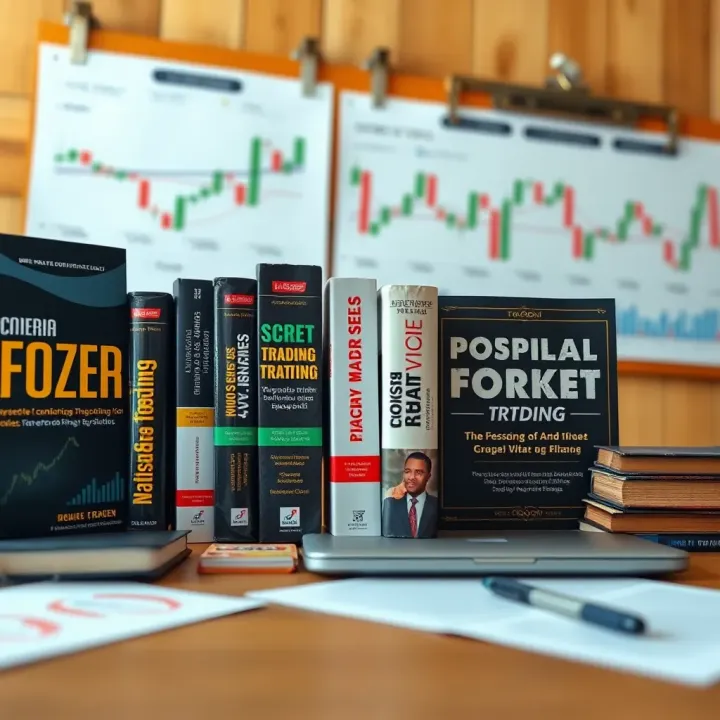
📚 Explore the top forex trading books tailored for Nigerian traders. Discover effective strategies, market insights, and tips to boost your trading skills in FX markets.

📚 Discover top forex trading books for Nigerian traders! Expert reviews & tips help you sharpen strategies and boost your trading success. 🇳🇬💹

📚 Discover top forex trading books in Nigeria! Learn strategies, analysis, and risk management to boost your trading skills and success. 🇳🇬💵
Based on 11 reviews