
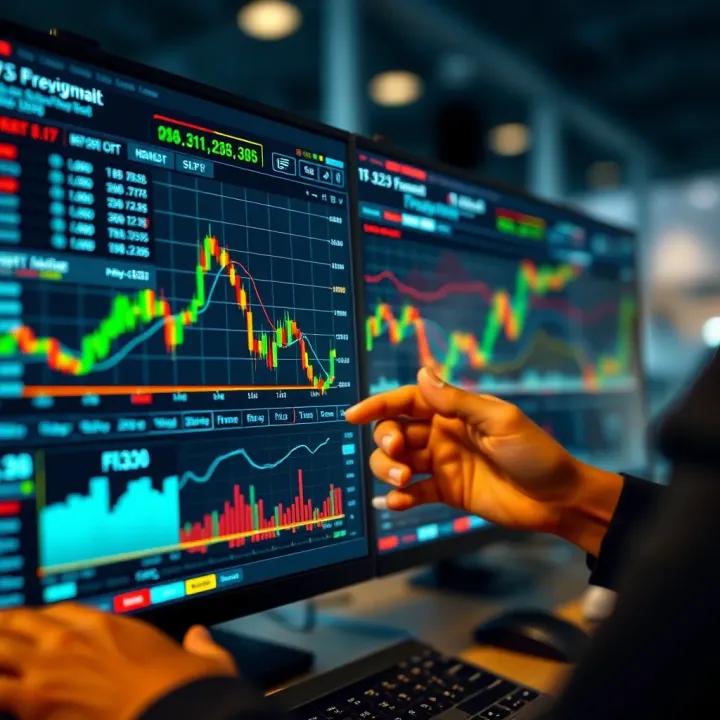
Best Forex Trading Platforms for Nigerians
Explore top forex trading platforms in Nigeria 🇳🇬, learn about features, security 🔐, tools 📊 & support to find the perfect fit for your trading style.
Edited By
Laura Mitchell
Forex trading has steadily gained traction among Nigerian investors looking to grow their income beyond traditional avenues. But with many platforms available, knowing where to start can be tricky. The choice of your forex trading platform impacts not just convenience but also your potential profits and safety.
Unlike some other investments, forex trading demands platforms that cater to fast, secure transactions and clear market data. Nigerian traders, in particular, face unique challenges such as fluctuating naira exchange rates, occasional power supply interruptions, and local banking restrictions. These realities make platform selection more than just picking the flashiest option.
When evaluating platforms, consider several key factors:
Regulation: Ensure the platform is recognised by a reputable authority like the Nigerian Forex Association or foreign bodies such as the Financial Conduct Authority (FCA). Regulation safeguards your funds and prevents fraudulent practices.
Fees and Spreads: Check the commission structure and spreads. Lower trading fees combined with competitive spreads mean you keep more of your gains. Some platforms may offer zero commission but charge wider spreads, which can hurt in the long run.
Deposit and Withdrawal Options: Platforms supporting Nigerian banks via local transfer, USSD, or trusted fintechs like Paystack and Flutterwave ease fund management. Look out for reasonable withdrawal times and minimal charges.
User Interface and Tools: A straightforward, user-friendly interface matters. Plenty of Nigerian traders prefer mobile-friendly platforms for on-the-go trading amid traffic jams or generator downtime. Plus, access to analytical tools, charts, and market signals can refine your decisions.
Customer Support: Choose platforms offering responsive local or online support in case you hit snags, especially during volatile market hours.
Accessibility: Some platforms restrict Nigerian users or limit trading pairs. Confirm you can access desired currency pairs and instruments without complications.
Selecting the right forex trading platform isn't about chasing every shiny feature but matching available tools and services with your trading style and daily realities.
Next, we'll explore some popular platforms Nigerians favour and what sets them apart. Stay tuned for practical advice to build your trading edge in Nigeria's forex scene.
Before diving into forex trading, understanding what a trading platform provides is key. This knowledge helps traders pick software that fits their goals and trading style, ensuring smoother and more profitable trades. For Nigerian traders, where market conditions and infrastructure can be challenging, knowing a platform’s core functions and accessibility features makes a big difference.
Currency pair access is fundamental because the variety and type of pairs offered determine the trading opportunities available. Most major platforms provide major pairs like USD/EUR, GBP/USD, and USD/NGN, but some also offer exotic pairs involving emerging market currencies. In Nigeria, having easy access to pairs involving the Naira can be practical, especially for hedging local currency risks.
Order execution speeds affect how quickly trades are completed after you click the button. Faster executions minimise slippage — the difference between expected and actual trade price. For volatile markets, such as those involving oil prices or political events impacting the Naira, a platform that executes orders swiftly can prevent losses. Platforms using advanced servers and close connections to liquidity providers tend to offer better execution.
Charting tools and analytics are essential for both beginners and professionals to analyse market trends and plan strategies. Platforms with interactive charts, technical indicators like RSI or MACD, and the ability to draw trend lines enhance decision-making. For example, MetaTrader 4 is popular partly because of its graphing tools, helping traders identify entry and exit points precisely.
Mobile and desktop compatibility ensures traders can operate wherever they are. Given Nigeria's frequent power outages and the high cost of constant data, being able to switch from a desktop in a barbing salon or office to a mobile app on an okada ride keeps trading seamless. Platforms that sync accounts across devices, like XM or Forex.com, help maintain continuous access.
Ease of navigation for beginners and pros matters because Nigeria's forex market includes traders of all levels. User-friendly menus, clear order placement, and helpful prompts can prevent costly errors. At the same time, seasoned traders expect shortcuts and advanced options to implement complex strategies quickly. Platforms that balance simplicity and power, like MetaTrader 5, tend to attract wider audiences.
Local language and support options add more comfort when issues arise. Platforms offering customer support during Nigerian business hours, and in English with familiar financial terms, help reduce stress. Some brokers also provide tutorials focused on Nigerian market conditions and regulations, which affordability or delays in global support centres might overlook.
Selecting a forex platform with the right mix of functionality and accessibility tailored to Nigerian realities can save time, reduce risks, and make trading more rewarding.
Choosing a platform is not just about features but how they serve your specific needs as a Nigerian trader. Keeping these aspects in mind puts you on a better footing before risking your hard-earned naira on forex markets.
Choosing the right forex trading platform involves more than just picking one with flashy features. For Nigerian traders, particular criteria shape the platform’s suitability, balancing regulatory compliance, cost-effectiveness, and ease of local transaction handling. These factors directly impact your trading efficiency, security, and overall experience.

Regulation acts as the backbone of trust in forex trading. Platforms monitored by Nigerian authorities like the Securities and Exchange Commission (SEC) or reputable international bodies provide a level of safety against fraud and malpractice. Since forex trading can attract unscrupulous operators, ensuring your platform complies with regulatory standards protects your capital and personal data.
For example, SEC Nigeria’s oversight means the platform follows local financial laws, including customer fund segregation and regular audits. On the international front, platforms licensed by regulators such as the UK Financial Conduct Authority (FCA) or the Cyprus Securities and Exchange Commission (CySEC) offer additional assurance of operational transparency and adherence to good practices. These robust frameworks reduce risks linked to unexpected platform shutdowns or unfair trading conditions.
Understanding transaction fees is critical since they directly affect profitability. The spread, or difference between buy and sell prices, varies between platforms and currency pairs. A tighter spread lowers your cost of entry and exit, which matters especially for high-frequency traders. Comparing spreads across platforms helps you pick one that fits your trading style and budget.
Commission rates can either be fixed per trade or variable as a percentage of the volume traded. Some platforms offer zero commission but compensate with wider spreads. Depending on your trading frequency and volume, selecting the right commission structure can save you thousands of naira annually.
Besides spreads and commissions, look at deposit and withdrawal charges. Some platforms deduct fees every time you move money in or out, which can pile up if you trade often. Choosing a platform with transparent and minimal charges ensures more of your funds go towards actual trading rather than unnecessary fees.
Accessibility to local payment options is a practical yet often overlooked factor. Platforms supporting Nigerian Naira (NGN) deposits through bank transfers, USSD codes, and mobile wallets like OPay, PalmPay, or Kuda make funding your trading account convenient and cost-effective. For instance, USSD payments enable instant funding without needing internet access, useful during power outages or data scarcity.
Withdrawal timeframes and conditions also matter. Some platforms process withdrawals within 24 hours, while others may take several business days, affecting your liquidity when you want to cash out. Pay attention to any minimum withdrawal limits or conditions that dictate how and when you can access your funds. Platforms with smooth, prompt withdrawal processes help avoid unnecessary delays and financial inconvenience.
When you select a forex trading platform, these criteria—regulation, fees, and local payment options—work together to create a seamless trading environment tailored for Nigerian investors. Paying attention to these details not only safeguards your money but enhances your trading experience amid the country’s unique challenges.
By focusing on regulated platforms with reasonable costs and local payment flexibility, Nigerian traders position themselves for better control over their forex activities and improved confidence in the market.
When choosing a forex trading platform in Nigeria, understanding the options that Nigerians actively use can save you time and reduce risks. Popular platforms typically offer better support, smoother transactions, and more relevant features tailored for the local market. Whether global giants or Nigerian-specific platforms, each option comes with unique benefits and considerations that affect trading experience, costs, and security.
MetaTrader 4 and 5 (MT4/MT5) are some of the most popular platforms worldwide and have a strong following among Nigerian traders. MT4 remains a favourite for beginners because it’s user-friendly and furnishes essential tools such as automated trading (Expert Advisors), charting, and risk management features. The upgrade, MT5, adds more asset classes and analytical tools but keeps the familiar layout. Both support integration with many brokers and offer mobile and desktop versions; this means you can trade on the go even in areas with inconsistent power supply. Besides their stability and versatility, MT4/MT5 platforms are widely supported by local brokers who provide Naira funding options, easing deposits and withdrawals.
Forex.com is a global broker with a reliable platform that appeals to Nigerian traders for its straightforward interface and competitive spreads. It emphasises regulatory compliance and offers a broad array of currency pairs, along with commodities and indices. For Nigerians, Forex.com provides localised payment methods, including bank transfers and e-wallets, which help reduce transaction delays common in cross-border trades. Its customer support operates 24/5, often covering Nigerian business hours, ensuring timely assistance.
XM Group offers versatility for both new and experienced traders. Its value lies in no minimum deposit requirements and zero commissions on trades, which lowers the entry barrier for many Nigerians wary of upfront costs. XM routinely hosts educational webinars and offers multilingual support including English, which suits Nigeria’s diverse trader base. Its platform supports multiple trading terminals including MT4 and MT5, giving traders flexibility depending on their preferred interface. Plus, with accessible local funding methods, Nigerian traders can fund accounts in Naira without frequent currency exchange hassles.
NairaForex is one of the few platforms built specifically for Nigerian traders, focusing on providing seamless Naira transactions. Unlike global platforms that require currency conversion to USD or EUR, NairaForex allows direct funding and withdrawals in Naira, reducing FX risk and cost. It appeals especially to traders who want to keep their capital in local currency without constantly worrying about exchange rate swings. While it may not offer the advanced trading tools of MT4/MT5, the platform prioritises beginner-friendly design and local customer support.
Local brokers offering platform integration often combine the reliability of global platforms with convenient Naira payment options. These brokers integrate MT4/MT5 or their proprietary trading systems but handle deposits and withdrawals through Nigerian banks, mobile money, and USSD channels. For example, some Lagos-based brokers provide customer service in local timetables, making problem resolution faster. Their platforms usually cater to the trading habits and preferences of Nigerian investors, which differs from international clients.
Hybrid platforms with local payment support blend international platform features with Nigerian-tailored payment options. These platforms bridge the gap for traders wanting the sophisticated charting and order execution features of global systems but with access to local payment infrastructure like GTBank’s USSD code or OPay wallet. Hybrid services also often comply with Nigerian regulatory bodies, giving traders added peace of mind. Practical benefits include reduced withdrawal delays and lesser conversion fees, crucial in a market where naira liquidity fluctuates.
Choosing between global and local platforms largely depends on your trading style, need for advanced tools, and how much you prioritise ease of funding in Naira. Nigerian traders stand to benefit most from platforms that mesh strong technology with local payment conveniences.
By clearly understanding both the global and local forex trading platforms available, Nigerian traders can make informed decisions that balance cost, accessibility, and toolsets. This step is fundamental for anyone serious about thriving in Nigeria’s growing forex market.
When picking a forex trading platform, Nigerian traders must pay keen attention to certain features that directly affect their trading experience and outcomes. These features are not just technical add-ons but tools that can help manage risks, increase knowledge, and protect investments.
Understanding risks and limits is vital in forex trading. Leverage allows traders to control a larger position with a smaller amount of capital, but it also magnifies losses. For example, using 50:1 leverage means a ₦10,000 deposit can manage ₦500,000 worth of currency, but a small market move can wipe out the entire deposit. Nigerian traders should recognise that higher leverage is a double-edged sword—while it can boost profits, it can also drain capital very quickly without cautious management.
Regulatory impact on leverage ratios shapes what’s available to Nigerian traders. The Central Bank of Nigeria (CBN) and SEC Nigeria often align with global standards, advising brokers to limit leverage to reduce systemic risks. Common limits offered are 1:30 or 1:50 for major currency pairs. Traders must check whether their chosen platform complies with these rules, as platforms offering excessive leverage may expose them to dangers and lack proper oversight.
Tutorials and webinars tailored to Nigerian traders can bridge knowledge gaps and customise learning to local market realities. Platforms like MetaTrader often provide general guides, but more valuable are brokers who offer sessions designed around Nigerian forex trends, naira volatility, and local trading hours. This ensures that traders develop relevant skills without wading through unrelated material.
Active forums and customer support within Nigerian time zones also matter. Immediate help can be crucial during fast market changes or when wiring ₦ adjustments is urgent. Platforms supporting chat, phone calls, or WhatsApp support from 9 am to 5 pm WAT ensure traders aren’t left stranded. Moreover, community forums connect traders to peers for exchanging tips, building experience, and receiving real-time alerts on market developments.
Data encryption and account protection protect traders’ sensitive information and funds. Platforms using robust SSL encryption and two-factor authentication (2FA) minimise hacking risks. Given Nigeria’s increasing internet fraud cases, choosing a platform with advanced security shows seriousness in protecting traders’ investments.
Platform stability during volatile market hours is another key factor. Forex markets react sharply to global financial news, and downtime or crashes during such times could cause huge losses. Platforms that guarantee uptime above 99.9% and have fail-safe mechanisms like auto-close orders help Nigerian traders confidently operate even when markets are wild.
Prioritising these features makes the difference in sustaining trading capital and developing skills in Nigeria’s challenging forex environment.
By zeroing in on leverage, education, and robust technology, traders gain practical advantages to navigate risks and make timely decisions on forex platforms tailored for them.
Trading forex in Nigeria comes with unique challenges that investors cannot overlook. From naira exchange rate fluctuations to unreliable power and internet, these factors directly affect trading performance and capital preservation. Knowing how to handle these common hurdles can save traders significant losses and improve their overall experience.
Naira instability impacts forex trading capital seriously since traders often deposit and withdraw in naira but trade in foreign currency pairs like USD/EUR. For instance, if the naira suddenly depreciates, the deposited funds’ buying power reduces sharply when converted, affecting the margin available. This can force unexpected margin calls or prevent executing planned trades at desired levels. For Nigerian traders, this means the naira devaluation eats into their initial capital and potential gains.
Managing this currency risk involves diversifying how capital is held and moved. Some traders keep funds partly in stable currencies via offshore accounts or use multi-currency e-wallets that support naira, dollars, and euros. Others track central bank interventions and try to deposit or withdraw funds during periods of relative naira stability to avoid harsh swings. Using platforms that offer quick settlement and withdrawals can also reduce exposure time to naira fluctuations.
Frequent power outages and unstable internet connections remain major obstacles for Nigerian traders, especially during peak market hours. Relying solely on home Wi-Fi or electricity puts trades at risk amid sudden disconnections. A practical backup is to always have mobile data ready on a second device like a smartphone. Power banks and inverters can keep essential devices running during blackouts, ensuring continuous market access.
Additionally, selecting trading platforms with built-in safety features protects investments during interruptions. For example, platforms with auto-close functions automatically exit open trades when connectivity is lost beyond a set period, preventing runaway losses. Others offer offline order management or push notifications to mobile devices so traders stay informed of critical price movements. These features are vital in Nigeria’s environment where reliable electricity and internet can be spotty, reducing the chance of costly mistakes.
Navigating these challenges requires smart preparation and choosing the right tools. Being ready for naira volatility and infrastructural hiccups helps Nigerian traders stay competitive and safeguard their hard-earned capital.
In summary, forex trading in Nigeria demands awareness of local realities beyond just market factors. Understanding naira currency risk and preparing for power and internet setbacks forms the backbone of a resilient trading strategy. Practical solutions like diversifying currency holdings, using portable data backups, and leveraging platform safety tools give traders an edge in this demanding environment.
Explore top forex trading platforms in Nigeria 🇳🇬, learn about features, security 🔐, tools 📊 & support to find the perfect fit for your trading style.
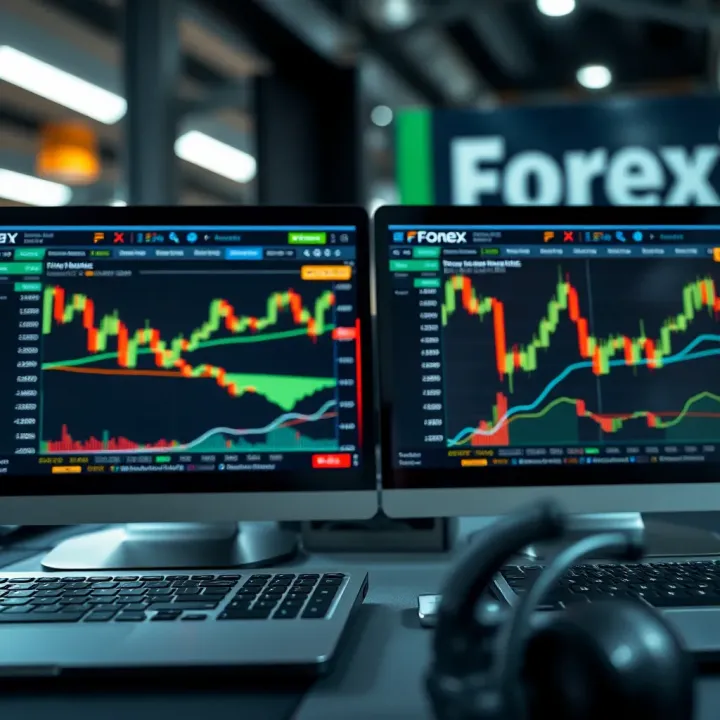
Explore the best forex trading platforms in Nigeria 🇳🇬 with in-depth reviews on features, security, and usability. Find the right fit for beginners & pros!
Discover how to pick the best forex trading platform in Nigeria 🇳🇬. Learn key features, platform reviews, and tips for safe, smooth trading 💹🔒.
Looking for the best forex trading site in Nigeria? Learn how to pick safe, user-friendly platforms with low fees and solid support to trade confidently 📈💼
Based on 7 reviews